Natural Ways To Boost Male Libido
In the quest for enhancing male sexual desire, natural methods have emerged as a cornerstone for those seeking a libido boost without reliance on pharmaceuticals. The beauty of these methods lies in their ability to harmonize with the body’s intrinsic rhythms, offering a testosterone surge that underpins both sexual vitality and overall health. This section unveils the myriad ways nature can be harnessed to invigorate male sexuality.
Foremost among natural libido enhancers are dietary modifications. A diet rich in red fruits and vegetables, lean proteins, and whole grains can play a pivotal role in augmenting sexual performance. Foods like oysters, famed for their zinc content, and fatty fish, abundant in omega-3 fatty acids, are celebrated for their libido-enhancing properties. These dietary choices not only improve blood flow but also bolster erectile function.
Herbs and plants offer another avenue for natural libido enhancement. Adaptogens such as ginseng and ashwagandha have been revered for centuries for their ability to increase energy and enhance sexual desire. They work by mitigating stress and improving hormone levels, thereby fostering a conducive environment for sexual health.
Lifestyle changes hold equal importance in the realm of natural libido boosters. Regular exercise, particularly strength training and aerobic workouts, can elevate testosterone levels, thereby enhancing male virility. Moreover, ensuring adequate sleep and minimizing stress through meditation or yoga can have profound benefits on one’s sexual desire. Sleep deserves a specific target rather than a vague goal. Most daily testosterone release happens during deep sleep, so men who consistently sleep fewer than the recommended hours often see measurably lower morning testosterone. Aim for 7 to 9 hours of quality sleep on a regular schedule. For many men, fixing sleep is the single highest-yield change they can make for desire.
It helps to understand why stress matters so much here. When stress becomes chronic, the body keeps cortisol elevated, and sustained high cortisol suppresses both testosterone production and sexual desire. This is the biological reason that stress-management practices like breathing work, meditation, or yoga are not just feel-good advice. They lower the hormonal brake that holds libido down.
In this era of information, understanding the natural ways to boost male libido involves recognizing the synergy between our bodies and the natural world. Whether it’s through diet, herbal supplements, or lifestyle adjustments, the journey toward a heightened sexual desire is both healthy and holistic. By embracing these natural methods, men can experience a significant increase in libido, erectile function, and overall sexual satisfaction, laying the foundation for a more fulfilling sex life.
How Fast Can You Increase Libido?
This is the question we hear most, and the honest answer is that there is no instant switch. A single good night of sleep or a relaxed evening with your partner can lift desire in the short term. The durable gains, though, come from compounding habits. Most men who improve sleep, train regularly, cut back on alcohol, and lower daily stress notice a real difference over two to six weeks, not overnight. Herbs that show benefit in trials, such as maca, were typically studied across 8 to 12 weeks of consistent use. Patience and consistency beat any quick fix.
Supplements And Vitamins For Increasing Male Libido
Exploring the realm of supplements and vitamins, we find a treasure trove of options designed to enhance male enhancement efforts. The science behind these capsules and pills is robust, with numerous studies indicating their efficacy in boosting men’s sexual health and performance. Integrating these supplements into one’s daily regimen can serve as a powerful enhancer for those looking to improve their sexual experience.
Vitamin D and Zinc stand out for their critical roles in testosterone production and sexual function. A deficiency in Vitamin D has been linked to low testosterone levels, while Zinc is paramount for regulating serum testosterone levels in men. Magnesium, another vital nutrient, supports muscle and nerve function, which is essential for sexual health.
Fenugreek, an herb with a long history of use in traditional medicine, has emerged as a testosterone booster. It not only enhances sexual arousal and libido but also improves exercise performance, which can indirectly boost testosterone levels.
L-arginine, an amino acid found in red meat, poultry, and fish, is another key player. It enhances the production of nitric oxide, leading to improved blood flow and erectile quality. This mechanism is crucial for maintaining an erection, making L-arginine a popular ingredient in male enhancement pills.
While supplements offer great potential for boosting male libido, it’s important to approach them with information on increasing male libido in mind. Consulting with a healthcare provider before starting any new supplement is crucial to ensure it’s appropriate for your health needs and doesn’t interfere with other medications.
In sum, the benefits of incorporating specific supplements and vitamins into one’s diet are manifold. They can enhance fertility, boost sexual energy, and contribute to a more virile and satisfying sex life. However, they should be viewed as part of a holistic approach to sexual wellness that includes a healthy diet, regular exercise, and stress management.
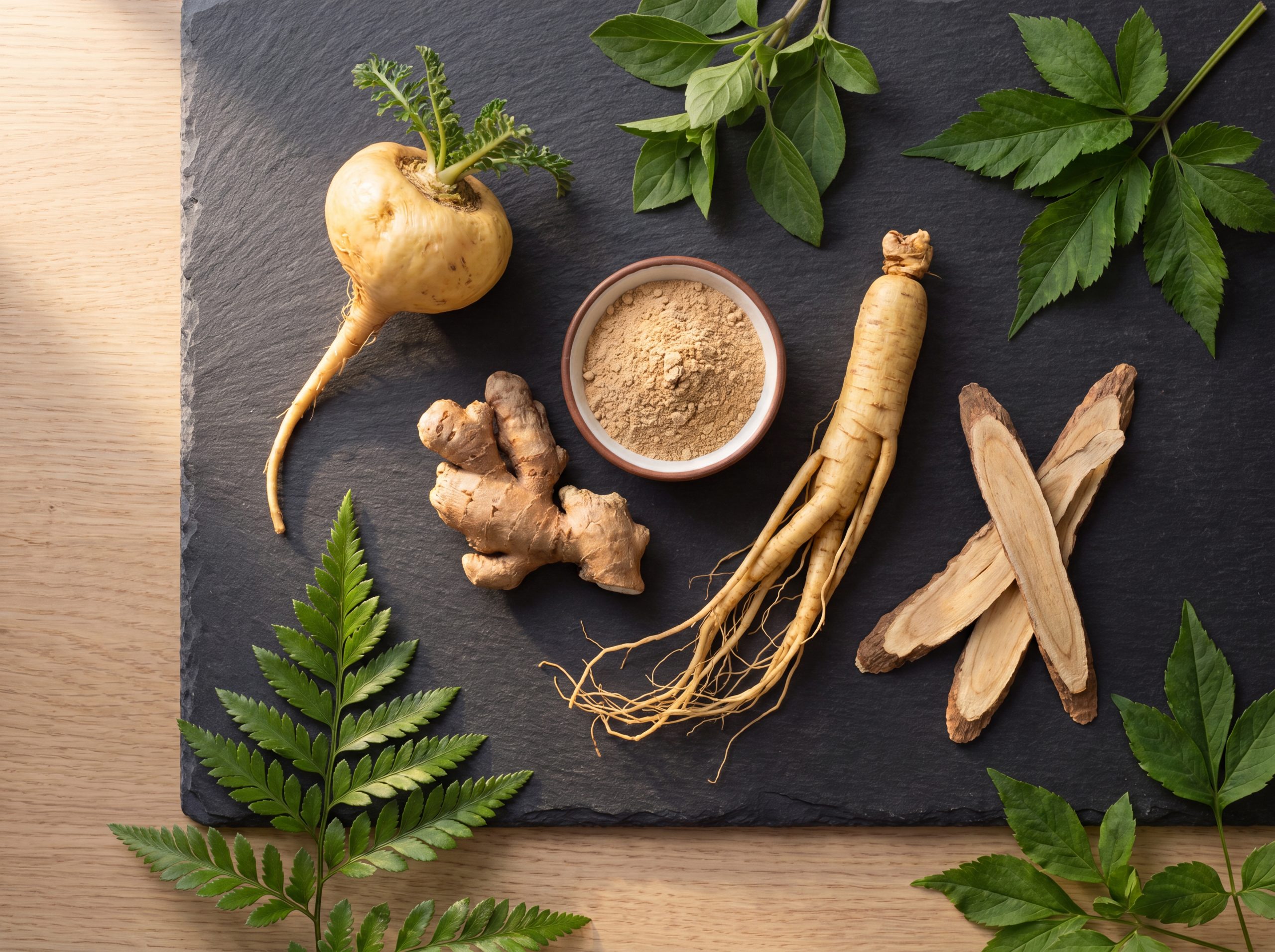
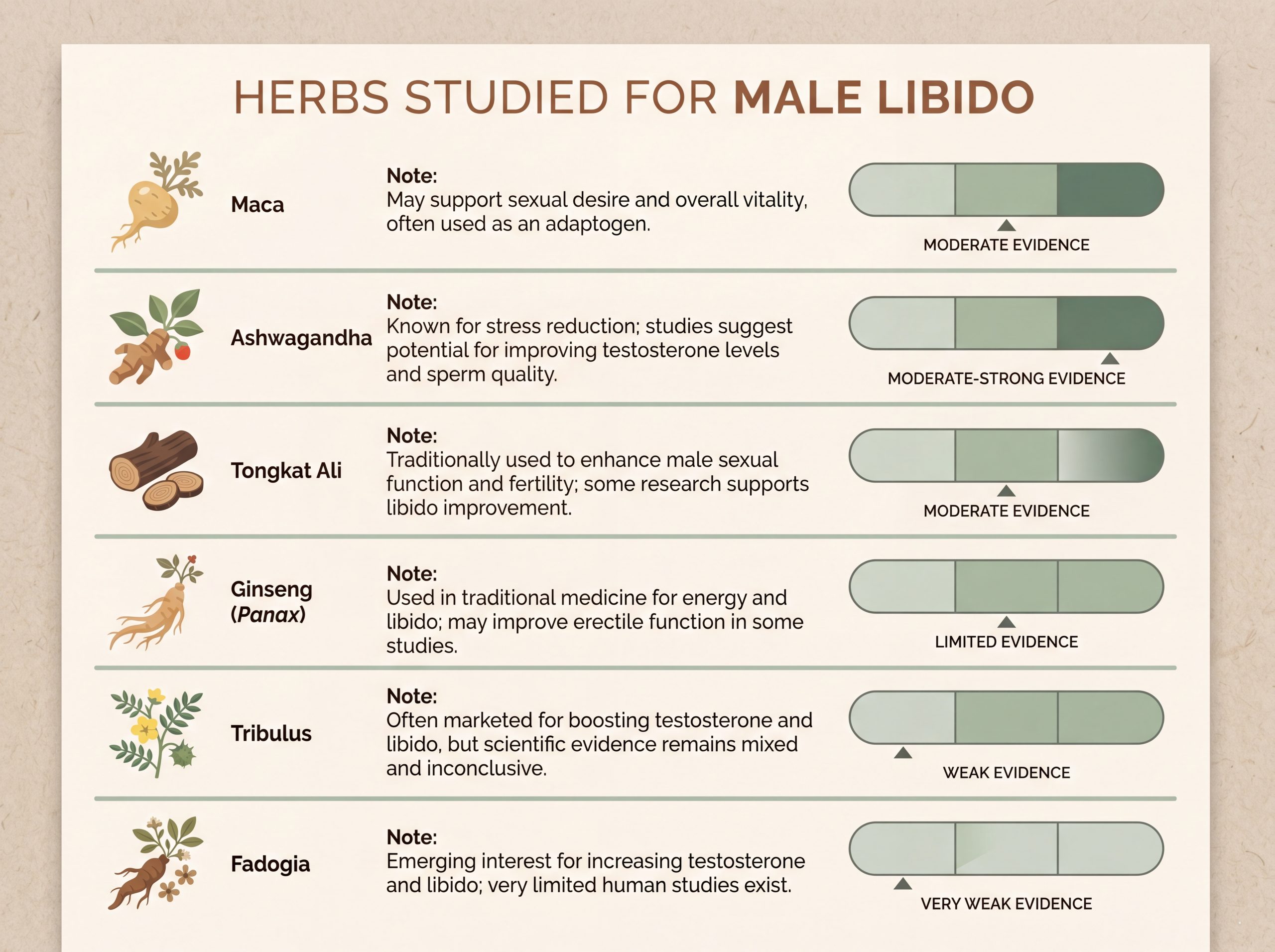
Evidence-Backed Herbs Men Use for Libido Support
In our editorial review of the clinical literature, a handful of botanicals come up again and again for male sexual health. None of them works like a switch, and the quality of evidence varies widely from one herb to the next. Here is what the human research actually shows, along with the traditional context our team weighs when we source each plant.
Ashwagandha (Withania somnifera). This Ayurvedic adaptogen is the most consistently studied of the group. In a randomized, placebo-controlled crossover trial in aging, overweight men, an ashwagandha root extract was associated with higher salivary testosterone and improved vitality scores (Lopresti et al., 2019, American Journal of Men’s Health, PMID: 30854916). The proposed mechanism runs through the HPA axis, where the withanolide compounds appear to moderate cortisol, the same stress hormone that suppresses desire.
Maca (Lepidium meyenii). Grown in the Peruvian Andes above 4,000 meters, maca is notable because its reported effect on sexual desire appears to happen without changing testosterone. A 12-week randomized trial found improved self-reported sexual desire after 8 weeks, with no difference in serum testosterone or estradiol versus placebo (Gonzales et al., 2002, Andrologia, PMID: 12472620). A later systematic review reached a cautiously favorable conclusion while calling for larger trials (Shin et al., 2010, PMID: 20691074).
Tongkat Ali (Eurycoma longifolia). A Southeast Asian root traditionally taken for vitality and stamina. A one-month study in men with late-onset hypogonadism reported improved Aging Males’ Symptoms scores and higher serum testosterone (2012, PMID: 21671978), and a 2017 systematic review of clinical studies described it as a candidate for male sexual health support (PMID: 28259255).
Panax Ginseng (Panax ginseng). A Cochrane systematic review concluded that ginseng may have only a small effect on erectile function compared with placebo, while noting the underlying trials were small and of low certainty (2021, PMID: 34169686). We read that as promising but not definitive.
Tribulus (Tribulus terrestris). Popular in sports-nutrition circles, but the human data are weak. A prospective clinical study in men found no statistically significant change in total or free testosterone after supplementation (2016, PMID: 27337519). We mention it mainly to set honest expectations.
Fadogia (Fadogia agrestis). A trending name online, but the evidence base is preclinical. The available research is limited to animal models, including a rat study examining erectile-related biomarkers (2022, PMID: 35969364). No human trials support its use, and our team treats it as experimental.
| Herb (Latin binomial) | What the human research suggests | Strength of evidence |
|---|---|---|
| Ashwagandha (Withania somnifera) | May support healthy testosterone and vitality in older men | Moderate (RCT) |
| Maca (Lepidium meyenii) | May support sexual desire, independent of hormone change | Moderate (RCT plus review) |
| Tongkat Ali (Eurycoma longifolia) | May support testosterone in men with low baseline levels | Emerging (small trials) |
| Panax Ginseng (Panax ginseng) | May offer small support for erectile function | Low to moderate (Cochrane) |
| Tribulus (Tribulus terrestris) | No reliable testosterone change shown in men | Weak |
| Fadogia (Fadogia agrestis) | Animal data only, no human trials | Preclinical |
| Sources: PMIDs 30854916, 12472620, 20691074, 21671978, 28259255, 34169686, 27337519, 35969364. Educational summary, not medical advice. | ||
If you want to go deeper on any single botanical, our team has longer profiles on ashwagandha for libido, shilajit for libido, and the research behind tribulus benefits. You can also browse our full men’s energy herbs collection.
Lifestyle Changes To Enhance Male Sexual Desire
Embracing lifestyle modifications holds immense power in elevating sexual desire among men. Beyond the realms of diet and supplements, certain day-to-day choices can significantly impact one’s libido. This narrative explores how integrating positive lifestyle adjustments can lead to a more vibrant sexual life.
Firstly, foreplay plays a crucial role not just as an act of intimacy but as a catalyst for increasing sexual desire. Engaging in prolonged and meaningful foreplay can heighten arousal and enhance the sexual experience, making it more fulfilling for both partners. This aspect of sex underscores the importance of mental and emotional connection in boosting libido.
Exercise is another pivotal element. Regular physical activity, especially aerobic exercises, can improve blood circulation, energy levels, and body image, all of which contribute positively to sexual desire. Incorporating routines that focus on cardiovascular health can also aid in maintaining erectile function, making exercise a key player in sexual wellness.
Mental health is inextricably linked to libido. Stress and anxiety can significantly dampen sexual desire, making it imperative to adopt stress-reduction techniques. Practices such as meditation, yoga, and even therapy can provide a solid foundation for reducing mental clutter and enhancing sexual energy.
Furthermore, sleep quality directly influences libido. Ensuring a good night’s sleep is essential for maintaining the hormonal balance necessary for a healthy sex drive. Men experiencing low libido may find significant improvement by simply improving their sleep habits.
Lastly, reducing consumption of alcohol and smoking can have a marked impact on sexual desire. These substances can impair erectile function and decrease testosterone levels, further highlighting the importance of a healthy lifestyle in maintaining and enhancing sexual desire. The mechanism behind these two habits is worth spelling out. Heavy alcohol use lowers testosterone and depresses the central nervous system, which blunts arousal. Smoking damages the lining of blood vessels and restricts the healthy blood flow that sexual function depends on. Cutting back on alcohol and quitting tobacco improves both circulation and hormone balance, often within weeks.
In conclusion, lifestyle changes such as prioritizing foreplay, maintaining regular physical activity, managing stress, improving sleep quality, and reducing harmful substance use are instrumental in boosting sexual desire and performance. By adopting these healthy habits, men can experience a notable improvement in their sexual health and overall well-being.
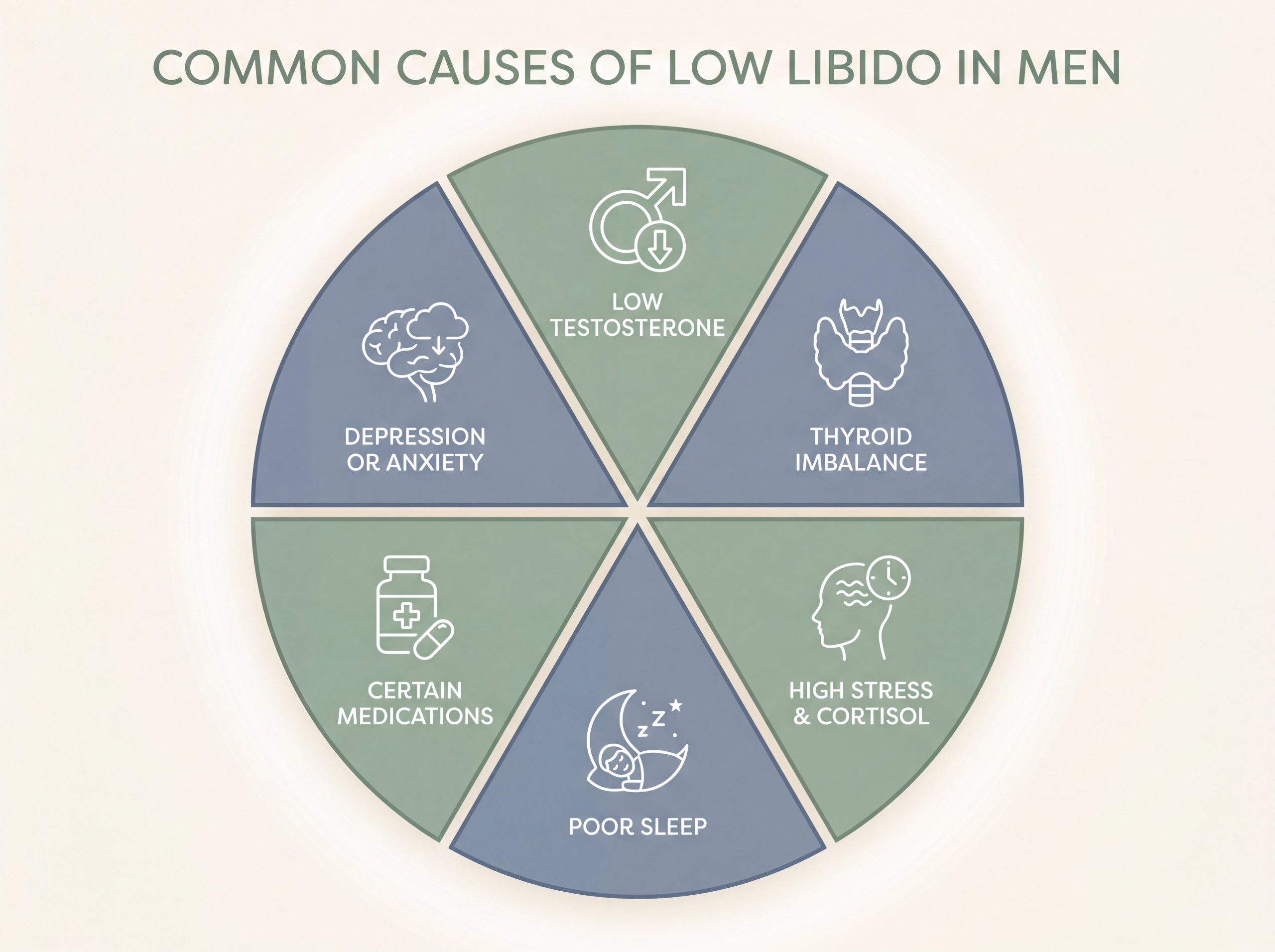
Underlying Causes of Low Libido and When to See a Healthcare Provider
Lifestyle changes and herbs only go so far. In our experience answering reader questions, a meaningful share of low-libido cases trace back to a medical cause that no supplement will fix. Low sex drive is often a signal worth listening to rather than a problem to mask.
Common physiological contributors include low testosterone, an underactive or overactive thyroid, elevated prolactin, poorly managed diabetes, and cardiovascular or metabolic issues that reduce healthy blood flow. Mental health matters just as much. Depression, chronic anxiety, and burnout are frequent drivers of reduced desire. So are everyday medications. Certain antidepressants, notably SSRIs, and some blood-pressure drugs list lowered libido as a known side effect.
Here is our simple rule of thumb. If a drop in desire is new, persistent for more than a few weeks, or shows up alongside fatigue, low mood, or changes in erections, it is worth a conversation with a qualified healthcare provider. A basic workup can check hormone levels and rule out the causes above before you spend money on supplements. For a clinical overview, the Cleveland Clinic guide to low libido and the Mayo Clinic Health System overview are both reliable starting points.
Pros And Cons
The consideration of libido boosters, including pills and capsules, offers a compelling option for those seeking to enhance their sexual life. These enhancement products have been marketed with the promise of improving sexual performance and desire, yet it’s important to weigh their benefits and side effects with a critical eye.
Pros
- Immediate Results: Many users report experiencing a noticeable increase in sexual desire and performance shortly after starting these boosters.
- Convenience: Available in various forms, these products provide an accessible way to address sexual health concerns.
- Variety: There is a wide range of options tailored to different needs and preferences, from natural supplements to pharmaceutical pills.
Cons
- Side Effects: Depending on the individual and the product used, there can be side effects ranging from mild to severe, affecting overall well-being.
- Dependency: There’s a risk of becoming reliant on boosters for sexual performance, potentially masking underlying health issues.
- Regulation Issues: Not all products are equally regulated, leading to potential safety concerns over ingredients and their sources.
Making an Informed Decision
When considering enhancement products, it’s crucial to consult healthcare professionals to understand the potential benefits and risks. Engaging in research and education about sexual health can empower individuals to make choices that align with their health and lifestyle.
Final Thoughts On Improving Male Libido
In the journey towards enhancing male libido, we’ve explored a spectrum of avenues, from natural methods and dietary supplements to lifestyle adjustments and the pros and cons of libido boosters. Each strategy presents its own set of benefits tailored to individual needs and circumstances.
Embracing a holistic approach is paramount. Integrating healthy lifestyle choices, such as regular exercise and stress management, with informed supplement use can create a solid foundation for sexual health. Education and open communication about sexual desires and needs play a crucial role in this process, fostering a deeper understanding and connection between partners.
Desire is not only chemical. Relationship context shapes it powerfully. Unresolved conflict, low emotional intimacy, and performance anxiety are among the most common reasons desire fades even when physical health is fine. In the cases readers describe to us, open conversation with a partner and a focus on non-sexual affection often do more than any pill. If anxiety or relationship strain runs deep, a counselor or sex therapist can help more than the supplement aisle.
Innovation in the field of sexual health continues to offer new solutions and therapies, making it an exciting time for those seeking to enhance their sexual experience. However, it’s essential to approach these new developments with a critical eye, valuing safety and efficacy above the allure of quick fixes.
Ultimately, the journey to improved libido is as much about embracing a holistic view of health—mental, emotional, and physical—as it is about any single treatment or supplement. The most effective strategy combines personalized care, scientific understanding, and a commitment to overall well-being.
Remember, enhancing male libido is not just about sexual performance; it’s about enriching life’s quality and deepening intimate connections. With the right approach, support, and resources, achieving a balanced and satisfying sexual life is within reach.
These statements have not been evaluated by the Food and Drug Administration. This product is not intended to diagnose, treat, cure, or prevent any disease. The information here is educational and is not a substitute for advice from a qualified healthcare provider. Consult your provider before starting any new herb or supplement, especially if you take prescription medication.