The Role of Natural Supplements in Muscle Development
Natural supplements can significantly contribute to a well-rounded diet, especially for those engaged in regular physical activity, such as athletes and bodybuilders. They can help bridge nutritional gaps, increase energy levels, and promote faster recovery after intense workouts. Here are some key advantages of incorporating herbal supplements into your regimen:
- Enhanced Recovery: Certain natural ingredients can reduce inflammation and speed up recovery times, allowing for more effective training sessions.
- Increased Energy Levels: Many herbal supplements provide a clean energy boost, helping you maintain stamina throughout your workouts.
- Support for Hormonal Balance: Some supplements can help maintain healthy testosterone levels, which are important for muscle growth and overall vitality.
Herbs Are the Last 5 Percent, Not the First
We would rather lose a sale than mislead you on this. If your training, protein, and sleep are not in place, no herb on this page will do anything measurable. The research hierarchy for muscle growth is not controversial, and it looks like this.
- Progressive resistance training. The stimulus. Nothing substitutes for it.
- Protein intake of roughly 1.6 to 2.2 g per kg of bodyweight per day. The raw material.
- Adequate calories, with a modest surplus if maximizing growth is the goal.
- Sleep, 7 to 9 hours. Where the adaptation actually happens.
- Creatine monohydrate, 3 to 5 g daily. The single most consistently supported supplement for strength and lean mass, and it is not an herb. A 2019 review classified creatine, protein, and polyunsaturated fatty acids at evidence level A for increasing or preserving muscle mass, the highest tier in the analysis (Valenzuela et al., 2019, Eur J Nutr, PMID: 30604177).
- Then herbs. Ashwagandha at the top, and it is a modest assist rather than a driver.
Ashwagandha Compared to Creatine
This is the comparison people actually want, so here it is. Creatine has a larger, more consistent, and better-replicated effect on strength and lean mass than any herb, and it works through a well-characterized pathway involving phosphocreatine resynthesis. Ashwagandha’s mechanism is indirect. It lowers cortisol and improves sleep and recovery, which improves the quality of the training you do. The two are not competitors, and they are not interchangeable. If you can only choose one for muscle growth, the evidence says creatine. If you are already taking creatine and training well, ashwagandha is a reasonable addition. The NIH Office of Dietary Supplements maintains a plain-language summary of this evidence in its consumer fact sheet on supplements for exercise and athletic performance.
Top Herbs and Compounds for Muscle Growth and Strength
This section details specific herbs and compounds, their mechanisms of action, scientific evidence supporting their use, recommended dosages, and potential side effects.
Ashwagandha (Withania somnifera) and Muscle Growth
Ashwagandha, also known as Withania somnifera, is a prominent herb in Ayurvedic medicine, traditionally used to enhance strength and vitality. Its relevance to muscle building is increasingly supported by scientific research.
Mechanism of Action
Withania somnifera is believed to support muscle gain through several mechanisms. It’s known to reduce cortisol, a catabolic hormone that breaks down muscle tissue. It may also increase testosterone levels, a key anabolic hormone. Furthermore, it may enhance mitochondrial energy levels and increase creatine levels, aiding ATP production.
Scientific Evidence
Ashwagandha’s potential for muscle growth has been investigated in several studies, with promising, though sometimes nuanced, results. A 2015 study published in the Journal of the International Society of Sports Nutrition focused on 57 young men undergoing resistance training. The group supplementing with 300mg of ashwagandha root extract twice daily for eight weeks experienced significantly greater gains in muscle strength, measured via bench press and leg extension and also showed increased muscle size compared to the placebo group. However, it’s important to note that this study involved untrained individuals. Results might differ in experienced athletes and bodybuilders.
Furthermore, while this study showed improvements in strength and size, it’s useful to consider the mechanisms. Ashwagandha is believed to reduce cortisol, a stress hormone that can break down muscle tissue (a catabolic effect). By lowering cortisol, ashwagandha may create a more favorable environment for muscle growth (an anabolic effect). It may also influence testosterone levels, a key hormone for muscle protein synthesis. Beyond this specific study, other research has explored ashwagandha’s impact on mitochondrial function and creatine levels, both of which are important for ATP production – the energy currency of cells, essential for muscle contractions. While these findings are encouraging, further research is needed to fully elucidate ashwagandha’s effects across diverse populations and training levels, and to pinpoint the precise mechanisms driving its benefits.
Another study found that KSM-66 Ashwagandha (600mg/day for 8 weeks) increased testosterone levels by 16.65% in men.
Dosage and Forms
Studies often use dosages ranging from 300mg to 600mg of ashwagandha root extract per day, typically standardized to a specific percentage of withanolides. It’s available in capsules, powders, and liquid extracts.
Potential Side Effects and Safety
Ashwagandha is generally considered safe, but some individuals may experience mild side effects like upset stomach or drowsiness, especially at high doses. Always consult a healthcare professional before use, especially if you have any underlying health conditions or are taking medications.
Fenugreek (Trigonella foenum-graecum) for Enhanced Strength
Fenugreek (Trigonella foenum-graecum) is an annual plant cultivated worldwide, and its seeds have been used both culinarily and medicinally for centuries. Emerging research suggests its potential benefits for increasing strength and improving body composition.
Mechanism of Action
Fenugreek’s impact on muscle performance is thought to be linked to its influence on hormonal balance, particularly testosterone. Certain compounds within fenugreek, such as furostanolic saponins, may contribute to increased testosterone levels.
Scientific Evidence
Several studies have investigated fenugreek’s effects on strength and body composition. A study found that supplementation with a standardized fenugreek extract (Testofen) significantly increased lean mass and strength in resistance-trained men compared to a placebo. Another study reported improvements in body composition and hormonal profiles in men taking fenugreek extract.
Dosage and Forms
Common dosages of fenugreek extract range from 500mg to 600mg per day, often standardized to contain a specific percentage of furostanolic saponins. It is available in capsules and powders.
Potential Side Effects and Safety
Fenugreek is generally considered safe when used as directed. However, some individuals may experience mild gastrointestinal side effects, such as diarrhea or bloating. Individuals with allergies to plants in the Fabaceae family (e.g., peanuts, chickpeas) should exercise caution.
Tribulus Terrestris (Gokshura) and its Effects on Muscle
We will be direct about this one, because the evidence is direct. Tribulus terrestris does not appear to build muscle. In a double-blind randomized trial, 22 elite rugby players took 450 mg of Tribulus extract daily through 5 weeks of heavy preseason resistance training. Strength and fat-free mass improved in both groups, and there was no difference between the Tribulus group and placebo (Rogerson et al., 2007, J Strength Cond Res, PMID: 17530942). A 2019 review of supplements marketed for muscle mass and strength rated Tribulus at evidence level C, meaning weak or scarce, and grouped it with compounds that have been proven ineffective rather than merely unproven (Valenzuela et al., 2019, Eur J Nutr, PMID: 30604177). The NIH Office of Dietary Supplements reaches the same conclusion in its fact sheet on supplements for exercise and athletic performance, noting that resistance-trained men taking Tribulus showed no improvement in bench press or leg press over placebo.
We sell Tribulus. We are still telling you it does not do this. Gokshura has a long and legitimate place in Ayurvedic practice, and it is traditionally used to support vitality and urinary tract function. That tradition is real. It is simply not the same claim as muscle growth, and the controlled trials have not supported the muscle-growth claim in trained athletes.
Mechanism of Action
Tribulus Terrestris is often purported to increase testosterone levels, which would theoretically contribute to muscle growth. However, the precise mechanism is not fully understood, and the evidence for significant testosterone increases in healthy, resistance-trained individuals is limited.
Scientific Evidence
The trial data in resistance-trained populations is consistent, and it is negative. Where positive signals do appear, they tend to come from participants with low baseline testosterone or from studies looking at libido rather than at lean mass. Baseline status appears to explain most of the difference between studies. If you are a healthy trained lifter with normal testosterone, the honest expectation from Tribulus is no measurable change in strength or muscle mass. The same 2007 trial also found no change in the urinary testosterone to epitestosterone ratio, which means Tribulus did not raise testosterone in a way that any laboratory could detect.
Dosage and Forms
Typical dosages of Tribulus Terrestris extract range from 750mg to 1500mg per day. It is available in capsules, tablets, and powders.
Potential Side Effects
Tribulus Terrestris is generally well-tolerated, but some individuals may experience mild side effects like stomach upset.
Rhodiola Rosea: Reducing Fatigue and Enhancing Endurance
Rhodiola Rosea is a potent herb that grows in cold, high-altitude regions of Europe and Asia. It’s known as an adaptogen, meaning it helps the body adapt to stress, both physical and mental. While not directly promoting muscle growth in the same way as some other herbs, it plays a significant role in enhancing exercise performance and recovery, which is beneficial for athletes and recreational lifters alike.
Mechanism of Action
Rhodiola Rosea is believed to work by influencing levels of neurotransmitters like serotonin, dopamine, and norepinephrine, as well as by reducing levels of the stress hormone cortisol. It may also enhance the body’s ability to utilize oxygen and improve cellular energy production.
Scientific Evidence
Numerous studies support Rhodiola Rosea’s benefits for reducing fatigue and improving endurance. Research has shown that it can decrease perceived exertion, improve mental performance during stressful exercise, and reduce markers of muscle damage after intense workouts.
Dosage and Forms
Typical dosages of Rhodiola Rosea extract range from 200mg to 400mg per day, often standardized to contain a specific percentage of rosavins and salidrosides (active compounds). It is available in capsules, tablets, and liquid extracts.
Potential Side Effects
Rhodiola Rosea is generally considered safe, but some individuals may experience mild side effects such as dizziness or dry mouth.
Safed Musli (Chlorophytum borivilianum) for Vitality and Energy
Safed Musli (Chlorophytum borivilianum) is a herb traditionally used in Ayurvedic medicine for its revitalizing and adaptogenic properties. While more research is needed, some evidence suggests it may support energy levels, stamina, and potentially contribute to muscle health.
Mechanism of Action
Safed Musli is thought to act as a tonic, promoting overall vitality and potentially influencing hormone levels, including testosterone. It may also possess antioxidant properties.
Scientific Evidence
Limited research suggests that Safed Musli may increase energy and stamina. Some studies indicate it may have a positive effect on testosterone levels, which could indirectly support muscle growth, although more robust clinical trials are needed.
Dosage and Forms
Dosages of Safed Musli extract vary, and more research is needed to establish optimal recommendations. It is available in capsules and powders.
Potential Side Effects
Safed Musli is generally considered safe, but potential side effects are not well-documented due to limited research.
Tongkat Ali (Eurycoma longifolia) and Testosterone Support
Tongkat Ali (Eurycoma longifolia) is a plant native to Southeast Asia, traditionally used to enhance energy, libido, and overall well-being. Emerging research suggests it may have a positive impact on testosterone levels and body composition.
Mechanism of Action
Tongkat Ali is believed to influence testosterone production by stimulating the release of luteinizing hormone (LH), which in turn signals the testes to produce more testosterone.
Scientific Evidence
Several studies have shown that Tongkat Ali extract can increase testosterone levels, particularly in men with low testosterone or older adults. Some research also indicates improvements in muscle strength and body composition.
Dosage and Forms
Common dosages of Tongkat Ali extract range from 200mg to 400mg per day. It’s available in capsules and powders.
Potential Side Effects
Tongkat Ali is generally considered safe, but some individuals may experience mild side effects like insomnia or restlessness.
Fadogia agrestis and the Ecdysterone Question
Fadogia agrestis is a West African shrub that has become one of the most aggressively marketed ingredients in the muscle-building category, usually stacked with Tongkat Ali and beta-ecdysterone. It deserves a section here for one reason, which is that people are searching for it and being sold it. It also deserves an honest answer.
What the Evidence Actually Shows
There are no published human randomized controlled trials on Fadogia agrestis for muscle growth. The interest traces back to rodent studies examining the aqueous stem extract and its effect on serum testosterone in male rats. Rodent endocrine data does not transfer to trained human lifters, and it does not establish a dose, a duration, or a safety window in people. Anyone presenting Fadogia as a proven muscle builder is describing an animal result as though it were a human one.
In our sourcing experience, this is where the category gets careless. Fadogia is sold in blends at doses nobody has tested in a human trial, alongside beta-ecdysterone, a phytoecdysteroid whose own human evidence base remains thin. We stock Fadogia agrestis capsules and Fadogia agrestis extract because there is genuine traditional and research interest in the plant, and because customers who are going to buy it anyway are better served by a single-herb product with a known botanical identity than by an unlabeled proprietary blend. That is a sourcing position, not a performance claim.
How to Think About It
If muscle growth is your goal, Fadogia is not where the evidence points. Ashwagandha has human trial support. Fadogia has rodent data and marketing. Those are not the same tier, and we would rather say so plainly than sell you a story. For readers who want the full picture on this plant, our team has written a longer piece on Fadogia agrestis and testosterone.
Astragalus membranaceus and Potential Muscle Recovery Benefits
Astragalus membranaceus is a foundational herb in Traditional Chinese Medicine. Research, often with the herb in combination with other herbs, points to its potential for aiding muscle recovery and supporting athletic performance.
Mechanism of Action
Astragalus is thought to possess adaptogenic, immunomodulatory, and antioxidant properties. These actions may contribute to reducing inflammation and supporting the body’s recovery processes after exercise.
Scientific Evidence
Studies, often involving combinations of herbs including Astragalus, have shown potential benefits for reducing muscle damage and improving markers of recovery after strenuous exercise.
Dosage and Forms
Dosage recommendations vary, and more research is needed to determine optimal dosages for muscle recovery. It is available in various forms, including capsules, powders, and liquid extracts.
Potential Side Effects
Astragalus is generally considered safe, but it may interact with certain medications, such as immunosuppressants.
Cordyceps and Muscle Endurance
Mechanism of Action
It is believed to enhance cellular energy production (ATP) and improve oxygen utilization.
Scientific Evidence
Studies suggest Cordyceps may improve exercise performance, particularly endurance activities.
Dosage and Forms
Dosages vary depending on the form and specific product. It is available in capsules, powders, and extracts.
Potential Side Effects
Cordyceps is generally considered safe, but some individuals may experience mild digestive upset.
Ginseng for Muscle Recovery
Ginseng, particularly Panax ginseng, is an adaptogenic herb known for its potential to combat fatigue and enhance recovery.
Mechanism of Action
Ginseng may influence the nervous system, reduce inflammation, and improve energy metabolism.
Scientific Evidence
Research suggests ginseng may reduce muscle damage and improve recovery after exercise.
Dosage and Forms
Dosages vary depending on the type of ginseng and the specific product. It is available in various forms, including capsules, tablets, powders, and root extracts.
Potential Side Effects
Ginseng is generally considered safe, but it can interact with certain medications and may cause side effects like insomnia or headaches in some individuals.
Ginger as an Anti-Inflammatory for Muscles
Mechanism of Action
Ginger contains compounds like gingerols and shogaols that inhibit inflammatory pathways.
Scientific Evidence
Studies suggest ginger can reduce muscle soreness and inflammation after exercise.
Dosage and Forms
Ginger can be consumed in various forms, including fresh root, powder, capsules, and extracts. Dosages vary depending on the form and intended use.
Potential Side Effects
Ginger is generally considered safe, but high doses may cause mild digestive upset.
Turmeric (Curcumin) for Muscle Recovery
Mechanism of Action
Turmeric contains curcumin, a potent anti-inflammatory compound that inhibits various inflammatory pathways, including NF-kB and COX-2. This helps reduce the production of inflammatory cytokines, mitigating muscle soreness and promoting faster recovery after exercise.
Scientific Evidence
Numerous studies have demonstrated turmeric’s (and specifically curcumin’s) ability to reduce delayed onset muscle soreness (DOMS) and improve markers of muscle recovery. Research indicates that curcumin supplementation can decrease creatine kinase (CK) and interleukin-8 (IL-8) levels, both indicators of muscle damage and inflammation.
Dosage and Forms
Curcumin has low bioavailability on its own. Therefore, it’s often combined with piperine (black pepper extract) to enhance absorption. Typical dosages of curcuminoids (the active compounds in turmeric) range from 500mg to 2000mg per day, often standardized to a high percentage of curcuminoids (e.g., 95%). It’s available in capsules, tablets, powders, and liquid extracts.
Potential Side Effects
Turmeric and curcumin are generally considered safe, but high doses may cause mild gastrointestinal upset in some individuals. It may also interact with blood-thinning medications.
Maca (Lepidium meyenii)
Mechanism of Action
Maca is considered an adaptogen. It may work by supporting hormonal balance, potentially influencing testosterone and cortisol levels. Some research also suggests it may enhance energy production and reduce oxidative stress.
Scientific Evidence
While more research is needed, some studies suggest that Maca may improve exercise performance, particularly endurance. There’s limited, but emerging evidence that Maca may positively impact hormone levels, potentially supporting muscle health.
Dosage and Forms
Typical dosages of Maca powder range from 1.5 to 3 grams per day. It’s available in capsules, powders, and liquid extracts.
Potential Side Effects
Maca is generally considered safe. Some individuals may experience mild digestive upset or changes in menstrual cycles.
What Does the Human Research Actually Show?
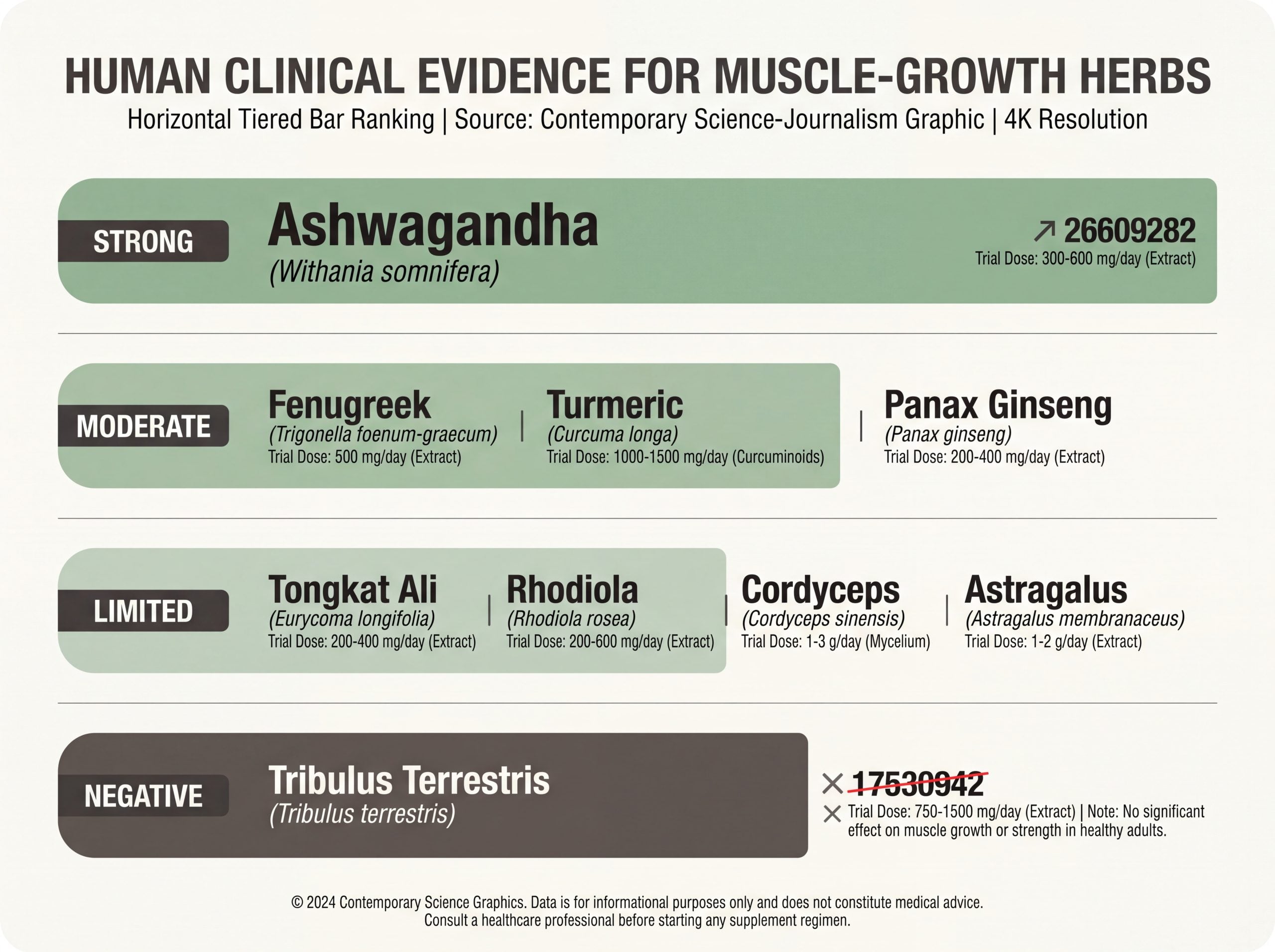
Below is every herb covered above, ranked by the strength of its human clinical evidence rather than by tradition or popularity. In our editorial review of this literature, one pattern held consistently. The herbs with genuine randomized controlled trial support are a much shorter list than most articles on this topic suggest, and the honest answer to “which herb builds the most muscle” is that none of them build much on their own.
| Herb | Latin binomial | Evidence strength (human trials) | Dose and duration used in trials | Citation |
|---|---|---|---|---|
| Ashwagandha | Withania somnifera | Strongest. Randomized, double-blind, placebo-controlled trial in resistance-training men showed greater gains in bench-press 1RM, leg-extension 1RM, arm and chest muscle size, and a greater reduction in body fat versus placebo. | 300 mg root extract twice daily, 8 weeks, alongside resistance training | Wankhede et al. (2015), J Int Soc Sports Nutr, PMID: 26609282 |
| Fenugreek | Trigonella foenum-graecum | Moderate. Systematic review of six randomized controlled trials. Four reported improved strength, muscular endurance, and lean body mass. Fenugreek also improved creatine uptake without requiring high carbohydrate intake. | Varies by trial, typically 500 to 600 mg daily across 8 weeks of resistance training | Albaker (2023), J Pers Med, PMID: 36983608 |
| Turmeric (curcumin) | Curcuma longa | Moderate, for recovery not growth. Reduced delayed-onset muscle soreness and preserved jump performance after match play. An umbrella review of 53 meta-analyses rated curcumin as reducing muscle soreness with moderate certainty. | 500 mg immediately post-exercise, repeated at 12 and 36 hours | Abbott et al. (2023), PMID: 36780901. Talebi et al. (2024), PMID: 37460208 |
| Ginseng | Panax ginseng | Moderate, for fatigue and recovery. Controlled trials found improvements in work capacity and reaction time when standardized root extract was used for more than 8 weeks at more than 1 g dried root equivalent daily. Also rated as reducing muscle soreness with moderate certainty. | More than 1 g dried root equivalent daily, more than 8 weeks | Bucci (2000), Am J Clin Nutr, PMID: 10919969 |
| Tongkat Ali | Eurycoma longifolia | Limited, and population-dependent. A 6-month randomized controlled trial in men with age-related androgen deficiency found added knee-flexion strength gains when combined with training. Evidence in healthy young trainees is thin. | 6 months alongside concurrent training, in men with low baseline testosterone | Leitão et al. (2021), PMID: 33445146 |
| Rhodiola | Rhodiola rosea | Limited, for fatigue not growth. Reviewed as helping relieve muscle and joint soreness, but direct exercise-performance results are inconsistent and muscle-growth evidence is absent. | 200 to 400 mg daily, standardized to rosavins and salidrosides | Sellami et al. (2018), PMID: 29568244 |
| Cordyceps | Cordyceps militaris | Limited. Reviewed among purported herbal ergogenics. Effects appear to act through central nervous system and oxygen-utilization pathways rather than through muscle protein synthesis. | Not established in controlled muscle-growth trials | Sellami et al. (2018), PMID: 29568244 |
| Astragalus | Astragalus membranaceus | Limited. Reviewed for muscle and joint soreness relief. Exercise-performance results are described in the literature as missing rather than negative. | Not established in controlled muscle-growth trials | Sellami et al. (2018), PMID: 29568244 |
| Tribulus | Tribulus terrestris | Negative. A double-blind randomized trial in elite rugby players found no strength or lean-mass advantage over placebo across 5 weeks of heavy resistance training. A 2019 review of the supplement literature rated the evidence for Tribulus at level C, meaning weak or scarce. See the Tribulus section above. | 450 mg daily for 5 weeks produced no measurable advantage | Rogerson et al. (2007), PMID: 17530942. Valenzuela et al. (2019), PMID: 30604177 |
| Sources: peer-reviewed literature indexed on PubMed, plus the NIH Office of Dietary Supplements fact sheet on Dietary Supplements for Exercise and Athletic Performance. Last reviewed July 2026. | ||||
A broader systematic review of botanical effects on skeletal muscle health grouped the plausible benefits into five buckets, and muscle growth was not the strongest of them. Anti-inflammatory action, muscle-damage prevention, antifatigue effect, and atrophy prevention all carried more support than direct hypertrophy (Rondanelli et al., 2016, eCAM, PMID: 27051451). That is a useful way to set expectations. Most of these plants earn their place in a training program by helping you recover and train again sooner, not by adding tissue directly.
Other Important Compounds for Muscle Growth
Beyond herbal remedies, several other naturally occurring compounds are crucial for supporting muscle growth and recovery.
Creatine Monohydrate
Mechanism of Action
Creatine increases the availability of phosphocreatine in muscle cells. Phosphocreatine is used to rapidly regenerate ATP (adenosine triphosphate), the primary energy source for muscle contractions. This allows for increased power output during short-duration, high-intensity exercise.
Scientific Evidence
Creatine monohydrate is one of the most extensively researched supplements in existence. Hundreds of studies have consistently demonstrated its effectiveness in increasing muscle strength, power, and size. It’s particularly effective for resistance training and activities requiring short bursts of energy.
Dosage and Forms
A typical creatine loading phase involves taking 20 grams per day (divided into four doses) for 5-7 days, followed by a maintenance dose of 3-5 grams per day. Creatine monohydrate is the most common and well-researched form. It’s available in powders and capsules.
Potential Side Effects
Creatine is considered very safe. The most common side effect is mild water retention, which can lead to a slight increase in body weight.
BCAAs (Branched-Chain Amino Acids)
Mechanism of Action
BCAAs (leucine, isoleucine, and valine) are essential amino acids that play a direct role in muscle protein synthesis. Leucine, in particular, is a potent stimulator of the mTOR pathway, a key regulator of muscle growth. BCAAs may also reduce muscle protein breakdown.
Scientific Evidence
Research on BCAAs is mixed, but many studies suggest they can reduce muscle soreness, improve recovery after exercise, and potentially enhance muscle protein synthesis, especially when protein intake is suboptimal.
Dosage and Forms
Typical dosages of BCAAs range from 5-10 grams, often taken before, during, or after workouts. They are available in powders and capsules. Look for a 2:1:1 ratio of leucine:isoleucine:valine.
Potential Side Effects
BCAAs are generally considered safe. Some individuals may experience mild gastrointestinal upset.
Beta-Alanine
Mechanism of Action
Beta-alanine is a non-essential amino acid that, when combined with histidine, forms carnosine within muscle cells. Carnosine acts as a buffer, reducing the buildup of lactic acid during high-intensity exercise. This can delay fatigue and improve performance.
Scientific Evidence
Studies have shown that beta-alanine supplementation can increase muscle carnosine levels and improve performance in activities lasting 1-4 minutes, such as high-intensity interval training (HIIT) or weightlifting sets in the higher rep ranges.
Dosage and Forms
Typical dosages range from 3-6 grams per day, often divided into smaller doses to minimize the tingling sensation (paresthesia) that some people experience. It’s available in powders and capsules.
Potential Side Effects
The most common side effect is paresthesia (a harmless tingling sensation).
Citrulline Malate
Mechanism of Action
Citrulline is an amino acid that is converted to arginine in the body. Arginine is a precursor to nitric oxide (NO), a vasodilator that improves blood flow. Increased blood flow can deliver more nutrients and oxygen to muscles, potentially enhancing performance and recovery. Citrulline may also reduce ammonia buildup, a byproduct of intense exercise that contributes to fatigue.
Scientific Evidence
Research suggests that citrulline malate can improve exercise performance, reduce muscle soreness, and enhance blood flow.
Dosage and Forms
Typical dosages range from 6-8 grams, taken about an hour before exercise. It is commonly found in pre-workout supplements and also available as a standalone powder.
Potential Side Effects
Citrulline malate is generally considered safe. Some individuals may experience mild gastrointestinal upset.
Protein and Vitamins
Importance of Protein
Adequate protein intake is fundamental for muscle growth. Protein provides the amino acids necessary to repair and build muscle tissue after exercise. Whey protein, a fast-digesting protein source, is particularly popular among athletes for its ability to quickly deliver amino acids to muscles post-workout. However, other protein sources, such as casein, soy, and plant-based blends, are also effective.
Role of Vitamins
Vitamins, especially B vitamins, vitamin D, and antioxidants (like vitamins C and E), play vital roles in energy metabolism, muscle function, and recovery. B vitamins are essential for converting food into energy, while vitamin D is crucial for muscle health and function. Antioxidants help protect muscle cells from damage caused by exercise-induced oxidative stress.
Which Herb for Which Goal?
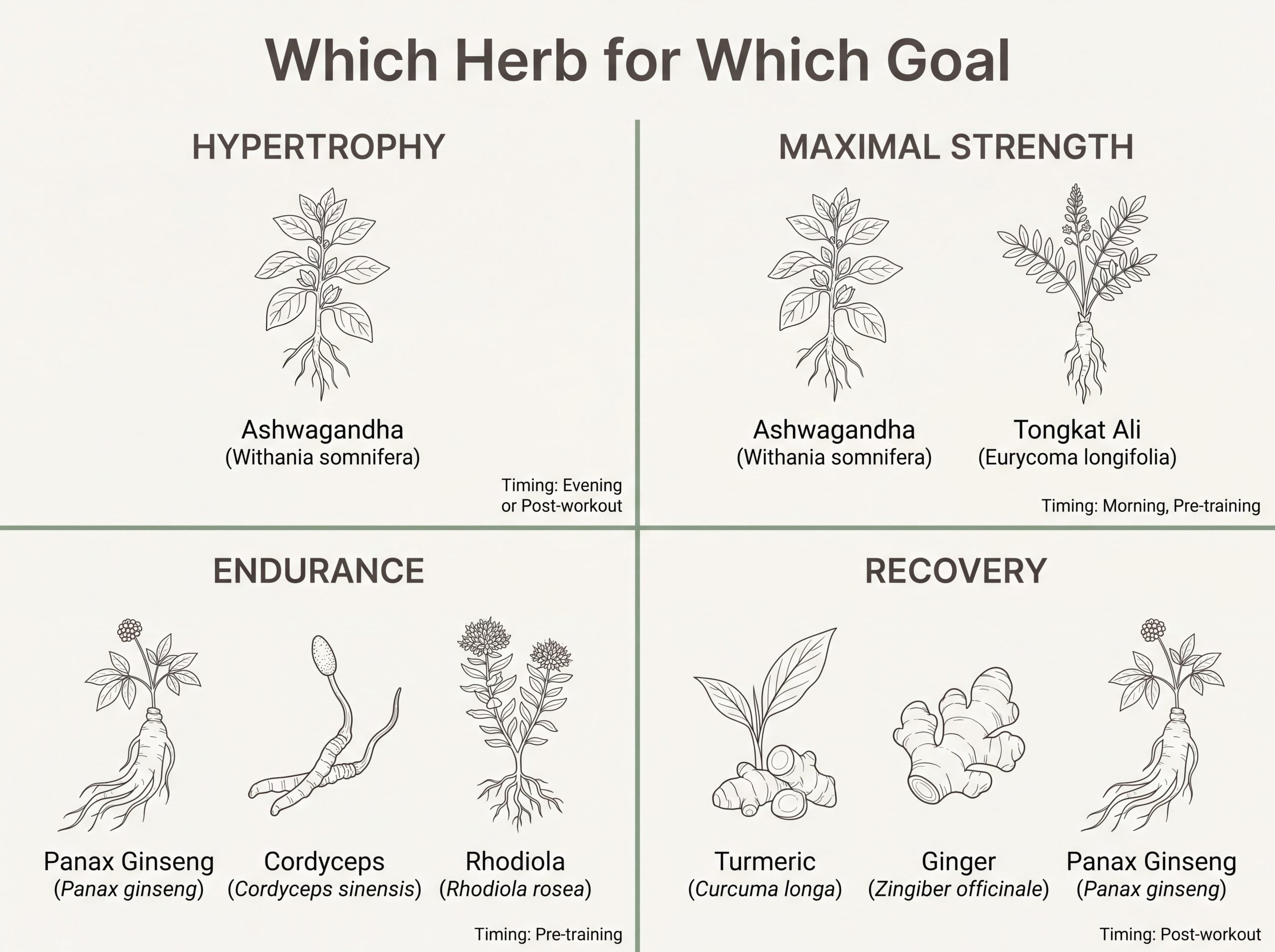
“Muscle growth” is four different goals wearing one label. Hypertrophy, maximal strength, endurance, and recovery respond to different inputs, and the herb that helps one may do nothing for another. Sort yourself first, then pick.
| Your goal | Best-supported herb | Why | Typical timing |
|---|---|---|---|
| Hypertrophy (muscle size) | Ashwagandha | The only herb here with randomized trial evidence for increased muscle size alongside resistance training. Works by lowering cortisol, which is catabolic when chronically elevated. | Split dose, morning and evening. Evening dose suits its effect on sleep. |
| Maximal strength | Ashwagandha, then Tongkat Ali if testosterone is low | Ashwagandha showed the larger bench-press and leg-extension gains. Tongkat Ali’s strength signal appears mainly in men with age-related androgen deficiency, not in healthy young trainees. | Daily, consistently, for 8 or more weeks. There is no useful acute dose. |
| Endurance and work capacity | Panax ginseng, Cordyceps, Rhodiola | These act on fatigue, oxygen utilization, and perceived exertion rather than on muscle tissue. They help you complete the work that drives growth. | Morning or pre-training. |
| Recovery and soreness | Turmeric (curcumin), ginger, ginseng | Curcumin and ginseng both reduced muscle soreness with moderate certainty in an umbrella review of 53 meta-analyses. This is the best-supported use of herbs in the whole category. | Post-workout, and again 12 and 36 hours after hard sessions. |
| Timing reflects trial protocols where available. Talebi et al. (2024), Nutr Rev, PMID: 37460208. | |||
Notice what this table does not contain. There is no herb in the hypertrophy row other than ashwagandha, because there is no other herb with human trial evidence for adding muscle size. In our editorial review of this literature, the recovery row is where herbs are genuinely strongest, and the hypertrophy row is where the marketing is loudest. Those two facts are worth sitting with.
Integrating Natural Supplements into Your Fitness Routine
To maximize the benefits of these natural supplements, consider the following strategies:
- Combine with a Balanced Diet: Supplements should complement a diet rich in whole foods, including lean proteins, healthy fats, and a variety of fruits and vegetables.
- Maintain Consistency: Regular use of these supplements, combined with a consistent workout routine, will yield the best results.
- Timing:
- Pre-Workout: Consider supplements like citrulline malate, beta-alanine, and Rhodiola Rosea before training to enhance performance and endurance.
- Post-Workout: Focus on recovery with supplements like creatine, BCAAs, and turmeric/curcumin. Whey protein is also beneficial post-workout.
- Throughout the Day: Supplements like ashwagandha, fenugreek, and Tongkat Ali can be taken with meals to support hormonal balance and overall vitality.
- Stacking:
- Combining certain supplements can have synergistic effects. For example, creatine and beta-alanine are often taken together to enhance both strength and endurance.
- Ashwagandha and Rhodiola Rosea can be combined for a more comprehensive adaptogenic effect, supporting both stress management and physical performance.
- Always consult a healthcare professional before combining multiple supplements, especially if you have any underlying health conditions or are taking medications.
Exercises to Complement Natural Supplements
While natural supplements can significantly aid muscle growth, they work best when combined with a well-structured exercise program. Here are some effective exercises that can enhance the benefits of the supplements discussed:
| Exercise | Target Muscle Group | Benefits |
|---|---|---|
| Squats | Legs, Glutes | Builds lower body strength and promotes overall muscle growth. |
| Deadlifts | Back, Legs | Enhances posterior chain strength and increases muscle mass. |
| Bench Press | Chest, Shoulders, Triceps | Develops upper body strength and muscle definition. |
| Pull-Ups | Back, Biceps | Improves upper body strength and engages multiple muscle groups. |
| Overhead Press | Shoulders, Triceps | Strengthens shoulder muscles and enhances overall upper body power. |
Pros and Cons of Using Natural Supplements
Before incorporating natural supplements, it is essential to understand their advantages and potential drawbacks.
| Pros | Cons |
|---|---|
| Can enhance muscle recovery and growth. | Results may vary from person to person. |
| Often made from natural ingredients with fewer side effects. | Some supplements may interact with medications. |
| Can improve overall health and well-being. | Quality and potency can vary between brands. |
| May provide a competitive edge in performance. | Not a substitute for a balanced diet and exercise. |
| Supports a holistic approach to health. | Can be expensive. |
Always consult a healthcare professional or a nutritionist before starting any new supplement regimen to ensure safety and effectiveness. They can help you determine the appropriate dosages, identify potential interactions with medications, and tailor a plan that meets your individual needs. The information provided in this article is intended for general knowledge and informational purposes only and does not constitute medical advice.
Who Should Not Take These Herbs
Most of this page is about what these plants may do. This section is about who should leave them alone. Our editorial team considers negative knowledge part of the job, and an article that recommends seventeen compounds without naming a single contraindication has not finished its work.
Ashwagandha (Withania somnifera)
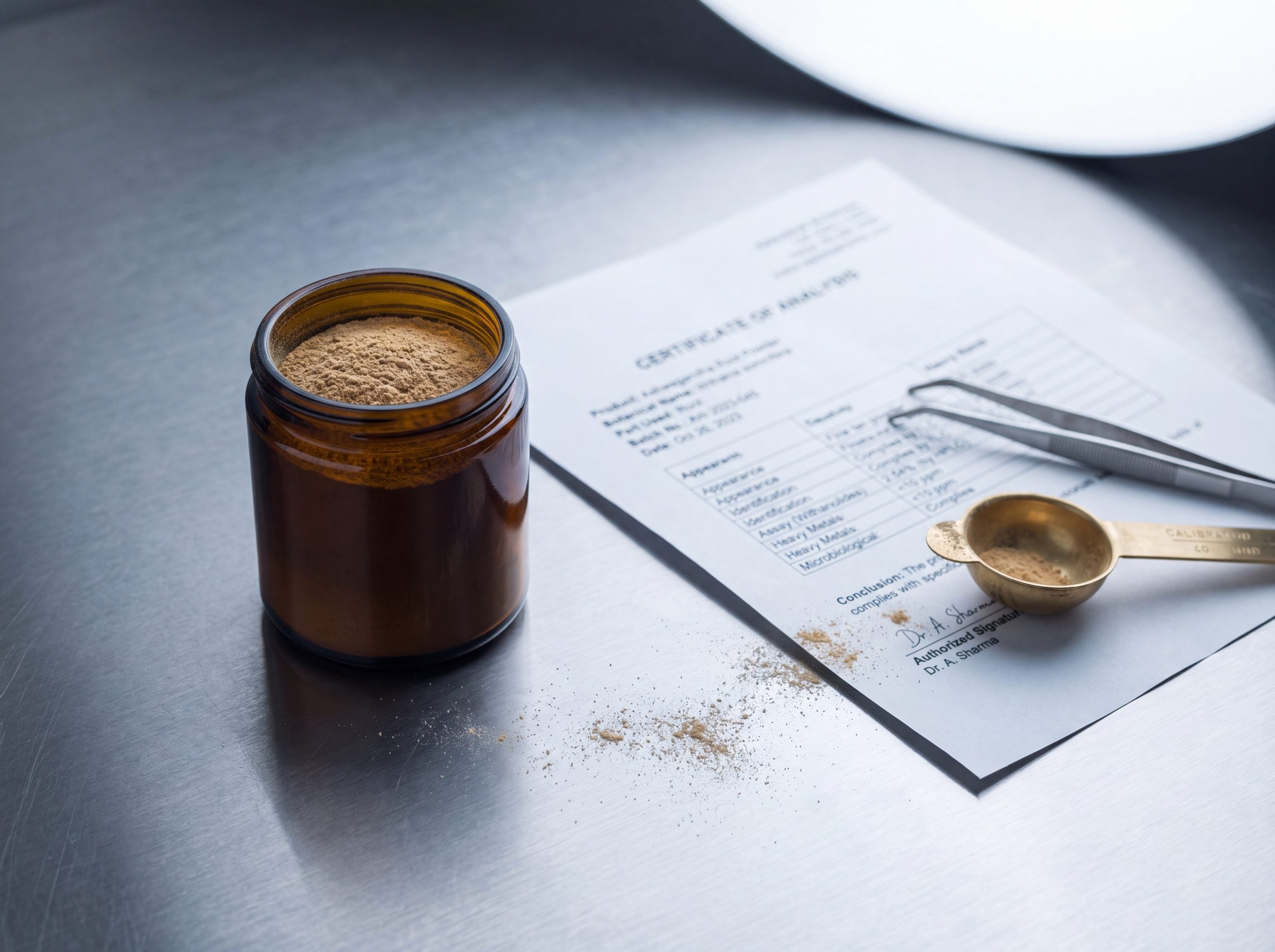
Avoid or seek medical guidance first if you have a thyroid disorder, since ashwagandha can raise thyroid hormone levels and may compound thyroid medication. The same applies to autoimmune conditions including rheumatoid arthritis, lupus, and Hashimoto’s thyroiditis, because ashwagandha has immunostimulating activity. It is not recommended during pregnancy. It may add to the effect of sedatives and of blood-pressure and blood-sugar medications. Rare cases of liver injury have been reported in the literature, which is one reason we consider extract standardization and third-party testing worth paying for.
Turmeric and Ginger
Both have antiplatelet activity. If you take an anticoagulant such as warfarin, or an antiplatelet such as clopidogrel or daily aspirin, talk to your prescriber before adding concentrated curcumin or ginger extracts. Stop both at least two weeks before any scheduled surgery. High-dose curcumin can also aggravate gallbladder conditions and gallstones.
Tongkat Ali and Fadogia agrestis
Both are marketed toward hormone modulation, and neither has an established safety profile in women, in adolescents, or in pregnancy. Anyone with a hormone-sensitive condition should avoid them. Fadogia in particular has no published human safety data at the doses sold commercially, which is a fact worth weighing before purchase.
Panax Ginseng and Rhodiola
Panax ginseng can interact with anticoagulants, diabetes medications, and MAOI antidepressants. It may cause insomnia when taken late in the day. Rhodiola has stimulant-like properties and may worsen agitation in people with bipolar disorder.
Everyone
If you compete in a tested sport, be aware that herbal supplements are not tightly regulated, and that adulteration with banned substances is a documented problem in this category. Look for NSF Certified for Sport or Informed Sport certification. If you are pregnant, nursing, taking prescription medication, or managing a chronic condition, talk to your healthcare provider before starting any of these herbs.
Disclaimer. These statements have not been evaluated by the Food and Drug Administration. This product is not intended to diagnose, treat, cure, or prevent any disease. Consult your healthcare provider before use.
Frequently Asked Questions (FAQ)
What are the best natural supplements for muscle growth? The “best” supplement depends on individual needs and goals. However, some of the most well-researched and effective options include creatine monohydrate, ashwagandha, fenugreek, and BCAAs.
How do these supplements work? Supplements work through various mechanisms. Some, like creatine, directly enhance energy production within muscle cells. Others, like ashwagandha and fenugreek, may influence hormone levels. Still others, like turmeric and Rhodiola Rosea, support recovery by reducing inflammation and fatigue.
Are natural muscle growth supplements safe? Most of the supplements discussed are generally considered safe when used as directed. However, potential side effects and interactions with medications can occur. Always consult a healthcare professional before starting any new supplement.
When should I take these supplements? Timing depends on the specific supplement. Pre-workout supplements are best taken before exercise, while post-workout supplements are designed for recovery. Others can be taken with meals.
Can I combine multiple supplements? “Stacking” supplements can be effective, but it’s crucial to do so safely and under the guidance of a healthcare professional.
How can I ensure the quality of the supplements I choose? Look for reputable brands that provide third-party testing and clearly list the ingredients and dosages. Standardization (e.g., specifying the percentage of active compounds) is a good indicator of quality.
Will these supplements work without exercise? Supplements are most effective when combined with a consistent resistance training program and a balanced diet. They are not a substitute for proper training and nutrition.
Are there any specific considerations for women using these supplements? Some herbs, like Tribulus Terrestris, may have different effects on men and women due to hormonal differences. Women should always research potential effects and consult a healthcare professional.
How long does it take to see results from these supplements? Results vary depending on the supplement, individual factors (genetics, diet, training), and consistency of use. Some effects, like those of creatine, may be noticeable within a few weeks, while others, like hormonal changes, may take longer.
Where can I find medicinal herbs for muscle growth? Many health food stores and online retailers carry these supplements. It’s always best to purchase from reputable sources.
What role do vitamins play in muscle growth and recovery? Vitamins, especially B vitamins and vitamin D, are essential for energy production, muscle function, and overall health. They support the processes necessary for muscle growth and repair.
Should athletes and bodybuilders use the same dosages as recreational lifters? Dosage recommendations may vary depending on training intensity, body weight, and individual needs. Athletes and bodybuilders may require higher doses of certain supplements, but this should be determined in consultation with a healthcare professional or sports nutritionist.
Which herb has the strongest human clinical evidence for muscle growth? Ashwagandha (Withania somnifera). In a randomized, double-blind, placebo-controlled trial, men taking 300 mg of root extract twice daily for 8 weeks alongside resistance training gained significantly more bench-press and leg-extension strength, more arm and chest muscle size, and lost more body fat than the placebo group (PMID: 26609282). No other herb on this page has comparable trial support for adding muscle size.
Does Tribulus terrestris actually increase testosterone or muscle mass? The controlled trials say no. A double-blind randomized study in elite rugby players found that 450 mg of Tribulus daily for 5 weeks produced no strength or lean-mass advantage over placebo, and no detectable change in the urinary testosterone ratio (PMID: 17530942). A 2019 supplement review rated the evidence for Tribulus at level C, meaning weak or scarce (PMID: 30604177). The NIH Office of Dietary Supplements reaches the same conclusion.
Who should avoid these herbs? Anyone with a thyroid disorder or autoimmune condition should seek medical guidance before taking ashwagandha. Anyone on anticoagulants or antiplatelet medication should do the same before taking concentrated turmeric or ginger. Tongkat Ali and Fadogia agrestis have no established safety profile in women, adolescents, or pregnancy. If you are pregnant, nursing, taking prescription medication, or managing a chronic condition, talk to your healthcare provider first.
Is Fadogia agrestis proven to build muscle? No. There are no published human randomized controlled trials on Fadogia agrestis for muscle growth. The interest traces to rodent studies on serum testosterone, and animal endocrine data does not establish a dose, duration, or safety window in humans. It is heavily marketed and thinly evidenced.
Related Reading
Our team has written in depth on each of the plants covered above. These are the pieces worth reading next.
Individual Herbs for Muscle and Strength
- Ashwagandha and bodybuilding: what the resistance-training trials found
- Suma root for muscle growth and the ecdysterone claim
- Shilajit for bodybuilding and recovery
- Tongkat Ali for fitness and athletic performance
- Nauclea latifolia for muscle support
- Alfalfa and other whole-food additions for bodybuilding
Testosterone and Hormonal Context
- Herbal supplements for testosterone: an evidence review
- Tribulus and testosterone: what the controlled trials show
- Fenugreek for testosterone and strength
- Ashwagandha for testosterone
- Natural athletic performance enhancers
Formulated Blends
For readers who would rather not build a stack from single herbs, our team formulates two products around this goal specifically. The Athletic Muscle Growth Formula is our powdered blend, and the Athletic Muscle Growth Capsules are the same formulation in capsule form. Both sit inside our broader athletic performance range.