Key Takeaways
- Detoxifying herbs do not remove a stored toxin load from your body. Your liver and kidneys already clear metabolic waste continuously, every hour of every day.
- What the research does support is narrower and more useful: specific herbs influence bile flow, urine volume, hepatic enzyme activity, and antioxidant status.
- Milk thistle (Silybum marianum) carries the strongest clinical evidence, with a 26-trial meta-analysis of 2,375 patients reporting reduced ALT and AST and improved liver histology.
- Not every popular detox herb holds up. Fenugreek showed no effect on ALT or AST across 16 trials and 1,171 participants, and cranberry benefits vary sharply by population.
- Herb and drug interactions are the real safety concern here, particularly with blood thinners, diabetes medications, diuretics, and immunosuppressants.
Do detoxifying herbs actually work?
No, detoxifying herbs do not flush stored toxins out of your body. That premise is wrong, and it is worth saying plainly before anything else. Your liver, kidneys, lungs, gut, and skin clear metabolic waste continuously without herbal prompting, and no clinical trial has shown that a herbal protocol accelerates that clearance or empties a reservoir of accumulated toxins. What the evidence does support is narrower, more specific, and more useful than the marketing claim.
Our editorial team reviewed the clinical literature on the twenty-two herbs profiled below, and the pattern is consistent. Where good human data exists, it describes measurable effects on organ function markers rather than toxin removal. Silymarin from milk thistle changes liver enzyme readings. Dandelion leaf changes urine output. Cranberry proanthocyanidins change bacterial adhesion in the urinary tract. None of those is detoxification in the popular sense. All of them are real, measured, and worth understanding on their own terms.
What the evidence does not support
- Stored toxin removal. Healthy bodies do not accumulate a general toxin burden that herbs can release. The compounds that genuinely accumulate, such as lead and mercury, require medical chelation under supervision, not tea.
- Weight loss from cleansing. Weight lost during a herbal cleanse is water and bowel content. Diuretic and laxative herbs reduce fluid and stool mass. Fat mass is unaffected.
- Faster clearance in healthy people. A liver working normally is not a liver working slowly. No clinical evidence shows that herbal support speeds normal hepatic clearance in a healthy adult.
- Uniform herbal benefit. Popularity and evidence diverge often. According to PubMed, a 2026 systematic review of 16 trials covering 1,171 participants found fenugreek supplementation produced no significant change in ALT or AST (Mohit et al. 2026, Health Science Reports, PMID: 42558777). A separate meta-analysis of five trials in 549 adults found berberine-silymarin combinations produced no significant reduction in either enzyme (Mohtashaminia et al. 2022, Clinical Nutrition ESPEN, PMID: 35623810).
What the evidence does support
Once the toxin-flushing frame is set aside, a substantial body of research remains. Herbs in this category act through documented pathways: choleretic stimulation of bile production, mild diuresis increasing urine volume, antioxidant activity reducing oxidative stress markers, and modulation of hepatic enzyme systems including cytochrome P450. Those mechanisms are measurable, published, and in several cases supported by trials with meaningful sample sizes. They also happen to be the language the FDA permits for dietary supplements, which is not a coincidence. Structure and function claims exist precisely because they describe what these plants actually do.
Understanding detoxification and the role of herbs
Detoxifying herbs are plants traditionally used to support the organ systems that already clear metabolic waste: the liver, kidneys, lymphatic network, digestive tract, and skin. Common examples include milk thistle (Silybum marianum), dandelion (Taraxacum officinale), burdock (Arctium lappa), and cleavers (Galium aparine). They work by influencing bile flow, urine volume, and antioxidant status rather than by removing a stored toxin burden. In a 26-trial meta-analysis of 2,375 patients, silymarin was associated with reduced ALT and AST and improved hepatic steatosis on histology (Li et al. 2023, Annals of Hepatology, PMID: 38579127).
The human body has well-described pathways for handling metabolic byproducts and foreign compounds. The liver, kidneys, digestive system, lymphatic system, and skin work together to transform and remove substances the body does not need. Diet, alcohol, medication load, and environmental exposures place variable demand on those systems. Herbs do not replace any part of that machinery. What some of them appear to do is influence how efficiently individual steps run.
How the liver processes compounds: Phase I and Phase II biotransformation
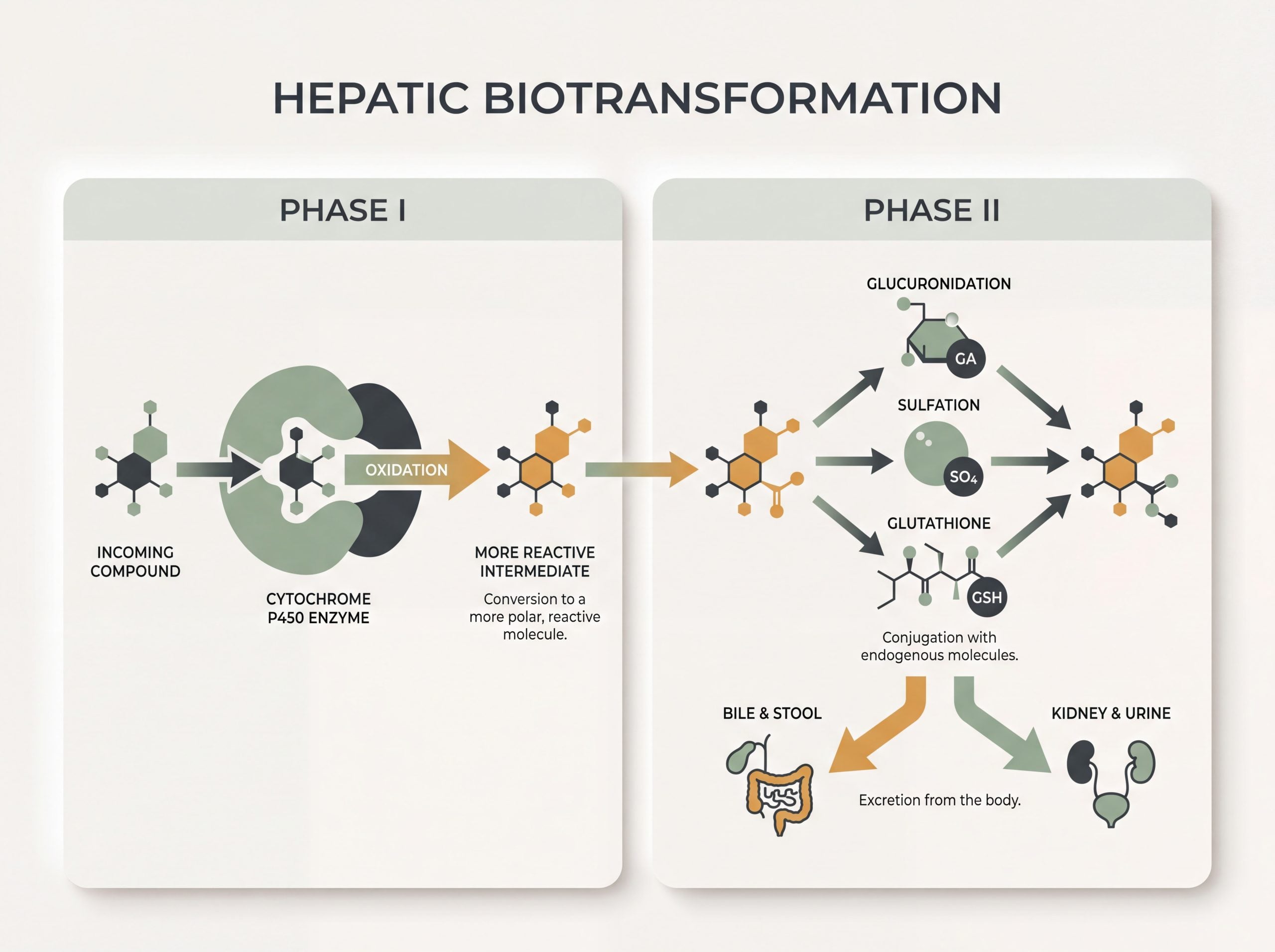
Hepatic clearance runs in two linked stages, and understanding them explains why the flush model fails. In Phase I, cytochrome P450 enzymes oxidize, reduce, or hydrolyze a compound. This step often makes the molecule more chemically reactive, not less. In Phase II, the liver conjugates that intermediate with a water-soluble partner through glucuronidation, sulfation, acetylation, methylation, or glutathione conjugation. The conjugated product is water-soluble and leaves the body through bile into the stool or through the kidneys into urine.
Two implications follow. First, nothing sits in storage waiting to be released. The pathway runs continuously. Second, Phase I and Phase II need to stay balanced. Pushing Phase I hard without matching Phase II capacity leaves reactive intermediates circulating, which is the opposite of the intended outcome. This is also the mechanism behind most herb and drug interactions. When an herb inhibits or induces a cytochrome P450 enzyme, it changes how fast a prescription drug processed by that same enzyme leaves the body. Milk thistle and the CYP2C9 substrate diazepam are a documented example.
| Organ system | Herbs | Documented mechanism | Evidence level |
|---|---|---|---|
| Liver | Milk thistle (Silybum marianum), dandelion root (Taraxacum officinale), turmeric (Curcuma longa), artichoke (Cynara scolymus) | Choleretic bile stimulation, antioxidant activity, hepatocyte membrane stabilization | Clinical, silymarin strongest at 26 RCTs |
| Kidney and urinary | Cranberry (Vaccinium macrocarpon), nettle (Urtica dioica), dandelion leaf, hibiscus (Hibiscus sabdariffa) | Mild diuresis increasing urine volume, proanthocyanidin anti-adhesion activity | Clinical for cranberry at 50 trials, pilot-level for dandelion |
| Lymphatic | Cleavers (Galium aparine), red clover (Trifolium pratense), calendula (Calendula officinalis), red root (Ceanothus americanus) | Traditional lymphatic tonic use, fluid movement support | Traditional use, limited clinical data |
| Digestive | Ginger (Zingiber officinale), burdock (Arctium lappa), artichoke | Digestive enzyme activity, gut motility, bitter-stimulated bile release | Clinical for ginger, preclinical for burdock |
| Skin | Burdock, red clover, calendula, sarsaparilla | Traditional alterative classification in Western herbalism | Traditional use |
| Evidence levels reflect the strongest available human data as of August 2026. Traditional use indicates documented historical application without controlled clinical confirmation. | |||
Which herbs have the best evidence for liver support?
The liver filters blood, processes nutrients, and runs the two-phase biotransformation described above. Five herbs appear most often in both traditional practice and the clinical literature, and their evidence quality varies considerably.
Milk Thistle (Silybum marianum)
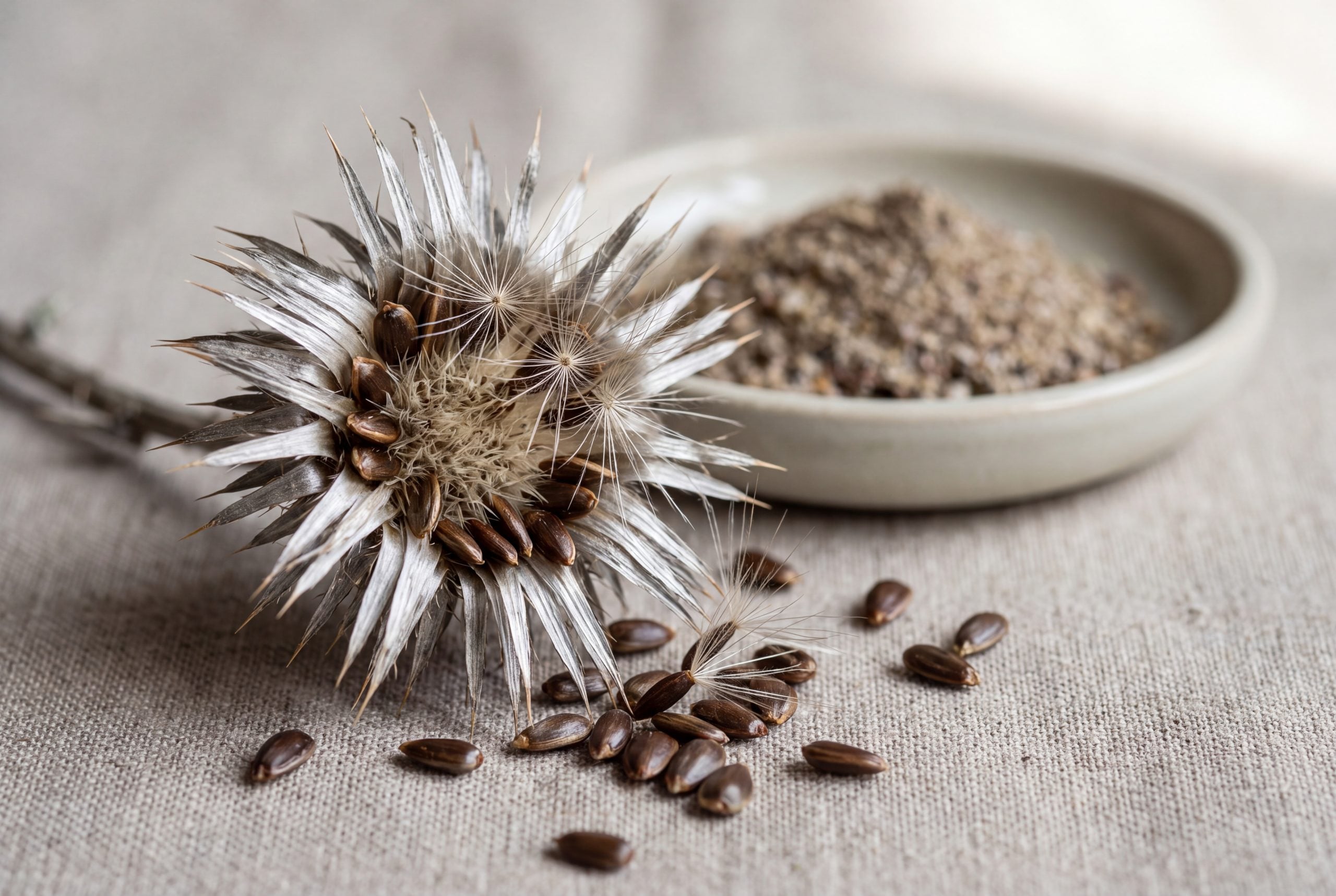
Milk thistle is the best-studied herb in this category. Its active fraction is silymarin, a group of flavonolignans including silibinin, silidianin, and silicristin, typically standardized to 70 to 80 percent silymarin in commercial extracts. Clinical trials have used doses ranging from 140 to 420 mg of standardized silymarin daily, usually divided across two or three doses. According to PubMed, a systematic review of 26 randomized controlled trials involving 2,375 patients reported reduced ALT and AST alongside improved hepatic steatosis on histology (Li et al. 2023, Annals of Hepatology, PMID: 38579127).
How silymarin works:
- Antioxidant activity: Silymarin scavenges free radicals, reducing oxidative stress on liver cells.
- Inflammatory modulation: Silymarin influences the production of inflammatory cytokines, including TNF-alpha, and affects NF-kappa-B activation.
- Cell membrane stabilization: Silymarin appears to strengthen hepatocyte membranes.
- Protein synthesis: Silymarin has been shown to stimulate protein synthesis associated with liver cell regeneration.
A second meta-analysis of five randomized trials in 1,198 patients found silymarin reduced the incidence of drug-induced liver injury during antituberculosis therapy at week four, with a risk ratio of 0.33 (Tao et al. 2019, Canadian Journal of Gastroenterology and Hepatology, PMID: 30733935). Clinical evidence for milk thistle remains mixed across the wider literature, largely because of variation in study design, dose, and silymarin formulation. Our editorial team treats standardization percentage as the first thing to check on any milk thistle label, since an unstandardized seed powder and an 80 percent silymarin extract are not interchangeable at the same milligram count.
Dandelion (Taraxacum officinale)
Dandelion is used traditionally to support both liver and kidney function. It supports digestion and normal bile flow while supporting healthy urinary output. The diuretic reputation has some human backing. A pilot clinical trial in 17 volunteers found that a fresh leaf hydroethanolic extract significantly increased urination frequency in the five hours after the first dose and increased the excretion ratio after the second dose, though the third dose changed nothing measurable (Clare et al. 2009, Journal of Alternative and Complementary Medicine, PMID: 19678785).
Dandelion actions:
- Diuretic effect: Dandelion leaf supports increased urine production, supporting the kidneys in normal waste elimination.
- Bile production: Dandelion root stimulates bile production, a choleretic effect that supports digestion and normal waste processing.
- Antioxidant activity: Dandelion contains compounds that reduce oxidative stress markers.
- Blood sugar and cholesterol: Research here remains primarily in animal models. Human studies are needed before any conclusion is drawn.
Turmeric (Curcuma longa)
Turmeric’s active compound, curcumin, has antioxidant and inflammation-modulating properties and stimulates bile production. Its practical problem is absorption. Curcumin taken alone produces serum levels that are often undetectable in humans. Co-administration with piperine from black pepper changed that dramatically in one crossover study, increasing curcumin bioavailability by roughly 2000 percent at a 2 g curcumin plus 20 mg piperine dose (Shoba et al. 1998, Planta Medica, PMID: 9619120). This is why the traditional preparation pairs turmeric with black pepper, and why we consider a pepper or lipid pairing non-optional in practice.
Curcumin’s effects:
- Inflammatory modulation: Curcumin influences inflammatory pathways at the cellular level, affecting enzymes and cytokines involved in the inflammatory response.
- Bile stimulation: Like dandelion and artichoke, curcumin stimulates bile production.
- Antioxidant action: Curcumin neutralizes free radicals.
Artichoke (Cynara scolymus)
Artichoke leaf is a classic bitter. Its cynarin content stimulates bile production much as dandelion and turmeric do, and bitter compounds on the tongue trigger a reflex increase in digestive secretion before the plant is even absorbed. Artichoke leaf is one of the herbs that appears in current metabolic liver research alongside silymarin and curcumin.
Burdock (Arctium lappa)
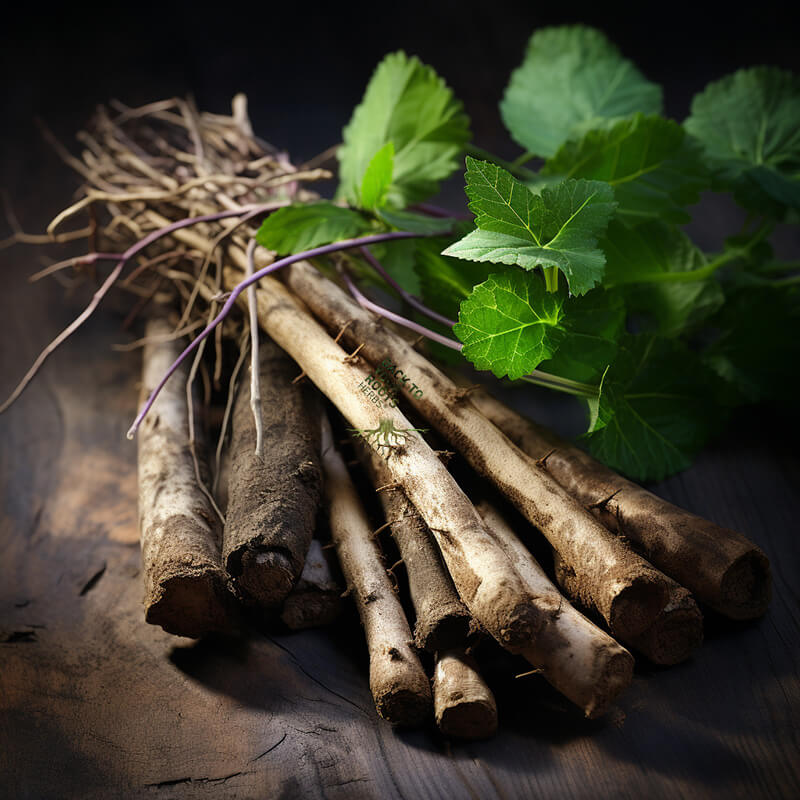
Burdock root is classified in Western herbalism as an alterative, a traditional category for plants used to support the body’s normal clearance pathways over time rather than to produce an acute effect. It is used traditionally to support skin health and normal elimination. Its inulin content also feeds gut bacteria, which is a plausible mechanism for the digestive effects herbalists have long attributed to it. Human clinical data on burdock remains limited, and we present it here as a traditional-use herb rather than an evidence-backed one.
Herbs studied in metabolic fatty liver research (MASLD)
Current research in metabolic dysfunction-associated steatotic liver disease, previously called non-alcoholic fatty liver disease, has examined several herbs that appear elsewhere on this page. Artichoke leaf, curcumin, green tea, and silymarin all feature in this literature, alongside flaxseed. The silymarin data is the strongest of the group. This overlap is worth noting because it is the clearest signal available about which of these plants have drawn serious clinical attention. It is not a treatment recommendation. Anyone with a diagnosed liver condition should be working with a hepatologist, and herbs in that context are a conversation to have with that clinician rather than a self-directed decision.
What herbs help support the kidneys and urinary tract?
The kidneys filter waste from the blood and maintain fluid and electrolyte balance. Herbs used in this category work mainly through mild diuresis, meaning increased urine volume, or through direct effects on the urinary tract lining. Increased urine output is not the same as increased toxin removal, and the distinction matters.
Cranberry (Vaccinium macrocarpon)
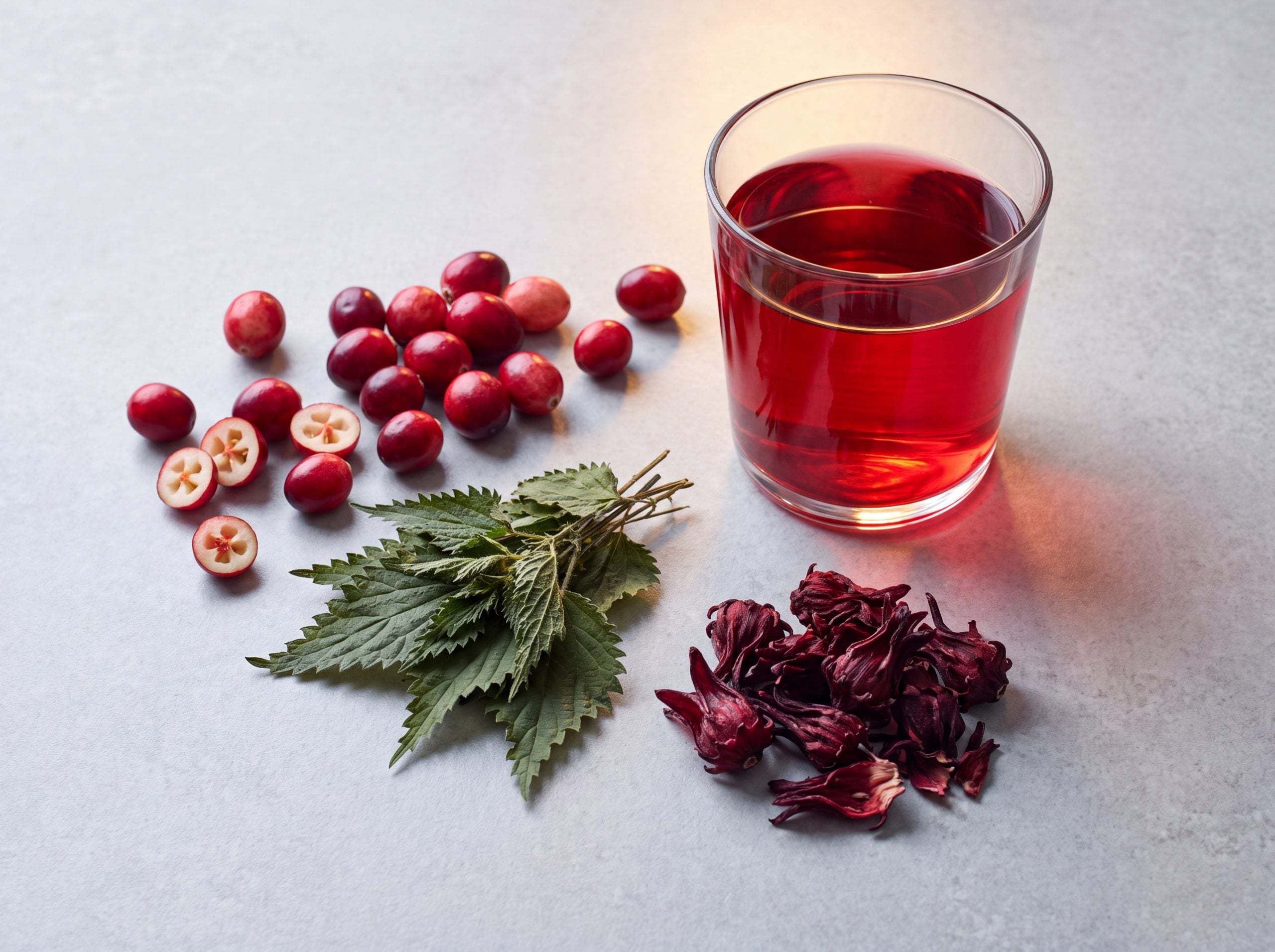
Cranberry is the most rigorously studied herb on this page, and its evidence is instructive precisely because it is nuanced. Cranberry proanthocyanidins inhibit the adherence of p-fimbriated Escherichia coli to the cells lining the bladder. A Cochrane systematic review of 50 randomized trials covering 8,857 participants found cranberry products reduced the risk of symptomatic, culture-verified urinary tract infections overall, with a risk ratio of 0.70 (Williams et al. 2023, Cochrane Database of Systematic Reviews, PMID: 37947276).
The population detail is the part most articles omit. That same review found the benefit held in women with recurrent infections, in children, and in people made susceptible by a medical intervention, but showed little or no benefit in elderly institutionalized adults, in pregnant women, or in adults with incomplete bladder emptying. An herb that works well for one group and not another is normal. Presenting it as universally effective is what fails the reader.
Uva Ursi (Arctostaphylos uva-ursi)
Uva ursi has a long history in Western herbalism for supporting urinary tract health. Its arbutin content is converted in the body to hydroquinone, which is the basis of its traditional use. Uva ursi is not a long-term herb. Traditional practice limits use to short courses, generally no more than a week or two at a time, and it is not appropriate during pregnancy or for people with kidney disease.
Nettle (Urtica dioica)
Nettle leaf is nutrient dense, carrying meaningful amounts of iron, calcium, and vitamin K, and acts as a mild diuretic supporting normal urine output. In our sourcing experience, nettle is one of the herbs where harvest timing shows up clearly in the finished material. Leaf harvested before flowering has a noticeably deeper green and a cleaner, less hay-like aroma than late-season leaf.
Hibiscus (Hibiscus sabdariffa)
Hibiscus calyces act as a mild diuretic supporting normal urine flow. The anthocyanins responsible for the deep red color are also the source of its antioxidant activity, and they are heat- and pH-sensitive, which is why a hibiscus infusion brewed too hot loses both color and character.
What herbs unclog the lymphatic system?
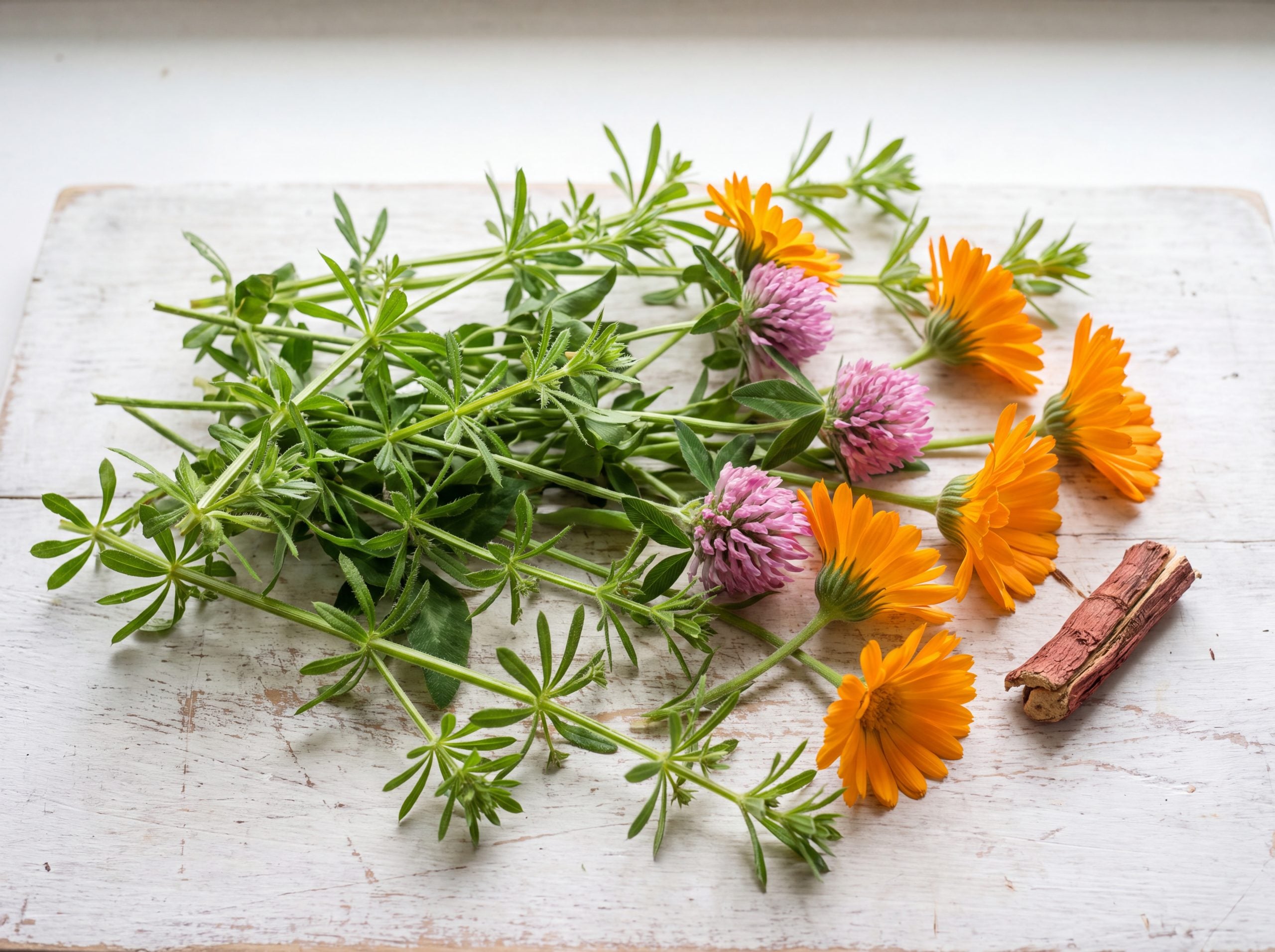
The most commonly used lymphatic herbs in Western herbalism are cleavers, red clover, calendula, red root, and astragalus. Each is used traditionally to support lymphatic flow and fluid balance rather than to clear a blockage. Unlike the circulatory system, the lymphatic network has no central pump. It depends on skeletal muscle contraction, breathing, and body movement to keep lymph fluid circulating, which means physical activity does more for lymphatic flow than any herb.
- Cleavers (Galium aparine) is the classic Western lymphatic tonic, used traditionally for swollen glands and best prepared as a cold infusion or fresh tincture, since its constituents degrade with heat.
- Red clover (Trifolium pratense) is used traditionally to support lymphatic flow, with caution warranted for anyone with hormone-sensitive conditions due to its isoflavone content.
- Calendula (Calendula officinalis) is used traditionally to support lymphatic tissue and is often combined with other lymphatic herbs rather than used alone.
- Red root (Ceanothus americanus) is used traditionally to support lymph node function and fluid balance, and appears frequently in North American herbal practice.
- Astragalus (Astragalus membranaceus) is a Traditional Chinese Medicine tonic herb used to support immune function and lymphatic health.
Cleavers (Galium aparine)
Cleavers is considered the primary lymphatic tonic in Western herbal practice, used traditionally for swollen glands and sluggish lymphatic flow. It is a delicate plant and preparation matters. Heat degrades its active constituents, so cold infusion or fresh plant tincture preserves more of what makes it useful than a boiled tea does.
Red Clover (Trifolium pratense)
Red clover is used traditionally to support lymphatic flow and healthy skin. It contains isoflavones with weak estrogenic activity, which is why anyone with a hormone-sensitive condition should discuss it with their healthcare provider before use.
Calendula (Calendula officinalis)
Calendula supports lymphatic tissue in traditional practice and is used both internally as an infusion and externally. It is most often combined with other lymph-supporting herbs rather than taken alone.
Red Root (Ceanothus americanus)
Red root is a North American herb used traditionally to support lymph node function and fluid balance in the tissues. It appears in classical Eclectic herbal literature and remains common in contemporary Western practice. Human clinical data is essentially absent, so this is a traditional-use herb.
Poke Root (Phytolacca decandra)
Poke root is a potent herb used in traditional practice for deep lymphatic conditions. It is genuinely toxic at higher doses. Poke root should only be used under the direct guidance of a qualified herbalist or healthcare professional, and we would not recommend it for self-directed use under any circumstances.
Echinacea (Echinacea purpurea)
Echinacea is used traditionally to support immune function and lymphatic clearance. People with autoimmune disorders and anyone taking immunosuppressant medication should avoid it, since its immune-stimulating activity works directly against those treatments.
Mullein (Verbascum thapsus)
Mullein leaf is used traditionally as a lymphatic decongestant and for respiratory support. It is the herb most associated with lung-focused traditional formulas.
Astragalus (Astragalus membranaceus)
Astragalus, or huang qi, is a foundational tonic herb in Traditional Chinese Medicine, where it is classified as a qi tonic used to support immune function and overall vitality. It supports lymphatic and immune tissue in traditional practice and is typically used over longer periods rather than acutely.
Herbs with additional detoxifying properties
Several herbs support clearance pathways that do not fit neatly into a single organ category, working through digestion, antioxidant activity, or specific binding behavior.
Ginger (Zingiber officinale)
Ginger supports digestion and helps with nausea, and its gingerols and shogaols provide antioxidant and inflammation-modulating activity.
Ginger’s actions:
- Digestive stimulation: Ginger increases digestive enzyme activity and supports normal gut motility.
- Antioxidant activity: Gingerols and shogaols provide the protective effects.
- Nausea support: Useful for anyone adjusting to a new herbal routine.
Green Tea (Camellia sinensis)
Green tea is rich in catechins, particularly epigallocatechin gallate, and supports liver function and normal fat metabolism. It appears alongside silymarin and curcumin in current metabolic liver research. Green tea extract at high concentrated doses has been associated with liver injury in rare cases, which is a useful reminder that concentrated extract and brewed tea are not the same exposure.
Cilantro (Coriandrum sativum) and heavy metals
Cilantro is widely described as a heavy metal binder, and the honest answer is that the evidence is animal-only. In one study, administration of Coriandrum sativum to mice exposed to lead acetate significantly decreased lead deposition in the femur and reduced lead-induced kidney injury, with the authors attributing the effect to chelation by compounds in the plant (Aga et al. 2001, Journal of Ethnopharmacology, PMID: 11535365). A later rat study reported that coriander extract reduced blood and tissue lead levels and reversed markers of oxidative stress (Mustafa 2021, Avicenna Journal of Phytomedicine, PMID: 34804896).
Those are rodent studies. No controlled human trial has demonstrated that culinary or supplemental cilantro meaningfully reduces heavy metal burden in people. Genuine heavy metal toxicity is a medical diagnosis requiring supervised chelation therapy. Cilantro is a worthwhile food and an interesting research subject. It is not a treatment for metal exposure.
Neem (Azadirachta indica)
Neem is a central herb in Ayurvedic tradition, where it is classified as a bitter used to support skin health and normal clearance. It carries antimicrobial and inflammation-modulating properties. Neem is not appropriate during pregnancy.
Tulsi (Ocimum tenuiflorum)
Tulsi, or holy basil, is considered sacred in Indian tradition and is classified in Ayurveda as a rasayana, a rejuvenative tonic. It is used traditionally to support immune function and a healthy stress response. Alongside neem, triphala, and manjistha, tulsi represents the Ayurvedic contribution to this category, which approaches clearance through digestive fire and tissue nourishment rather than through flushing.
Wheatgrass (Triticum aestivum)
Wheatgrass is nutrient dense, supplying chlorophyll, vitamins, and minerals. Most of its documented benefit is nutritional rather than mechanistic.
Sage (Salvia officinalis)
Sage carries antioxidant activity from its rosmarinic acid and carnosic acid content and has a long history in Mediterranean herbal practice.
How to incorporate detoxifying herbs into your daily routine
Using these herbs well is mostly a matter of consistency and sensible preparation. Below are the practical formats our team uses and recommends.
Start with tea
Brewing herbal tea is the simplest entry point. Teas made from dandelion, ginger, or green tea leaves are hydrating and easy to build a habit around.
Specific tea blends:
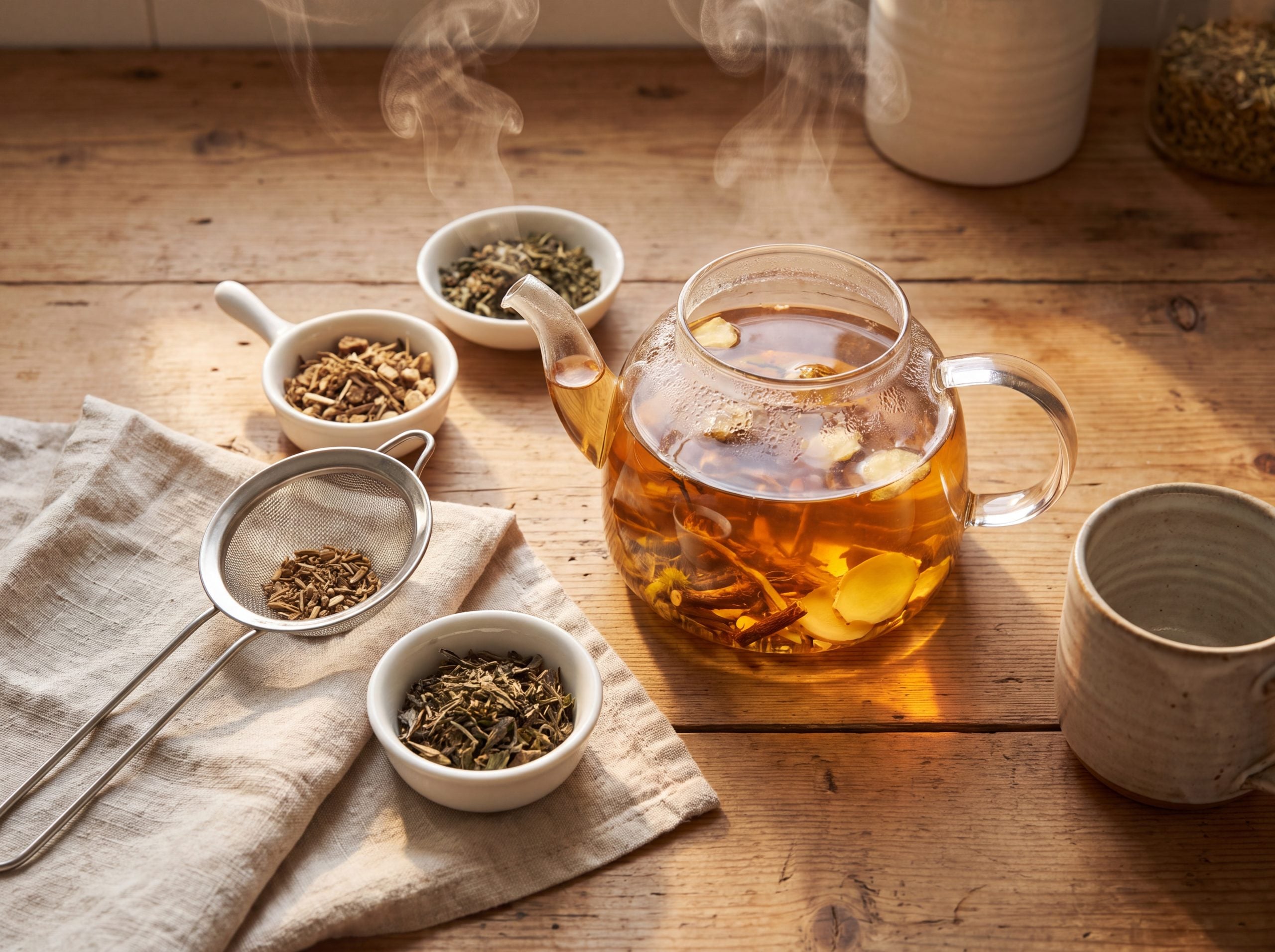
- Simple support tea: Combine 1 tsp dried dandelion root, 1/2 tsp grated ginger, and a slice of lemon in hot water. Steep 10 to 15 minutes.
- Lymphatic support tea: Combine 2 tsp calendula, 2 tsp red clover, 1 tsp cleavers, and 1 tsp spearmint. Infuse 1 tsp of the mixture in hot water. Up to 3 cups per day.
- Turmeric-ginger tea: Simmer 1 inch of sliced ginger and 1 tsp ground turmeric for 10 to 15 minutes. Add a pinch of black pepper to support curcumin absorption, plus lemon to taste.
- Green tea infusion: Steep green tea with fresh mint for 3 to 5 minutes. Water below boiling preserves the catechins.
- Hibiscus tea: Steep dried hibiscus calyces in hot water for a tart, deep red infusion.
Cooking with herbs
Turmeric and ginger work well in soups, rice dishes, curries, stir-fries, and dressings. Culinary use delivers modest amounts consistently, which suits herbs whose benefit accrues over time.
Smoothies and juices
A pinch of turmeric or ginger, or a measured scoop of wheatgrass powder, blends into a morning smoothie without much effect on flavor.
Herbal supplements
Supplements offer precise dosing where diet alone is impractical. Choose high-quality, third-party-tested products and speak with a healthcare provider before starting a new regimen. Formats include:
- Tinctures: Concentrated liquid extracts, usually alcohol-based with glycerin options available. Longer shelf life and typically more concentrated than teas.
- Capsules: Convenient and precisely dosed, suited to bitter herbs that are unpleasant as tea.
- Powders: Flexible for smoothies, juices, and food, and generally the most economical format per gram.
Herbal baths
Herbs or Epsom salts infused with essential oils make a relaxing bath. The benefit here is muscular relaxation and stress reduction rather than clearance through the skin, which is not a meaningful route of elimination.
Aromatic use
Essential oils derived from these herbs are used aromatically in diffusers. Essential oils are generally not for internal consumption.
How long do detoxifying herbs take to work?
It depends entirely on the mechanism. Bitter herbs such as dandelion root, artichoke, and burdock produce a digestive response within minutes, since bitter receptors on the tongue trigger secretion reflexively. Diuretic herbs such as dandelion leaf and nettle change urine output within hours, and the pilot trial on dandelion leaf measured a significant change in the five hours after the first dose. Effects that show up on laboratory markers operate on a much longer timeline. The silymarin trials measuring ALT and AST changes generally ran 8 to 24 weeks. Anyone expecting a measurable liver enzyme shift inside a week is working from the wrong model.
Safety, side effects, and who should avoid detoxifying herbs
Natural does not mean safe for everyone. In this category specifically, the meaningful risk is not the herb in isolation but the herb combined with a prescription medication, which is a direct consequence of the cytochrome P450 mechanism described earlier.
Consultation with a healthcare professional
Speak with a qualified healthcare provider before adding any of these herbs to your routine, particularly if you are pregnant, breastfeeding, managing a health condition, or taking prescription medication. This is the single most useful safety step available.
Quality of herbs and third-party testing
Quality matters more in this category than in almost any other, and the reason is specific. Herbs marketed for clearance are frequently root and leaf material grown in soil, and roots concentrate what the soil contains. Heavy metals, pesticide residues, and microbial contamination are real risks in poorly sourced botanical material. An herb sold to support your clearance pathways while adding contaminant load is working against itself.
Dietary supplements in the United States are not reviewed for safety or effectiveness by the FDA before they reach the market. Manufacturers are responsible for their own quality, which makes verification the buyer’s job. What we look for, and what our team applies to material entering our own facility, is third-party testing for heavy metals, pesticides, and microbial contamination, manufacturing in a cGMP-compliant facility, botanical identity verification confirming the Latin binomial matches the label, and a certificate of analysis available on request. Sensory analysis matters too. Correctly dried, correctly stored botanical material has a characteristic color and aroma, and material that looks faded or smells flat usually is.
Potential side effects
- Digestive upset: Nausea, loose stools, or cramping can occur. Senna and cascara sagrada have strong laxative activity and warrant real caution.
- Dehydration and electrolyte disruption: This is the most common practical harm. Combining diuretic and laxative herbs, especially in a multi-day cleanse protocol, can cause meaningful fluid loss and electrolyte imbalance. Increase water intake and do not stack multiple diuretic herbs.
- Allergic reactions: Ranging from mild rashes to severe reactions. Anyone with an Asteraceae family allergy should be cautious with dandelion, calendula, echinacea, and milk thistle, all of which belong to that family.
- Liver strain: High-dose concentrated extracts have been associated with liver injury in rare cases, including some green tea extract products. More is not better here.
Interactions with medications
This is the section worth reading twice.
- Blood thinners such as warfarin: Ginger, turmeric, and milk thistle may increase bleeding risk.
- Diabetes medications: Milk thistle and dandelion may affect blood sugar levels, which matters when a dose is already calibrated.
- Diuretics: Dandelion may compound the effect of diuretic medication.
- Immunosuppressants: Echinacea and other immune-stimulating herbs work against these drugs and should be avoided. Milk thistle may interact with sirolimus.
- Pain relievers: High-dose turmeric may affect the activity of some analgesics.
- CYP2C9 substrates: Milk thistle may affect this enzyme and the drugs it processes, including diazepam.
Who should avoid detoxifying herbs?
- Pregnant or nursing women: Most of these herbs lack safety data in pregnancy and lactation. Avoid uva ursi, poke root, neem, and high-dose turmeric. The Cochrane cranberry review found no benefit in pregnancy specifically.
- Children: Adult dosing does not scale down reliably. Pediatric use should be directed by a qualified provider.
- People with liver or kidney disease: Impaired organ function changes how herbs are processed and cleared. This group needs medical supervision, not self-direction.
- People with autoimmune conditions: Immune-stimulating herbs including echinacea and astragalus require caution.
- Anyone scheduled for surgery: Discontinue herbs with anticoagulant activity, including ginger, turmeric, and milk thistle, at least two weeks before a procedure and tell your surgical team what you have been taking.
- People with hormone-sensitive conditions: Red clover and other isoflavone-containing herbs warrant a conversation with your provider first.
Are detox herbs safe to take every day?
It depends on the herb, and the split is fairly clean. Nutritive herbs such as nettle, dandelion leaf, and green tea are used daily over long periods in traditional practice with a good safety record. Potent or strongly acting herbs are a different case. Uva ursi is traditionally limited to short courses of one to two weeks. Poke root is not a self-directed herb at all. Senna and cascara sagrada cause dependency with sustained use and should be occasional at most. Traditional Western practice often cycles alterative herbs, using them for several weeks followed by a break, which is a reasonable default in the absence of specific guidance from a provider.
General guidelines
- Start slowly: Introduce one herb at a time in small amounts. If something causes a reaction, single-herb introduction tells you which one.
- Hydrate: Water intake matters most when using diuretic herbs.
- Listen to your body: Stop any herb that causes an adverse effect.
- Keep expectations calibrated: These herbs support functions that are already working. The goal is support, not rescue.
Frequently asked questions
What herbs are good for detoxification?
The herbs with the most documented support for clearance-related organ function are milk thistle (Silybum marianum) for the liver, dandelion (Taraxacum officinale) for bile flow and urine output, cranberry (Vaccinium macrocarpon) for the urinary tract, and cleavers (Galium aparine) for lymphatic support. Milk thistle carries the strongest clinical evidence of the group.
Which herb is best for cleansing?
Milk thistle has the best clinical evidence base, with a 26-trial meta-analysis of 2,375 patients showing effects on liver enzyme markers. There is no single best cleansing herb, because the herbs act on different organ systems through different mechanisms. Matching the herb to the organ system matters more than finding one universal option.
What is the strongest detox herb?
Poke root (Phytolacca decandra) is the most potent herb discussed here, and that is a warning rather than a recommendation. It is toxic at higher doses and should only be used under professional guidance. For evidence strength rather than potency, milk thistle leads.
Can you really flush toxins out of your body?
No. Your liver, kidneys, lungs, and gut clear metabolic waste continuously, and no herb has been shown to accelerate or replace that process. Healthy bodies do not store a toxin reservoir waiting to be released. Herbs support the function of these organs, which is a real and worthwhile thing, but different from flushing.
What herbs unclog the lymphatic system?
Cleavers, red clover, calendula, red root, and astragalus are the herbs used traditionally to support lymphatic flow. Nothing is actually clogged in a healthy lymphatic system. Since the network has no pump and depends on muscle movement and breathing, physical activity does more for lymphatic circulation than any herb.
Are detox herbs safe to take every day?
Nutritive herbs such as nettle, dandelion leaf, and green tea have a good safety record with daily use. Potent herbs including uva ursi, poke root, senna, and cascara sagrada are not suitable for daily use and should be limited to short courses or avoided entirely without professional guidance.
What herbs help support kidney and liver function?
For liver support, milk thistle, dandelion root, turmeric, and artichoke have the most documented mechanisms. For kidney and urinary support, cranberry, nettle, dandelion leaf, and hibiscus are most commonly used. Support is the accurate word. No herb repairs organ damage, and anyone with diagnosed liver or kidney disease should be working with a physician.
How long does it take for herbal detox to work?
Bitter herbs produce a digestive response within minutes. Diuretic herbs change urine output within hours, with one dandelion leaf trial measuring the change in the five hours after the first dose. Effects on laboratory markers such as liver enzymes appear over 8 to 24 weeks in the clinical trials that measured them.
Related reading
Continue with our related articles on herbs for lung support, the evidence behind pancreas cleanse claims, and lymphatic cleanse formulations.
Important: This article is for educational and informational purposes. The statements have not been evaluated by the Food and Drug Administration. The herbs and herbal products discussed are not intended to diagnose, treat, cure, or prevent any disease. Speak with a qualified healthcare provider before starting any new herbal regimen, especially if you are pregnant, nursing, taking medication, or managing a health condition.