Key Takeaways
- Your stomach, liver, kidneys, and intestinal lining already carry out detoxification continuously. Herbs support those existing pathways rather than replacing them.
- Ginger (Zingiber officinale) is the most measurably prokinetic culinary herb. In a double-blind trial, it cut gastric half-emptying time from 26.7 minutes to 13.1 minutes.
- Bitter herbs such as gentian, barberry root and dandelion act through bitter taste receptors located in the stomach and intestines as well as on the tongue.
- Demulcent herbs including slippery elm, marshmallow root and deglycyrrhizinated licorice work by physical coating, which is why they can delay absorption of medication taken at the same time.
- We do not recommend stimulant laxative cleanses built on senna or cascara sagrada. Bulk-forming fiber is the more predictable choice for regularity.
Herbs to cleanse stomach searches usually start from a real symptom. Bloating after meals. A heaviness that sits for hours. Gas that arrives on a schedule. The results that follow tend to split into two unhelpful camps: aggressive detox protocols promising to flush toxins out of you, and clinical pages that dismiss the entire question.
Neither camp is being straight with you.
Here is the position our editorial team has arrived at after several years of sourcing digestive botanicals and reading the clinical literature on them. The body does not need rescuing from toxins by a herbal protocol. It is also not true that herbs do nothing. Specific botanicals have measurable, documented effects on gastric emptying rate, smooth muscle tone, gastric secretion, and the comfort of the stomach lining. Those effects are worth understanding precisely, which is what this guide sets out to do.
We rewrote this article from the ground up in August 2026. The previous version framed herbal cleansing around toxin elimination. That framing was not supported by the evidence, and we have replaced it. What follows names each herb by its Latin binomial, identifies the active constituent doing the work, cites the primary research where it exists, and says plainly where the evidence is thin.
Does Your Stomach Actually Need a Cleanse?
No. The stomach, liver, kidneys, and intestinal lining perform detoxification continuously and without external prompting, and no commercial flush protocol is required to make that happen. What herbs can do is support the specific mechanical and secretory functions that make digestion comfortable: gastric emptying rate, bile flow, smooth muscle tone and mucosal protection. That distinction is the difference between a claim that holds up and one that does not.
The National Center for Complementary and Integrative Health has been direct on this point in its published material on natural products marketed for disease prevention and wellness. There is no credible evidence that a herbal protocol removes a category of substance the body cannot already process. In our sourcing experience, the brands making the loudest toxin-elimination claims are also the ones least able to tell you what is actually in the capsule.
What Herbal Cleansing Actually Means
Used honestly, the phrase describes a short period of eating simply while taking specific botanicals that support digestive function. The stomach is not being scrubbed. Gastric transit may become more regular, gas production may fall, and the lining may be less reactive. Those are real outcomes with plausible mechanisms behind them, and they are more modest than the marketing suggests.
Detoxification and Cleansing Are Not the Same Word
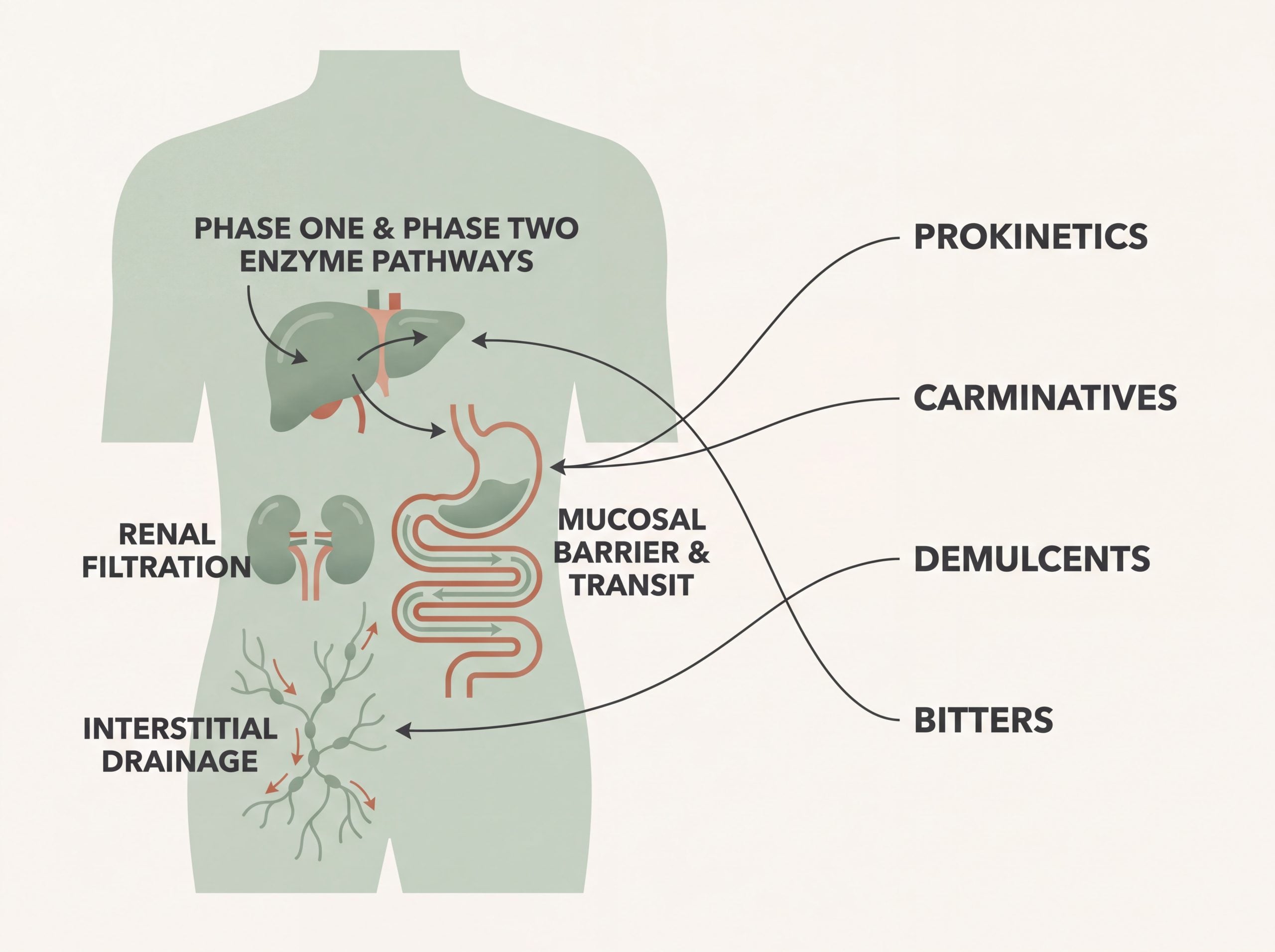
Detoxification is the continuous biochemical work your organs already perform: hepatic phase one and phase two enzyme pathways, renal filtration, intestinal barrier function. Cleansing, as the word gets used in herbal practice, is a short-term dietary and botanical intervention meant to support those pathways. Conflating the two produces the misleading marketing. Keeping them separate lets you evaluate a product honestly.
Which Herbs Are Best for Cleansing the Stomach?
The most useful herbs for stomach support fall into four functional groups: prokinetics that move gastric contents along, carminatives that reduce gas and spasm, demulcents that coat and protect the lining, and bitters that stimulate secretion before a meal. Matching the group to your actual symptom matters more than picking the herb with the best reputation.
What follows covers each group with the active compound named. The full comparison table sits at the end of this section.
Ginger (Zingiber officinale)
Ginger is the whole rhizome of Zingiber officinale, and it is the most measurably prokinetic culinary herb available. Its gingerols and shogaols stimulate antral contractions and accelerate gastric emptying. In a randomized double-blind trial of 24 healthy volunteers, 1,200 mg of ginger reduced gastric half-emptying time to 13.1 minutes compared with 26.7 minutes on placebo, and increased the frequency of antral contractions (Wu et al. 2008, European Journal of Gastroenterology and Hepatology, PMID: 18403946).
A follow-up study in patients with functional dyspepsia found the same directional effect, with half-emptying at 12.3 minutes versus 16.1 minutes on placebo, though it found no accompanying change in reported symptoms (Hu et al. 2011, World Journal of Gastroenterology, PMID: 21218090). That is an honest result worth stating. Ginger reliably moves the stomach faster, and faster is not automatically the same as feeling better. If your discomfort comes from food sitting too long, ginger addresses the mechanism directly.
Peppermint (Mentha x piperita)
Peppermint leaf contains menthol, which relaxes gastrointestinal smooth muscle and reduces spasm. The clinical evidence is stronger here than for most herbs on this list, and so is the caveat. A 2022 systematic review and meta-analysis of 10 randomized controlled trials covering 1,030 patients found peppermint oil superior to placebo for global symptoms of irritable bowel syndrome, with a number needed to treat of 4 (Ingrosso et al. 2022, Alimentary Pharmacology and Therapeutics, PMID: 35942669).
The same analysis found adverse events significantly more frequent on peppermint oil, at a relative risk of 1.57, and identified heartburn as the most commonly reported one. The authors rated the overall quality of evidence as very low. That is the full picture, and it explains a caution we give often. The same smooth-muscle relaxation that eases intestinal spasm also relaxes the lower oesophageal sphincter. If reflux is your main complaint, peppermint is the wrong first choice.
Chamomile (Matricaria chamomilla)
Chamomile flower is the dried bloom of Matricaria chamomilla, traditionally used in Western herbalism to support the comfort of an irritated stomach lining and to settle stress-linked digestive upset. Its apigenin and bisabolol content is the characterised basis for that traditional use, and its long history as an evening tea reflects the mild sedative reputation of apigenin.
People sensitive to the Asteraceae family, which includes ragweed, marigold and daisy, should approach chamomile carefully. In our experience, it is the single most commonly tolerated herb on this list, which is why we suggest it first for anyone whose stomach reacts to everything.
Fennel (Foeniculum vulgare)
Fennel seed is a carminative, meaning it reduces the retention of intestinal gas. Anethole, its dominant volatile compound, has antispasmodic activity that eases the cramping component of bloating. Fennel is the herb we reach for when the complaint is specifically trapped gas rather than heaviness or reflux. It is well tolerated and traditionally taken as a simple seed tea after meals across Mediterranean, Indian and Middle Eastern food cultures.
Demulcents: Slippery Elm, Marshmallow Root and DGL Licorice
Demulcent herbs work by physical mechanism rather than pharmacology. Slippery elm (Ulmus rubra) and marshmallow root (Althaea officinalis) are rich in mucilage, a polysaccharide gel that hydrates into a coating across mucous membranes. Deglycyrrhizinated licorice, made from Glycyrrhiza glabra with the glycyrrhizin removed, is traditionally used to support the stomach’s own protective mucus layer.
Two practical points follow from that mechanism. A physical coating does not distinguish between an irritant and your medication, so demulcents should be separated from prescriptions by at least two hours. And the deglycyrrhizinated form of licorice exists for a reason. Whole licorice containing glycyrrhizin can raise blood pressure and lower potassium with sustained use. If a product does not specify DGL, assume it is not.
| Herb | Latin binomial | Functional group | Active constituent | Traditional use | Cautions |
|---|---|---|---|---|---|
| Ginger | Zingiber officinale | Prokinetic | Gingerols, shogaols | Supports gastric emptying and settles nausea | High doses may cause mild heartburn. Discuss with your provider if taking anticoagulants. |
| Peppermint | Mentha x piperita | Antispasmodic | Menthol | Supports relief of gas, cramping and bloating | May worsen reflux by relaxing the lower oesophageal sphincter. |
| Fennel | Foeniculum vulgare | Carminative | Anethole | Supports release of trapped gas and eases spasm | Rare allergic reactions. Generally well tolerated. |
| Chamomile | Matricaria chamomilla | Demulcent, calming | Apigenin, bisabolol | Supports comfort of the stomach lining | Avoid with Asteraceae family allergy (ragweed, daisy, marigold). |
| Slippery Elm | Ulmus rubra | Demulcent | Mucilage | Forms a protective coating across the digestive tract | Separate from medication by at least two hours. |
| Marshmallow Root | Althaea officinalis | Demulcent | Mucilage | Soothes and coats mucous membranes | Separate from medication by at least two hours. |
| Licorice (DGL) | Glycyrrhiza glabra | Demulcent | Flavonoids (glycyrrhizin removed) | Supports the stomach’s protective mucus layer | Use DGL only. Whole licorice can raise blood pressure and lower potassium. |
| Turmeric | Curcuma longa | Inflammatory-response support | Curcumin | Traditionally used to support a normal inflammatory response | High doses may cause digestive upset. Discuss with your provider if on blood thinners. |
| Artichoke | Cynara cardunculus | Bitter, choleretic | Cynarin | Supports bile flow and the digestion of fats | May increase gas initially. Avoid with bile duct obstruction. |
| Gentian | Gentiana lutea | Bitter | Gentiopicroside | Classic pre-meal bitter for gastric secretion | Avoid with active gastric or duodenal ulcer. |
| Barberry Root | Berberis vulgaris | Bitter | Berberine | Traditionally used to support bile flow and gut balance | Avoid in pregnancy. Known interactions with several medications. |
| Dandelion Root | Taraxacum officinale | Bitter | Taraxacin, inulin | Traditionally used to support bile secretion | Asteraceae family allergy caution. Mild diuretic effect. |
| Triphala | Terminalia chebula, T. bellirica, Phyllanthus emblica | Ayurvedic tonic | Gallic, chebulagic and chebulinic acids | Traditionally used to support digestive tone and regularity | Start low. Not recommended in pregnancy. |
| Psyllium | Plantago ovata | Bulk-forming fiber | Soluble arabinoxylan fiber | Supports regularity by adding stool bulk and water | Requires generous water intake. Avoid with suspected obstruction. |
| Constituent and caution data compiled by the Back To Your Roots Herbs Editorial Team from primary literature and NCCIH herb safety monographs. Traditional use statements have not been evaluated by the Food and Drug Administration. | |||||
What Are Bitter Herbs and How Do They Support Digestion?
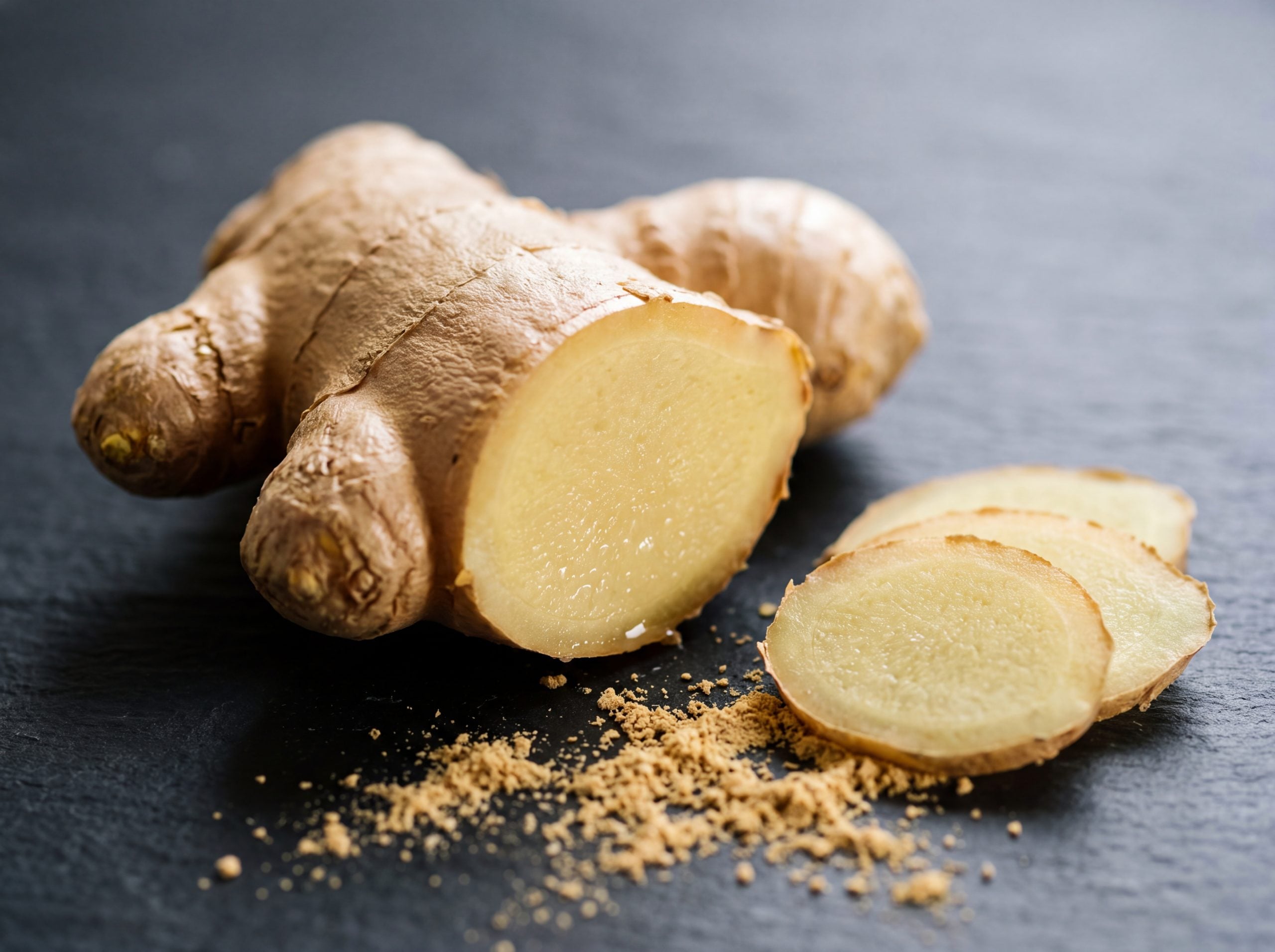
Digestive bitters are botanicals whose bitter compounds activate bitter taste receptors, known as TAS2Rs, which sit throughout the stomach and intestinal lining as well as on the tongue. Activating them before a meal is traditionally associated with increased gastric secretion and bile flow, which is why bitters are taken 10 to 20 minutes before eating rather than after. The classic bitters are gentian, barberry root, dandelion root, and artichoke.
The receptor story is the part most herb pages skip, and it is the part that makes bitters make sense. A 2021 review in the European Journal of Pharmacology documented TAS2R expression in the stomach, intestines, pancreas, thyroid, lungs and skin, and described bitter receptor activation triggering release of glucagon-like peptide-1 and ghrelin in the digestive system (D’Urso and Drago 2021, European Journal of Pharmacology, PMID: 34496302). Animal work has extended this to gastric accommodation, the stomach’s capacity to relax and receive a meal, though that finding is from a guinea pig model and should be read as mechanistic rather than clinical (Harada et al. 2019, Journal of Pharmacology and Experimental Therapeutics, PMID: 30967403).
This is also why the taste matters. Bitters delivered in a capsule bypass the lingual receptors entirely. If you want the full traditional effect, the preparation has to reach your tongue.
The Four Bitters Worth Knowing
Gentian (Gentiana lutea). The reference bitter of European herbalism, and one of the most intensely bitter plants used in food and drink. Its gentiopicroside is measurable in the parts-per-million range and still registers on the palate. Gentian root is the backbone of most traditional bitters formulas. Avoid it with an active gastric or duodenal ulcer, since the whole point of the herb is stimulating acid secretion.
Barberry root (Berberis vulgaris). Barberry carries berberine, a yellow alkaloid shared with Oregon grape root and goldenseal, traditionally used to support bile flow and a balanced gut environment. Berberine has a broader research literature than most bitters. It also has real interaction potential, and it should be avoided in pregnancy.
Dandelion root (Taraxacum officinale). Roasted dandelion root is the most approachable entry point, since it tastes closer to coffee than to medicine. Its taraxacin provides the bitter action and its inulin content is a fermentable fiber. The same Asteraceae caution that applies to chamomile applies here.
Artichoke (Cynara cardunculus). Artichoke leaf is bitter and choleretic, meaning it supports bile production specifically. Its cynarin is the characterised compound. Artichoke has the distinction of appearing in a randomized crossover trial alongside ginger, where the standardized combination reduced post-meal gastric area by 24 percent against placebo in healthy volunteers (Lazzini et al. 2016, European Review for Medical and Pharmacological Sciences, PMID: 26813467).
| Bitter herb | Latin binomial | Bitter compound | Traditional pre-meal use | Bitterness intensity | Primary caution |
|---|---|---|---|---|---|
| Gentian | Gentiana lutea | Gentiopicroside | Taken 10 to 20 minutes before eating to support gastric secretion | Very high | Avoid with active ulcer |
| Barberry Root | Berberis vulgaris | Berberine | Traditionally used to support bile flow and gut balance | High | Avoid in pregnancy. Check medication interactions. |
| Dandelion Root | Taraxacum officinale | Taraxacin | Roasted as a pre-meal or after-meal beverage | Moderate | Asteraceae allergy caution |
| Artichoke | Cynara cardunculus | Cynarin | Taken before fat-containing meals to support bile production | Moderate | Avoid with bile duct obstruction |
| Bitterness intensity reflects the Back To Your Roots Herbs Editorial Team’s sensory assessment of dried root material, not a standardized scale. | |||||
Our barberry root powder and barberry root capsules are the products we point people toward when they want a single bitter to start with, largely because berberine-bearing roots are among the easiest to verify for identity in the lab.
How Do You Take Triphala for Digestion?
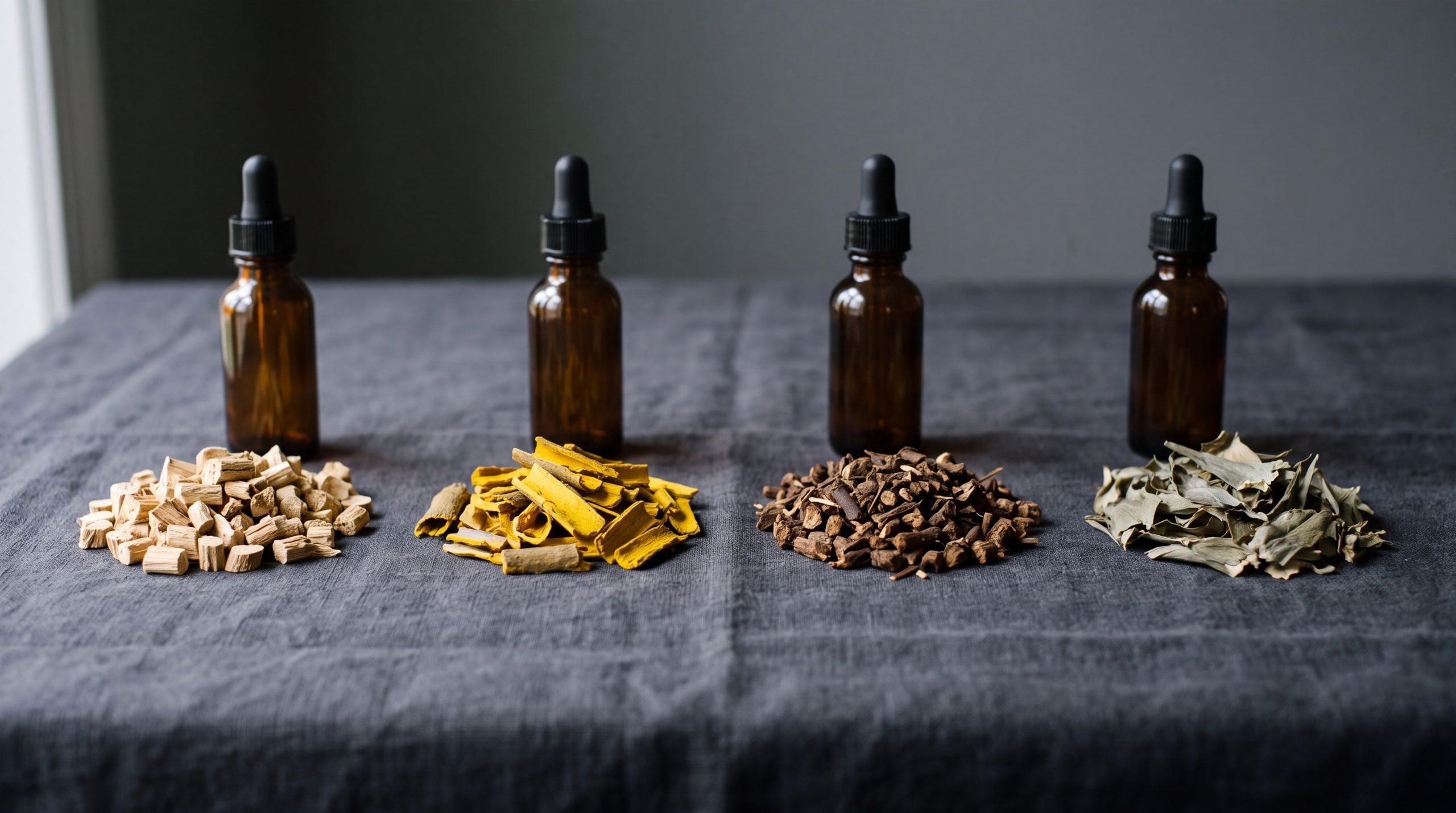
Triphala is the traditional Ayurvedic formulation of three dried fruits in equal parts: haritaki (Terminalia chebula), bibhitaki (Terminalia bellirica) and amalaki (Phyllanthus emblica). It is traditionally taken as a warm-water infusion in the evening to support digestive tone and regularity, and its characterised constituents include gallic, chebulagic and chebulinic acids alongside polyphenols, flavonoids and vitamin C (Tarasiuk et al. 2018, Chinese Medicine, PMID: 30034512).
Clinical work is limited but not absent. A four-week double-blind randomized placebo-controlled pilot study gave 2,000 mg of triphala daily to healthy adults and profiled faecal communities by 16S rRNA sequencing. Responses were highly personalized with no uniformly altered taxa, though both herb groups trended toward a decreased Firmicutes to Bacteroidetes ratio (Peterson et al. 2020, Journal of Alternative and Complementary Medicine, PMID: 32955913). We cite that honestly. It is a pilot study with 31 participants across three arms, and the useful takeaway is the dose and duration rather than a demonstrated outcome.
Traditional Preparation, Step by Step
- Choose the form. Loose powder is the traditional preparation and delivers the bitter taste to the tongue. Capsules are more palatable and skip that step.
- Measure. Traditional practice uses roughly half a teaspoon of powder, which is close to the 2,000 mg used in the pilot study cited above. Start at a quarter teaspoon for the first week.
- Infuse. Stir the powder into four to six ounces of warm water. Let it sit for two to three minutes. It will not fully dissolve, and the sediment is normal.
- Take it in the evening. Traditional use places triphala one to two hours after the evening meal or at bedtime, away from other supplements.
- Give it two weeks. Triphala is used as a tonic rather than an acute remedy. Traditional practice expects a gradual response, not an overnight one.
Triphala is not recommended during pregnancy, and anyone with a diagnosed gastrointestinal condition should talk to their healthcare provider before starting it.
Which Herbs Are Safest for Daily Stomach Support?
The herbs suitable for daily use are the carminatives and demulcents: ginger, fennel, chamomile, marshmallow root, and slippery elm. These act on gas, spasm, and mucosal comfort without forcing a physiological response. Herbs containing stimulant anthraquinones, principally senna and cascara sagrada, are not daily herbs under any circumstance, and the distinction between these two groups is the most useful safety line to hold.
| Group | Examples | Suitable for daily use | Reasoning |
|---|---|---|---|
| Carminatives | Fennel, chamomile, ginger | Yes | Food-grade herbs with long culinary histories and no dependency mechanism |
| Demulcents | Marshmallow root, slippery elm, DGL | Yes, with timing care | Physical coating only. Separate from medication by two hours. |
| Bitters | Gentian, barberry, dandelion, artichoke | Yes, pre-meal | Traditionally used before meals. Not appropriate with active ulcer. |
| Bulk-forming fiber | Psyllium husk | Yes, with adequate water | Works by adding bulk and water. Requires generous fluid intake. |
| Stimulant laxatives | Senna, cascara sagrada | No | Anthraquinones force peristalsis. Short-term occasional use only. |
Are Detox Teas Safe to Drink Every Day?
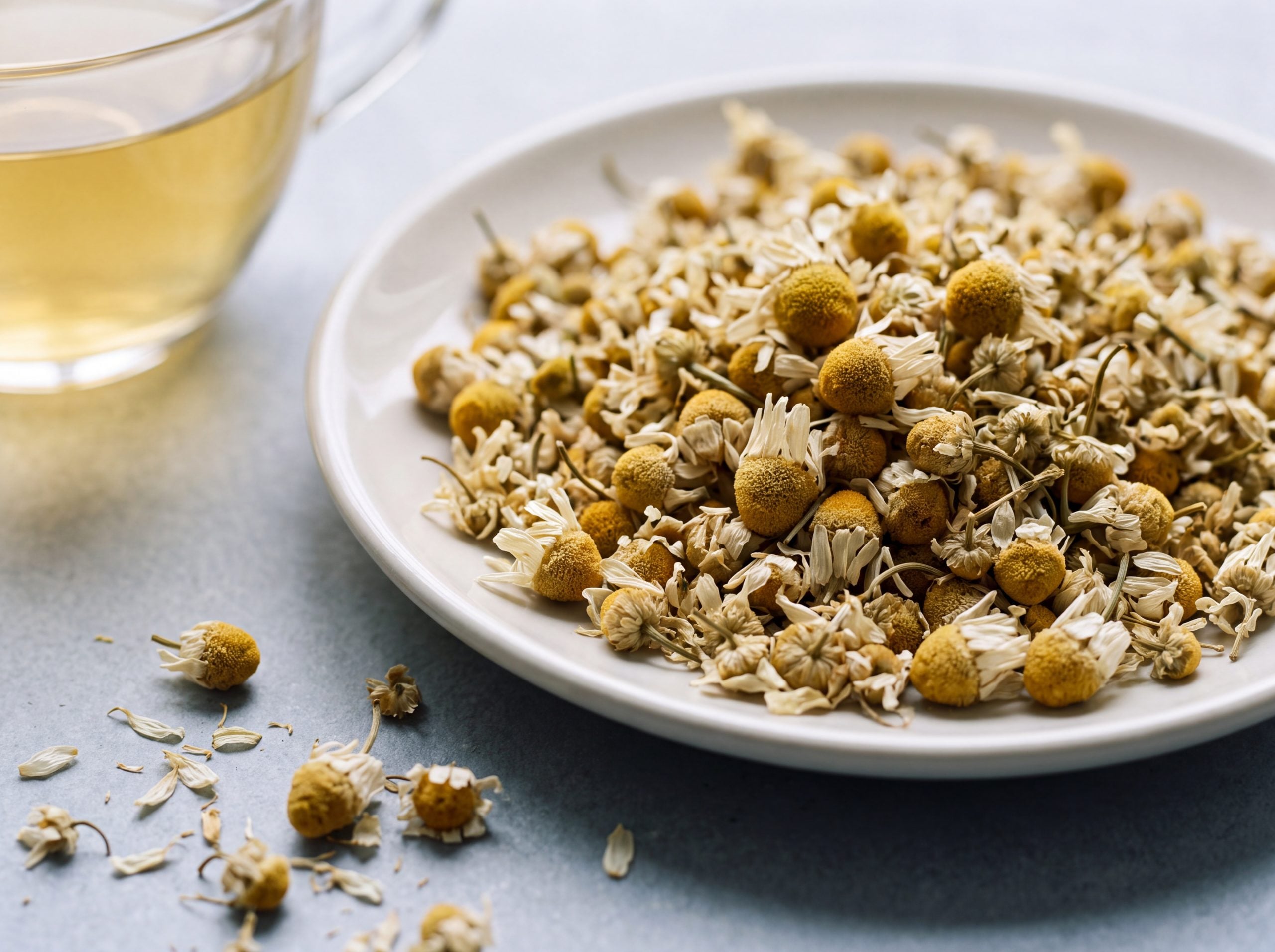
It depends entirely on what is in the bag, and the label rarely makes that easy. A tea built on peppermint, fennel, chamomile, and ginger is a food-grade beverage suitable for daily drinking. A tea marketed for weight loss or overnight cleansing usually contains senna leaf, and that is not a daily product regardless of how gently the packaging describes it.
Read the ingredient panel before the marketing copy. If senna, cascara sagrada, or the phrase “night-time cleanse” appears, treat the product as an occasional stimulant laxative rather than a tea. In our review of products in this category, the senna content is frequently disclosed only in the fine print, and the front of the box speaks about gentle daily support.
Why We Do Not Recommend Stimulant Laxative Cleanses
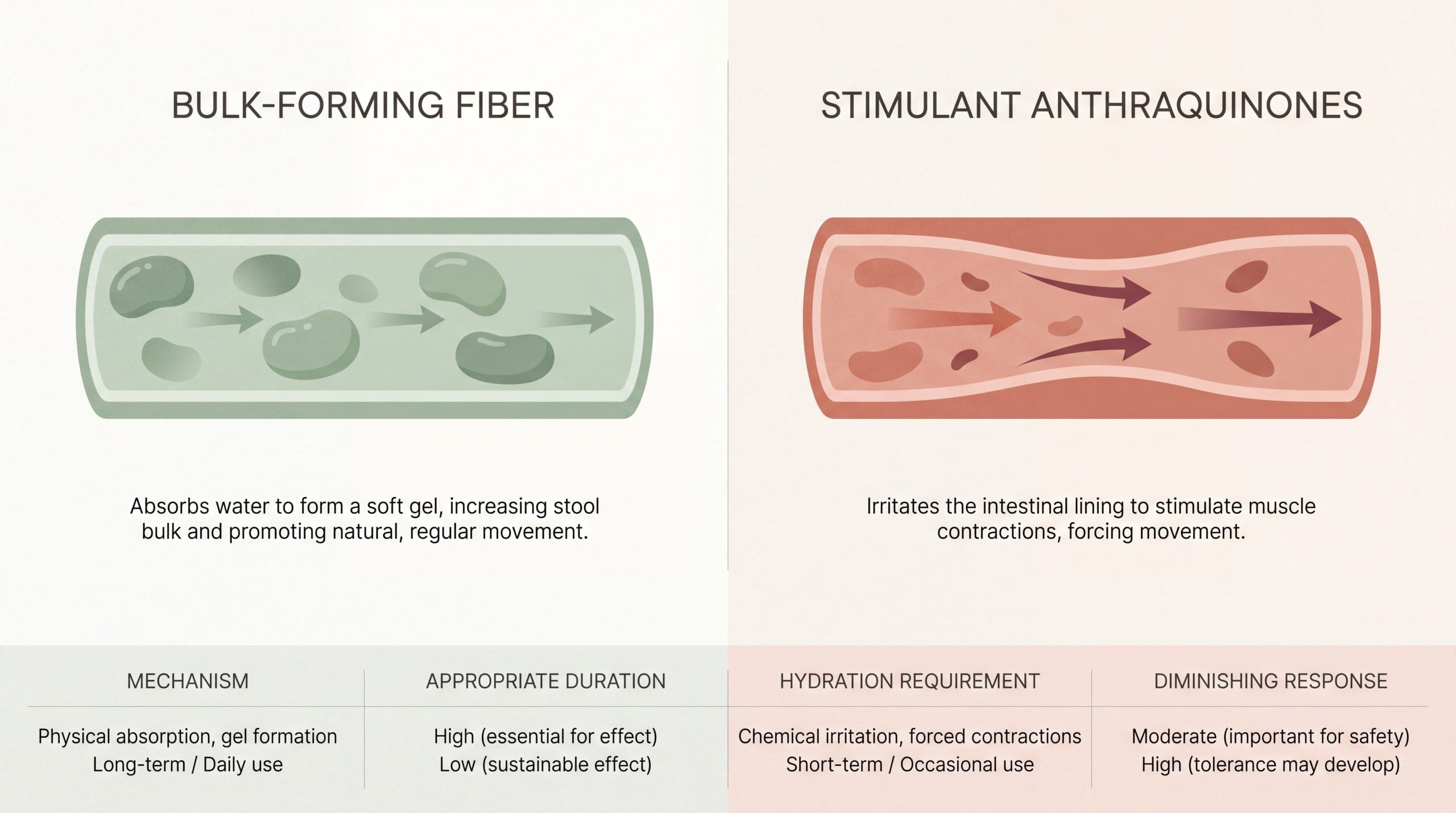
Senna (Senna alexandrina) and cascara sagrada (Frangula purshiana) contain anthraquinone glycosides that force colonic contraction. They work, and that is precisely the problem when they are built into a seven-to-fourteen-day cleanse protocol. Repeated stimulant use is associated with cramping, electrolyte disturbance, dehydration, and diminishing response over time. Bulk-forming fiber achieves regularity through a mechanism that does not fatigue.
An earlier version of this article included a colon cleanse protocol that scheduled senna tea over a one-to-two week period. We have removed it. It was not a defensible recommendation, and it did not reflect how our team actually advises people.
| Approach | Mechanism | Appropriate duration | Hydration requirement | Diminishing response risk |
|---|---|---|---|---|
| Psyllium husk (Plantago ovata) | Soluble fiber absorbs water and adds stool bulk | Ongoing daily use is appropriate | High. Insufficient water is counterproductive. | None documented |
| Senna (Senna alexandrina) | Anthraquinones stimulate colonic contraction | Occasional short-term only | Moderate | Documented with repeated use |
| Cascara sagrada (Frangula purshiana) | Anthraquinones stimulate colonic contraction | Occasional short-term only | Moderate | Documented with repeated use |
| If constipation is persistent rather than occasional, that is a conversation for your healthcare provider rather than a herbal protocol. | ||||
Our detailed coverage of stimulant laxative herbs and of colon-specific approaches lives on our senna and constipation article and our bowel cleansing guide. This page stays focused on the stomach and upper digestive tract.
What Herbs Support a Balanced Gastric Environment?
Several culinary botanicals are traditionally associated with supporting a balanced microbial environment in the upper digestive tract, most prominently oregano (Origanum vulgare), whose carvacrol and thymol are the characterised volatile compounds, and the berberine-bearing roots covered in the bitters section above. The evidence base here is largely preclinical, and we would rather say that plainly than dress it up.
What we will not do is describe these herbs as killing anything. Persistent upper gastrointestinal symptoms warrant testing and a diagnosis from a clinician, not a herbal substitution. Oregano and barberry belong in a kitchen and a supportive routine, not in place of medical evaluation.
Which Digestive Herbs Interact With Medications?
Digestive herbs interact with medication through three main routes: physical coating that delays absorption, effects on liver enzyme activity that change how fast a drug is cleared, and overlapping physiological effects such as anticoagulant activity. The demulcents are the most commonly overlooked of these because their mechanism seems too simple to matter.
| Herb | Interaction route | Practical guidance |
|---|---|---|
| Slippery elm, marshmallow root | Mucilage coating delays absorption | Separate from all oral medication by at least two hours |
| Licorice (whole, not DGL) | Glycyrrhizin affects potassium and blood pressure | Relevant with antihypertensives, diuretics and digoxin. Choose DGL. |
| Ginger | Possible additive antiplatelet effect at high doses | Discuss with your provider if taking anticoagulants |
| Turmeric | Possible additive antiplatelet effect at high doses | Discuss with your provider if taking anticoagulants |
| Barberry root, berberine | Affects hepatic enzyme activity | Review with a pharmacist if you take any daily prescription |
| Psyllium | Bulk fiber delays absorption | Separate from medication by at least two hours |
| St John’s Wort | Strong enzyme induction affecting many drug classes | Not a digestive herb, but frequently self-combined. Review with a pharmacist. |
| This table is a starting point for a conversation with a pharmacist, not a substitute for one. The NCCIH publishes guidance on the safe use of complementary health products that covers this ground in more detail. | ||
How Do You Prepare Herbs for Stomach Support?
Preparation determines how much of the active compound reaches you. Volatile oils in peppermint and fennel need a covered vessel or they leave with the steam. Mucilage in slippery elm and marshmallow needs cool or warm water and time rather than boiling. Bitters need to reach the tongue.
Ginger and Peppermint Infusion
Slice about one inch of fresh ginger rhizome and combine with five or six fresh peppermint leaves in a cup. Add hot water, cover the cup, and steep five to seven minutes. Covering matters here. The menthol you can smell escaping is menthol not going into you. Strain and drink after a meal that felt heavy.
Cold Fennel Seed Infusion
Lightly crush one teaspoon of fennel seed and steep in a cup of just-boiled water, covered, for ten minutes. Crushing exposes more surface for the anethole to move into the water. This is the simplest after-meal carminative preparation there is.
Demulcent Slurry
Whisk one teaspoon of slippery elm powder or marshmallow root powder into six ounces of warm water until it thickens slightly. Drink promptly, as it continues to thicken. Take this away from other medication and away from meals.
Simple Pre-Meal Bitters
Steep half a teaspoon of dried roasted dandelion root or a smaller quantity of gentian root in warm water for ten minutes. Take two to three tablespoons about fifteen minutes before eating. It should taste distinctly bitter. If it does not, the preparation is too weak to do what bitters do.
What Are the Side Effects and Precautions?
Digestive herbs are generally well tolerated in healthy adults, and generally well tolerated is not the same as risk-free. The most common issues we see reported are allergic reactions in people sensitive to a plant family, digestive upset from taking too much too soon, and absorption problems from stacking demulcents against medication.
- Allergic reaction. The Asteraceae family covers chamomile, dandelion, and artichoke. Anyone reactive to ragweed, daisy or marigold should introduce these one at a time.
- Digestive upset from dose escalation. Bitters and triphala in particular are better started at a quarter of the traditional amount and increased over two weeks.
- Absorption interference. Mucilage and bulk fiber both coat. Two hours of separation from any oral medication resolves this.
- Electrolyte disturbance. Associated with sustained use of stimulant laxative herbs and of diuretic herbs, which is a further reason to avoid extended cleanse protocols.
- Adjustment symptoms. Headache or fatigue in the first days of a dietary change is common and usually reflects the change in diet, caffeine, or sugar rather than anything being released from tissue.
Herbal support of any kind is not appropriate during pregnancy or breastfeeding without clinical guidance, and it is not appropriate as a substitute for evaluation if you have kidney disease, liver disease, inflammatory bowel disease, or any diagnosed gastrointestinal condition. Blood in the stool, unexplained weight loss, difficulty swallowing, persistent vomiting or severe abdominal pain are reasons to contact a clinician rather than adjust a tea blend.
Which Lifestyle Factors Affect Stomach Health Most?
No herb outperforms the four inputs that shape digestion daily: how you eat, how you sleep, how you move, and how much water you drink. In our experience, people who see the most from digestive botanicals are the ones who fixed one of these first.
- Eating pace. Chewing thoroughly and eating without distraction does more for post-meal comfort than most supplements. Mechanical breakdown in the mouth is the first stage of digestion and the easiest one to skip.
- Sleep. Seven to nine hours supports normal gut motility patterns. Disrupted sleep and disrupted digestion travel together in both directions.
- Movement. Moderate activity most days supports transit time. A ten-minute walk after dinner is a well-established traditional practice for a reason.
- Hydration. Water is required for mucus production, for fiber to function, and for normal transit. Any fiber-based approach without adequate water is worse than no approach at all.
- Fermented and prebiotic foods. Sauerkraut, kimchi, kefir and yoghurt alongside prebiotic foods such as onion, garlic, asparagus and green banana give the microbial community something to work with.
What Does the Research Actually Say?
The evidence base for digestive botanicals is uneven. It is strongest for ginger and peppermint, thin but real for triphala and artichoke, and largely mechanistic for bitters. Presenting all of it at the same confidence level would be dishonest, so here it is separated by strength.
| Botanical | Study design | Key finding | Citation |
|---|---|---|---|
| Peppermint oil | Systematic review and meta-analysis, 10 RCTs, 1,030 patients | Superior to placebo for global IBS symptoms, number needed to treat 4. Adverse events more frequent (RR 1.57), most commonly heartburn. Evidence quality rated very low. | Ingrosso et al. 2022, Aliment Pharmacol Ther, PMID: 35942669 |
| Peppermint oil | Systematic review and meta-analysis, 9 studies, 726 patients | Relative risk 2.23 for global symptom improvement. Adverse events mild and transient. | Khanna et al. 2014, J Clin Gastroenterol, PMID: 24100754 |
| Ginger | Randomized double-blind, 24 healthy volunteers | Gastric half-emptying 13.1 minutes on ginger versus 26.7 on placebo. Antral contraction frequency increased. | Wu et al. 2008, Eur J Gastroenterol Hepatol, PMID: 18403946 |
| Ginger | Randomized double-blind, 11 functional dyspepsia patients | Half-emptying 12.3 versus 16.1 minutes. No change in reported symptoms or gut peptides. | Hu et al. 2011, World J Gastroenterol, PMID: 21218090 |
| Ginger and artichoke | Randomized crossover, 11 healthy volunteers | Post-meal gastric area 24 percent smaller than placebo, indicating promoted gastric emptying. | Lazzini et al. 2016, Eur Rev Med Pharmacol Sci, PMID: 26813467 |
| Bitter compounds | Pharmacology review | TAS2R bitter receptors documented in stomach and intestines. Activation associated with GLP-1 and ghrelin release. | D’Urso and Drago 2021, Eur J Pharmacol, PMID: 34496302 |
| Bitter compounds | Animal model, guinea pig | Bitter receptor agonists influenced gastric accommodation. Mechanistic only, not clinical. | Harada et al. 2019, J Pharmacol Exp Ther, PMID: 30967403 |
| Triphala | Literature review | Gallic, chebulagic and chebulinic acids characterised. Mild laxative properties described in traditional use. | Tarasiuk et al. 2018, Chin Med, PMID: 30034512 |
| Triphala | Double-blind randomized placebo-controlled pilot, 31 subjects | 2,000 mg daily for 4 weeks altered faecal microbial communities. Responses highly personalized, no uniformly altered taxa. | Peterson et al. 2020, J Altern Complement Med, PMID: 32955913 |
| Citations verified against PubMed by the Back To Your Roots Herbs Editorial Team in August 2026. The NCCIH publishes plain-language safety summaries for ginger and peppermint oil that are worth reading alongside these. | |||
Two things stand out to us in that table. The ginger data is unusually clean for a culinary herb, with a roughly 50 percent reduction in half-emptying time replicated across two independent groups. And the peppermint literature is the rare case where the same analysis that establishes benefit also quantifies the drawback, which is why we cite the adverse event figure rather than only the number needed to treat.
Frequently Asked Questions
Which herbs are safest for stomach cleansing?
Chamomile, fennel, ginger and marshmallow root are the gentlest options and are all food-grade herbs with long culinary histories. They act on gas, spasm, and mucosal comfort without forcing a physiological response. Senna and cascara sagrada sit at the opposite end and are not appropriate for routine use.
What herbs help bloating and indigestion?
Fennel seed is the first choice for trapped gas because anethole reduces both gas retention and intestinal spasm. Ginger suits bloating that comes from food sitting too long, since it measurably accelerates gastric emptying. Peppermint helps cramping bloat but may worsen matters if reflux is also present.
Are detox teas safe for daily use?
A tea built on peppermint, fennel, chamomile, or ginger is a food-grade beverage and is fine daily. A tea containing senna leaf or cascara sagrada is a stimulant laxative regardless of how the packaging describes it, and should be occasional at most. Check the ingredient panel rather than the front of the box.
How do I take triphala for digestion?
Traditional practice uses roughly half a teaspoon of powder stirred into four to six ounces of warm water, taken in the evening one to two hours after eating. Start at a quarter teaspoon for the first week. A four-week pilot study used 2,000 mg daily, which is close to the traditional half-teaspoon measure.
What side effects do digestive herbs cause?
The most common are allergic reactions in people sensitive to the Asteraceae family, digestive upset from starting at too high a dose, and reduced absorption of medication taken alongside mucilage-containing herbs. Peppermint oil carries a documented higher rate of heartburn than placebo.
Which bitter herbs support stomach cleansing?
Gentian, barberry root, dandelion root and artichoke leaf are the four principal digestive bitters. They act through bitter taste receptors present in the stomach and intestines as well as on the tongue, which is why they are taken 10 to 20 minutes before a meal rather than after it.
Are there any herbs to avoid with acid reflux?
Peppermint is the main one. The menthol that relaxes intestinal smooth muscle also relaxes the lower oesophageal sphincter, and heartburn was the most commonly reported adverse event in the peppermint oil meta-analysis. Chamomile, fennel and DGL licorice are better starting points if reflux is your primary complaint.
Can herbs soothe an upset stomach quickly?
Carminatives such as fennel and peppermint act within roughly 20 to 30 minutes on gas and spasm because they work on smooth muscle directly. Demulcents such as marshmallow root coat on contact. Tonics like triphala are gradual by design and are not the right choice for acute discomfort.
Related Reading
Continue with our guides on the best herbs for digestive health, bowel cleansing methods and their risks, senna and constipation, natural remedies for acid reflux, and peppermint tea for bloating.
Disclaimer
These statements have not been evaluated by the Food and Drug Administration. This product is not intended to diagnose, treat, cure, or prevent any disease. Consult your healthcare provider before use, particularly if you are pregnant, breastfeeding, taking prescription medication, or have a diagnosed medical condition.