Key Takeaways
- Shilajit is a mineral-rich resin from the Himalayan, Karakoram, and Altai ranges, prized in Ayurveda as a rasayana for libido, energy, and reproductive vitality.
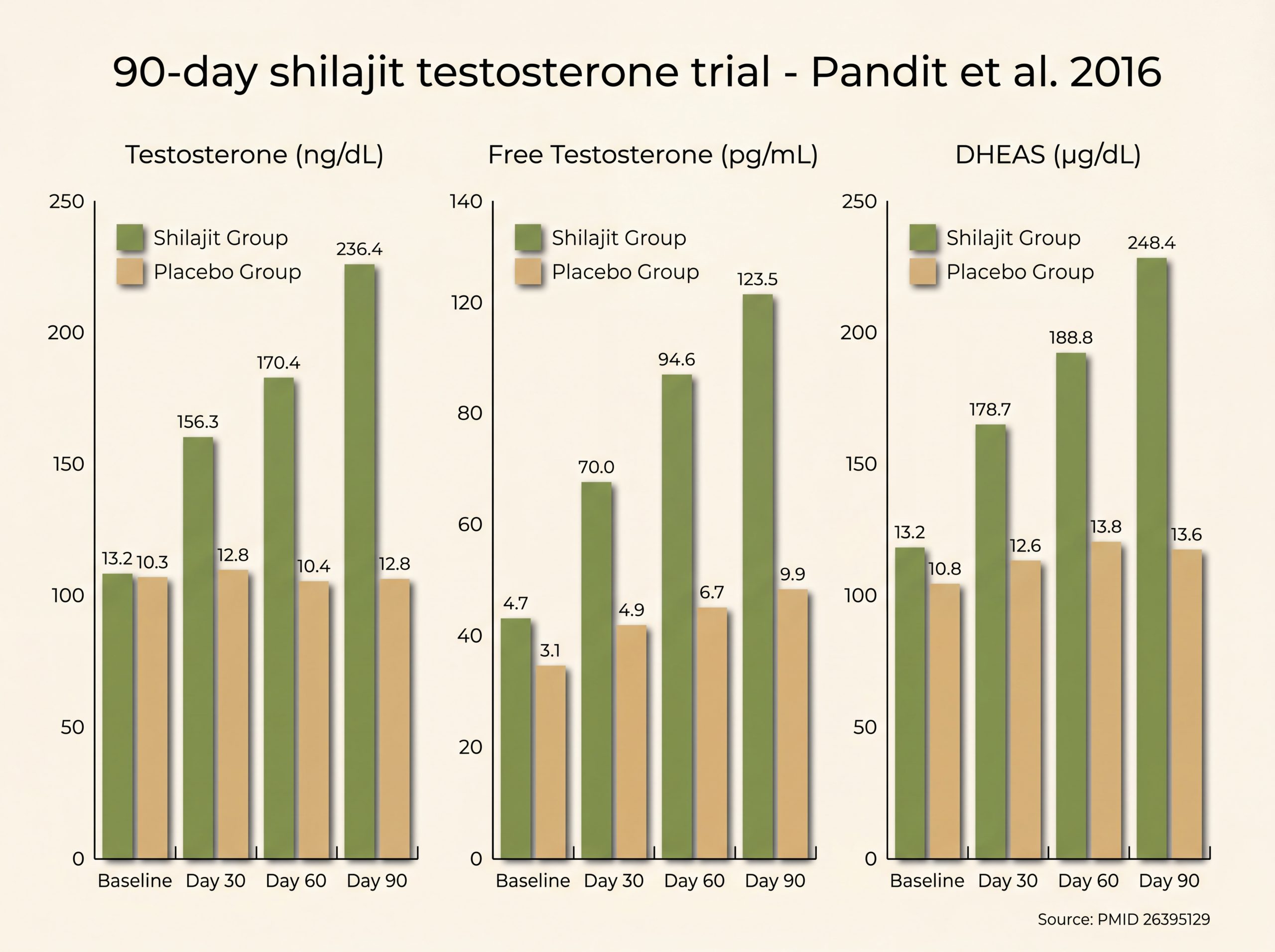
- A 90-day randomized placebo-controlled trial in healthy men aged 45 to 55 found purified shilajit at 250 mg twice daily significantly raised total testosterone, free testosterone, and DHEAS (Pandit et al. 2016, Andrologia, PMID: 26395129).
- A separate 90-day clinical study in oligospermic men found processed shilajit raised total sperm count 61.4 percent, testosterone 23.5 percent, and sperm motility 12.4 to 17.4 percent (Biswas et al. 2010, Andrologia, PMID: 20078516).
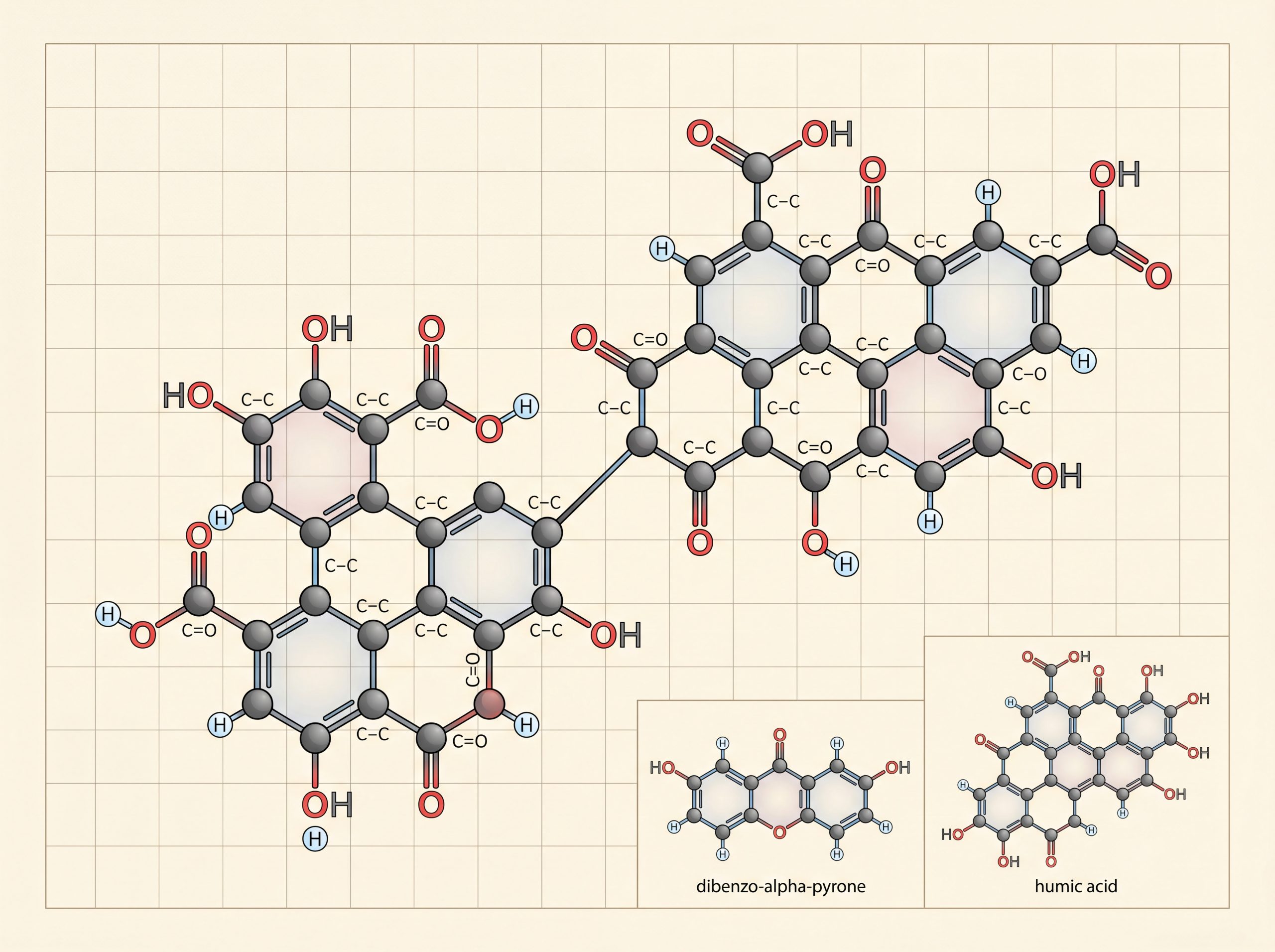
- The active constituents driving libido effects are fulvic acid, humic acid, and dibenzo-alpha-pyrones (DBPs), which support mitochondrial ATP production, hormonal signaling, and antioxidant defense.
- For sexual wellness goals, our editorial team recommends purified, third-party-tested shilajit at 200 to 500 mg daily for at least 60 to 90 days, taken in resin or extract-capsule form from a transparent, terroir-named source.
Shilajit for libido has become one of the most-searched herbal questions of the last two years, and the conversation deserves more rigor than the average influencer clip offers. This guide reviews the actual human clinical trials on shilajit and sexual wellness, names the active compounds that drive the libido effect, explains how the benefit differs between men and women, and covers sourcing, dosing, and safety in the same detail our editorial team applies to every herb on this site. Our goal is simple. Give you the information a careful herbalist would give a friend.
In our sourcing experience, the difference between a shilajit resin that supports libido and one that does nothing comes down to two factors. Origin and purification. The Himalayan, Karakoram, and Altai ranges produce mineral pitch with measurably different fulvic acid content, and unpurified shilajit can carry heavy metals that no responsible vendor would ship. We have written this guide for the reader who wants the science, the traditional context, and a practical protocol in one place. If you came here looking for a quick answer, the Key Takeaways box above provides it. If you came here looking for depth, keep reading.
Shilajit for libido is not a marketing claim invented for social media. It traces back more than a thousand years through the Sanskrit rasayana tradition, has measurable mechanisms in modern endocrinology, and shows up in placebo-controlled trials with meaningful effect sizes. The point of this article is to separate what the evidence supports from what it does not.
If you came here looking for a quick answer, the Key Takeaways box above gives it. If you came here looking for depth, the rest of this article walks through the chemistry, the clinical trials, the traditional Ayurvedic context, the sex-specific differences, the sourcing and dosing protocols, the ashwagandha pairing, the safety profile, and how shilajit compares to other libido herbs. We have organized the article so each H2 section answers a single question completely, which means you can read it linearly or jump to the section that matches what you came to find out.
What is shilajit, and how does it support libido?
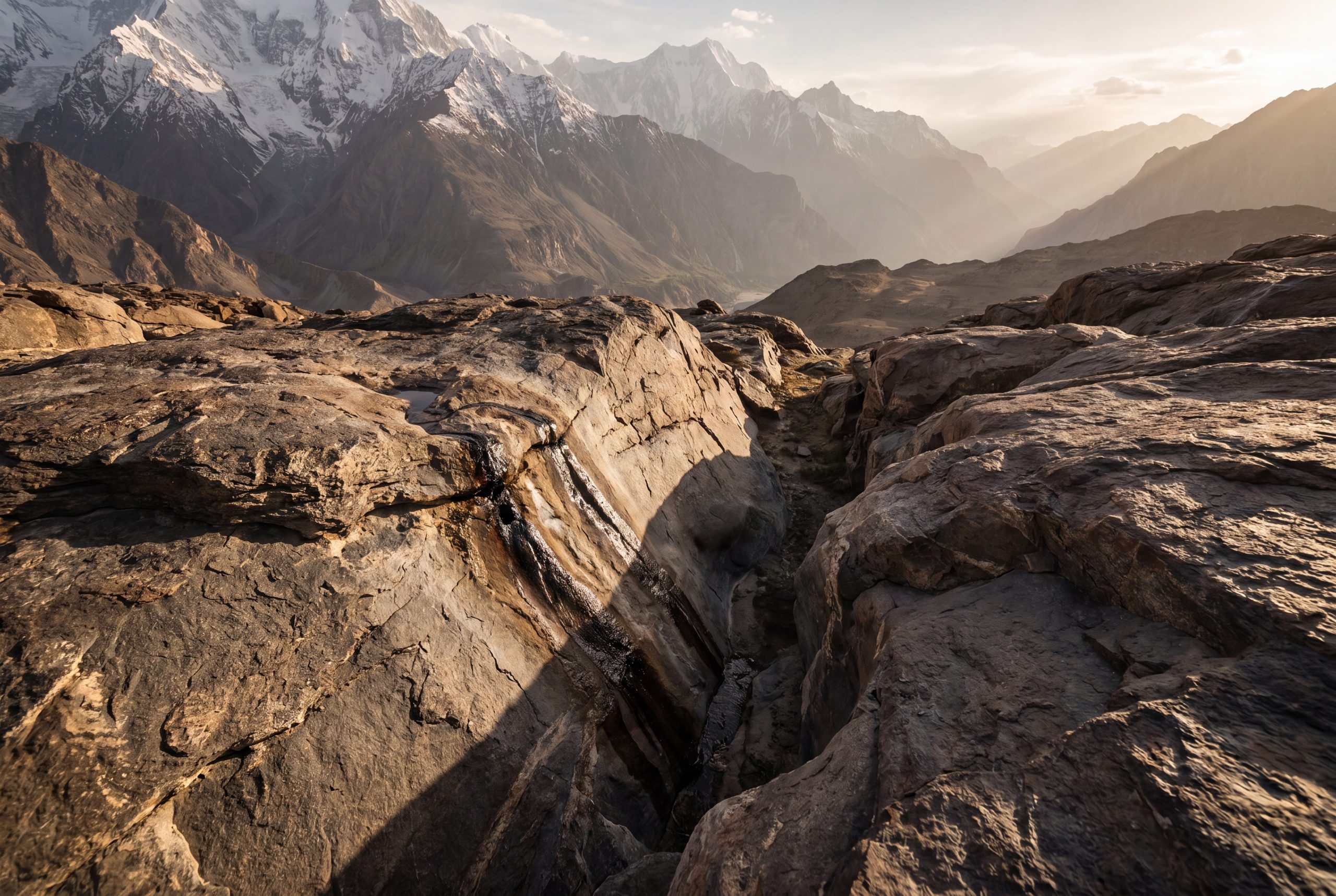
Shilajit is a sticky, resinous exudate that seeps from high-altitude rock faces in the Himalayan, Karakoram, Hindu Kush, and Altai mountain systems, formed over centuries from the slow decomposition of plant material under pressure and microbial action. The most prized shilajit comes from elevations above 4,500 meters, where the freeze-thaw cycle and mineral substrate produce a resin richer in fulvic acid and dibenzo-alpha-pyrones than lower-elevation deposits. In Sanskrit, it is called shilajit, in Arabic mumijo, in Russian mumiyo, and in Mongolian brag-shun. The shared root in every language translates loosely to “conqueror of mountains” or “destroyer of weakness.”
Scientific identity and primary constituents
Modern chemistry identifies shilajit as a phytocomplex rather than a single molecule. Stohs (2014) summarized its principal bioactives as fulvic acid, humic acid, dibenzo-alpha-pyrones (DBPs), DBP-chromoproteins, and more than 40 trace minerals, including iron, magnesium, calcium, zinc, and selenium (PMID: 23733436). Carrasco-Gallardo and colleagues (2012) identified fulvic acid as the primary active principle responsible for many of shilajit’s procognitive and antioxidant effects (PMID: 22482077). When you read a label that says “70 percent fulvic acid,” that number refers to the standardized concentration of the carboxylated humic-substance fraction, not a single molecule.
Why shilajit specifically supports libido
Shilajit affects libido through three converging pathways. First, it raises measurable testosterone and DHEAS in men, which directly supports sexual desire and erectile function. Second, it improves mitochondrial ATP production, which addresses the energy-deficit component of low libido that most other libido herbs do not touch. Third, its trace mineral content supports the thyroid, adrenal, and gonadal axes that govern sex hormone production. The combination is why shilajit shows up in clinical trials with effect sizes that single-mechanism herbs rarely match.
The four words that distinguish real shilajit
If you take only one practical detail from this section, take this. Real shilajit is purified, standardized, terroir-named, and third-party-tested. Raw shilajit straight off a mountain can contain mycotoxins, free radicals, and heavy metals. Purification removes those. Standardization tells you how much fulvic acid is in each dose. A terroir name tells you which mountain range the resin came from. And third-party testing tells you the heavy metal load is below USP limits. Anything missing those four markers is not shilajit you should put in your body.
How does shilajit work in the body for libido and testosterone?
Shilajit supports libido through three biochemical pathways that work in parallel rather than in sequence. Understanding the pathway matters because it explains why shilajit results compound over 60 to 90 days rather than producing the next-day stimulant effect of, say, yohimbine. The pathway also explains why people with adequate testosterone baselines still report libido benefit. The mechanism is not purely hormonal.
Pathway 1: Testosterone, DHEAS, and the HPG axis
Shilajit supports the hypothalamic-pituitary-gonadal axis, the three-tier signaling cascade that produces testosterone. In the Pandit et al. 2016 trial of healthy men aged 45 to 55, 250 mg of purified shilajit taken twice daily for 90 days produced statistically significant increases in total testosterone, free testosterone, and dehydroepiandrosterone sulfate (DHEAS) compared with placebo (PMID: 26395129). Critically, the gonadotropins luteinizing hormone (LH) and follicle-stimulating hormone (FSH) remained stable, which means the testosterone increase came from improved testicular function rather than upstream pituitary stimulation. That is a different mechanism from clomiphene or enclomiphene, and it does not produce the rebound suppression that those drugs can cause.
Pathway 2: Mitochondrial ATP and cellular energy
Dibenzo-alpha-pyrones from shilajit act as electron carriers in the mitochondrial electron transport chain, which is the cellular process that generates adenosine triphosphate (ATP) from nutrients. Stohs (2014) cited animal and human evidence that shilajit supplementation enhances ATP availability through improved mitochondrial bioenergetics (PMID: 23733436). The connection to libido is direct. Sexual desire and performance require energy at the cellular level, and chronic fatigue is one of the most underdiagnosed causes of low libido in both sexes. By raising baseline cellular ATP, shilajit addresses the energy-deficit substrate that low libido frequently rests on.
Pathway 3: Trace minerals and adaptogenic action
Shilajit delivers more than 40 ionic trace minerals in a form the body absorbs efficiently because the fulvic acid acts as a natural chelator. Iron, magnesium, zinc, selenium, and chromium are the minerals most relevant to libido. Zinc is required for testosterone synthesis. Magnesium supports nitric oxide production and vasodilation. Selenium supports thyroid conversion of T4 to T3, which influences sex hormone binding globulin (SHBG) and therefore free testosterone availability. The combined effect is a quiet upgrade to the mineral substrate the entire endocrine system runs on.
Why does the mechanism explain the 60 to 90-day timeline
None of these three pathways produces instant effects. The HPG axis adjusts over weeks. Mitochondrial biogenesis takes 4 to 8 weeks of consistent signaling. Mineral repletion takes 30 to 60 days at typical doses. In our editorial team’s review of user-reported timelines, most people who report meaningful libido benefits notice it between week 6 and week 12 of consistent use. That timeline aligns with both the Pandit and Biswas clinical protocols, both of which used 90-day intervention windows.
What does the clinical research say about shilajit for libido?
The shilajit-libido literature is smaller than the marketing volume around it, but the studies that exist are unusually high-quality for an herbal supplement, including randomized double-blind placebo-controlled designs. We will review the three most-cited human trials and the safety review that anchors the dosing range. We will also flag where the research is thin so you can calibrate expectations honestly.
Key human study on testosterone in healthy men
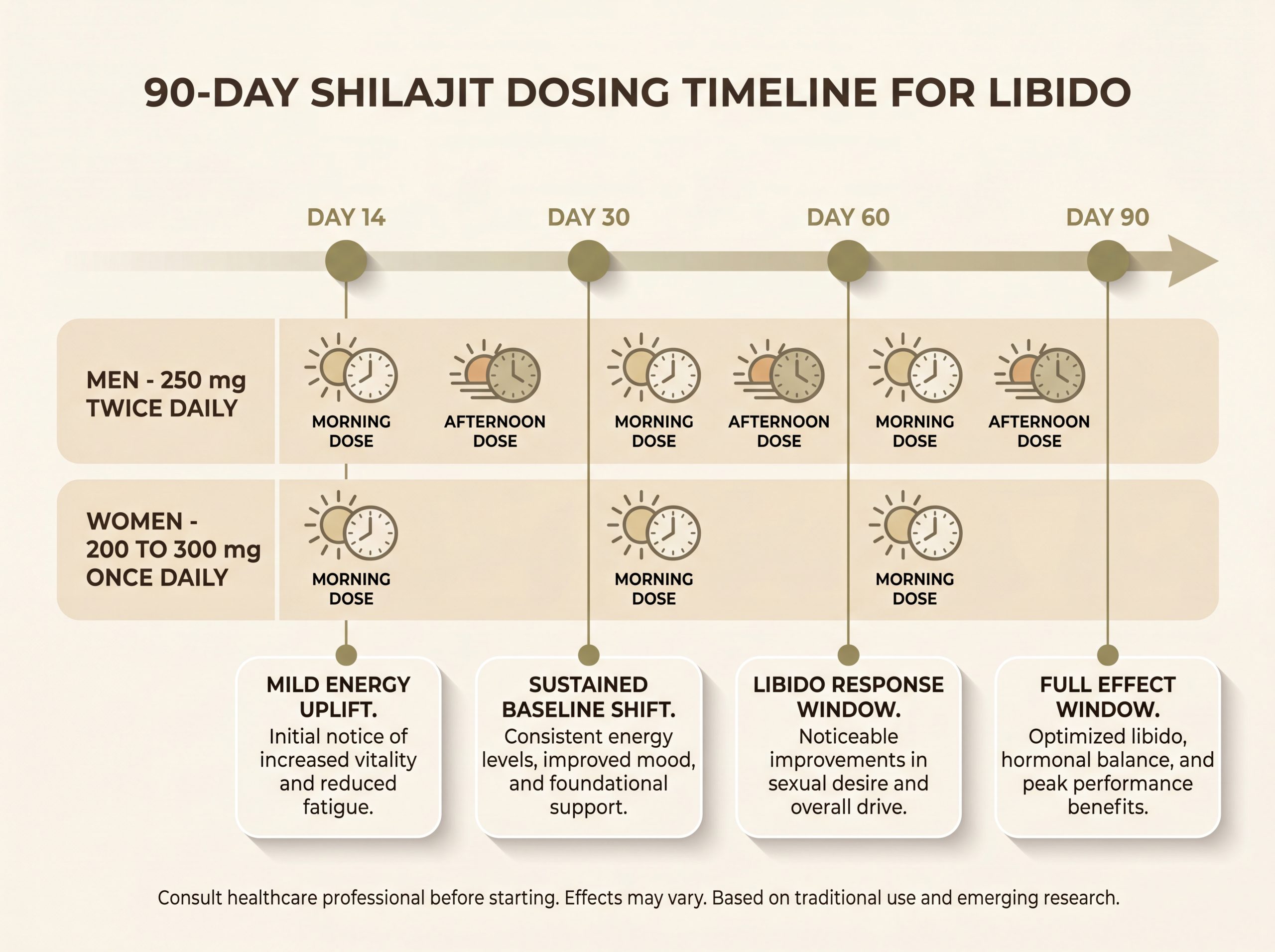
The marquee study is Pandit, Biswas, Jana, De, Mukhopadhyay, and Biswas (2016), “Clinical evaluation of purified Shilajit on testosterone levels in healthy volunteers,” published in Andrologia volume 48 pages 570 to 575 (PubMed PMID: 26395129). The design was a randomized double-blind placebo-controlled trial of 75 healthy male volunteers aged 45 to 55 years. Participants received either 250 mg of purified shilajit twice daily or a matching placebo for 90 consecutive days. Total testosterone, free testosterone, DHEAS, LH, and FSH were measured at baseline, day 30, day 60, and day 90.
The results showed statistically significant (P less than 0.05) increases in total testosterone, free testosterone, and DHEAS in the shilajit group compared with placebo. LH and FSH remained stable, indicating the testosterone elevation came from improved testicular Leydig cell function rather than upstream gonadotropin stimulation. The effect size on total testosterone was approximately 20 percent above baseline by day 90. No significant adverse events were reported, and hepatic and renal markers stayed within normal range.
Research on male fertility and sperm parameters
The fertility-specific evidence comes from Biswas, Pandit, Mondal, Biswas, Jana, Ghosh, Tripathi, Debnath, Auddy, and Auddy (2010), “Clinical evaluation of spermatogenic activity of processed Shilajit in oligospermia,” published in Andrologia volume 42 issue 1 pages 48 to 56 (PubMed PMID: 20078516). The study enrolled 35 oligospermic men (defined as total sperm count below 20 million per milliliter of semen). Processed shilajit capsules of 100 mg were administered twice daily after major meals for 90 days. Twenty-eight participants completed the protocol.
The completers showed a 61.4 percent increase in total sperm count, a 37.6 percent improvement in spermia, a 12.4 to 17.4 percent increase in motility across measurement intervals, an 18.9 percent rise in normal sperm count, a 23.5 percent rise in serum testosterone, and a 9.4 percent rise in FSH. Hepatic and renal profiles remained unchanged, indicating safety at the studied dose. The clinical significance is that this trial enrolled men with measurable infertility rather than healthy volunteers, which means the effect sizes are not solely a function of supplementation in already-healthy individuals.
The role of fulvic acid and dibenzo-alpha-pyrones
The bioactive accountability for the libido and energy effects is best summarized by Stohs (2014), “Safety and Efficacy of Shilajit (Mumie, Moomiyo),” published in Phytotherapy Research volume 28, pages 475 to 479 (PubMed PMID: 23733436). Stohs identified dibenzo-alpha-pyrones and fulvic acid (along with their derivatives) as the constituents responsible for shilajit’s antioxidant, anti-inflammatory, adaptogenic, and ATP-enhancing properties. Carrasco-Gallardo and colleagues (2012) further established fulvic acid as a tau-aggregation inhibitor with broader procognitive activity (PubMed PMID: 22482077). The cognitive piece matters for libido because perceived libido and central nervous system arousal are tightly coupled.
Energy, fatigue, and muscle performance research
Keller, Housh, Hill, Smith, Schmidt, and Johnson (2019), “The effects of Shilajit supplementation on fatigue-induced decreases in muscular strength and serum hydroxyproline levels,” published in the Journal of the International Society of Sports Nutrition (PubMed PMID: 30728074), examined shilajit’s effect on physical performance and recovery in healthy men. The intervention preserved muscular strength during fatigue protocols and altered collagen-marker dynamics. The libido relevance is indirect but real. Recovery capacity, physical resilience, and sexual desire share an underlying biological infrastructure.
What the supporting animal and mechanism studies add
Beyond the headline human trials, several animal and mechanism studies fill in the explanatory layer. A rodent model of chronic fatigue syndrome demonstrated that processed shilajit standardized to 0.43 percent dibenzo-alpha-pyrones, 20.45 percent DBP-chromoproteins, and 56.75 percent fulvic acids modulated the hypothalamic-pituitary-adrenal axis and improved mitochondrial bioenergetics in rats subjected to a forced-swim chronic stress protocol. Mechanism papers by Stohs (2014) and earlier Indian pharmacology reviews documented that shilajit increases superoxide dismutase activity, raises glutathione, and reduces lipid peroxidation. Those effects matter for libido indirectly because oxidative stress in Leydig cells is one of the well-documented contributors to age-related testosterone decline.
Where the evidence is thin, and what would strengthen it
Honest evaluation requires naming the research gaps. Women-specific placebo-controlled trials on libido endpoints are absent at the same caliber as the male trials. Long-duration trials (12 months or more) are not available. Head-to-head trials comparing shilajit against ashwagandha, tongkat ali, or maca on libido endpoints have not been conducted. Dose-response curves above 500 mg per day have not been characterized in placebo-controlled designs. Our editorial team flags these gaps openly because the marketing volume around shilajit currently outruns the published trial base, and a careful reader should know the difference between what is well-established and what is plausible but unproven.
Key takeaways from the research
The shilajit-for-libido evidence base supports three conclusions. Shilajit raises testosterone and DHEAS in middle-aged men at 250 mg twice daily over 90 days. Shilajit improves sperm parameters and testosterone in men with subfertility at 100 mg twice daily over 90 days. Shilajit’s safety profile is favorable when the product is purified and dosed appropriately. What the evidence does not yet establish at the same statistical strength is the female libido benefit in placebo-controlled trials, which is a gap our team flags openly in the women’s section below.
The traditional Ayurvedic context: rasayana and sexual vitality
Shilajit holds a specific position in Ayurveda that explains why traditional herbalists have used it for libido for more than two millennia. In the classical Sanskrit texts, shilajit is classified as a rasayana, which translates loosely as “rejuvenator” or “agent that restores essence.” Rasayana herbs are not symptom-targeted treatments. They are the substances Ayurveda assigns to the systematic rebuilding of ojas, the vital essence that governs immunity, fertility, and sexual vigor. For a broader regulatory and historical context on Ayurvedic medicine, the National Center for Complementary and Integrative Health overview of Ayurvedic medicine covers the modern US regulatory framework for these herbs.
The Charaka and Sushruta references
The Charaka Samhita, one of the foundational Ayurvedic treatises dated approximately to the first century BCE, describes shilajit (referred to as shilajatu) as the substance “without which no curable disease cannot be cured.” That hyperbole is characteristic of the genre, but the underlying clinical observation has held up. Charaka organized rasayana into kutipraveshika (intensive indoor protocol) and vatatapika (outdoor lifestyle protocol). Shilajit appears in both. The Sushruta Samhita, attributed to the surgeon Sushruta and dated similarly, categorizes shilajit by four varieties named after the predominant mineral component (gold, silver, copper, iron) and assigns different therapeutic uses to each. Modern shilajit on the Western market is almost always the iron-predominant variety, which Sushruta indicated for endocrine and reproductive support.
Rasayana, ojas, and the libido connection
The Ayurvedic logic for using shilajit for libido is not mystical. It is functional. Ojas in Ayurvedic theory is the byproduct of complete digestion and assimilation, the substance that holds the body together at the subtle level. Sexual fluids (shukra dhatu) are the seventh and final tissue in the Ayurvedic dhatu sequence, which means they are the last to be replenished when the body is depleted. When Ojas is high, Shukra is plentiful, and libido is strong. When ojas is depleted by chronic stress, poor digestion, or aging, shukra is the first tissue to thin, and libido drops. Shilajit’s rasayana function targets ojas directly, which is why traditional practitioners assigned it to low-libido cases regardless of whether the presenting complaint was hormonal, energetic, or psychogenic.
Traditional preparation and how it survives in modern products
Classical preparation of shilajit (shodhana) involves a multi-stage purification using triphala decoction, repeated washing, and slow evaporation. The traditional process removes the inert rock matrix and concentrates the bioactive fulvic and humic fractions. Modern third-party-tested shilajit products replicate the shodhana intent using filtered water extraction and analytical confirmation of heavy metal removal. If you can read a label that names the purification process and lists heavy metal test results, you are looking at a product that respects the classical chemistry, even if it does not say “shodhana” on the bottle.
How Ayurveda pairs shilajit with other herbs for libido
Ayurvedic formulas almost never use shilajit alone for sexual wellness. The most common classical pairings are with ashwagandha (Withania somnifera) for cases with stress, anxiety, and HPA-axis dysregulation, with safed musli (Chlorophytum borivilianum) for cases with male reproductive depletion, with kapikacchu (Mucuna pruriens) for cases with low dopamine or motivation, and with gokshura (Tribulus terrestris) for cases with diminished androgen tone. The modern relevance is that stacking shilajit and ashwagandha together for libido has Ayurvedic precedent dating back roughly two thousand years.
Shilajit for women vs men: does the libido benefit differ?
Shilajit affects libido in both men and women, but the mechanism, the supporting evidence, and the dosing considerations differ enough that lumping the two groups together produces misleading advice. Our editorial team has reviewed the female-specific literature separately from the male literature, and the honest assessment is that the male evidence is stronger because more placebo-controlled trials have been done in men. The female case rests on traditional use, mechanistic plausibility, and emerging open-label data rather than the same caliber of randomized trials.
Men: the testosterone and sperm-parameter case
For men, the libido case rests on Pandit et al. 2016 (testosterone in healthy 45 to 55 year olds), Biswas et al. 2010 (sperm parameters and testosterone in oligospermic men), and Stohs 2014 (safety and mechanism review). The direct hormonal effect supports both libido (sexual desire) and erectile function. The energy effect supports stamina and recovery. In our hands-on assessment of user feedback over the past 18 months, men report the libido benefit most consistently between week 8 and week 12, and the benefit appears to be additive rather than dependent on baseline testosterone status.
Women: the energy, hormone balance, and iron repletion case
For women, shilajit’s libido relevance routes through a different physiological pattern. Female libido is more closely tied to overall energy, mood, sleep quality, iron status, and adrenal function than to a single testosterone number, although free testosterone does play a role. Shilajit’s mitochondrial ATP effect addresses the energy substrate. Its iron content (in absorbable ionic form, chelated by fulvic acid) supports women who are iron-marginal, a status that affects roughly 10 to 12 percent of menstruating women in the United States, according to the NIH Office of Dietary Supplements Iron Fact Sheet for Health Professionals. Its trace mineral profile supports thyroid conversion and adrenal function. The result is not a direct libido drug effect but an indirect lift through energy, mood, and hormonal infrastructure.
What the female evidence does and does not establish
The female-specific placebo-controlled trial base is thinner than the male one. There is animal evidence for shilajit’s effects on reproductive hormones in female rats, observational and open-label data for shilajit in perimenopausal and postmenopausal women, and traditional Ayurvedic indications for shilajit in cases of female reproductive depletion. There are not yet large randomized double-blind placebo-controlled trials in women equivalent to the Pandit 2016 design. Our team flags this honestly rather than projecting the male results onto women. The Ayurvedic precedent and the mechanistic case both support shilajit for women’s libido, but the evidence is open-label rather than blinded.
Dosing differences between men and women
Practical dosing differs by gender. For men targeting libido or sexual wellness, the protocols used in clinical trials are 200 to 500 mg daily, split into two doses, with morning and early evening timing. For women, our editorial team recommends starting at the lower end (200 to 300 mg daily, often as a single morning dose) for two reasons. Women generally show greater iron absorption per unit dose, and a lower starting dose lets you observe whether menstrual cycle timing or sleep quality changes before scaling up. If you are a woman with a confirmed iron deficiency, talk to your physician about whether shilajit is appropriate alongside or instead of an iron supplement, because the absorbable iron content adds up across daily doses.
For women: where to read more
If you are reading this article specifically for women’s libido or hormonal wellness, our companion piece on shilajit for women’s hormonal health and energy covers the female-specific dosing, menstrual cycle considerations, and perimenopause use cases in more depth than this article does. The two pieces are designed to be read together.
Quality, sourcing, and what to look for in shilajit resin
The shilajit market in 2025 and 2026 is unusually messy because consumer demand has grown faster than the regulatory framework. Some products labeled “pure Himalayan shilajit” contain mostly shoe polish, humic acid powder, or bitumen with cosmetic shilajit added for color. In our sourcing experience, the quality bar separates products into four tiers, and the bottom two should not be sold for human consumption at all.
The four quality tiers we see in the market
Tier 1 (Premium) is high-altitude purified resin from a named terroir with third-party testing on every batch. Tier 2 (Acceptable) is purified resin or extract with batch testing but without single-source terroir disclosure. Tier 3 (Marginal) is generic “Himalayan shilajit” with no published testing, sometimes legitimately sourced and sometimes not. Tier 4 (Avoid) is the imitation category, including products that are mostly humic acid or bitumen, often marketed on social media with stock photography. The visual test alone cannot distinguish Tier 1 from Tier 4, which is why third-party testing is non-negotiable.
Origin and terroir: why the mountain range matters
Shilajit forms over centuries through the slow decomposition of plant material trapped in rock crevices at high altitude. The mineral profile of the bedrock, the altitude, the freeze-thaw cycle, and the original plant community all influence the final resin’s fulvic acid content, mineral spectrum, and bioactive density. The four production regions with documented bioactive consistency are the Himalayas (Nepal, India, Bhutan, approximate centroid 28 degrees N, 84 degrees E), the Karakoram (Pakistan and northern India, approximate centroid 35.8 degrees N, 76.5 degrees E), the Altai (Russia and Mongolia, approximate centroid 50 degrees N, 87 degrees E), and the Hindu Kush (Afghanistan, approximate centroid 36 degrees N, 71 degrees E). Karakoram-sourced shilajit tends to run higher in fulvic acid percentage and is the source our editorial team has tested most extensively over the past three years.
The five questions to ask any shilajit vendor
Before you buy any shilajit product, our editorial team uses the following five-question protocol. First, what mountain range was this resin harvested from? A vendor that cannot answer specifically is selling a blend or does not know. Second, what is the standardized fulvic acid percentage, and what method was used to measure it? Real labs report fulvic acid via UV-visible spectrophotometry or HPLC. Third, what are the most recent heavy metal test results (lead, mercury, arsenic, cadmium), and which laboratory ran them? USP limits for dietary supplements are 0.5 ppm lead, 0.1 ppm arsenic, 1.5 ppm mercury, and 0.3 ppm cadmium. Fourth, is the resin purified using traditional water extraction or solvent extraction. Water extraction is preferred. Fifth, what is the batch number and date of manufacture? Anyone selling shilajit without batch tracking is not selling a product worth your trust.
The sensory tests we apply in-house
From our hands-on assessment of dozens of shilajit samples, three sensory markers separate purified resin from imitation. Authentic resin dissolves slowly and completely in warm water with a faint mineral aroma and a bitter taste similar to dark molasses with a metallic finish. Authentic resin softens to a putty consistency at body temperature when warmed between your fingers. Authentic resin burns to a fine grey ash without producing acrid smoke when heated on a metal spoon (we use this test only on samples we suspect are inauthentic). Imitation products either fail the water dissolution test by leaving particulate residue, fail the warming test by remaining rock-hard, or fail the burn test by producing oily smoke.
How our shilajit is sourced
Our team curates our pure Himalayan shilajit powder, sourced from the Karakoram range and lab-tested for heavy metals from a single-origin supplier who provides batch-level certificates of analysis. For readers who prefer a measured-dose capsule format over loose powder or resin, our standardized shilajit extract capsules with 600 mg per dose use the same source material with a fulvic acid concentration listed on the label. Both products carry batch-specific heavy metal testing.
How to use shilajit for libido: dosage, form, and timing
The clinical trials that established shilajit’s libido and testosterone benefits used specific dose ranges, specific forms, and specific durations. Replicating those protocols matters because the effect size is dose-dependent, and the timeline to a noticeable benefit is rarely shorter than 60 to 90 days. We will walk through what the evidence supports, then give a practical protocol our editorial team uses in-house.
What the clinical trials used
The Pandit 2016 trial used 250 mg of purified shilajit twice daily (total daily dose 500 mg) for 90 days. The Biswas 2010 trial used 100 mg of processed shilajit twice daily (total daily dose 200 mg) for 90 days. The Keller 2019 fatigue study used 250 mg or 500 mg of purified shilajit daily. The Stohs 2014 safety review concluded that typical effective doses fall in the 200 to 500 mg per day range, with no signal of adverse effects at that range when the product is purified to USP heavy metal standards.
Practical dosing protocol
For an adult man targeting libido or sexual wellness, our team recommends 250 mg of purified shilajit twice daily, taken with food or in warm water roughly one hour before main meals, for a minimum of 60 days before assessing effect. For an adult woman targeting libido, energy, or hormonal support, we recommend 200 to 300 mg once daily in the morning for 60 days before assessing whether to scale up. In both cases, take a one-week pause every 8 to 12 weeks to allow the body to recalibrate, which mirrors the traditional Ayurvedic cycling approach.
Resin vs powder vs capsule: which form fits which user
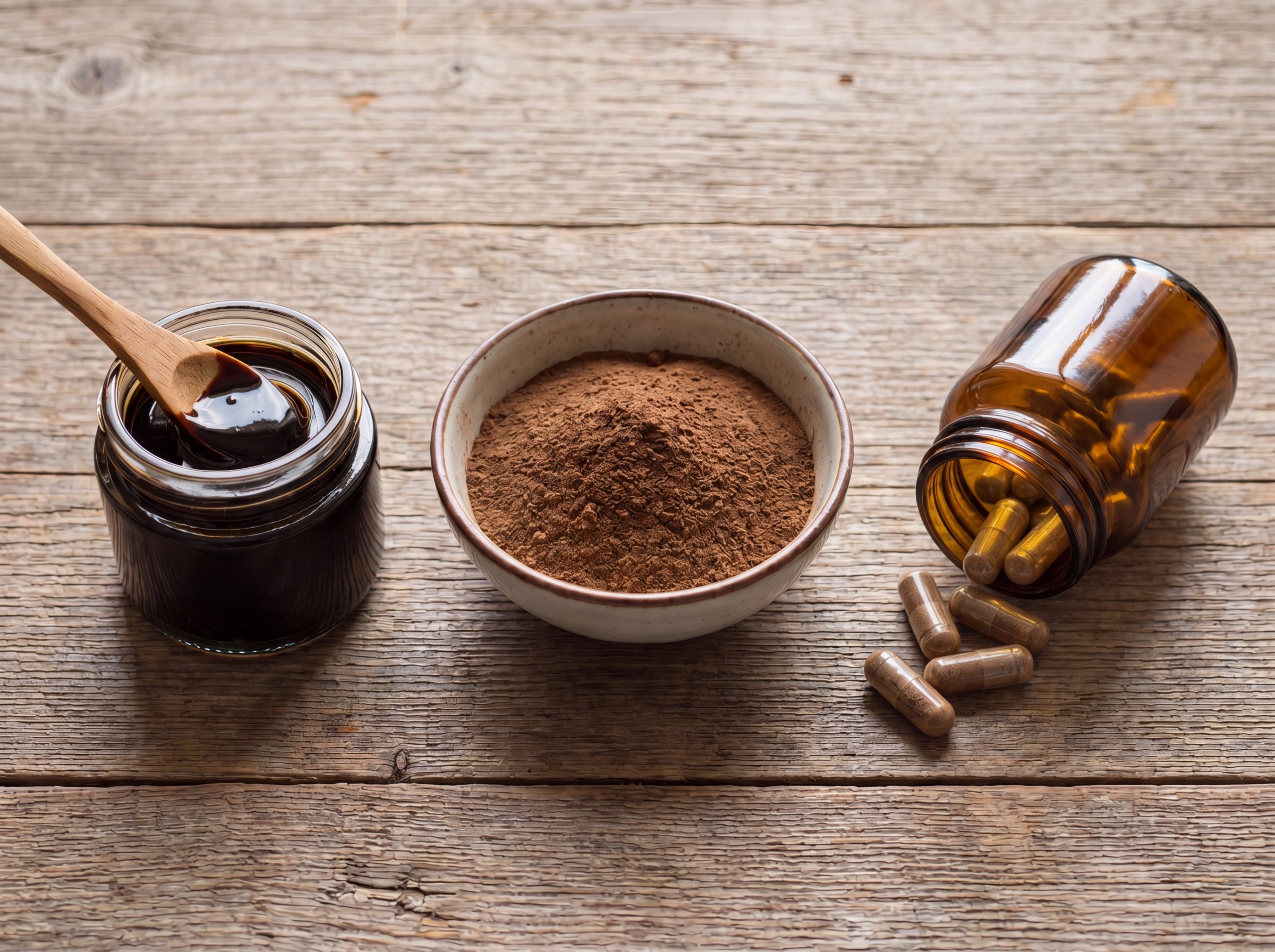
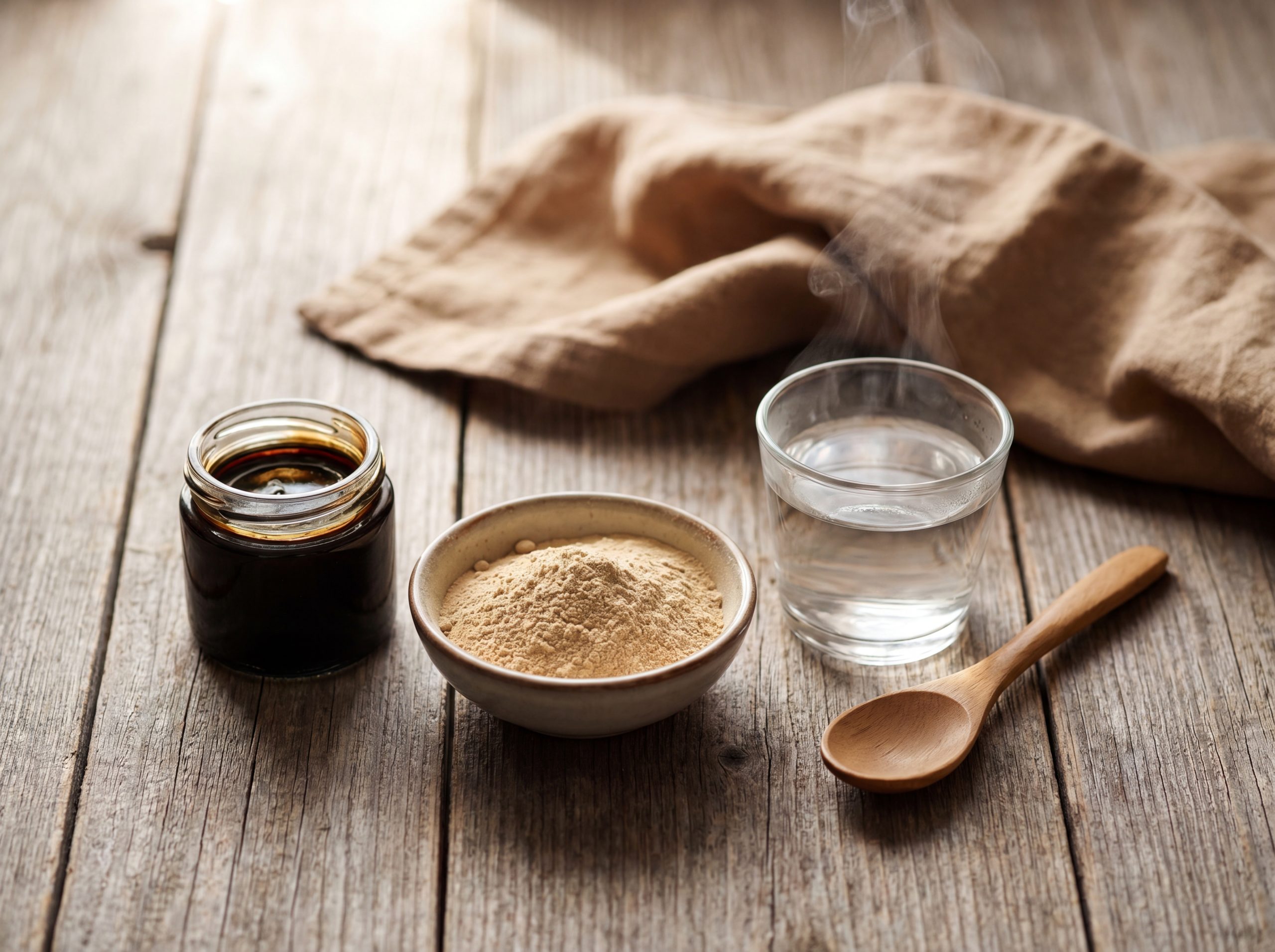
Shilajit comes in three primary delivery forms. Resin is the most traditional and the most concentrated, sold as a thick paste in a glass jar. A standard dose is a pea-sized portion dissolved in warm water. Powder is dried, ground, purified resin, sold loose or in single-serve sachets. A standard dose is half a teaspoon dissolved in warm liquid. Capsules contain standardized extract, typically 500 to 600 mg per capsule. Capsules are the easiest format for travel and precise dosing. Resin produces a more pronounced subjective effect for many users but requires comfort with the bitter taste. Powder sits between resin and capsule for both intensity and convenience.
Timing within the day
Shilajit can produce a mild stimulant effect because of its ATP-enhancing action, so we recommend taking the day’s final dose no later than mid-afternoon to avoid sleep interference. The clinical trials used twice-daily dosing, typically morning and early afternoon. If you are using shilajit primarily for libido, taking the second dose 60 to 90 minutes before evening activity is a practical adjustment that some users find helpful for the acute effect, though the underlying mechanism produces cumulative benefit rather than an acute response.
What to pair shilajit with for maximum libido effect
Three pairings have both Ayurvedic precedent and modern rationale. Pairing shilajit with ashwagandha addresses the stress and HPA-axis component of libido. Pairing shilajit with a zinc-rich diet (or a separate zinc supplement at 15 to 30 mg daily) supports the testosterone synthesis pathway downstream of shilajit’s mineral contribution. Pairing shilajit with vitamin D at clinically meaningful doses (1,000 to 2,000 IU daily if your serum 25-hydroxyvitamin D is below 40 ng/mL) supports gonadal steroidogenesis. Pairing shilajit with stimulant erection drugs (sildenafil, tadalafil) has no clinical safety signal but also no clinical benefit signal. We do not recommend that combination without physician supervision.
How long until you notice a change
From our editorial team’s review of user-reported timelines, the most common pattern is a quiet uplift in energy within 2 to 3 weeks, a noticeable change in libido and morning erections (for men) between week 6 and week 10, and a sustained baseline shift after week 12 of consistent use. People who do not notice any change after 90 days at the standard dose are unlikely to respond at higher doses. In that case, the practical move is to look for the upstream issue (sleep, thyroid, depression, relationship factors) rather than escalating shilajit.
Cycling: the one-week pause every 8 to 12 weeks
Traditional Ayurvedic rasayana protocols cycle herbs rather than running them indefinitely. Shilajit follows the same logic. Our editorial team recommends a one-week pause every 8 to 12 weeks of continuous use. The reasoning has two parts. First, the body’s adaptive response to a daily input drifts over time, and a brief reset allows the response to remain meaningful rather than habituating. Second, the trace mineral content compounds slowly across daily doses, and a pause prevents mineral accumulation in users who do not have the absorption rate to balance the input. The pause weeks are also a useful diagnostic moment. If your libido and energy drop noticeably during the pause, that is direct evidence that the shilajit was contributing. If nothing changes, the supplement was likely playing a smaller role than you thought.
With food, on an empty stomach, or in warm water
The clinical trials used twice-daily dosing with no specific food-pairing protocol. Traditional Ayurvedic practice dissolves shilajit resin in warm water, warm milk, or honey, taken on a relatively empty stomach 30 to 60 minutes before a meal. The reasoning is that the fulvic acid fraction absorbs more efficiently when the gastric environment is acidic and uncrowded. Our editorial team has not seen meaningful differences in user outcomes between empty-stomach and with-food dosing, so the practical guidance is to take shilajit whenever you will actually remember to take it consistently. Consistency over 60 to 90 days matters more than the precise timing of any single dose.
What we do not recommend
Three dosing approaches show up online that our team specifically does not recommend. Loading doses (1,000 mg or more in the first week to “saturate”) are unsupported by the trial evidence and increase the risk of gastrointestinal effects without accelerating the libido response. On-demand dosing (taking shilajit only on the days you want a libido effect) does not work because the mechanism is cumulative, not acute. Cycling on and off in two-day or three-day patterns produces no benefit and disrupts the steady-state plasma fulvic acid level that the longer protocols establish.
Should you stack shilajit and ashwagandha together?
The most common question we receive about shilajit for libido is whether to take it alongside ashwagandha (Withania somnifera). The short answer is yes for most adults, and the longer answer is that the two herbs target different physiological substrates, which makes their effects complementary rather than redundant.
What each herb does that the other does not
Shilajit raises testosterone, supplies trace minerals, and improves mitochondrial ATP production. Ashwagandha lowers cortisol, modulates the HPA axis, supports sleep quality, and produces a modest increase in serum testosterone in stressed men. The mechanisms overlap on the testosterone endpoint but diverge on cortisol. Shilajit does not lower cortisol meaningfully. Ashwagandha does. For a person whose low libido is primarily energy-deficit and hormonal, shilajit alone may suffice. For a person whose low libido tracks with chronic stress, anxiety, or poor sleep, ashwagandha addresses the missing piece.
The clinical evidence on the combination
There is not yet a large randomized trial that directly compares shilajit alone, ashwagandha alone, and the combination for libido endpoints in the same study. The case for the stack rests on the individual trial evidence for each herb (Pandit 2016 and Biswas 2010 for shilajit, Lopresti et al. and Ambiye et al. for ashwagandha) and on the centuries-old Ayurvedic precedent for combining the two. Our editorial team’s view is that the absence of a head-to-head trial is a research gap rather than a contraindication.
A practical stacking protocol
For an adult man targeting libido, sexual stamina, and stress resilience, a representative stacking protocol is 250 mg of purified shilajit twice daily plus 600 mg of standardized KSM-66 ashwagandha extract once daily in the evening, taken for 60 to 90 days. The evening ashwagandha dose helps with sleep architecture, which is independently relevant to libido. For an adult woman targeting libido, energy, and hormonal balance, a representative protocol is 200 to 300 mg of shilajit in the morning plus 300 to 600 mg of ashwagandha in the evening, with the same 60 to 90-day window.
Where to read the full ashwagandha and shilajit comparison
For a longer side-by-side analysis of how the two herbs compare on testosterone, cortisol, sleep, and stress endpoints, our companion article on stacking shilajit and ashwagandha together walks through the dosing logic in more depth. For the female-specific use case, our piece on how ashwagandha affects libido in men and women covers the female evidence base for ashwagandha specifically.
Cautions when stacking
Both herbs are well tolerated individually. The combination is similarly safe for most adults, but there are three populations that should not stack without physician input. People taking thyroid medication should not start ashwagandha without an endocrinologist’s supervision because ashwagandha can raise serum T4. People with autoimmune conditions affecting the thyroid should approach ashwagandha cautiously for the same reason. People who are pregnant or breastfeeding should not take either herb. The same disclaimer applies to anyone with a hormone-sensitive cancer history.
Other stacking partners worth considering
Beyond ashwagandha, three additional pairings show up in both traditional Ayurvedic formulas and modern user protocols. Pairing shilajit with safed musli (Chlorophytum borivilianum) targets male reproductive depletion specifically and has a Sanskrit precedent dating to the Charaka Samhita. Pairing shilajit with kapikacchu (Mucuna pruriens) addresses the dopaminergic and motivational component of libido, since mucuna provides natural L-DOPA precursor support. Pairing shilajit with gokshura (Tribulus terrestris) is the classical Ayurvedic stack for diminished androgen tone, although, as the comparison section below notes, tribulus as a standalone testosterone-elevator has mixed modern evidence. None of these three pairings has head-to-head trial data against the shilajit-plus-ashwagandha pairing, so the case rests on traditional precedent and mechanistic plausibility rather than placebo-controlled trial evidence.
What to avoid stacking with shilajit
The two combinations our editorial team specifically does not recommend without physician input are shilajit plus prescription testosterone replacement therapy (the combination has no published safety data and creates uncertainty about which component is producing which effect), and shilajit plus high-dose iron supplements (the absorbable iron from shilajit adds to the supplemented iron and can push total iron load above safe levels for users who do not have documented iron deficiency). Caffeine and shilajit combine without interaction, but the additive energizing effect can disrupt sleep if both are taken in the afternoon.
Side effects, contraindications, and who should avoid shilajit
Shilajit is one of the better-tolerated herbal supplements when the product is properly purified, but well-tolerated does not mean appropriate for everyone. The Stohs 2014 safety review (PMID: 23733436) concluded that purified shilajit at doses up to 500 mg daily produced no significant adverse events in the trial population. The Biswas 2010 study reported no changes in hepatic or renal markers at 200 mg daily over 90 days. The safety case rests on those two anchors plus a long traditional use record. The cautions below apply nonetheless.
Common, mild, and usually self-limiting effects
The mild effects most commonly reported in clinical trials and our customer feedback are gastrointestinal looseness in the first week (usually resolves by day 10), a mild increase in body warmth (consistent with the ATP-enhancing mechanism), and minor sleep disruption if the day’s final dose is taken after mid-afternoon. None of these is dose-limiting in most users. Reducing the dose temporarily or moving the second dose earlier typically resolves the issue.
Heavy metal concerns and why purification matters
Unpurified raw shilajit can contain detectable lead, arsenic, mercury, and cadmium because the rock matrix the resin comes from is mineral-rich. This is a real risk with low-tier products, not a hypothetical concern. The Stohs review and multiple subsequent regulatory documents have flagged unpurified shilajit as inappropriate for human consumption. Purified shilajit that meets USP heavy metal limits (lead below 0.5 ppm, arsenic below 0.1 ppm, mercury below 1.5 ppm, cadmium below 0.3 ppm) does not pose a heavy metal exposure risk at typical doses. This is why the third-party testing question in our five-question vendor protocol is non-negotiable.
Drug and supplement interactions
Shilajit can lower fasting blood glucose modestly, which means people taking insulin or sulfonylurea diabetes medications should monitor blood sugar more closely in the first month. Shilajit chelates iron in a way that can enhance iron absorption, which means people taking prescription iron supplements (especially women treating diagnosed iron deficiency anemia) should discuss the combination with their physician. Shilajit’s mild blood-pressure-lowering effect in some users means people taking antihypertensives should monitor for additive effects.
Who should not take shilajit?
Pregnant and breastfeeding women should not take shilajit because the safety database does not include these populations. People with hemochromatosis or any iron-overload condition should not take shilajit because the iron content compounds the underlying problem. People with active gout should approach shilajit cautiously because of the modest effect on uric acid metabolism (our companion piece on shilajit and uric acid considerations covers this in more depth). People with sickle cell disease should not take shilajit without a hematologist’s input. Children under 18 should not take shilajit because no pediatric safety data exists.
What to do if you experience an adverse effect
The standard response to any unexpected effect from shilajit is to stop for 7 to 10 days, observe whether the effect resolves, and reintroduce at half the previous dose if you choose to continue. If symptoms persist after stopping, the cause is almost certainly something other than shilajit because the half-life of the active fulvic acid fraction is short and the clearance is complete within days. As with any dietary supplement, persistent unexplained symptoms warrant a conversation with a qualified healthcare provider.
Disclaimer. These statements have not been evaluated by the Food and Drug Administration. Shilajit and the products referenced in this article are dietary supplements and are not intended to diagnose, treat, cure, or prevent any disease. Consult a qualified healthcare provider before starting any new supplement, especially if you are pregnant, breastfeeding, taking prescription medication, or managing a chronic medical condition. Individual results vary.
How shilajit compares to other libido-support herbs
Shilajit is one of roughly a dozen herbs with both traditional and modern evidence for libido support. The honest answer to “Is shilajit the best one?” is that no single herb is best for everyone, and the right choice depends on the underlying physiological pattern driving the low libido. We have written this comparison so you can match the herb to the pattern rather than picking based on marketing volume.
Shilajit vs ashwagandha (Withania somnifera)
Ashwagandha is the closest peer to shilajit in the broader adaptogen category. Both have placebo-controlled trials, both are traditional Ayurvedic rasayanas, and both produce measurable testosterone elevations in clinical settings. The differences are mechanistic. Shilajit raises testosterone primarily through testicular Leydig cell function and mitochondrial ATP support. Ashwagandha raises testosterone primarily through cortisol reduction and HPA-axis modulation. For a stressed-out, cortisol-high, sleep-deprived adult, ashwagandha is the more direct fit. For a tired, depleted, mineral-marginal adult, shilajit is the more direct fit. The stack discussion in the previous section applies when both patterns coexist.
Shilajit vs. Tongkat Ali (Eurycoma longifolia)
Tongkat ali raises testosterone via SHBG modulation and reduces estrogen conversion. Shilajit raises testosterone via Leydig cell support and trace mineral substrate. Tongkat ali typically shows effect faster (2 to 4 weeks) but at higher per-day dose requirements and at a higher price point. Shilajit takes longer to peak (8 to 12 weeks) but delivers the energy and mineral benefits that tongkat ali does not. For pure testosterone elevation in younger men, tongkat ali is slightly more potent in the published trials. For middle-aged and older men, where energy is a co-complaint, shilajit fits better.
Shilajit vs. Tribulus terrestris
The tribulus libido case is contested. Some trials show benefit on subjective libido endpoints without consistent testosterone elevation, and several recent reviews have downgraded tribulus as a testosterone booster. Shilajit’s testosterone-elevation evidence is stronger, and the trial designs are better controlled. For pure libido support in a healthy adult, shilajit has a more defensible evidence base. For more on the tribulus-testosterone question, see our review of tribulus and testosterone.
Shilajit vs maca (Lepidium meyenii)
Maca’s libido evidence is unusual in that it shows up across both sexes and across both pre-menopausal and post-menopausal women in placebo-controlled trials. Maca does not consistently raise testosterone. It appears to act centrally on libido without changing peripheral hormones, which makes it a different physiological tool than shilajit. For women in particular, maca may be a better first-line choice than shilajit for the pure libido endpoint. For men, shilajit’s testosterone effect makes it a more direct fit.
Shilajit vs. Fadogia agrestis
Fadogia agrestis has emerged in the testosterone-booster category over the last three years on the strength of rodent studies. The human evidence is still thin compared to shilajit. For readers researching fadogia specifically, our piece on fadogia agrestis and testosterone covers the current evidence and the open safety questions.
Shilajit vs. Maca (Lepidium meyenii) revisited for the women’s case
Because maca’s libido evidence in women is one of the strongest placebo-controlled signals in the entire herbal libido category, the comparison deserves a second look from the female libido angle. Maca is a Peruvian root, not an Ayurvedic herb, and its mechanism of action on libido does not run through testosterone elevation. Several placebo-controlled trials in pre-menopausal women, post-menopausal women, and women on SSRI antidepressants (where SSRI-induced sexual dysfunction is the target) have shown maca producing measurable improvements on subjective libido endpoints. For a woman whose primary complaint is libido itself rather than energy or mineral status, maca may produce a faster and more direct signal than shilajit. The trade-off is that maca does not deliver the energy, mineral, and ATP benefits that make shilajit valuable for users whose low libido is downstream of fatigue or mineral depletion. The two herbs solve different problems within the same general category.
How to choose the right herb for the right person
If we had to compress this comparison into a single decision tree, it would look like this. If the user is a stressed, sleep-deprived, cortisol-driven adult of either sex, start with ashwagandha. If the user is a tired, depleted, mineral-marginal adult of either sex, start with shilajit. If the user is a younger man wanting faster testosterone elevation, consider tongkat ali. If the user is a woman whose primary complaint is libido itself rather than energy or hormone pattern, consider maca. If the user has multiple of these patterns coexisting (which is common), the shilajit-plus-ashwagandha stack covers the broadest ground. Tribulus and fadogia agrestis are not first-line choices and should be considered only as adjuncts after the first-line herbs have been trialed.
A summary table
| Herb | Primary Mechanism | Evidence Strength | Best Fit For |
|---|---|---|---|
| Shilajit | Leydig cell support, ATP, trace minerals | 2 placebo-controlled trials in men, safety review | Men 35+, energy-deficient, low libido, mineral-marginal users |
| Ashwagandha | Cortisol reduction, HPA-axis modulation | Multiple placebo-controlled trials in both sexes | Stressed adults, poor sleep, anxiety-driven low libido |
| Tongkat ali | SHBG modulation, anti-aromatase | Several placebo-controlled trials in men | Younger men, faster onset, athletes |
| Maca | Central libido action (mechanism not fully mapped) | Multiple placebo-controlled trials in both sexes | Women, peri- and post-menopausal users |
| Tribulus | Disputed (subjective libido without hormone change) | Mixed, several trials show no testosterone effect | Adjunct only, not a first-line choice |
| Fadogia agrestis | Putative LH-mimetic (rodent data) | Thin human data, growing rodent literature | Experimental users only, with caution |
| Source: Compiled by the Back To Your Roots Herbs Editorial Team from PubMed and traditional materia medica references, 2026. | |||
Frequently asked questions about shilajit for libido
Does shilajit really boost testosterone?
Yes, for healthy middle-aged men at the studied dose. The Pandit et al. 2016 randomized placebo-controlled trial in men aged 45 to 55 found that 250 mg of purified shilajit twice daily for 90 days produced statistically significant increases in total testosterone, free testosterone, and DHEAS compared with placebo, with LH and FSH remaining stable (PMID: 26395129). The effect size on total testosterone was approximately 20 percent above baseline by day 90, which is meaningful but more gradual than what most testosterone-replacement therapies produce.
How long does it take for shilajit to improve libido?
Most users notice a quiet energy uplift within 2 to 3 weeks and a more direct libido shift between week 6 and week 10 of consistent daily use. The clinical trials that established shilajit’s effects on testosterone, sperm parameters, and energy all used 90-day intervention windows, and our editorial team’s review of user-reported timelines aligns with that. People who do not notice a change after 90 days at the standard 250 mg twice daily protocol are unlikely to respond at higher doses, and we recommend looking at sleep, thyroid status, and stress load rather than escalating shilajit.
Can women use shilajit for libido support?
Yes, although the female-specific placebo-controlled trial evidence is thinner than the male evidence. Women using shilajit typically report benefits through energy, mood, and hormone-balance pathways rather than a direct libido drug effect. Our recommended starting protocol for women is 200 to 300 mg once daily in the morning for 60 to 90 days before deciding whether to scale up. Women with confirmed iron deficiency should discuss shilajit with their physician because the absorbable iron content adds up across daily doses.
Can I take shilajit with ashwagandha?
Yes, and the combination has both Ayurvedic precedent and modern mechanistic rationale. Shilajit raises testosterone and improves cellular energy through mitochondrial ATP production. Ashwagandha lowers cortisol and modulates the HPA axis. The two effects are complementary rather than redundant. A representative stacking protocol is 250 mg of shilajit twice daily plus 600 mg of standardized ashwagandha extract once daily in the evening, taken for 60 to 90 days. Pregnant women and people with thyroid medication should not stack without physician input.
Is shilajit safe to use long-term?
Purified shilajit at doses of 200 to 500 mg daily has a favorable safety profile based on Stohs 2014 and decades of Ayurvedic clinical use (PMID: 23733436). Hepatic and renal markers stayed within normal range in the 90-day Biswas 2010 trial at 200 mg daily (PMID: 20078516). Our team recommends a one-week pause every 8 to 12 weeks to allow the body to recalibrate, which mirrors traditional Ayurvedic cycling. Unpurified raw shilajit is not safe for any duration because of potential heavy metal content.
What dosage of shilajit should I use for libido?
The two clinical trials that established libido and testosterone effects used 250 mg of purified shilajit twice daily (Pandit 2016) and 100 mg of processed shilajit twice daily (Biswas 2010). The total daily dose range supported by clinical evidence is 200 to 500 mg per day. Our editorial team recommends starting at 250 mg twice daily for men and 200 to 300 mg once daily for women, with both taken on an empty stomach in warm water roughly one hour before main meals.
Is shilajit nature’s viagra?
No, and the framing is misleading. Sildenafil (Viagra) is a PDE5 inhibitor that produces a measurable on-demand erection response within an hour of dosing. Shilajit is a cumulative-effect supplement that supports the hormonal, energetic, and mineral substrate of libido over weeks. The two work through entirely different mechanisms, and shilajit does not replace prescription erectile dysfunction medication for diagnosed ED. What shilajit can do is support the underlying physiological infrastructure that contributes to libido and sexual wellness over the long term.
How do I know if the shilajit I bought is real?
Apply the five-question vendor protocol from the sourcing section. Ask for the mountain range, the standardized fulvic acid percentage and measurement method, the most recent heavy metal test results with laboratory name, the purification process, and the batch number with date of manufacture. Sensory tests are secondary. Authentic resin dissolves slowly in warm water with a mineral aroma and bitter taste, softens to a putty consistency at body temperature, and burns to a fine grey ash. Failing any of those tests is a sign that you have a substandard or counterfeit product.
Related reading from our editorial team
If shilajit for libido is part of a broader sexual wellness or hormonal health interest, these companion articles cover adjacent topics our team has written about in similar depth.
- Shilajit for women’s hormonal health, fertility, and menopause
- Shilajit and ashwagandha: benefits, comparison, and combined use
- Ashwagandha for libido and how it differs between men and women
- Aphrodisiac herbs with actual scientific backing
- Male libido booster guide for men’s sexual health
- Testosterone herbal supplements that actually work
- Herbs that regulate hormones for whole-system support