Key Takeaways
- Brewed herbal infusions and concentrated herbal extracts are not the same product, and the safety evidence separates them sharply.
- Concentrated green tea extract has been associated with liver injury at EGCG intakes from roughly 140 mg to 1,000 mg per day, while brewed green tea has not.
- A 2022 case report documented cholestatic acute liver injury in a 36-year-old woman after she used an over-the-counter six-herb liver detox tea.
- The Cochrane Hepato-Biliary review of milk thistle covering 13 randomized trials and 915 patients found no significant effect on all-cause mortality.
- Dandelion, milk thistle, and green tea interact with several common medication classes, so the interaction check matters more than the brewing method.
- Single-herb infusions from a source that names the plant part and the botanical species are easier to assess for safety than unlabeled multi-herb blends.
Most guides to liver teas answer a question nobody is really asking. They rank herbs. What people actually want to know, and what every major health authority now leads with, is narrower and more practical: is the thing in my cup safe, and is it doing anything at all.
That question has a clearer answer in 2026 than it did five years ago, and the answer turns on one distinction that most tea articles skip entirely. The dried herb steeping in hot water and the concentrated capsule sold beside it on the shelf are different products with different risk profiles, and the published safety literature treats them differently. This guide covers herbal teas for liver health with that distinction at the center: what infusions do, where the documented harm actually comes from, which medications matter, and what the highest-quality evidence says when it is reported honestly.
Our editorial team reviews the primary literature on every herb we sell, and on several we do not. Some of what follows runs against the marketing in our own category. We think that is the point.
Understanding Hepatic Function
The liver is the body’s primary metabolic organ and filtration system, performing hundreds of tasks at once. It processes nutrients from food, clears compounds from the blood, produces bile to digest fats, and manages energy storage.
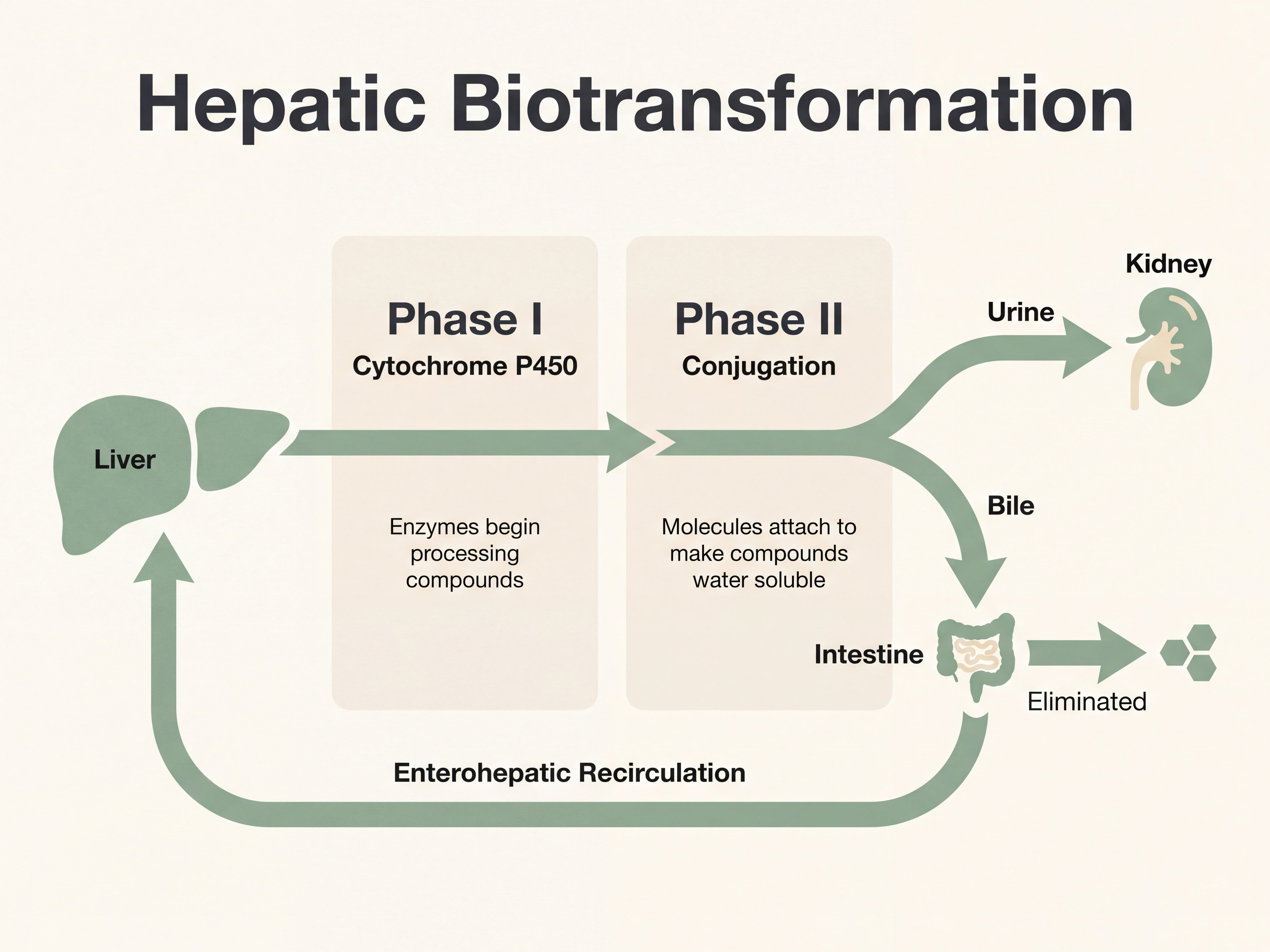
Biotransformation happens in two linked phases. In Phase I, enzymes of the cytochrome P450 family begin processing compounds, medications, and metabolic byproducts, preparing them for the next stage. In Phase II, the liver attaches molecules to those processed compounds, making them water-soluble so they can leave the body through urine or bile.
That Phase I detail is not trivia. The cytochrome P450 system is the same machinery that metabolizes prescription drugs, which is the mechanistic reason a plant compound and a medication can affect each other. It is the reason the interaction section below exists.
A third pathway matters and rarely appears in tea articles. Bile carrying processed compounds enters the intestine, where gut bacteria can either help those compounds leave the body or recycle them back to the liver through enterohepatic circulation. A 2026 bibliometric analysis of tea bioactives and liver fibrosis published in Frontiers in Nutrition identified gut-liver axis modulation, intestinal microbiota remodeling, and bile acid homeostasis among the mechanisms researchers are actively studying, alongside signaling pathways including TGF-beta/Smad, Nrf2, NF-kB, AMPK, and MAPK. Plant compounds that reach the gut intact can influence that recycling step. It is one reason a fiber-containing root behaves differently from an isolated compound.
Can Herbal Teas Damage the Liver?
Yes, rarely, and the documented pattern is specific. Reported cases cluster around two things: concentrated botanical extracts taken as supplements, and multi-herb blends of unverified composition. A 2022 case report in Case Reports in Gastroenterology described a 36-year-old woman who developed clinically significant acute liver injury with a cholestatic pattern after taking an over-the-counter herbal liver detox tea containing burdock root, stinging nettle leaf, cleavers herb, dandelion root, lemon peel, and lemon myrtle leaf. It was the first reported hepatotoxic case involving that combination. Niazi et al. (2022), Case Reports in Gastroenterology, PMID: 36636365.
We want to be direct about something in that ingredient list. Dandelion root appears in it, and dandelion root is an herb this article recommends. A single case report involving a six-ingredient blend does not establish which ingredient was responsible, and it does not make dandelion tea dangerous. What it does establish is that “herbal” and “harmless” are not synonyms, that blends are harder to assess than single herbs, and that anyone writing about liver teas who leaves this case out is not giving readers the full picture.
The American Association for the Study of Liver Diseases maintains a practice guideline specifically on drug, herbal, and dietary supplement-induced liver injury, which reflects how routinely hepatologists now encounter it. The National Institute of Diabetes and Digestive and Kidney Diseases maintains LiverTox, the reference catalogue for these cases. Both are worth knowing about before starting any daily herbal routine.
Green Tea Versus Green Tea Extract: Why the Dose Changes Everything
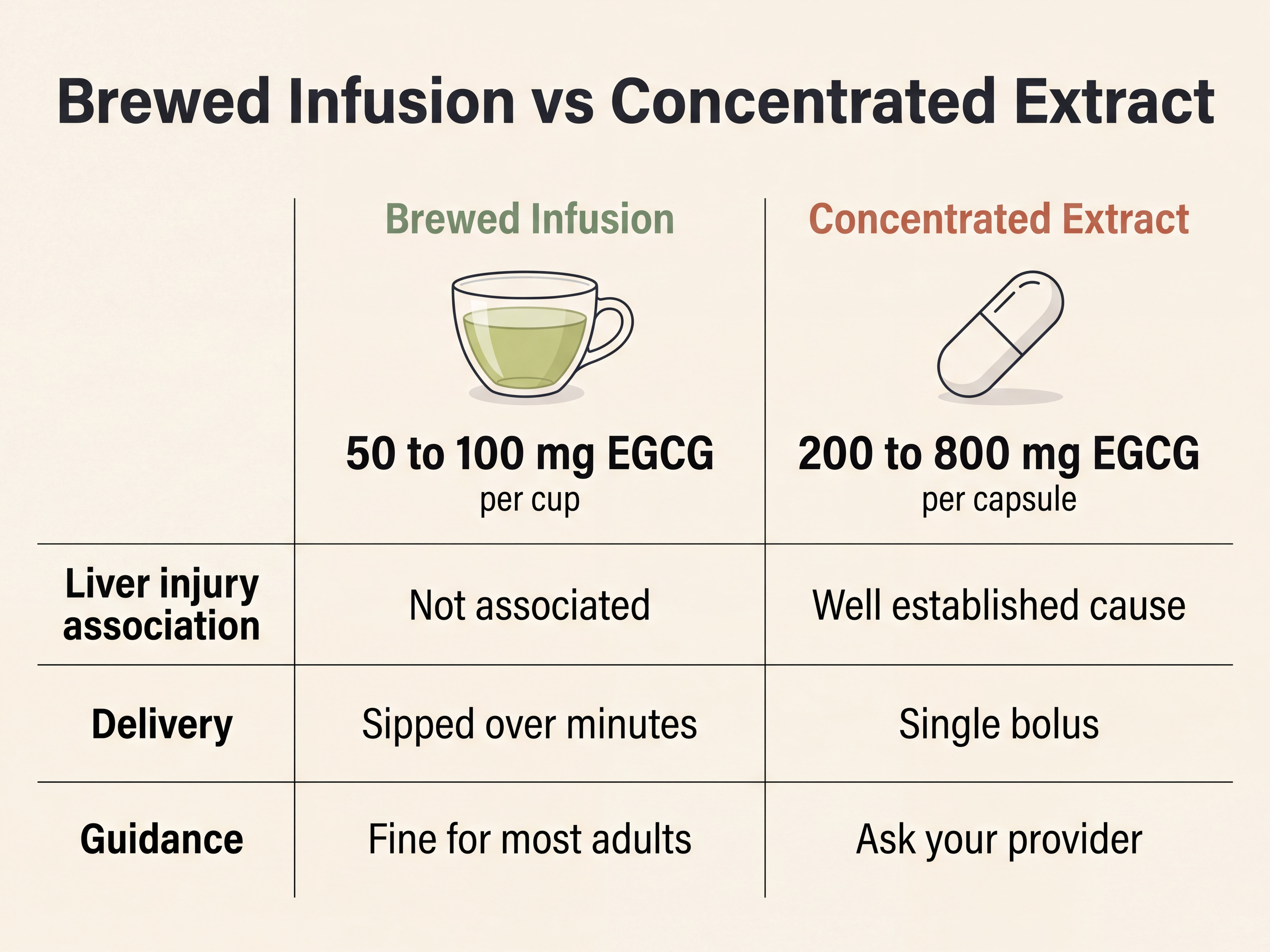
Brewed green tea and concentrated green tea extract have opposite safety records, and conflating them is the single most common error in this category. The United States Pharmacopeia published a systematic review of green tea extract hepatotoxicity that found published adverse event case reports associating liver injury with epigallocatechin gallate intakes ranging from 140 mg to approximately 1,000 mg per day, with a hepatocellular injury pattern and substantial variation between individuals. USP added a cautionary labeling requirement to its powdered decaffeinated green tea extract monograph as a result. Oketch-Rabah et al. (2020), Toxicology Reports, PMID: 32140423.
That review found something else worth knowing at the kitchen table: taking concentrated extract as a single bolus dose while fasting significantly increases catechin bioavailability, apparently by saturating first-pass elimination. The same milligram figure behaves differently on an empty stomach.
Individual susceptibility appears to be partly genetic. A secondary analysis of the Minnesota Green Tea Trial, in which 1,075 postmenopausal women were randomized to 843 mg per day of EGCG or placebo for 12 months, found that women with one UGT1A4 genotype showed a mean ALT increase of 78.1 percent at six months compared with 28.0 percent in the comparison genotype. Acosta et al. (2022), Journal of Dietary Supplements, PMID: 36178169. This is why “it was fine for me” is weak evidence in either direction.
| Factor | Brewed infusion | Concentrated extract capsule |
|---|---|---|
| Typical EGCG per serving | Roughly 50 to 100 mg per cup, varying with leaf, water temperature, and steep time | Commonly 200 to 800 mg or more in a single capsule |
| Reported liver injury association | Not associated with liver injury in the LiverTox catalogue | Well established as a cause of clinically apparent injury, with over 100 published cases |
| Delivery pattern | Spread across a cup consumed over minutes, usually with food or between meals | Single bolus, and bioavailability rises further when taken fasting |
| Observational evidence | A meta-analysis of green tea drinkers reported a relative risk of 0.68 for liver disease, 95 percent CI 0.56 to 0.82 | No comparable protective association reported for high-dose extract |
| Practical guidance | Reasonable as a daily beverage for most healthy adults | Discuss with a healthcare provider first, and avoid taking it fasting |
| Sources: Oketch-Rabah et al. (2020), Toxicology Reports, PMID: 32140423. Yin et al. (2015), International Journal of Clinical and Experimental Medicine, PMID: 26309486. NIDDK LiverTox green tea monograph. | ||
The short version: the beverage and the pill are not interchangeable, and the risk sits almost entirely with the pill.
Which Herbal Teas Should Be Avoided With Liver Disease?
If you have diagnosed liver disease, the decision belongs to your hepatologist, not to a tea guide. That said, the categories that recur in the safety literature are consistent enough to name.
- Concentrated botanical extracts in capsule form, particularly green tea extract, which the NIDDK LiverTox database rates as a well-established cause of clinically apparent liver injury.
- Multi-herb detox blends whose full ingredient list, plant parts, and quantities are not disclosed on the label, since an unidentifiable ingredient cannot be assessed or discontinued precisely.
- Blends containing stimulant laxatives such as senna, which act on the bowel rather than the liver and can cause fluid and electrolyte disturbance with sustained use.
- Any herbal product started without telling the prescriber, when you take medication metabolized by the liver.
- Products marketed with claims to reverse, repair, or cure a diagnosed liver condition, which is a labeling signal about the seller rather than a pharmacological one about the plant.
The National Center for Complementary and Integrative Health publishes plain-language guidance on detoxes and cleanses that is worth reading before starting any protocol.
Drug Interactions to Know Before You Brew
This is the section most tea articles omit, and mechanistically it is the most consequential one. Because the liver’s Phase I cytochrome P450 enzymes process both plant compounds and prescription drugs, the two can compete.
Dandelion has documented or suspected interactions with diuretics, lithium, anticoagulants including warfarin, and diabetes medications. Green tea contains vitamin K and can affect anticoagulant control, and its caffeine content interacts with stimulants and some cardiac medications. Milk thistle has been studied for effects on drug-metabolizing enzymes, with mixed findings, and remains worth flagging to a pharmacist. Turmeric may affect anticoagulant activity and bile flow, which matters for anyone with gallstones or bile duct obstruction.
The practical step is unglamorous and effective. Bring the actual package to a pharmacist and ask them to run an interaction check against your current medication list. In our experience fielding customer questions, this single step resolves more real safety concerns than any amount of reading.
Key Botanical Infusions for Liver Support
No single tea substitutes for medical care. Several botanicals do contain compounds studied for their supportive effects on hepatic function, and the traditions that used them were working from observation of digestion and bile rather than from mortality data.
| Tea | Traditional use and studied-for context | Commonly chosen for | Flavor profile |
|---|---|---|---|
| Milk thistle | Silymarin studied for hepatocyte membrane effects | General liver support | Mild, slightly sweet |
| Dandelion root | Traditionally used as a cholagogue and choleretic | Supporting digestion of fats | Earthy, roasted, bitter |
| Turmeric | Curcumin studied for inflammatory signaling | A balanced inflammatory response | Warm, spicy, earthy |
| Green tea | Catechins studied for oxidative stress markers | Daily antioxidant intake | Grassy, slightly astringent |
| Artichoke leaf | Cynarin studied for bile secretion | Supporting digestion | Mildly bitter, vegetal |
A Deeper Look at Five Supportive Herbs
Milk Thistle (Silybum marianum)
Milk thistle is the most-studied herb in this category, and the honest summary is more complicated than the marketing. Its active compound group, silymarin, is a flavonolignan complex that has been studied for its effects on the hepatocyte membrane and on protein synthesis in liver tissue.
The strongest clinical evidence does not support the strongest claims. A Cochrane Hepato-Biliary Group systematic review with meta-analysis assessed 13 randomized clinical trials in 915 patients with alcoholic and hepatitis B or C liver disease. Milk thistle showed no significant effect on all-cause mortality, with a relative risk of 0.78 and a 95 percent confidence interval of 0.53 to 1.15, and no significant effect on complications of liver disease or on liver histology. Liver-related mortality reached significance across all trials but not when the analysis was restricted to high-quality trials. Rambaldi et al. (2005), American Journal of Gastroenterology, PMID: 16279916.
We sell milk thistle. We are telling you the highest-quality trial evidence found no mortality benefit, because that is what it found, and because a claim we cannot support is worth less to you than a fact we can. Milk thistle remains reasonable as part of a general wellness routine and is not a treatment for liver disease. Our detailed guide to milk thistle for liver function covers the mechanism research in depth.
To prepare it, steep one teaspoon of the crushed seed in hot water for 10 to 15 minutes. Whole seed is poorly water-soluble, which is one honest limitation of the tea form. It can have a mild laxative effect in some people. For daily use, one to two cups is a common pattern, and there is no evidence supporting higher intake.
Dandelion Root (Taraxacum officinale)
Dandelion root is a traditional bitter used as a cholagogue and a choleretic, meaning it has been used to encourage the liver to produce bile and the gallbladder to release it. A 2025 narrative review in Pharmaceuticals identified taraxasterol as the predominant bioactive compound and summarized preclinical studies in which dandelion extracts protected against liver damage induced by alcohol, carbon tetrachloride, and acetaminophen. The authors were explicit that this work is preclinical, and that clinical trials in humans remain essential to establish safety, efficacy, optimal dosing, and interactions with conventional drugs. Herrera Vielma et al. (2025), Pharmaceuticals, PMID: 40732279.
That distinction is the whole answer to whether dandelion tea “works.” Animal models are genuinely promising. Human trials have not been done at the scale required. A cup of tea also delivers a lower and more variable concentration of active compounds than the extracts used in those studies.
The root also contains inulin, a soluble fiber that feeds gut bacteria. That is one plausible route by which a root infusion could influence bile acid recycling in a way an isolated compound would not.
Roasted dandelion root has a rich, coffee-like character. Steep one to two teaspoons of the dried root in hot water for up to 20 minutes. One to two cups daily is the usual pattern. Dandelion belongs to the Asteraceae family, so anyone with a known sensitivity to ragweed, daisies, chrysanthemums, or marigolds should treat it with the same caution they would apply to those plants. Our comparison of wild lettuce and dandelion covers the bitter-herb distinctions in more detail.
Turmeric (Curcuma longa)
Turmeric contains curcumin, studied for its effects on inflammatory signaling at the cellular level. Research has examined its relationship to liver enzyme measurements and hepatic fat accumulation.
One caveat belongs here rather than buried in a footnote. Concentrated turmeric extract, not culinary turmeric or turmeric tea, now appears among the botanical supplements most frequently associated with liver injury in United States clinical databases. The same infusion-versus-extract line that applies to green tea applies here. Simmer a few slices of fresh root or one teaspoon of powder for 10 minutes, and pair it with black pepper, whose piperine improves curcumin absorption.
Green Tea (Camellia sinensis)
Green tea is rich in catechins, of which epigallocatechin gallate is the most studied. These compounds have been examined for their relationship to oxidative stress markers.
On the beverage itself, the observational evidence is reasonably encouraging. A meta-analysis of green tea intake and liver disease risk reported a relative risk of 0.68 among green tea drinkers, with a 95 percent confidence interval of 0.56 to 0.82, and reduced risk estimates across hepatocellular carcinoma, liver steatosis, hepatitis, and chronic liver disease. Yin et al. (2015), International Journal of Clinical and Experimental Medicine, PMID: 26309486. The authors noted that these are observational associations and that long-term randomized trials are still needed. An association in observational data is not the same as a demonstrated effect, and it does not mean green tea prevents any condition.
Brew with water that is hot but not boiling, around 175 degrees Fahrenheit, for 2 to 3 minutes to avoid bitterness. Be mindful of caffeine. And read the extract comparison above before considering a capsule.
Artichoke Leaf (Cynara scolymus)
Artichoke leaf is a traditional bitter studied primarily for its effect on bile secretion. The active compound cynarin has been examined in relation to choleretic activity, which supports the digestion and processing of fats. By supporting bile flow, artichoke leaf has traditionally been paired with meals rather than taken on an empty stomach. It has a distinctly bitter taste and should be steeped for 10 to 15 minutes.
How Long Before Herbal Tea Makes a Difference?
There is no evidence-based timeline, and any source giving you one in days is inventing it. Digestive effects from bitter herbs such as dandelion and artichoke are the fastest thing people notice, often within the same meal, because the bile response is immediate rather than cumulative. That is a real effect on digestion, not a measure of liver function.
Anything involving liver enzyme measurements operates on a much longer scale. Clinical trials in this category typically run 8 to 12 weeks at minimum, and the Minnesota Green Tea Trial ran for 12 months. If you want to know whether something is affecting your liver values, the answer comes from a blood panel ordered by your provider, not from how you feel.
A reasonable approach for a healthy adult: pick one single-herb tea, drink it consistently for a few weeks, and pay attention to digestion and tolerance rather than to an outcome you cannot observe. If you are managing a diagnosed condition, that plan needs your provider’s input first.
Do Liver Teas Also Support the Kidneys?
Partly, and the overlap is smaller than the “liver and kidney cleanse” marketing suggests. The two organs have different jobs. The liver biotransforms compounds into water-soluble forms. The kidneys filter those forms out of the blood and excrete them. A plant compound that supports one is not automatically doing anything for the other.
Dandelion is the main genuine crossover, and its traditional use as a mild diuretic is the reason. Increasing urine output is not the same as improving kidney function, and it is precisely why dandelion interacts with prescription diuretics and with lithium, whose clearance depends on fluid and sodium balance. Anyone with reduced kidney function should raise dandelion with their nephrologist before making it a daily habit, not after.
Our guide to detoxifying herbs covers kidney and lymphatic support in depth, including which claims hold up and which do not.
Common Liver-Detox Claims, and What the Evidence Says
The liver is not a filter that fills with sludge and needs periodic flushing. It is an active organ performing continuous enzymatic biotransformation, and it does not stop and wait for a tea. Johns Hopkins Medicine and Brown University Health both publish plain-language explanations of why the flush model does not match the physiology, and both are worth reading.
Three claims come up constantly and are worth answering briefly. A three-day liver cleanse does not accelerate an enzymatic process that runs continuously. Rapid weight change during a cleanse protocol reflects fluid and bowel content, not fat or stored compounds. And a tea cannot repair established structural liver damage, which is a clinical matter requiring diagnosis and treatment.
What supported nutrition and hydration can plausibly do is supply the substrates those enzymatic pathways use. That is a supportive role, and it is a much smaller claim than the category usually makes. Our detailed article on detoxifying herbs examines what 22 individual herbs actually do and where the evidence runs out.
Integrating Teas into Your Daily Wellness Routine
Making an infusion part of your day works best when it fits the way the herb behaves. Bitter herbs such as dandelion root and artichoke leaf are traditionally taken before or with a meal, since their action is tied to bile release and fat digestion. Green tea suits mid-morning or early afternoon, where its caffeine is useful rather than disruptive. Milk thistle is neutral on timing and can be taken any time of day.
Consistency matters more than volume. One to three cups daily is a common pattern for a healthy adult, and starting with a single cup lets you assess tolerance before building a habit. Preparation is worth attention too. Roots and seeds are dense material and need longer steeping, typically 10 to 20 minutes, while leaves release their compounds in 2 to 5 minutes. Cover the cup while steeping to keep volatile compounds from escaping with the steam.
One thing not to do is combine four or five liver herbs into a homemade blend on the theory that more is better. The documented injury case above involved a six-herb blend, and blends are harder to assess and harder to discontinue precisely when something goes wrong. Single-herb infusions, rotated if you like variety, are the more sensible pattern.
A Note on Quality and Safety
Herbal product quality varies more than most buyers expect, and on liver-adjacent products the stakes are higher than usual. In our sourcing work, the questions that actually separate suppliers are narrow and specific.
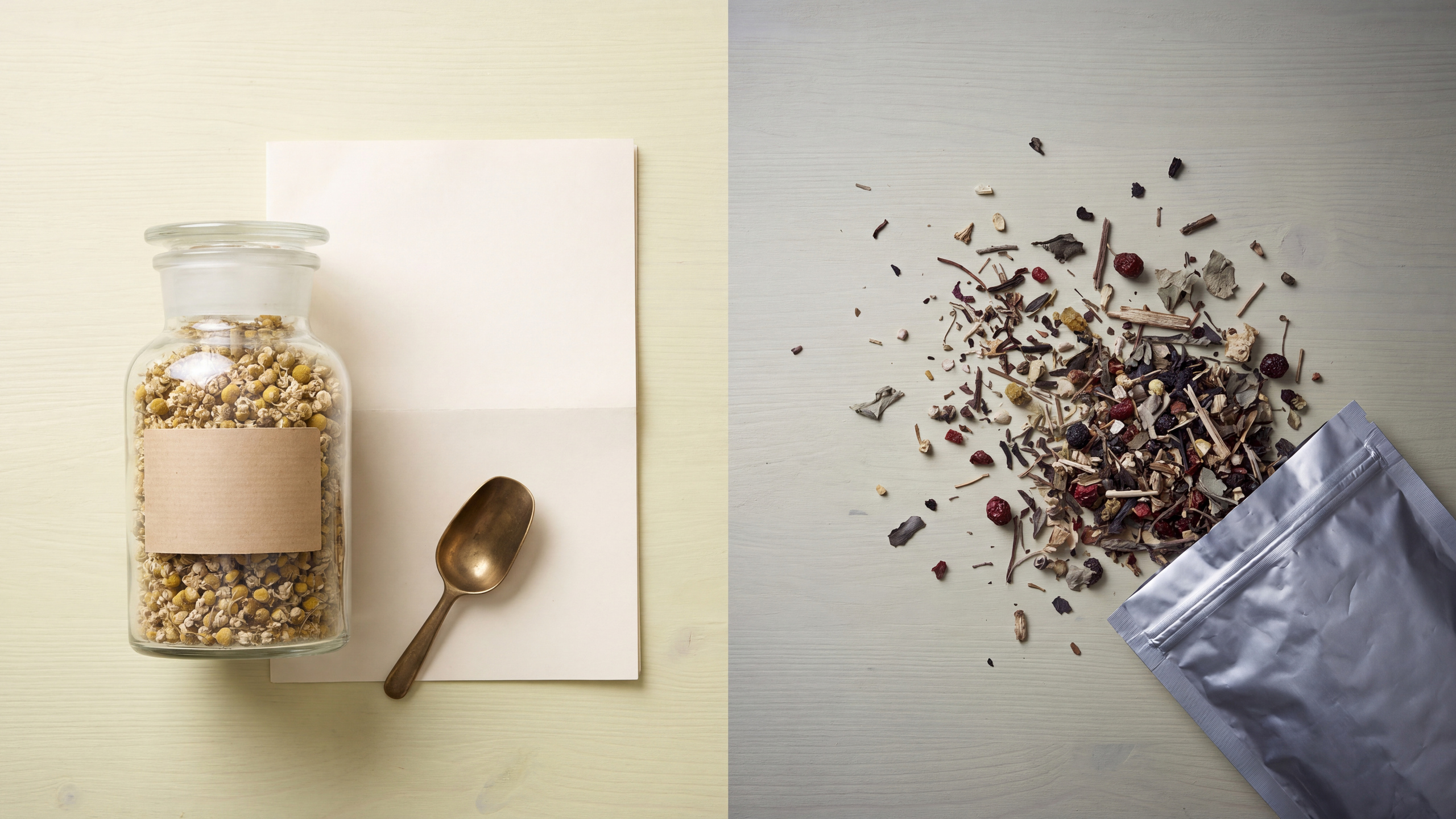
Which plant part is it? Dandelion root and dandelion leaf are different materials with different compound profiles, and a label that says only “dandelion” has told you less than it appears to. Is the botanical species named? Taraxacum officinale on a label is a verifiable claim; “dandelion” alone is not. Is the full ingredient list disclosed with plant parts and proportions? Is there third-party testing for heavy metals and microbial contamination, and can the supplier produce the certificate of analysis? Botanical supplements are regulated as foods rather than as drugs in the United States, so this verification is the buyer’s responsibility in a way it is not with medication.
Our own milk thistle seed powder is cold-milled from whole Mediterranean-sourced Silybum marianum seed rather than concentrated into a standardized extract, which is a deliberate choice given everything above about extract dose and hepatotoxicity. Whole seed delivers the flavonolignan complex at food-level concentrations.
Store dried herbs in airtight containers away from light and heat. Volatile compounds degrade with exposure, and a root that has sat in a clear jar on a sunny shelf for two years is not the material described in the research.
Frequently Asked Questions About Liver Teas
Is milk thistle tea safe for daily use?
For most healthy adults, one to two cups daily is generally well tolerated, with a mild laxative effect reported by some people. The Cochrane review found no significant increase in adverse events compared with placebo across 13 trials. People taking medication should have a pharmacist run an interaction check first, and anyone with a diagnosed liver condition should involve their provider.
Can green tea harm the liver if taken in extracts?
Concentrated green tea extract has been associated with clinically apparent liver injury, and the NIDDK LiverTox database rates it as a well-established cause. The USP review documented case reports at EGCG intakes from 140 mg to roughly 1,000 mg per day, with risk increasing when the extract is taken as a single bolus while fasting. Brewed green tea does not carry the same association.
Does dandelion tea actually detox the liver?
Dandelion does not flush stored compounds out of the liver, because that is not how hepatic biotransformation works. Its traditional use is as a cholagogue and choleretic, meaning it has been used to encourage bile production and release, which supports fat digestion. Preclinical studies of taraxasterol are promising, and human clinical trials have not yet been done at the scale needed to draw firm conclusions.
Are there side effects or drug interactions with dandelion root tea?
Yes. Dandelion has documented or suspected interactions with diuretics, lithium, anticoagulants including warfarin, and diabetes medications. Because it belongs to the Asteraceae family, people sensitive to ragweed, daisies, chrysanthemums, or marigolds may react to it. Anyone with gallstones or bile duct obstruction should avoid bile-stimulating herbs without medical guidance.
Which herbal teas may help with fatty liver?
No herbal tea is an established treatment for hepatic steatosis, and it should not replace the dietary and lifestyle measures that clinical guidelines centre on. Green tea intake has been associated with lower liver steatosis risk in observational meta-analyses, with a relative risk of 0.65, though observational association is not a demonstrated effect. Anyone with a fatty liver diagnosis should treat tea as an adjunct, discussed with their provider.
Which herbal tea is safest for liver health?
Single-herb infusions from a supplier that names the botanical species and plant part are the easiest to assess, and among them, a simple brewed green tea has the most reassuring safety record as a beverage. The safety question is less about which herb and more about form, dose, and disclosure. Unlabeled multi-herb detox blends are the category where documented injury cases cluster.
How often should I drink these teas?
One to three cups per day is a common pattern for general wellness in a healthy adult, and consistency matters more than quantity. Starting with a single cup daily lets you assess how you tolerate it before building the habit.
Can these teas replace medical treatment?
No. Botanical infusions are supportive measures within a healthy lifestyle. They cannot replace medical treatment for liver disease or any other health condition. Always follow the guidance of a qualified healthcare provider for diagnosis and treatment.
What is the best time of day to drink tea for liver support?
It depends on the herb. Dandelion root and artichoke leaf are traditionally taken before or with a meal, because their action relates to bile release and fat digestion. Green tea suits mid-morning or early afternoon given its caffeine. Milk thistle is neutral on timing.
Do all detox teas support the liver?
No, and some carry documented risk. Many commercial detox blends contain stimulant laxatives such as senna, which act on the bowel rather than the liver and can cause fluid and electrolyte disturbance with sustained use. Multi-herb blends of undisclosed composition are the category associated with reported liver injury cases. Single-ingredient, well-researched herbs from a supplier that names the species and plant part are the safer pattern.
Related Reading
Continue with our practitioner-reviewed guide to herbs for liver support, our detailed article on milk thistle for liver function, our evidence review of detoxifying herbs, and our comparison of wild lettuce and dandelion.
Important: This article is for educational and informational purposes. The statements have not been evaluated by the Food and Drug Administration. The herbs and herbal products discussed are not intended to diagnose, treat, cure, or prevent any disease, including liver disease. Information presented here is not a substitute for professional medical advice, diagnosis, or treatment. Always consult a qualified healthcare provider for medical guidance specific to your circumstances. Do not delay seeking medical care because of information you have read on this site.