The Role of Immune Health
The immune system is a complex network that protects the body from harmful pathogens and diseases. A robust immune response is essential for maintaining health, particularly during cold and flu seasons. Factors such as nutrition, stress management, and lifestyle choices significantly influence immune resilience. A healthy gut microbiome is crucial for proper immune function. A significant portion of the immunity resides in the gut.
Key Herbs for Immune Support and Their Mechanisms of Action
Several herbs are celebrated for their beneficial properties in promoting immune health. Each herb offers unique advantages, impacting different aspects of the immune system, and can be easily incorporated into your daily routine.
| Herb | Key Benefits | How to Use | Mechanism of Action |
|---|---|---|---|
| Echinacea | Stimulates the immune system, may reduce the duration and severity of colds, and supports overall immune response. Effective against viruses and bacteria. | Available as tea, tincture, or capsules. Different species (E. purpurea, E. angustifolia, E. pallida) may have slightly different effects. | Alkylamides: Interact with cannabinoid receptors (like CB2), which are involved in immune modulation. They also help release natural killer cells from inhibition by prostaglandins. Caffeic Acid Derivatives (e.g., Cichoric Acid): Antioxidant, anti-inflammatory, and antiviral. Cichoric acid has been shown to inhibit HIV-1 integrase. Polysaccharides: Stimulate macrophages to release cytokines (TNFα, IFNβ2, IL-1), activating natural killer cells and enhancing phagocytosis. E. purpurea (above-ground parts) is often considered the most effective. |
| Ginger | Rich in antioxidants, possesses potent anti-inflammatory properties, supports digestion (which indirectly aids immunity), and may help with respiratory infections. | Can be added to teas, smoothies, or savory dishes. Fresh ginger may be more effective for respiratory protection, while dried ginger has concentrated anti-inflammatory benefits. | Gingerol (Fresh Ginger): Potent anti-inflammatory and antioxidant. Supports digestion by stimulating saliva and bile production. Shogaols (Dried Ginger): Formed during drying, these have even stronger anti-inflammatory effects than gingerol. Dried ginger may be more effective for balancing vata according to Ayurvedic medicine. |
| Garlic | Contains allicin, which supports immune function, has antimicrobial and antiviral effects, and may help with cardiovascular health (indirectly supporting immunity). | Best consumed raw or lightly cooked for maximum allicin content. Aged garlic extracts has different properties, with less allicin but other beneficial sulfur compounds. | Allicin (Raw Garlic): A powerful sulfur-containing compound formed when garlic is crushed or chopped. It has direct antimicrobial and antiviral activity. Allicin is unstable and degrades with cooking. Aged Garlic Extract: Contains different sulfur compounds (like S-allyl cysteine) with antioxidant and immune-modulating effects. |
| Turmeric | Known for its powerful anti-inflammatory and antioxidant properties due to curcumin, supports gut health (linked to immunity). | Used in cooking (often with black pepper to enhance absorption) or as a supplement (curcumin extracts are often more potent). | Curcumin: A potent anti-inflammatory compound that inhibits various inflammatory pathways (e.g., NF-κB). It also has strong antioxidant properties and supports gut health by reducing inflammation. |
| Oregano | Packed with antioxidants, has potential antiviral and antibacterial properties, and supports respiratory health. | Used fresh or dried in cooking, or as an essential oil (diluted, and with caution). | Carvacrol and Thymol: These are the main active compounds, responsible for oregano’s antimicrobial and antiviral effects. They disrupt the cell membranes of bacteria and viruses. |
| Elderberries | Rich in antioxidants (anthocyanins, quercetin, flavanols), may help reduce cold and flu symptoms and duration, supports immune response against viruses. | Available as syrup, gummies, lozenges, tea, or capsules. Must be cooked to remove toxic compounds present in raw berries. | Anthocyanins: Give elderberries their dark color and have strong antioxidant and antiviral properties. They may inhibit viral replication by interfering with hemagglutinin protein, preventing the virus from entering cells. Elderberry also stimulates the production of cytokines, enhancing the immune response. Cooked elderberries are safe; raw elderberries, seeds, bark, and leaves contain cyanogenic glycosides and should be avoided. |
| Astragalus | Adaptogen with significant immune-modulating properties supports long-term immune health and may help with allergies and fatigue. | Commonly used in Traditional Chinese Medicine (TCM). Available as capsules, teas, or extracts. | Polysaccharides: Stimulate the immune system, increasing the production of white blood cells and enhancing natural killer cell activity. Astragalosides: Have anti-inflammatory and immunostimulatory effects. They may also help regulate the balance between effector cells and regulatory T cells. Astragalus may also support kidney and heart function, indirectly benefiting the immune system. |
| Olive Leaf Extract | Contains oleuropein, a powerful antioxidant and antiviral compound, that supports cardiovascular health (indirectly aiding immunity). | Available as capsules, extracts, or teas. | Oleuropein: The main active compound, broken down into elenolic acid. It has strong antiviral and antibacterial properties, disrupting viral replication and bacterial cell walls. Olive leaf extract also modulates the immune response, increasing IFN-γ production and potentially enhancing anti-tumor activity. It may also support cardiovascular health by reducing inflammation and improving blood vessel function. |
| Licorice Root | Immunomodulatory and antiviral effects supports gut health (linked to immunity). Use with caution due to potential side effects. | Available as teas, capsules, or extracts. Deglycyrrhizinated licorice (DGL) is a safer form for long-term use. | Glycyrrhizin: The main active compound, but also responsible for potential side effects (high blood pressure, low potassium). It has antiviral and immunomodulatory properties. Other Compounds: Licorice also contains flavonoids and other compounds that contribute to its effects. It can support gut health by increasing beneficial bacteria (like Bacteroides) and reducing potentially harmful bacteria. Important Note: Licorice should be used under the guidance of a healthcare professional due to potential interactions and side effects. |
| Ginseng | Known for its adaptogenic properties. | Available as teas, capsules, or extracts. | Ginsenosides are believed to be the major active components, modulating the immune response and providing antioxidant effects. |
| Goldenseal | Contains berberine, known for its antibacterial and anti-inflammatory properties. | Available as teas, capsules, or tinctures. | Berberine is thought to be the primary active constituent, exhibiting broad-spectrum antimicrobial activity. |
| Rosemary | Contains Rosmarinic acid. | Add to foods. | Rosmarinic acid. |
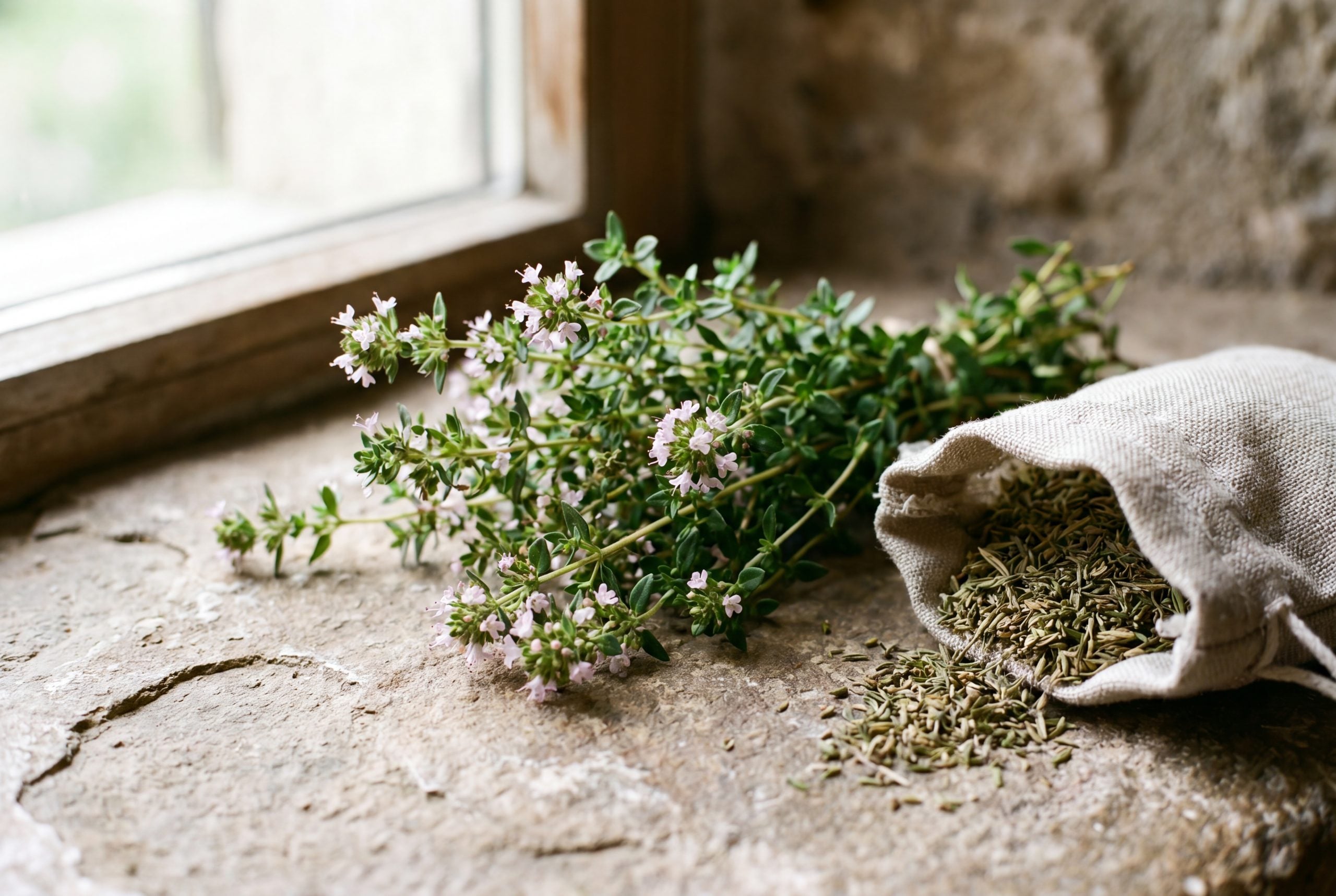
Thyme (Thymus vulgaris)
Thyme is a culinary herb rich in the volatile oils thymol and carvacrol. In traditional Western herbalism, thyme tea has been used to support respiratory comfort and soothe the throat during seasonal changes. Its aromatic compounds give it a warming, slightly pungent character that pairs well in a tea blend with ginger and a little honey.
Incorporating Herbs into Your Daily Life
Adding these powerful herbs to your diet can be simple and enjoyable.
- Herbal Infusions: Brew a comforting tea using fresh or dried herbs like echinacea, ginger, elderberry, or astragalus to enjoy their benefits. Consider combining herbs for synergistic effects (e.g., ginger and turmeric).
- Culinary Uses: Enhance your meals with garlic, turmeric, oregano, and ginger for flavor and health advantages. Remember that cooking can affect the potency of some compounds (like allicin in garlic).
- Supplementation: Consider high-quality herbal supplements for a concentrated dose of these beneficial plant compounds. Look for standardized extracts to ensure consistent potency. Always consult your doctor before starting any new supplements.
- Tinctures: Consider tinctures as they are potent liquid extracts.
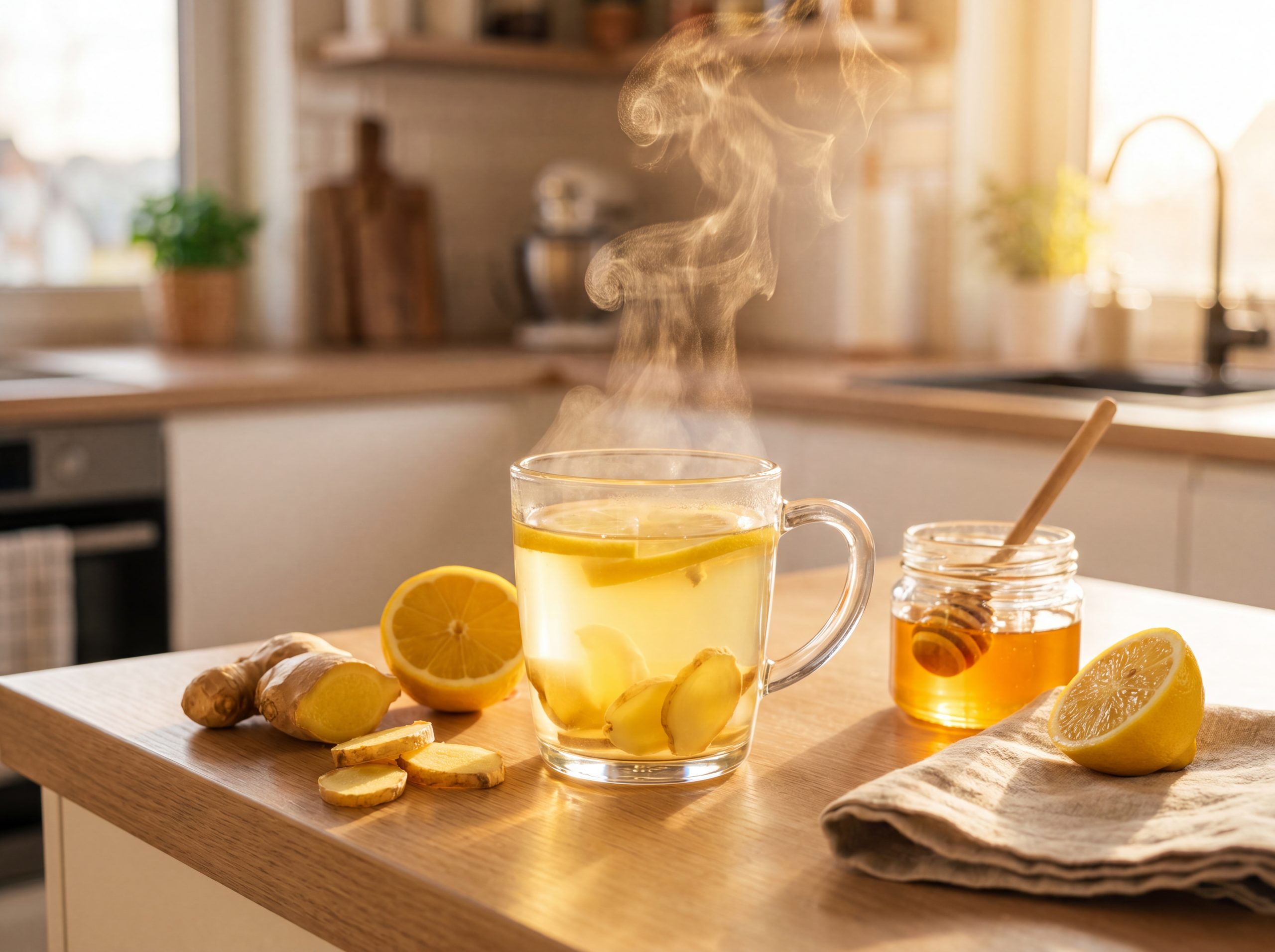
How to Make Ginger-Lemon-Honey Tea
This simple preparation is a comforting way to take ginger during cold and flu season. From our kitchen testing, fresh ginger gives the brightest flavor and the most gingerol.
- Peel and thinly slice a 1-inch piece of fresh ginger root.
- Simmer the slices in 2 cups of water for 10 minutes.
- Remove from heat, then stir in the juice of half a lemon.
- Let the tea cool for a minute, then add 1 teaspoon of raw honey. Adding honey after the tea cools helps preserve its delicate compounds.
Sip warm. This blend offers the warming aromatics of ginger, the vitamin C of lemon, and the soothing coat of honey.
Pairing Immune Herbs Effectively
Many herbalists combine herbs that complement one another rather than relying on a single plant. The table below shows pairings our editorial team sees most often in traditional practice.
| Goal | Suggested pairing | Traditional rationale |
|---|---|---|
| At the first sign of seasonal discomfort | Elderberry plus echinacea | Both are traditionally taken at onset to support the body during seasonal challenges. |
| Daily baseline support | Astragalus plus reishi | Tonic herbs taken consistently over weeks in Traditional Chinese Medicine. |
| Warming and antioxidant support | Ginger plus turmeric | A classic culinary pairing rich in gingerol and curcumin. |
Adaptogens and Immune Support
Several of the herbs discussed, including astragalus, reishi, holy basil, and licorice root, are classified as adaptogens. Adaptogens are a unique class of herbs that help the body adapt to stress, whether physical, environmental, or emotional. Stress significantly impacts the immune system, weakening its defenses. Adaptogens work by modulating the body’s stress response, primarily through the hypothalamic-pituitary-adrenal (HPA) axis. This helps to maintain balance (homeostasis) and indirectly supports immune function. They are considered non-toxic at normal doses and support the entire body’s ability to cope.
Medicinal Mushrooms for Immune Modulation
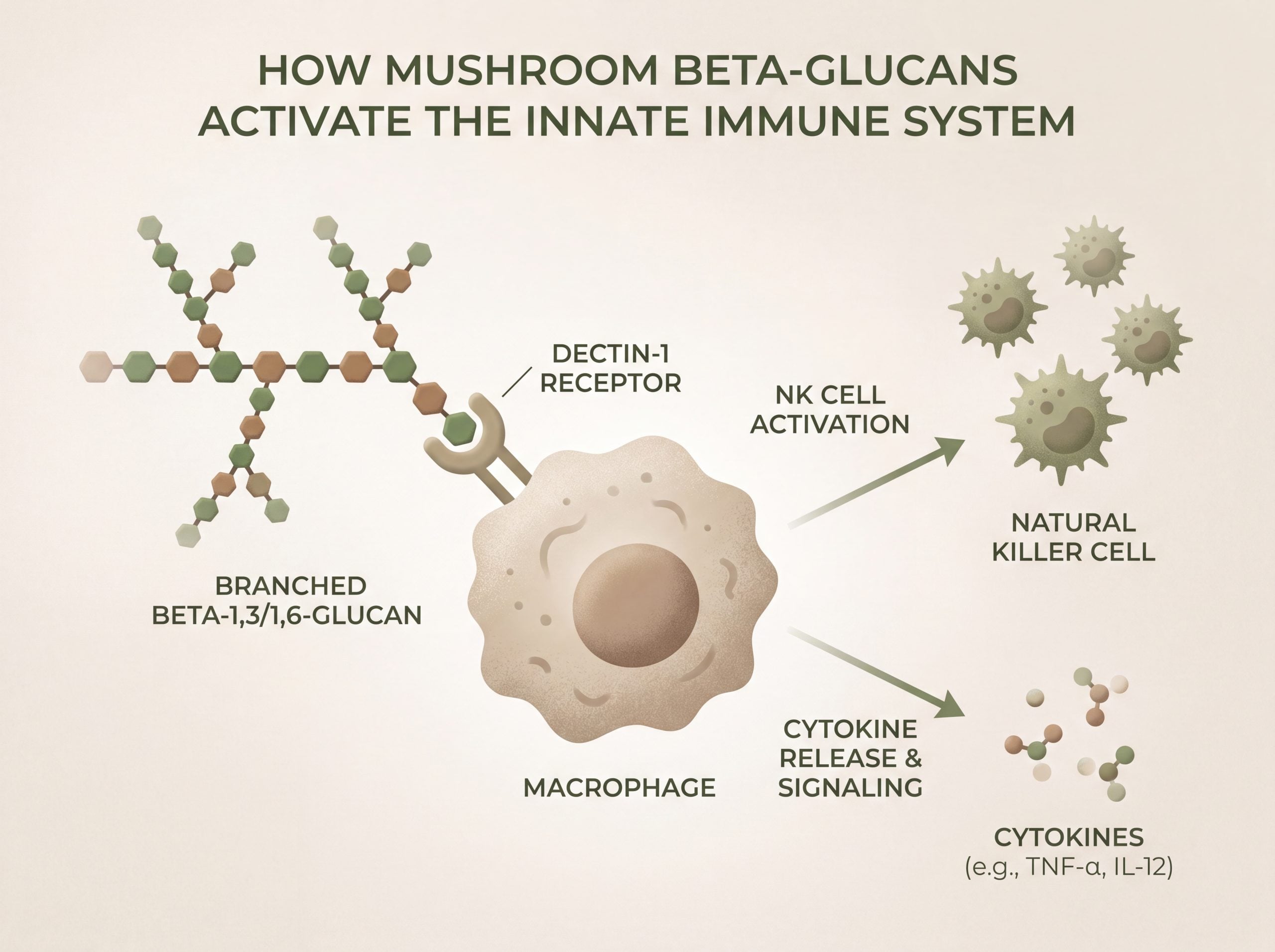
Several medicinal mushrooms have a long record in Traditional Chinese Medicine for supporting the body’s defenses, and modern research has focused on their cell-wall polysaccharides called beta-glucans. In our review of the literature, beta-glucans are recognized by receptors such as Dectin-1 on macrophages, neutrophils, and natural killer cells, which helps prime the innate immune response (Camilli et al. 2014, Cytokine, PMID: 24940900).
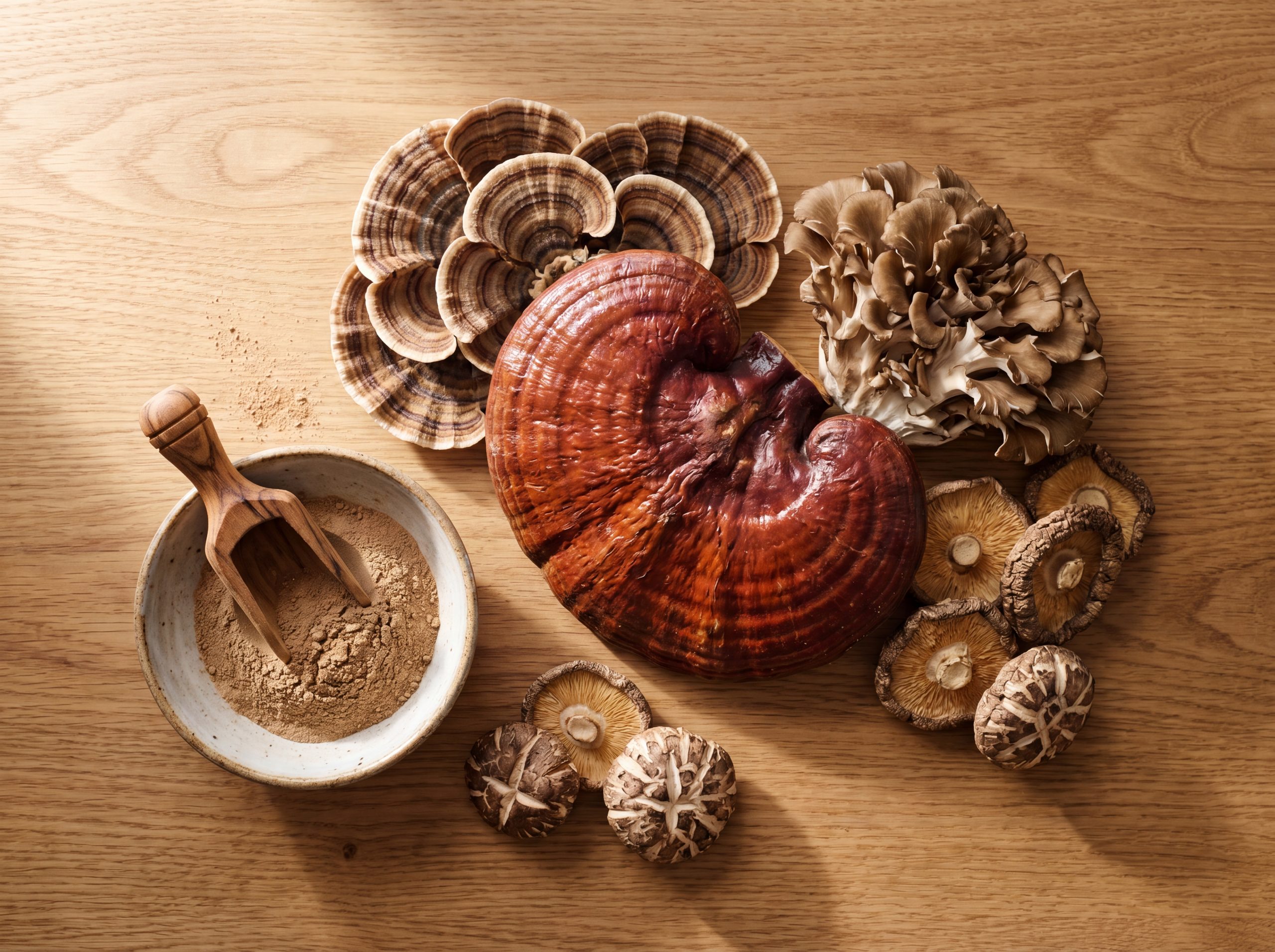
Reishi (Ganoderma lucidum)
Reishi is a tonic mushroom traditionally taken over time rather than at the first sign of symptoms. It is also classified as an adaptogen, which is why it appears in both that section above and here.
Turkey Tail (Trametes versicolor)
Turkey tail is one of the most studied mushrooms for its beta-glucan content, in particular a fraction known as PSK. Its layered, fan-shaped brackets give it its common name.
Maitake (Grifola frondosa) and Shiitake (Lentinula edodes)
Maitake and shiitake are culinary mushrooms that double as immune-supporting foods. Both contribute beta-glucans, and shiitake also provides lentinan, a well-characterized polysaccharide. From our kitchen testing, gentle cooking preserves their flavor while keeping them easy to add to broths and stir-fries.
The Gut-Immune Connection
A healthy gut microbiome, the community of bacteria and other microorganisms living in the digestive tract, is crucial for proper immune function. Some of the herbs discussed, such as ginger, turmeric, and licorice root, also support gut health. They can act as prebiotics, feeding beneficial bacteria, and help to reduce inflammation in the gut lining. This further enhances their overall immune-boosting effects.
Addressing Different Types of Threats
While many of these herbs offer broad-spectrum immune support, some may be more effective for specific types of threats:
- Antiviral: Elderberry, echinacea, olive leaf extract, licorice root, Andrographis, reishi.
- Antibacterial: Garlic, oregano, echinacea, olive leaf extract.
- General Immune Support: Astragalus, reishi, holy basil, turmeric, ginger.
Seasonal Considerations for Prevention
- Prevention: Astragalus, reishi, and echinacea can be taken regularly during cold and flu season (fall and winter) to support overall immune resilience.
- At the onset of symptoms: Elderberry, echinacea, and andrographis are traditionally taken at the first sign of seasonal discomfort to support the body during seasonal immune challenges and to help ease the duration and intensity of symptoms.
Daily Tonics Compared with At-Onset Herbs
Immune herbs fall into two broad groups. Daily tonics like astragalus and reishi are traditionally taken consistently over weeks to support baseline resilience. At-onset herbs like elderberry, echinacea, and andrographis are traditionally reserved for the first signs of seasonal discomfort, when they are taken more frequently for a short window. Knowing which group an herb belongs to helps you decide when to reach for it.
Potential Benefits and Risks of Using Herbs for Immune Support
| Benefits | Risks |
|---|---|
| Nature’s holistic approach to health. | May interact with medications: For example, licorice root can interact with blood pressure medications, and echinacea may interact with immunosuppressants. Always consult your doctor. |
| Rich in antioxidants and anti-inflammatory compounds. | Effectiveness can vary: Individual responses to herbs can differ based on genetics, overall health, and the quality of the herbal product. |
| Can be easily incorporated into daily routines. | Quality and potency can differ: Look for standardized extracts and reputable brands to ensure you’re getting a high-quality product. Consider products with USP or GMP seals. |
| Supporting overall wellness and vitality. | Not a substitute for medical treatment: Herbs can be a valuable complement to conventional medicine, but they should not replace medical care when needed. |
| Potential Side Effects: While generally safe, some herbs can cause side effects in certain individuals. For example, licorice root can raise blood pressure, and some people may be allergic to echinacea. Start with low doses and monitor your body’s response. | |
| Specific Contraindications: Pregnant and breastfeeding women should avoid certain herbs (e.g., elderberry is not recommended due to lack of research). People with autoimmune conditions should use caution with immune-stimulating herbs and consult their doctor. | |
| Although an exact dosage is not mentioned, always consult a doctor. |
Choosing Quality Herbal Products
- Look for Standardized Extracts: These ensure a specific concentration of active compounds.
- Choose Reputable Brands: Research companies that have a good reputation for quality and purity.
- Consider Certifications: Look for seals like USP (United States Pharmacopeia) or GMP (Good Manufacturing Practice) to ensure quality control.
- Read Labels Carefully: Pay attention to the ingredients, dosage, and any warnings or contraindications.
- Organic products: Consider buying herbs that are certified organic.
Lifestyle Factors for a Strong Immune System
Herbal remedies are just one piece of the puzzle. Other lifestyle factors are vital for immune function:
- Healthy Diet: A diet rich in fruits, vegetables, and whole grains provides essential nutrients for immune cells. Adding beneficial spices can aid too.
- Regular Exercise: Physical activity improves circulation and helps immune cells function effectively.
- Quality Sleep: Adequate sleep is crucial for immune system recovery and function.
- Stress Management: Chronic stress weakens the immune system. Techniques like meditation, yoga, and spending time in nature can help.
Herbal Support Compared with Conventional Approaches
A common question is how herbal supplements compare with conventional over-the-counter products. In our editorial view, the two serve different roles. Herbal traditions emphasize supporting the body’s own defenses over time and easing the comfort of seasonal symptoms, while conventional medicines are formulated to act on specific symptoms directly. Herbs are best thought of as complementary to, not a replacement for, medical care. For any persistent fever, difficulty breathing, or symptoms that worsen, a licensed healthcare provider should be consulted.
Potential Side Effects and Interactions of Using Immune-Boosting Herbs
While immune-boosting herbs offer a plethora of health benefits, it’s paramount to acknowledge that they can also come with potential side effects and interactions, especially when not used judiciously. Understanding these risks is essential for anyone looking to incorporate herbal remedies into their health regimen.
Herbs such as echinacea and ginger, while beneficial for immune support, can interact with certain medications, including blood thinners and drugs for diabetes and high blood pressure. It’s crucial for individuals on such medications to consult healthcare providers before adding these herbs to their diet.
Allergic reactions are another consideration. Some individuals may find they are allergic to specific herbs, which could manifest as skin rashes, respiratory issues, or more severe allergic responses. Starting with small doses and being mindful of your body’s reactions can help mitigate these risks.
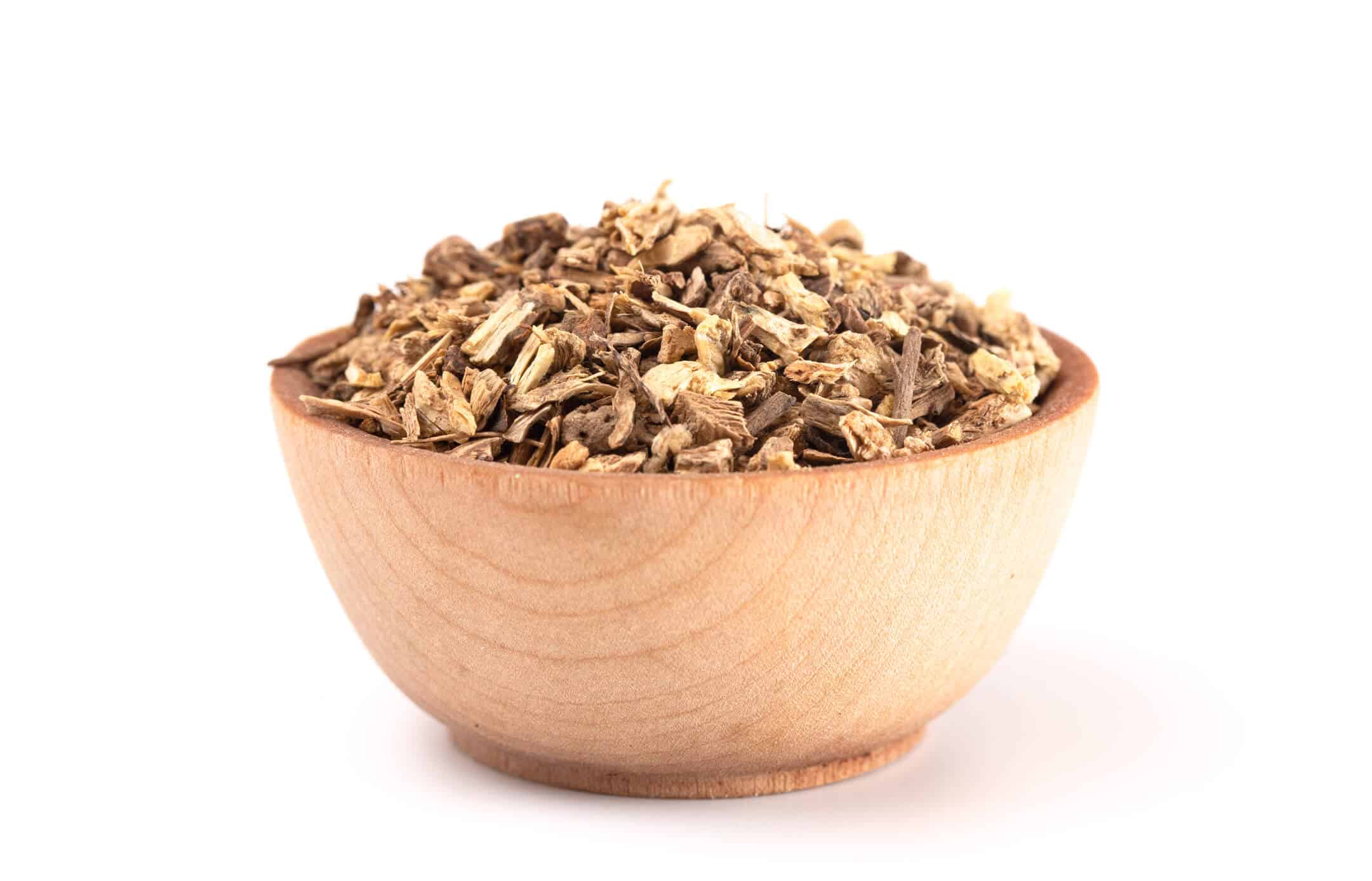
Moreover, the long-term use of certain herbs may not be advisable for everyone. For instance, licorice root, known for its anti-inflammatory and immune-boosting properties, can cause potassium levels to drop and blood pressure to rise if consumed in large quantities over a long period.
Pregnant and breastfeeding women should exercise particular caution with herbal supplements and teas. Herbs such as sage and rosemary, while generally safe in culinary amounts, may pose risks when used in medicinal quantities during pregnancy.
It’s also worth noting that the herbal supplements market is not as tightly regulated as pharmaceuticals, meaning the quality and concentration of herbs can vary significantly between products. Opting for supplements from reputable sources and those that have been third-party tested can help ensure you’re consuming safe and effective products.
Elderberry deserves a specific note. Raw or unripe elderberries, along with the bark and leaves of the plant, contain naturally occurring compounds that can cause nausea if consumed uncooked, which is why commercial syrups and standardized extracts use properly cooked berries. People taking immunosuppressant medication or managing an autoimmune condition should consult their healthcare provider before using elderberry, since it interacts with immune signaling.
In conclusion, while herbs can play a valuable role in boosting immune health, they must be used with knowledge and caution. Consulting with a healthcare professional, especially if you have existing health conditions or are taking other medications, is always the best course of action to avoid potential side effects and interactions.
Final Thoughts on Using Herbs to Boost the Immune System
As we’ve explored the world of immune-boosting herbs, it’s clear that they offer a valuable natural resource for enhancing our immune health. From the ancient traditions of Chinese and Ayurvedic medicine to modern-day wellness practices, the use of herbs for health support is both time-honored and backed by science.
Incorporating herbal remedies into our daily lives presents a proactive approach to strengthening our immune systems, and promoting overall well-being. However, as with any aspect of health care, it’s important to proceed with knowledge, caution, and a balanced perspective.
The journey to better health is a personal one, and what works for one individual may not be suitable for another. It’s essential to consider personal health conditions, lifestyle, and dietary needs when selecting herbs. Consulting with healthcare professionals can provide guidance tailored to your specific needs, ensuring that you benefit from herbal supplements and remedies safely and effectively.
As we conclude, remember that while herbs can significantly support immune health, they are just one part of a holistic health strategy. Regular exercise, a balanced diet, adequate sleep, and stress management are equally important in maintaining a healthy immune system and overall health.
The beauty of natural herbs lies in their ability to work in harmony with the body’s natural defenses, offering a gentle yet powerful means to support immune function. By embracing these gifts from nature, we can enjoy a healthier, more vibrant life.
What the Research Says
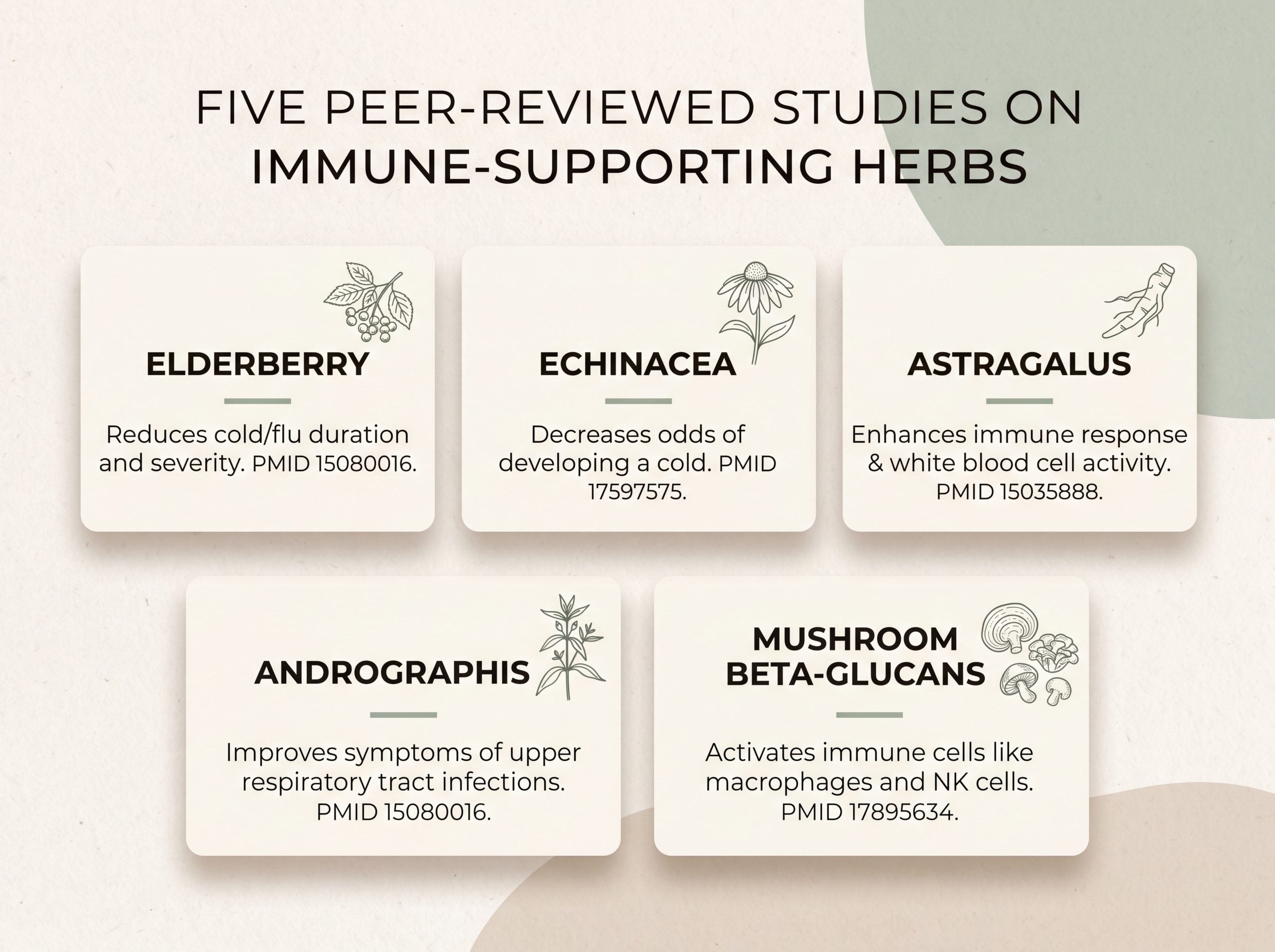
Our editorial team reviews primary research from PubMed and NIH sources for every herb we profile. The studies below represent some of the most-cited human and mechanistic research on immune-supporting herbs.
- Black elderberry (Sambucus nigra): A 2019 meta-analysis of randomized controlled trials found that elderberry supplementation was associated with a substantial reduction in the duration and intensity of upper respiratory symptoms. Hawkins et al. (2019), Complementary Therapies in Medicine, PMID: 30670267.
- Echinacea: A Cochrane systematic review of 24 trials and 4,631 participants reported weak evidence for a possible reduction in cold risk, with effects that varied by preparation. Karsch-Volk et al. (2014), Cochrane Database of Systematic Reviews, PMC4367446.
- Astragalus (Astragalus membranaceus): A 2025 review summarized how astragalus polysaccharides interact with immune cells, including dendritic cells and macrophages. Review (2025), International Journal of Biological Macromolecules, PMID: 39949812.
- Andrographis (Andrographis paniculata): A systematic review and meta-analysis of 33 randomized trials and 7,175 patients reported improvement in cough and sore throat compared with placebo. Hu et al. (2017), PLOS One, PMID: 28783743.
- Medicinal mushroom beta-glucans: Research describes how fungal beta-glucans activate innate immunity through the Dectin-1 signaling pathway. (2014), PMID: 24940900. A broader review of edible mushrooms and beta-glucans is available through NIH PMC.
For consumer-friendly summaries, the NIH National Center for Complementary and Integrative Health maintains monographs on echinacea and elderberry.
Frequently Asked Questions
What are the top immune support herbs recommended by herbalists?
Herbalists most often point to elderberry, echinacea, astragalus, and andrographis, along with culinary herbs like ginger, garlic, and thyme. Medicinal mushrooms such as reishi and turkey tail are also widely used for their beta-glucan content.
Are there herbs that support immunity quickly?
Elderberry, echinacea, and andrographis are traditionally taken at the first sign of seasonal discomfort, when they are used more frequently over a short window. Astragalus and reishi work differently, as daily tonics taken over weeks.
Can I combine immune herbs?
Yes. Many traditions pair complementary herbs, such as elderberry with echinacea at onset, or astragalus with reishi as a daily tonic. Ginger and turmeric are often combined for their warming and antioxidant qualities.
How does astragalus support the immune system?
Astragalus contains polysaccharides that research shows interact with immune cells such as macrophages and dendritic cells (PMID: 39949812). In Traditional Chinese Medicine it is classified as a tonic herb taken consistently over time.
Are there side effects of taking elderberry supplements?
Properly prepared elderberry syrups and extracts are generally well tolerated. Raw or unripe berries, bark, and leaves should not be consumed uncooked. People on immunosuppressant medication should consult their healthcare provider first.
Can thyme be used during the common cold season?
Thyme tea is a traditional Western herbalism preparation used to support respiratory comfort and soothe the throat during seasonal changes. It pairs well with ginger and honey.
These statements have not been evaluated by the Food and Drug Administration. This product is not intended to diagnose, treat, cure, or prevent any disease. Consult your healthcare provider before use, especially if you are pregnant, nursing, taking medication, or have a medical condition.