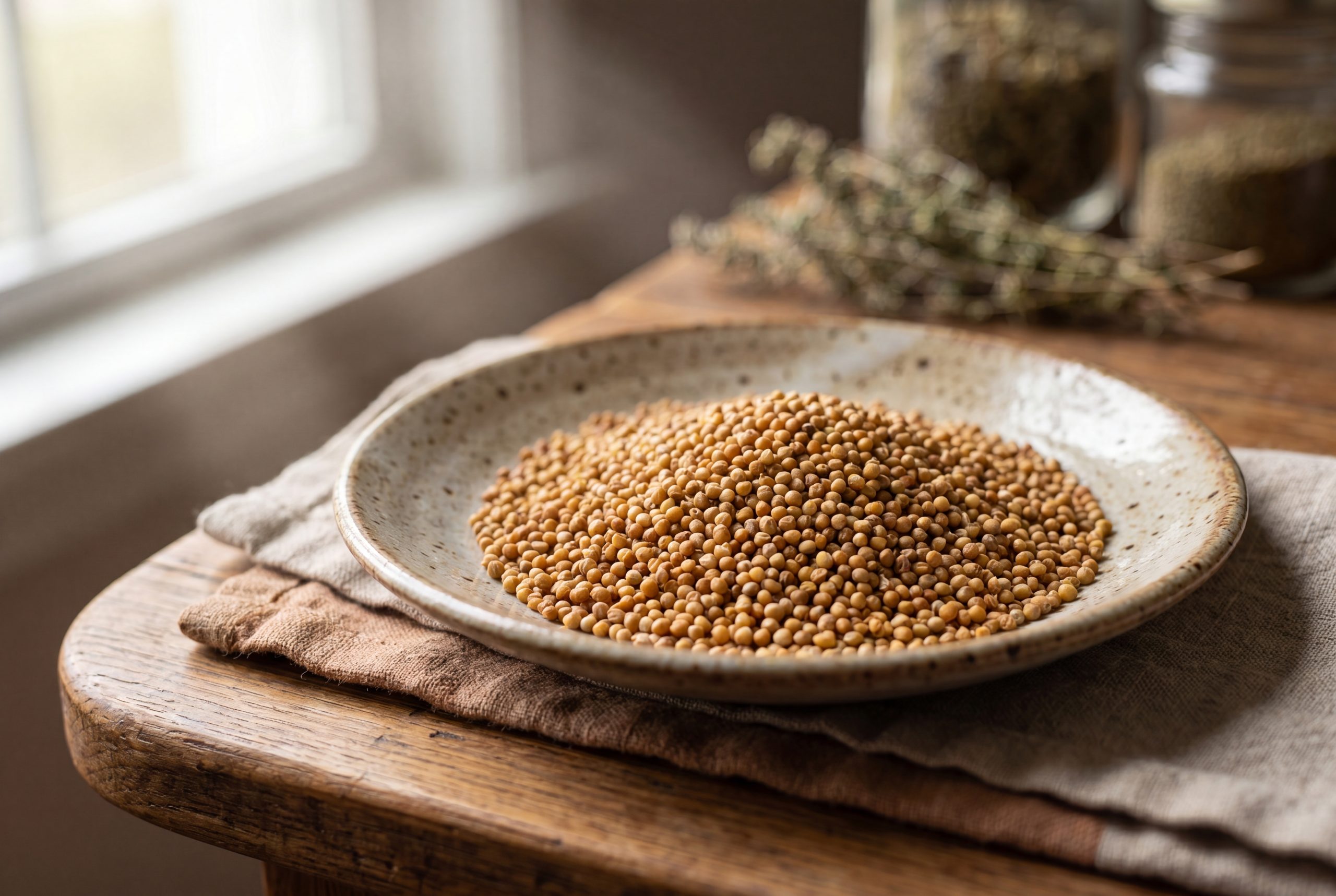
Botanical Characteristics and Lifecycle of Cuscuta
Cuscuta plants exhibit a unique lifecycle. They begin as tiny seeds, which can remain dormant in the soil for several years. Germination typically occurs in response to chemical cues released by potential host plants. Once germinated, the dodder seedling extends a slender stem that rotates in search of a suitable host. Upon contact, the dodder stem coils around the host plant and develops haustoria. These haustoria penetrate the host’s stem, establishing a connection to the host’s phloem (for sugar transport) and xylem (for water and mineral transport). Once established, the Cuscuta plant severs its connection to the ground, becoming entirely dependent on the host for survival. The plant grows rapidly, often forming dense, tangled mats that can cover and weaken the host. Cuscuta plants produce small, inconspicuous flowers, which are typically white, cream, or pinkish. These flowers are capable of self-pollination or cross-pollination by insects. After flowering, the plant produces small seed capsules, each containing one to four seeds. These seeds are dispersed by wind, water, animals, or human activity, continuing the lifecycle.Different Species of Cuscuta
While many Cuscuta species exist, some hold particular significance in traditional medicine and research:- Cuscuta chinensis (Chinese Dodder): Widely used in TCM, often referred to as Tu Si Zi.
- Cuscuta japonica (Japanese Dodder): Also used in TCM and other Asian traditional medicine systems.
- Cuscuta reflexa (Giant Dodder): Found in parts of Asia and Africa, with some traditional medicinal uses.
- Cuscuta campestris (Field Dodder): A widespread species, often considered a noxious weed in agriculture.
The Influence of the Host Plant
A critical aspect of Cuscuta is its parasitic nature. The host plant significantly influences the chemical composition of the dodder. Because Cuscuta draws nutrients directly from its host, the secondary metabolites (compounds produced by the plant for defense, attraction, etc.) present in the host can be absorbed and incorporated into the dodder plant. This means that the medicinal properties of dodder seed can vary depending on the host plant it parasitized. In TCM, this host-plant influence is acknowledged, and preference is sometimes given to dodder seeds harvested from specific host plants believed to enhance the desired therapeutic effects.Traditional Chinese Medicine (TCM) and Dodder Seed
In traditional Chinese medicine, dodder seed is revered as a tonic for male health. It is valued for its ability to enhance vigor, improve sexual function, and promote overall well-being. Ancient Chinese emperors even referred to it as the “king’s tonic.” The Dodder seed is known as Tu Si Zi (菟丝子). It’s considered a Yang tonic, specifically tonifying the Kidneys. In TCM, the Kidneys are considered the root of vitality and are associated with reproductive function, growth, development, and aging.Kidney Yang Deficiency
Kidney Yang deficiency is a pattern of imbalance in TCM characterized by a lack of vital energy (Yang) in the Kidney system. Symptoms can include:- Low libido
- Impotence
- Premature ejaculation
- Low sperm count
- Weakness in the lower back and knees
- Cold extremities
- Fatigue
- Frequent urination
While this article centers on male hormonal health, it is worth noting that dodder seed (Cuscuta chinensis) has a broader place in traditional practice. In classical Chinese herbalism, Tu Si Zi is categorized as a tonic that is traditionally used to support the kidney and liver systems, which in that framework relate to reproductive vitality, healthy vision, and lower-back comfort. The same seed appears in formulas aimed at general constitutional support rather than a single outcome, which is why you will see it described for fertility support in both men and women. Understanding this wider traditional context helps explain why dodder seed is studied today across several areas of reproductive and antioxidant research rather than for testosterone alone.
The “Five Seeds” Formula (Wuzi Yanzong Pian)
Dodder seed is a key ingredient in the classic TCM formula Wuzi Yanzong Pian (五子衍宗丸), often translated as “Five Seeds for Fertility Support Pill.” This formula is traditionally used to address male infertility associated with Kidney deficiency. The five seeds typically included are:- Tu Si Zi (Dodder Seed)
- Gou Qi Zi (Goji Berry)
- Fu Pen Zi (Chinese Raspberry)
- Wu Wei Zi (Schisandra Berry)
- Che Qian Zi (Plantain Seed)
Traditional Preparation Methods
Traditionally, dodder seed is often prepared as a decoction (a concentrated tea made by boiling the herb in water). It can also be ground into a powder and taken in capsules or mixed with other ingredients. In some cases, it’s used in medicinal wines or combined with other herbs in specific formulations.The Impact of Dodder Seed on Testosterone Levels
Dodder seed, also known as Cuscuta seed, is a powerful herbal remedy deeply rooted in traditional Chinese medicine. It comes from the dodder plant, scientifically known as Cuscuta chinensis. This seed has long been revered for its ability to enhance male reproductive health and its potential effect on testosterone levels.Active Compounds Found in Dodder Seed
Dodder seed contains various bioactive compounds that contribute to its effects. These include flavonoids, alkaloids, polysaccharides, and fatty acids.Flavonoids
Flavonoids act as powerful antioxidants, protecting the body against oxidative stress and inflammation. Specific flavonoids identified in Cuscuta species include quercetin, kaempferol, hyperoside, and astragalin. These compounds may have individual effects, such as supporting cardiovascular health or exhibiting anti-inflammatory properties. Some flavonoids may also possess anti-estrogenic properties, which could indirectly support testosterone levels by reducing the conversion of testosterone to estrogen.Alkaloids
Alkaloids are nitrogen-containing compounds that often have pronounced physiological effects. While the specific alkaloids in dodder seed are less well-characterized than the flavonoids, they may contribute to the plant’s overall activity. Some alkaloids are known to stimulate the release of luteinizing hormone (LH) from the pituitary gland, which in turn can stimulate testosterone production in the testes.Polysaccharides
Polysaccharides are complex carbohydrates that can act as immune system modulators. Dodder seed polysaccharides may help to maintain hormonal balance and support overall health. Some research suggests that certain plant polysaccharides can have beneficial effects on reproductive health.Fatty Acids
Dodder seeds contain various fatty acids, including linoleic acid, oleic acid, and palmitic acid. These fatty acids are essential nutrients that play a role in hormone synthesis and overall cellular function.How Dodder Seed May Impact Testosterone Levels
Dodder seed’s potential influence on testosterone levels is likely multifaceted, involving several interconnected mechanisms.The Hypothalamic-Pituitary-Gonadal (HPG) Axis
The HPG axis is the central hormonal pathway regulating testosterone production. It involves the hypothalamus (in the brain), the pituitary gland (also in the brain), and the gonads (testes in men).- Hypothalamus: The hypothalamus releases gonadotropin-releasing hormone (GnRH).
- Pituitary Gland: GnRH stimulates the pituitary gland to release luteinizing hormone (LH) and follicle-stimulating hormone (FSH).
- Testes: LH stimulates Leydig cells in the testes to produce testosterone. FSH plays a role in spermatogenesis (sperm production).
Antioxidant Effects
Oxidative stress, caused by an imbalance between free radicals and antioxidants in the body, can negatively impact testosterone production. Free radicals can damage Leydig cells in the testes, impairing their ability to produce testosterone. Dodder seed’s rich flavonoid content provides antioxidant activity, protecting these cells and supporting optimal testosterone synthesis.Anti-Aromatase Activity
Aromatase is an enzyme that converts testosterone to estrogen. Inhibiting aromatase activity can help maintain higher testosterone levels. Some studies suggest that certain flavonoids found in dodder seed may have anti-aromatase properties, potentially contributing to its testosterone-supporting effects. More research is necessary.Improved Blood Circulation
The active compounds might promote healthy blood circulation to the testes.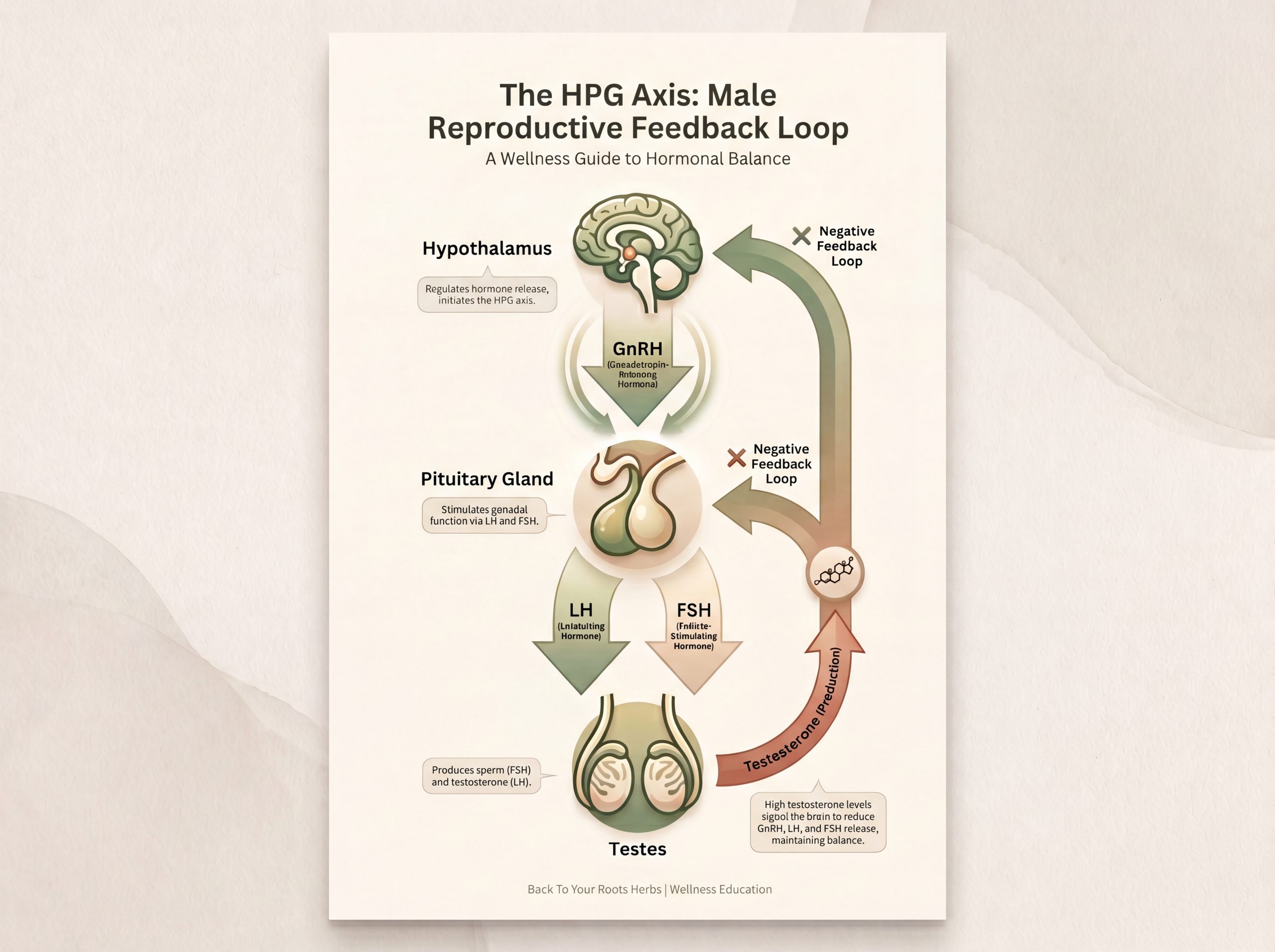
Scientific Studies Supporting the Connection
Numerous scientific studies have explored the effects of dodder seeds on testosterone levels and related parameters.Animal Studies
- A study published in “The Journal of Ethnopharmacology” revealed that an extract derived from dodder seeds significantly increased testosterone levels and improved sperm quality in male rats.
- Another study found that dodder seed extract protected against testicular damage and improved testosterone levels in rats exposed to a toxic substance.
- Some studies have shown that dodder seed extracts can increase the levels of LH and FSH in animal models.
Two peer-reviewed studies anchor the animal-model picture. In a 2008 study published in the Journal of Ethnopharmacology, total flavones isolated from Semen cuscutae reversed the reduction in testosterone levels and restored androgen-receptor gene expression in kidney-yang deficient mice, which maps the traditional TCM indication onto a measurable hormonal pathway (Wang et al., 2008, PMID: 18640256). A 2023 study in Ecotoxicology and Environmental Safety reported that Cuscuta chinensis flavonoids reduced oxidative stress and were associated with higher serum luteinizing hormone, follicle-stimulating hormone, and testosterone alongside improved sperm parameters in an animal model of chemical-induced reproductive injury (Yang et al., 2023, PMID: 36966614). A 2025 review in Frontiers in Immunology summarizes the wider mechanistic literature on Cuscutae Semen in reproductive research. These findings are promising but remain primarily preclinical, which we address directly in the study-limitations section below.
Human Studies
- A study published in “Phytotherapy Research” demonstrated that supplementation with dodder seed extract improved sperm quality and increased testosterone levels in infertile men.
- A review article published in “Frontiers In Pharmacology” highlighted the potential of dodder seed as a natural alternative for supporting testosterone levels and addressing male reproductive issues. It also discussed its effects on the reproductive system.
Study Limitations
It’s important to acknowledge that much of the research on dodder seed and testosterone has been conducted on animals or in vitro (in test tubes or Petri dishes). While these studies provide valuable insights, they don’t always directly translate to human effects. More large-scale, well-designed human clinical trials are needed to fully understand the effects of dodder seed on testosterone levels and reproductive health in men. Studies have also been done on semen.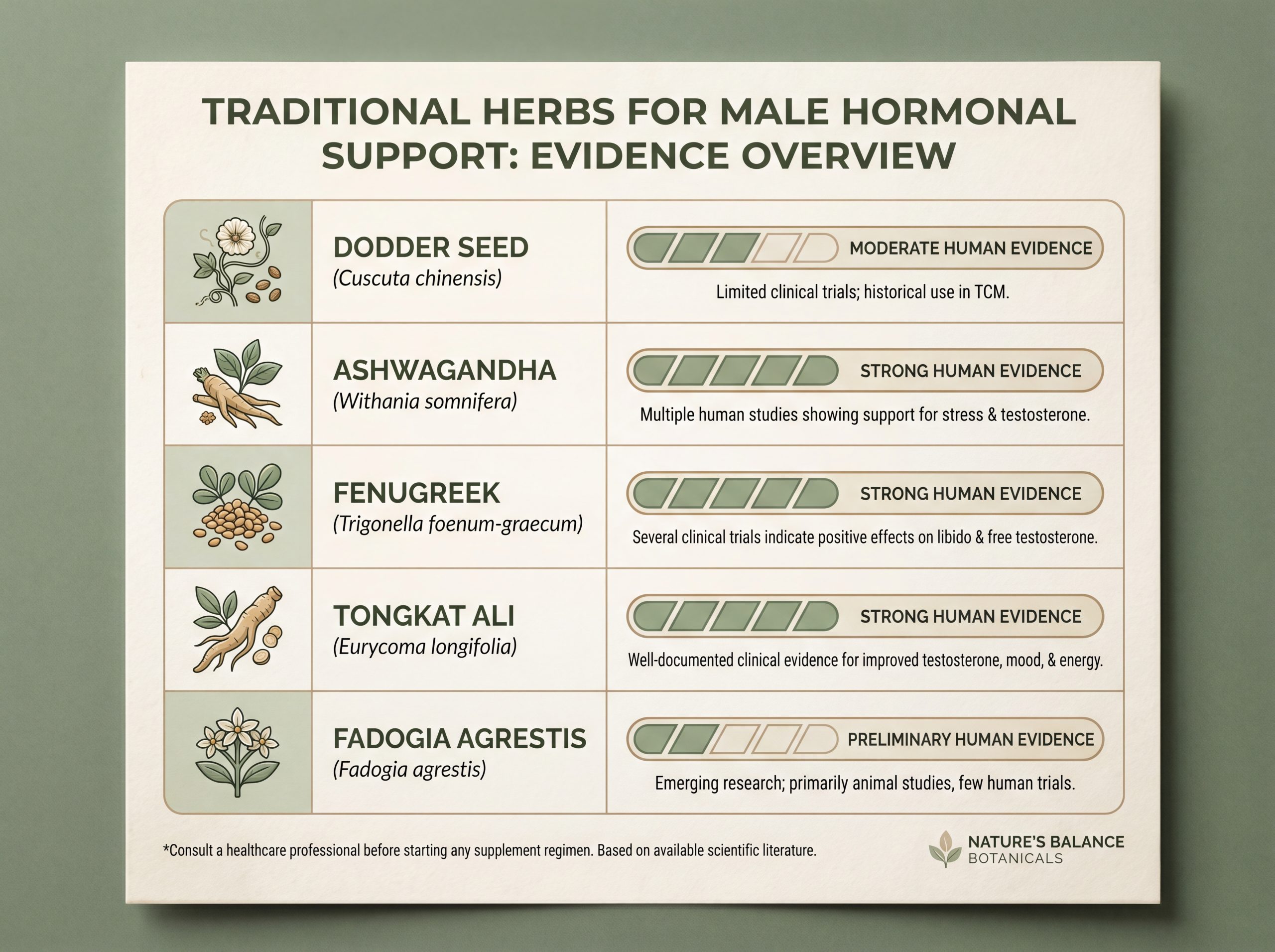
How Dodder Seed Compares to Other Herbs Studied for Testosterone Support
Dodder seed is one of several botanicals popularly marketed as natural testosterone boosters, and a fair comparison helps set expectations. In our editorial review of the literature, the key difference is the type of evidence behind each herb. Dodder seed has strong traditional standing and encouraging animal and mechanistic data, while a few other herbs have progressed further into human trials. The table below summarizes where each one currently stands. None of these herbs is a substitute for medical care, and the goal here is education, not ranking.
| Herb (Latin binomial) | Traditional framing | Current human evidence | Safety note |
|---|---|---|---|
| Dodder seed (Cuscuta chinensis) | TCM kidney-yang tonic, the “Five Seeds” formula | Mainly animal and mechanistic so far (PMID 18640256, PMID 36966614). Human trials are limited. | Traditionally well-tolerated. Consult your healthcare provider. |
| Ashwagandha (Withania somnifera) | Ayurvedic rasayana and adaptogen | Randomized human trials report increases in serum testosterone (PMID 35873404). | Generally well-tolerated. Caution with thyroid or autoimmune conditions. |
| Fenugreek (Trigonella foenum-graecum) | Culinary and traditional tonic seed | Randomized trials are mixed to positive on testosterone indices (PMID 30356905). | May affect blood-sugar control. Discuss with your provider. |
| Tongkat ali (Eurycoma longifolia) | Southeast Asian traditional vitality root | A meta-analysis of clinical trials reports improved total testosterone in men (PMC9415500). | Generally well-tolerated short term. Quality varies by source. |
| Fadogia agrestis | West African traditional aphrodisiac | No human trials. Only preliminary rodent data, with testicular toxicity reported at higher doses in rats. | Insufficient human safety data. Approach with caution. |
| Sources: PubMed primary literature and systematic reviews cited inline. Evidence status current as of June 2026. | |||
The practical takeaway from our review is that dodder seed sits in the same traditional category as these better-known herbs, with a mechanistic story that is well supported in animal models and a human evidence base that is still developing. If you want a herb with the most human trial data behind it, ashwagandha and tongkat ali are further along. If you value the specific TCM kidney-yang tradition and antioxidant research profile, dodder seed has a long and well-documented history. You can read our deeper product notes on dodder seed powder for sourcing and preparation detail.
Dodder Seed and Testosterone Replacement Therapy: An Educational Comparison
People researching natural options often ask how a herb like dodder seed relates to testosterone replacement therapy, or TRT. They are not the same category and should not be treated as interchangeable. TRT is a prescription medical treatment that delivers bioidentical testosterone under physician supervision, with blood monitoring and a clinical diagnosis of low testosterone. Dodder seed is a traditional herbal food supplement that is studied for its supportive and antioxidant properties, not a hormone replacement. A herbal supplement does not deliver testosterone into the body the way a prescription does, and it is not intended to manage a diagnosed deficiency. If you have symptoms of low testosterone such as persistent fatigue, low libido, or mood changes, the appropriate first step is a conversation with a qualified healthcare provider who can order lab work. Herbs may have a place in a broader wellness routine, but that decision belongs with your clinician, especially if you already take medication.
Benefits of Healthy Testosterone Levels
Maintaining healthy testosterone levels is for men’s health, and dodder seed was shown to have a positive impact in this area.Increased Muscle Mass and Strength
Testosterone is an anabolic hormone, meaning it promotes muscle growth. It binds to androgen receptors in muscle tissue, stimulating protein synthesis and increasing muscle mass and strength.Enhanced Bone Density
Testosterone plays a role in maintaining bone mineral density. Adequate testosterone levels are important for strong bones and preventing conditions like osteoporosis.Elevated Energy Levels
Testosterone contributes to overall energy levels and vitality. Men with low testosterone often experience fatigue and lack of motivation.Improved Mood and Mental Well-being
Testosterone influences neurotransmitters in the brain that affect mood. Maintaining adequate testosterone levels can help stabilize mood and improve overall mental well-being.Libido and Sexual Function
Testosterone is a key hormone involved in sexual desire (libido) and erectile function in men.Cognitive Function
Studies suggest that healthy testosterone levels are associated with enhanced cognitive abilities such as memory, focus, and spatial reasoning.Heart Health
Research indicates that healthy testosterone levels may have cardiovascular benefits. Testosterone can help improve blood flow, reduce cholesterol levels, and lower blood pressure.Body Composition
Testosterone promotes fat loss while preserving lean muscle mass, leading to an improved body composition.Dietary Foundations Studied for Healthy Testosterone
No single herb works in isolation, and in our experience readers get more value when they understand the dietary base that hormone health rests on. Several nutrients are well studied for their role in normal testosterone production. Zinc is a mineral involved in the enzymatic steps of steroidogenesis, and foods such as oysters, beef, pumpkin seeds, and lentils are traditional sources. Vitamin D, which the body treats like a hormone, is associated with healthy testosterone levels in observational research, and fatty fish and sensible sun exposure are common sources. Healthy fats from eggs, olive oil, and avocado supply the cholesterol backbone the body uses to make steroid hormones. Magnesium and the antioxidants in leafy greens round out the picture. The NIH Office of Dietary Supplements maintains plain-language fact sheets on zinc and vitamin D that are worth reading. A herb like dodder seed is best thought of as one part of this wider foundation rather than a replacement for it.
How to Use Dodder Seed
Forms of Dodder Seed
Dodder seed is available in various forms:- Dried Herb: The whole or crushed seeds can be used to make decoctions (teas) or tinctures.
- Powder: Dodder seed powder can be encapsulated or added to smoothies or other foods.
- Capsules: Pre-made capsules provide a convenient way to take a standardized dose.
- Extracts: Liquid extracts or tinctures offer a concentrated form of the herb.
Dosage
The appropriate dosage of dodder seed can vary depending on individual factors, the form of the herb used, and the specific health condition being addressed. There is no universally established dosage. Based on traditional use and limited research, a general dosage range for dodder seed extract might be between 500mg to 2000mg per day. However, it’s essential to consult with a qualified healthcare professional, such as a licensed acupuncturist, a naturopathic doctor, or a medical doctor with expertise in herbal medicine, before using dodder seed. They can assess your individual needs and recommend an appropriate dosage and form.Timing of Consumption
There’s no definitive evidence suggesting an optimal time of day to take dodder seed. Some people prefer taking it in the morning, while others find it more beneficial in the evening. Consistency is likely more important than the specific time of day.How Long Until Effects Are Noticed?
This is one of the most common questions, and the honest answer is that traditional tonic herbs are not designed for overnight results. In classical practice, dodder seed is taken as part of a sustained course rather than a single dose, often over several weeks to a few months, because the traditional model views kidney-yang support as a gradual rebuilding process. Individual response varies with age, baseline health, diet, sleep, and the quality of the herb. Some people describe a general sense of steadiness and energy within a few weeks, while others follow a longer traditional course. Because the human research on dodder seed and testosterone is still developing, no specific timeline can be promised. A reasonable approach is to give any traditional herb a consistent, well-defined trial period alongside good sleep and nutrition, and to track how you feel rather than expecting a rapid change.
Traditional Combinations
In TCM, dodder seed is often used in combination with other herbs to enhance its effects or address specific patterns of imbalance. For example, it might be combined with herbs that tonify the Kidneys, nourish Yin, or support Yang.Combining Dodder Seed With Other Supplements
Beyond the classical “Five Seeds” pairing, readers often ask about modern stacking with other popular supplements. Traditionally, dodder seed is combined with complementary tonic herbs rather than taken alone, and that logic carries over to contemporary routines. Some people pair it with adaptogens such as ashwagandha, or with foundational nutrients like zinc and vitamin D that support normal hormone production. The sensible cautions are straightforward. More is not automatically better, combining several active herbs at once makes it harder to tell what is doing what, and certain herbs can interact with medications. If you take prescription drugs, have a medical condition, or plan to combine several supplements, review the full list with a pharmacist or healthcare provider first. For a simpler starting point, many people begin with a single well-sourced form such as our dodder seed capsules before building any stack.
If you want to move from background reading to a specific form, our team profiles both dodder seed powder and dodder seed capsules, and you can browse related traditional botanicals in our men’s energy collection. These pages cover sourcing, traditional preparation, and how each form fits into a daily routine.
Potential Side Effects and Precautions
While dodder seed is generally considered safe when used appropriately, some individuals may experience mild side effects:- Digestive Upset: Some people may experience mild stomach upset, nausea, or diarrhea.
- Allergic Reactions: Allergic reactions are possible, although uncommon. Symptoms may include skin rash, itching, or swelling.
Contraindications
- Pregnancy and Breastfeeding: Dodder seed should be avoided during pregnancy and breastfeeding due to a lack of safety data.
- Hormone-Sensitive Conditions: Individuals with hormone-sensitive conditions, such as prostate cancer or breast cancer, should use dodder seed with caution and only under the supervision of a healthcare professional.
- Medication Interactions: Dodder seed may interact with certain medications, including blood thinners, diabetes medications, and hormone therapies. It is to inform your doctor about any herbs or supplements you are taking.
Are Dodder Seeds Toxic or Medicinal?
This question comes up because dodder is a parasitic vine, and gardeners know it as an aggressive plant that can damage crops. It helps to separate the field plant from the medicinal seed. The seeds of Cuscuta chinensis, known as Tu Si Zi, have been used as a tonic in traditional Chinese medicine for centuries and are the part processed into powders and capsules. The medicinal seed is not the same thing as the tangling vine that troubles farmers, and properly sourced, processed dodder seed is traditionally regarded as well-tolerated. As with any supplement, quality and correct identification matter, which is why third-party tested, correctly labeled material is important. Dodder seed is generally avoided during pregnancy and is best discussed with a healthcare provider if you have an existing condition or take medication.
Long-Term Use
The long-term safety of dodder seed is not well-established. It’s generally recommended to use it for limited periods and under the guidance of a healthcare professional.Frequently Asked Questions: Dodder Seed and Testosterone
Does dodder seed raise testosterone in humans?
Current evidence is mostly from animal and mechanistic studies, where Cuscuta flavonoids were associated with higher testosterone and improved androgen-receptor activity (PMID 18640256, PMID 36966614). Human trials are limited, so dodder seed is best described as traditionally used to support male vitality rather than proven to raise testosterone in people.
How does dodder seed compare to ashwagandha for testosterone?
Ashwagandha has more human trial data, with randomized studies reporting increases in serum testosterone (PMID 35873404). Dodder seed has a longer kidney-yang tonic tradition and strong animal data. They come from different traditions and are often valued for different reasons.
How long does dodder seed take to work?
Traditional tonic herbs are taken as a sustained course, often several weeks to a few months, rather than as a quick fix. Individual response varies and no specific timeline can be promised given the current research.
Is dodder seed safe?
Properly sourced and processed dodder seed is traditionally regarded as well-tolerated. It is generally avoided in pregnancy and should be discussed with a healthcare provider if you take medication or have a medical condition.
Can I take dodder seed with other supplements?
Traditionally it is combined with complementary tonic herbs, and some people pair it with zinc or vitamin D. Combining several active supplements makes effects harder to track and can raise interaction risk, so review your full routine with a pharmacist or provider.
Is dodder seed the same as the parasitic vine?
The medicinal seed of Cuscuta chinensis is distinct from the tangling field vine that gardeners know. The processed seed is the part used as a traditional tonic.
Disclaimer: These statements have not been evaluated by the Food and Drug Administration. This product is not intended to diagnose, treat, cure, or prevent any disease. The information in this article is for educational purposes only and is not a substitute for advice from a qualified healthcare provider. Consult your healthcare provider before use, especially if you are pregnant, nursing, taking medication, or managing a medical condition.