Understanding the Yesterday, Today, and Tomorrow Plant: Botany and Origins
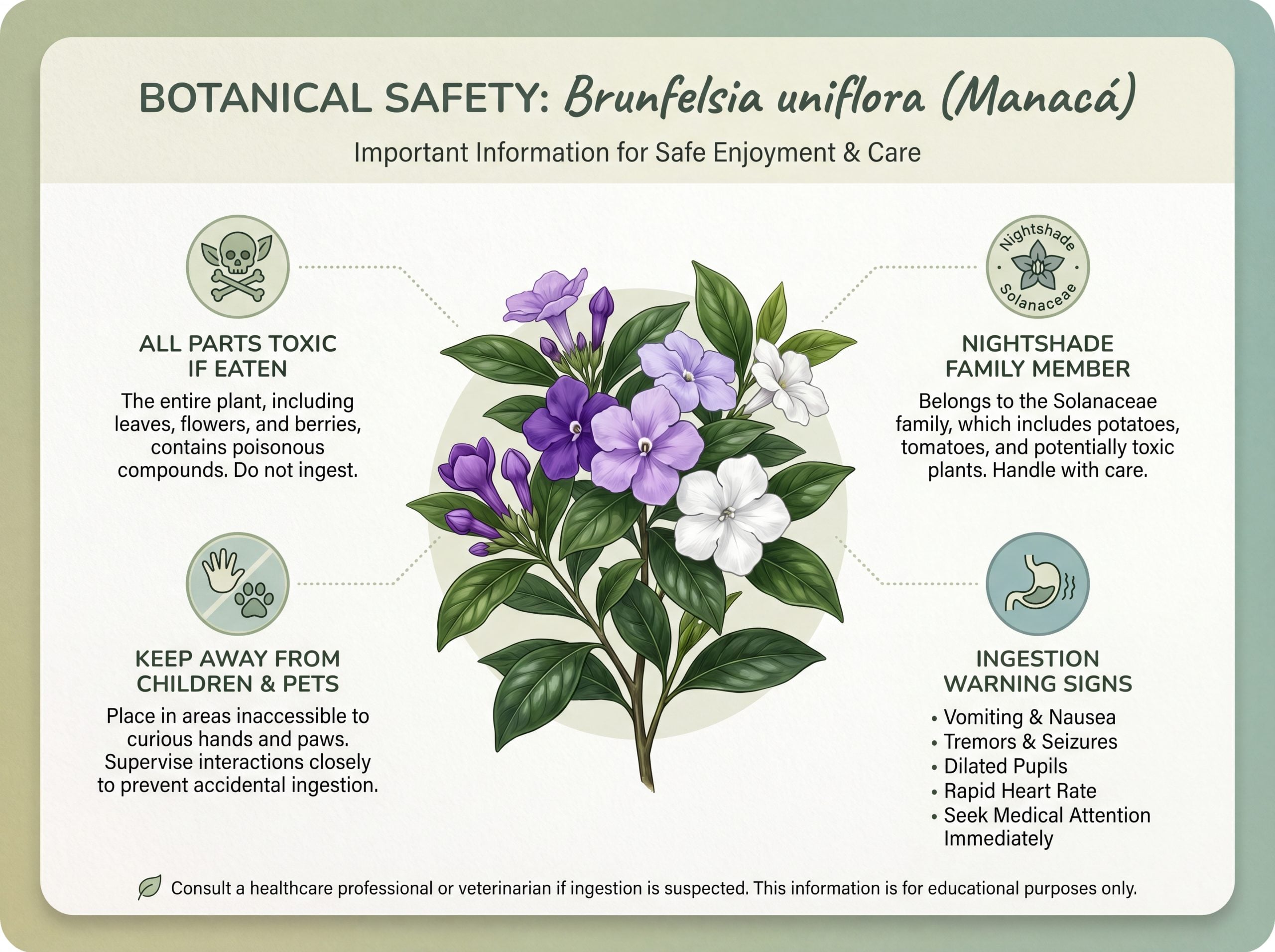
Scientifically known as Brunfelsia uniflora, this plant is also commonly called Manacá, and sometimes “vegetable mercury.” It’s an evergreen shrub belonging to the Solanaceae family (the nightshade family), which includes familiar plants like tomatoes, potatoes, and petunias. Native to the tropical rainforest regions of South America, specifically Brazil, this botanical wonder thrives in warm, humid environments. The Tupi Indians of Brazil are credited with the name “Manacá.”
Characteristics of the Yesterday, Today and Tomorrow
This stunning shrub is appreciated for its unique floral display and overall aesthetic appeal.
Physical Features
- Height: It typically grows to a height of 3 to 6 feet, though it can sometimes reach up to 10 feet in ideal conditions. This makes it suitable for a variety of garden settings, from borders to container planting.
- Flower Colors: The most striking feature is its flowers. They open as a deep purple or violet, gradually fading to lavender and finally to white, all within a few days. This creates a beautiful multi-colored effect on a single plant, hence the common name.
- Foliage: The leaves are dark green, glossy, and leathery, providing an attractive backdrop to the vibrant flowers. The evergreen nature of the foliage ensures year-round visual interest.
- Blooming Season: It usually blooms in the spring and fall and may rebloom anytime, especially after pruning following a bloom cycle.
Cultivating Manacá: Care and Growing Conditions
To successfully grow this beautiful shrub, providing the right environment and care is essential.
Ideal Growing Conditions
- Sunlight: It prefers bright, indirect light or partial shade. Four to six hours of indirect sunlight is ideal. While it can tolerate full sun in cooler climates, protection from the harsh afternoon sun is crucial to prevent leaf scorch. Too much shade, however, will significantly reduce flowering.
- Soil: Well-draining soil is absolutely vital to prevent root rot. The ideal soil pH is slightly acidic to neutral (6.0-7.0). A good potting mix should include peat, perlite, and organic compost to ensure proper drainage and nutrition.
- Watering: Keep the soil consistently moist, but allow the top inch to dry out slightly between waterings. Overwatering is a major risk. Water at the base of the plant to avoid wetting the foliage, which can lead to fungal diseases. Water in the morning.
- Temperature and Humidity: This plant thrives in warm, humid conditions. The ideal daytime temperature is around 25°C (77°F). It can tolerate brief dry spells, but higher humidity is preferred, especially when grown indoors.
- Fertilization: Apply a balanced (e.g., 10-10-10) NPK fertilizer during the growing season (spring and summer) every 4-6 weeks. A fertilizer higher in phosphorus can encourage blooming, while excessive nitrogen may promote foliage growth at the expense of flowers. Reduce or eliminate fertilization during the winter months (dormancy).
- Spacing: Maintain adequate distance between plants, usually about 1 to 2 meters, to allow for healthy growth and adequate air circulation.
Container growing: Manacá adapts well to containers, which is the practical route for gardeners outside its warm hardiness range. Choose a pot at least 14 to 16 inches wide with several drainage holes, since the plant will not tolerate standing water at the roots. Use the same well-draining mix of peat, perlite, and organic compost recommended above, and keep the container in bright indirect light. When night temperatures drop toward 50°F (10°C), move the pot indoors or into a greenhouse, because this tropical shrub is sensitive to cold. Container plants dry out faster than those in the ground, so check soil moisture more often during warm months.
Propagation Methods
Manacá can be propagated using several methods:
Gardeners who prefer to start from established root stock rather than seed often begin with sections of cut root. Our Manacá root cut is one source of dormant root material for propagation, handling, and study.
| Propagation Method | Description | Best Time |
|---|---|---|
| Seed Sowing | Soak seeds in warm water for 24 hours before sowing. Sow seeds about 1/4 inch deep in a peat-based mix. Keep the soil moist and warm (70-75°F / 21-24°C). Germination can take 1-4 months. | Spring |
| Cuttings | Take 4-6-inch semi-hardwood cuttings with growth nodes from healthy stems. Remove leaves from the bottom half. Dip in rooting hormone and plant in a moist, well-draining potting mix. | Late Spring to Early Summer |
| Layering | Bend a low-lying branch to the ground and cover a portion of it with soil, leaving the tip exposed. Roots will form at the buried section. | Anytime during the growing season |
| Transplanting | Transplant the cuttings into individual 10-cm pots that contain a professional potting mixture. | – |
Pruning
Prune after flowering (typically late winter or early spring) to maintain its shape, encourage bushier growth, and remove any dead or damaged branches.
Overwintering
In colder climates where it is grown in containers, bring it indoors before the first frost. Place it in a location that receives 3-4 hours of sunlight daily, and increase humidity around the plant (e.g., using pebble trays). It can tolerate temperatures down to 10-15°C.
Common Pests and Diseases of Yesterday, Today, and Tomorrow
Like many plants, Brunfelsia can be susceptible to certain pests and diseases.
| Pest/Disease | Symptoms | Treatment |
|---|---|---|
| Aphids | Sticky residue on leaves, curled leaves, visible insects. | Use insecticidal soap or neem oil. For minor infestations, wash the pests off with water. |
| Spider Mites | Fine webbing on leaves, yellowing, and leaf drop. | Increase humidity around the plant. Apply miticides or insecticidal soap. |
| Mealybugs | White, cottony masses on stems and leaves. | Use insecticidal soap or neem oil. |
| Whiteflies | Small, white insects that fly around when the plant is disturbed. | Use insecticidal soap or neem oil. |
| Root Rot | Wilting, yellowing leaves, and a foul smell from the soil. | Ensure proper drainage and reduce watering. Remove affected roots. |
| Powdery Mildew | The white, powdery coating on leaves. | Improve air circulation. Avoid overhead watering. Fungicides can be used if necessary. |
| Leaf Spot | Brown or black spots on leaves. | Improve air circulation. Avoid overhead watering. Fungicides can be used if necessary. |
| Pale/Yellow Leaves | This could indicate an issue with the soil (nutrient deficiencies, PH imbalance). | Fertilize if needed, and check the soil PH. |
Traditional and Medicinal Uses: A Word of Caution
Brunfelsia species, including Manacá, have a long history of use in traditional South American medicine, particularly among indigenous communities. It’s crucial to understand that while these traditional uses exist, all parts of the plant are poisonous, and its use should be approached with extreme caution.
Traditional Significance
- Sacred Plant: Manacá is considered a sacred plant by some indigenous groups.
- Shamanic Use: Shamans (curanderos) have used Brunfelsia species in rituals and ceremonies, sometimes as an addition to ayahuasca preparations (although B. grandiflora and B. chiricaspi are more commonly used for this purpose). The plant is believed to have psychoactive properties, although this is primarily due to other Brunfelsia species.
- Perfume: It is used to make perfume.
Specific Traditional Medicinal Uses
- Rheumatism and Arthritis: Decoctions of the leaves have been used externally to treat pain and inflammation.
- Fevers and Chills: Root decoctions have been used to treat fevers and chills.
- Traditional folk context: In historical folk traditions, Manacá was referred to as “vegetable mercury,” a name reflecting how nineteenth-century apothecaries once grouped it among the strong mineral remedies of that period. This note records historical nomenclature and ethnobotanical context only. It is not a statement that the plant addresses any disease, and no such use is supported here.
- Snakebites: Some communities have used the plant to treat snakebites.
- Skin Conditions: It has been used topically for various skin conditions.
- Diuretic Properties: It is used to increase urination, helping to remove toxins and reduce edema (swelling).
- Antidepressant, painkiller, and mild sedative.
Scientific Research (Limited but Emerging)
While extensive clinical trials are lacking, some preliminary research supports certain traditional uses:
- Compounds studied in the laboratory: Brunfelsia species contain the coumarin scopoletin, which has been examined in laboratory and animal studies for anti-inflammatory and related activity. An early Hippocratic screening of Brunfelsia hopeana reported anti-inflammatory and central-nervous-system-depressant activity in animal models (“Brunfelsia hopeana I: Hippocratic screening and anti-inflammatory evaluation,” PMID: 895395). A 2024 review of scopoletin catalogs anti-inflammatory, antioxidant, and neuroprotective activity reported across the wider laboratory literature (Gao et al., 2024, Frontiers in Pharmacology, PMID: 38464713). These are preclinical, compound-level observations, not demonstrated effects in people.
- Pharmacology: Hopeanine.
- Diuretic Effects: Some research suggests that Manacá may have diuretic properties.
Scopoletin and Active Compounds
From our editorial team’s review of the primary literature, the most-studied constituent of Manacá is scopoletin, a coumarin also written as 6-methoxy-7-hydroxycoumarin. It was isolated in pure form from the roots of Brunfelsia hopeana, and laboratory work has described a non-specific spasmolytic action linked to how the compound affects intracellular calcium handling in smooth muscle (“Brunfelsia hopeana I: Hippocratic screening and antiinflammatory evaluation,” PMID: 895395). Pharmacokinetic studies of scopoletin and its glycoside scopolin in rats report rapid absorption, extensive metabolism, and low oral bioavailability, which researchers attribute partly to the compound’s poor solubility in water (PMID: 31412148). Older botanical chemistry also records the alkaloids manacine and manaceine, along with the related coumarin aesculetin, in Brunfelsia tissues. A 2024 review summarizes scopoletin’s reported antioxidant, anti-inflammatory, and neuroprotective activity while noting its low toxicity to most cell types tested to date (Gao et al., 2024, Frontiers in Pharmacology, PMID: 38464713). Readers who want the source material can read the full review through PubMed Central and the original screening study on PubMed.
CRITICAL SAFETY WARNINGS
- Poisonous: All parts of the Yesterday, Today, and Tomorrow plant are poisonous, especially the berries. Ingestion can cause salivation, vomiting, diarrhea, neurological disturbances (tremors, seizures, delirium), and potentially death, particularly in animals.
- Abortifacient: It is contraindicated in pregnancy due to its potential abortifacient properties.
- Blood Thinning: Individuals with bleeding disorders or those taking blood thinners should absolutely avoid using this plant except under the strict supervision of a qualified healthcare professional.
- Dosage: There is insufficient reliable information to determine safe dosages for medicinal use. Internal use is strongly discouraged without expert guidance.
Landscaping with the Yesterday, Today, and Tomorrow Plant
This Brunfelsia is a versatile plant with several landscaping applications:
- Focal Point: Its unique, color-changing flowers make it an excellent focal point.
- Hedge: It can be used as a low-growing, informal hedge.
- Container Plant: It grows well in containers, making it suitable for patios and balconies.
- Pollinator Attraction: The fragrant flowers attract butterflies and moths.
- Tropical Aesthetic: Its lush foliage and vibrant flowers contribute to a tropical or subtropical garden design.
Pros and Cons of Growing Manacá
| Pros | Cons |
|---|---|
| Unique, color-changing flowers provide continuous visual interest. | Requires specific care, including bright, indirect light, well-draining soil, and regular watering. |
| Attracts pollinators. | Can be susceptible to pests and diseases if not properly maintained. |
| Versatile in landscaping. | It is not frost-hardy and requires protection or indoor relocation in colder climates. |
| Evergreen foliage provides year-round interest. | All parts of the plant are poisonous; extreme caution is required. |
Frequently Asked Questions
What is the best time of year to plant Brunfelsia uniflora?
Spring is the best time to plant Manacá. Warming soil and longer days give the shrub a full growing season to establish roots before cooler weather arrives. In frost-free climates, you can also plant in early fall, but spring planting gives the strongest first-year growth and supports the spring and fall bloom cycles.
Can Brunfelsia uniflora grow in containers?
Yes. Manacá grows well in a pot at least 14 to 16 inches wide with good drainage and a peat, perlite, and compost mix. Container growing is the usual approach in climates colder than its tropical range, since the pot can be moved indoors when night temperatures approach 50°F (10°C).
Is Brunfelsia uniflora poisonous?
Yes. Every part of the plant is toxic if eaten, and it belongs to the nightshade family. Ingestion can cause salivation, vomiting, diarrhea, and neurological signs such as tremors in people and animals, and it can be fatal to pets. Plant it where children and pets cannot chew the foliage, fruit, or roots, and wash your hands after handling.
Where is Brunfelsia uniflora native to?
The plant is native to the tropical rainforest regions of South America, particularly Brazil. The Tupi people of Brazil are credited with the name Manacá. It grows naturally in warm, humid environments.
Why do the flowers change color?
The blooms open deep purple, fade to lavender, then turn white over a few days, which is why the plant is called the Yesterday, Today, and Tomorrow plant. The color shift comes from pigment changes as each flower ages, so a single shrub can show all three colors at once during peak bloom.
Safety and compliance note
Brunfelsia uniflora (Manacá) is an ornamental and ethnobotanical plant that is toxic if ingested. The traditional and historical uses described in this article are presented for educational and botanical-history purposes only. These statements have not been evaluated by the Food and Drug Administration. This plant is not intended to diagnose, treat, cure, or prevent any disease. Do not consume any part of this plant. Consult your healthcare provider before use of any herb, especially if you are pregnant, nursing, taking medication, or have a medical condition.