Key Takeaways
- Most bladder infections (cystitis) start when E. coli attaches to the bladder wall, so many herbal approaches focus on blocking that attachment.
- Cranberry and D-mannose share an anti-adhesion mechanism. A 2023 Cochrane review found cranberry probably lowers recurrence in women with recurrent UTIs, while recent D-mannose trials are mixed.
- Berberine-containing herbs such as goldenseal and Oregon grape interfere with E. coli attachment in laboratory studies, though human evidence is still limited.
- Uva ursi is a short-course herb only, not a daily preventive, because its arbutin converts to hydroquinone.
- Herbal remedies can support urinary health, but they do not replace medical care for an active infection.
Understanding Urinary Tract Infections
UTIs occur when bacteria enter the urinary system, leading to inflammation and infection. Common symptoms include a frequent urge to urinate, painful urination, and cloudy or foul-smelling urine. Recognizing these symptoms is important for timely intervention.
Understanding Bladder Infections
A bladder infection, also known as cystitis, is a specific type of urinary tract infection Uti that affects the bladder. It arises when bacteria, typically Escherichia coli (E. coli), enter the bladder via the urethra. Bladder infection symptoms include:
- A persistent, urgent need to urinate.
- A burning sensation during urination.
- Passing small amounts of urine frequently.
- Cloudy or strong-smelling urine.
- Pelvic discomfort, especially in the center of the pelvis and around the pubic bone area.
Distinguishing between general UTIs and bladder infections helps in choosing appropriate natural remedies.
The Role of Biofilms in Recurrent UTIs
Recurrent urinary tract infections are often linked to the formation of bacterial biofilms. Biofilms are complex communities of bacteria that adhere to surfaces, such as the bladder lining, and are encased in a protective matrix. This matrix makes them highly resistant to antibiotics and some herbal remedies. Disrupting these biofilms is crucial for effectively managing recurrent infections.
Herbal Remedies for Urinary Health
Several herbs have a history of traditional use in promoting urinary tract health. Here’s a look at some notable options, their mechanisms of action, and supporting scientific evidence:
Top Natural Herbs for Bladder Infections
| Herb | Potential Benefits | Recommended Usage | Scientific Basis |
|---|---|---|---|
| Cranberry | Prevents bacteria (primarily E. coli) from adhering to the bladder wall, reducing infection risk. | Juice, capsules, or extracts; choose unsweetened varieties. | Contains proanthocyanidins (PACs) that interfere with bacterial adhesion. Studies show a reduction in UTI recurrence with regular consumption. |
| D-Mannose | A simple sugar that, like cranberry, prevents E. coli from adhering to the urinary tract lining. | Powder or capsules; follow product instructions. | Binds to E. coli fimbriae, which helps keep bacteria from attaching to the bladder wall. Mainly studied for recurrent UTIs, with mixed results in more recent trials. |
| Uva Ursi (Bearberry) | Contains arbutin, which converts to hydroquinone, an antiseptic and antimicrobial agent. | Tea or tincture; short-term use only (up to 7 days) due to potential side effects; consult a healthcare provider. | Hydroquinone is excreted in urine, acting directly on bacteria. Use cautiously due to potential liver toxicity with long-term use. |
| Dandelion | Acts as a natural diuretic, increasing urine flow and aiding in detoxification. | Tea or supplement form. | Promotes flushing of bacteria from the urinary tract. |
| Garlic | Possesses antimicrobial properties, particularly due to allicin. | Raw, cooked, or supplement form. | Allicin inhibits bacterial growth, including E. coli. |
| Parsley | Natural diuretic, helping to flush bacteria from the urinary system. | Tea, fresh in salads, or supplements. | Increases urine volume, aiding in bacterial elimination. |
| Marshmallow Root | Contains anti-inflammatory properties, soothing the urinary tract. | Tea or capsule form; follow package instructions. | Mucilage content coats and soothes irritated tissues. |
| Goldenseal | Possesses antimicrobial effects due to berberine. | Capsules, tinctures, or teas; consult a healthcare provider for dosage. | Berberine inhibits bacterial growth. Use with caution due to potential interactions and contraindications. |
| Echinacea | May boost the immune system, helping the body fight infections more effectively. | Tea, supplement, or extract; follow recommended dosages. | Enhances immune cell activity. Studies suggest it can help the body combat urinary pathogens. |
| Juniper | Acts as an antiseptic and diuretic. It may help to eliminate harmful bacteria that cause urinary tract infections. | Tea or supplement form; follow recommended dosages. | Has been used in Ayurveda medicine. Studies suggest it can help with Urinary issues. Use with caution. |
| Goldenrod | Is used to reduce inflammation, and it also has soothing and antiseptic properties. | Tea or supplement form; follow recommended dosages. | Historically, goldenrod (Solidago spp.) has been used in Western herbalism to support urinary tract health and healthy urine flow. |
Detailed Usage Guidelines and Scientific Evidence
How to Use Uva Ursi for Bladder Infections
Uva Ursi, or Bearberry, requires careful use due to potential side effects with prolonged use.
- Tea Preparation:
- Ingredients: 1 teaspoon of dried Uva Ursi leaves per cup of boiling water.
- Method: Steep for 5-10 minutes, strain, and drink up to two cups times a day.
- Duration: Use for no more than 7 days unless advised by a healthcare provider.
- Supplement Form:
- Dosage: Follow manufacturer’s instructions, typically 1-2 capsules twice daily.
- Consultation: Always consult a healthcare provider before use, especially if pregnant or breastfeeding.
Can You Use Uva Ursi Long-Term or Daily?
This is the most important safety question about uva ursi (Arctostaphylos uva-ursi), and the short answer is no. Uva ursi is a short-course herb, not a daily preventive. Its active compound, arbutin, is converted in the body to hydroquinone, which is the part responsible for the plant’s traditional antibacterial reputation in the urinary tract. Hydroquinone is also the reason the herb carries a firm time limit. The European Medicines Agency advises that uva ursi preparations be used for no more than one week at a time and no more than five times per year without medical supervision, and a published risk assessment of hydroquinone exposure from uva ursi leaf reached the same short-course conclusion (2014, Regulatory Toxicology and Pharmacology, PMID: 24296864). In our experience helping customers, this is the single most misunderstood point about the herb. For ongoing prevention, gentler options such as adequate hydration, cranberry, or D-mannose are more appropriate, and recurring infections warrant a conversation with your healthcare provider (2018 comparative trial, PMC6029138).
Incorporating Garlic into Your Diet
Garlic’s antimicrobial properties make it beneficial for fighting bladder infections.
- Raw Consumption:
- Method: Add minced/crushed garlic to salads and dressings, or consume directly.
- Frequency: Incorporate into meals daily as tolerated.
- Cooked Forms:
- Method: Use garlic in cooking.
- Note: Cooking may reduce some potent compounds; combining raw and cooked garlic can be beneficial.
- Supplement Form:
- Dosage: Follow the recommended dosage (typically 600-1200 mg/day).
- Consultation: Speak with a healthcare provider before starting supplements, especially if taking blood thinners.
Cranberry: Preventing Bacterial Adhesion
Numerous studies show cranberry extracts prevent bacteria, especially E. coli, from adhering to bladder walls. A study in the Journal of Urology found regular cranberry consumption decreased UTI incidence by 25% in women prone to recurrent infections. Cranberry contains proanthocyanidins (PACs), specifically A-type PACs, which interfere with the fimbriae (hair-like structures) of E. coli bacteria, preventing attachment to the bladder wall.
Cranberry is the most researched botanical for urinary health, and the evidence was updated substantially in 2023 when the Cochrane Collaboration reviewed 50 studies covering nearly 9,000 people (Williams et al., 2023, Cochrane Database of Systematic Reviews, CD001321.pub7). The finding was more specific than the usual headlines suggest. Cranberry products probably reduce the risk of repeat, culture-confirmed infections in three groups in particular: women with recurrent urinary tract infections, children, and people who become susceptible after a medical procedure. The same review found the evidence does not support cranberry for older adults in care settings, people with bladder-emptying difficulties, or during pregnancy. Because studies used different forms and strengths, there is still no agreed dose of proanthocyanidins, so we look for a supplement that states its proanthocyanidin content rather than only its juice or fruit weight.
D-Mannose: A Simple Sugar with Powerful Effects
D-mannose is a simple sugar related to glucose. It works similarly to cranberry by preventing E. coli from adhering to the urinary tract lining. D-Mannose binds to E. coli fimbriae, preventing them from attaching to the bladder wall, and allowing the bacteria to be flushed out during urination. Early clinical trials pointed to benefit for recurrent UTIs, though more recent and larger studies have produced mixed results, as explained below.
D-Mannose Compared to Antibiotics and Cranberry
A question we hear often is how D-mannose stacks up against the two things people reach for first: antibiotics and cranberry. D-mannose and cranberry work through a similar anti-adhesion mechanism. Both aim to keep E. coli from gripping the bladder wall rather than killing bacteria outright, which is how antibiotics such as nitrofurantoin act. Because of that shared mechanism, D-mannose and cranberry are better viewed as complementary ways to support a healthy urinary environment than as rivals.
| Approach | How it works | Typical role |
|---|---|---|
| D-mannose | A simple sugar that binds E. coli fimbriae so the bacteria are rinsed away instead of attaching. | Traditional support for a healthy urinary lining, mostly explored for recurrence. |
| Cranberry (PACs) | Proanthocyanidins interfere with the same E. coli adhesion step. | Traditional prevention support, best studied in women with recurrent infections. |
| Antibiotics | Directly kill bacteria or stop them from multiplying. | Conventional medical care for an active, diagnosed infection. |
| Educational comparison only. An active infection needs evaluation by a healthcare provider. | ||
On the evidence itself, the early signal was promising. A 2014 randomized trial reported that D-mannose lowered recurrent urinary tract infection risk at a rate comparable to nitrofurantoin (Kranjcec et al., 2014, World Journal of Urology, PMID: 23633128). Larger and more rigorous trials since then have been more measured. A 2024 randomized trial in primary care found that daily D-mannose did not meaningfully reduce the share of women who went on to have another suspected infection (PMID: 38587819), and a 2025 systematic review pooling the available trials reached a similar conclusion. In our reading, D-mannose is well tolerated and reasonable to try, but the current evidence is genuinely mixed, and it does not replace medical care for an active infection.
Probiotics: Restoring Urinary Tract Flora
Clinical trials show certain Lactobacillus strains can restore the natural flora of the urinary tract, preventing infections. A study in Clinical Infectious Diseases reported a significant reduction in UTI recurrence among probiotic users. Specific strains like Lactobacillus rhamnosus, Lactobacillus reuteri, and Lactobacillus crispatus are particularly beneficial for urinary and vaginal health. Aim for probiotic supplements with billions of CFUs (Colony Forming Units). Prebiotics, such as inulin and FOS, can further support probiotic effectiveness.
Curcumin (from Turmeric): Targeting Biofilms
Curcumin, the active compound in turmeric, is known for its potent anti-inflammatory and anti-biofilm properties. Research suggests curcumin can disrupt bacterial biofilms, making it a valuable addition to a UTI prevention strategy.
Oregano Oil: A Potent Antimicrobial
Oregano oil contains carvacrol and thymol, compounds with strong antimicrobial and potential anti-biofilm activity. However, oregano oil is very potent and should be used with caution, ideally under the guidance of a healthcare professional.
NAC (N-acetylcysteine): Breaking Down Biofilms
N-acetylcysteine (NAC) is a supplement that can help break down the extracellular matrix of biofilms, making bacteria more vulnerable to other treatments.
Berberine for Bladder Infections: How It Works
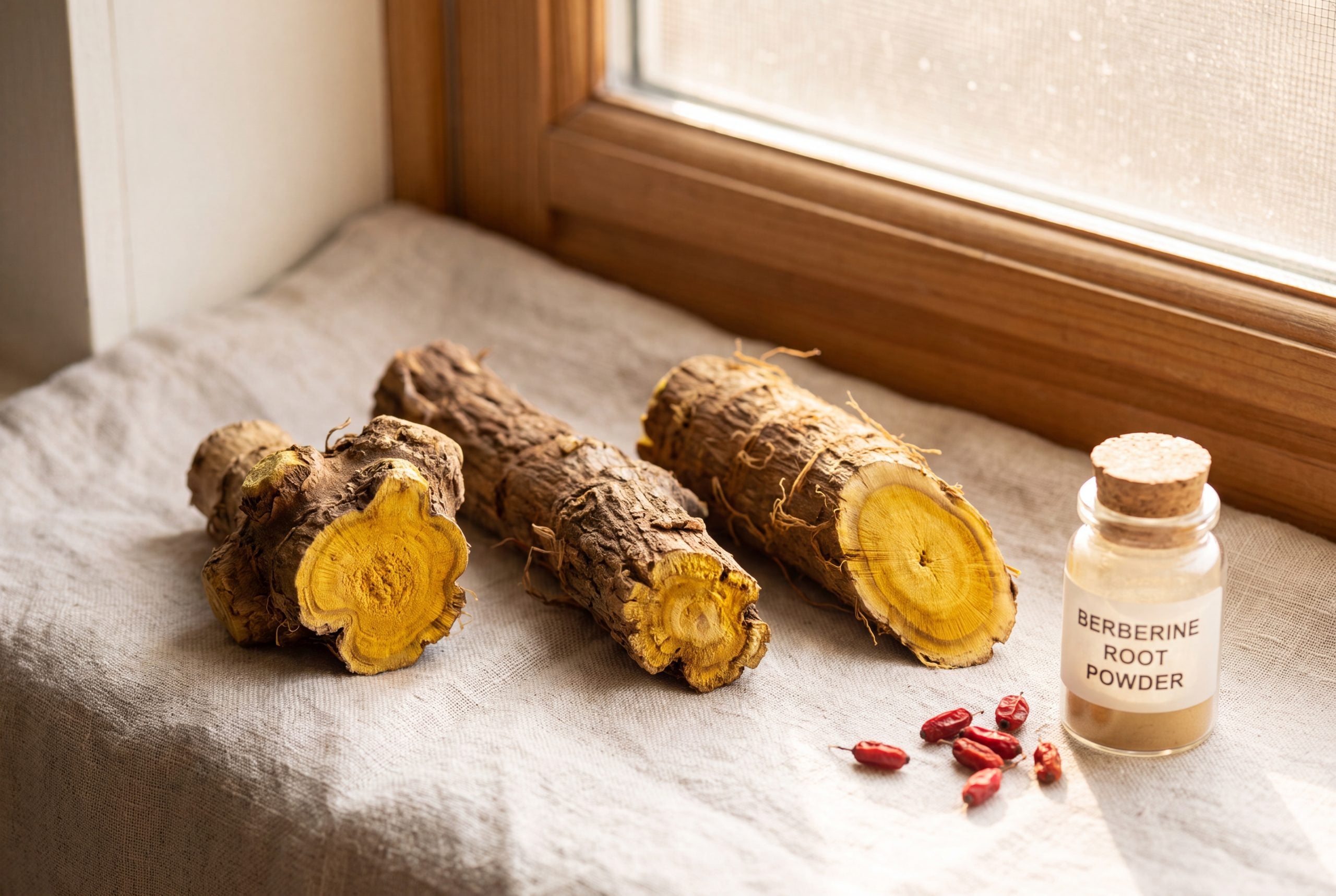
Berberine is an isoquinoline alkaloid found in several plants with a long record of traditional use in Western and Chinese herbalism, including goldenseal (Hydrastis canadensis), Oregon grape (Mahonia aquifolium), and barberry (Berberis vulgaris). It is the bright yellow compound that colors these roots, and it is one of the more closely studied plant constituents in the context of urinary health.
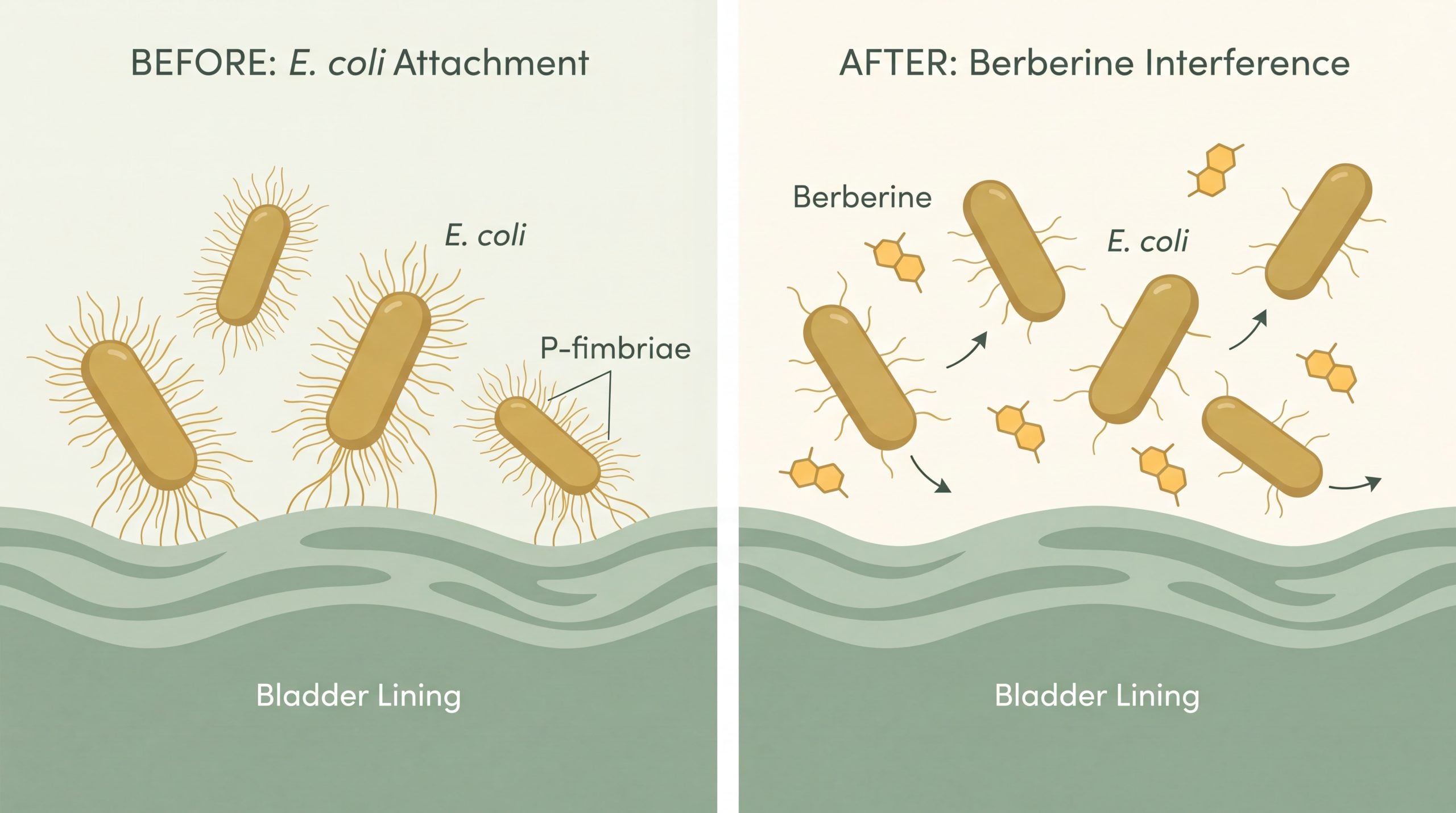
In our review of the laboratory literature, berberine’s most notable property is the way it interferes with bacterial attachment. Uropathogenic Escherichia coli, the organism behind most bladder infections, uses hair-like surface structures called P-fimbriae to grip the cells that line the urinary tract. A foundational 1988 study in Antimicrobial Agents and Chemotherapy found that berberine sulfate reduced the synthesis and assembly of these fimbriae, which made it harder for the bacteria to anchor to the tissue (PMID: 2903716). More recent work using a Galleria mellonella host model reported that berberine chloride lowered the adhesive and invasive behavior of uropathogenic E. coli and improved host survival (2020, Molecules, PMC7662377).
Two points keep this in perspective. First, this is preclinical evidence from test-tube and animal-model research, not human clinical trials, so berberine is best understood as a traditional botanical that supports a healthy urinary environment rather than a proven remedy for infection. Second, berberine is pharmacologically active and can interact with prescription medications by changing how the liver metabolizes them. We do not recommend it during pregnancy or breastfeeding, and anyone on regular medication should talk with a healthcare provider before using it.
Additional Natural Remedies
| Natural Remedy | Potential Benefits | Considerations |
|---|---|---|
| Probiotics | May restore healthy bacteria in the urinary tract, preventing infections. | Choose high-quality supplements; consult a healthcare provider. |
| Apple Cider Vinegar | Believed to have antibacterial properties; may help balance pH levels. | Dilute before consumption; excessive intake can lead to digestive issues. |
| Vitamin C | May acidify urine, potentially inhibiting bacterial growth. | High doses can cause gastrointestinal discomfort; consult a healthcare provider for appropriate dosage. |
| Green Tea | Contains antioxidants, supporting immune function and reducing inflammation. | May contain caffeine; consider decaffeinated options. |
| Horsetail | Used as a diuretic. | Use carefully because of potential thiaminase activity. |
| Cornsilk | A plant that is used to soothe the urinary tract. | Often used for bladder irritation. |
| Buchu | Traditionally used to support urinary comfort. | Best used short-term. Consult a healthcare provider for persistent symptoms. |
How to Incorporate Probiotics
- Food Sources: Yogurt (plain, unsweetened with live cultures), kefir, sauerkraut, kimchi.
- Supplement Form:
- Dosage: Follow the manufacturer’s instructions (typically one capsule daily).
- Strains to Look For: Lactobacillus rhamnosus, Lactobacillus reuteri, Lactobacillus crispatus.
Using Apple Cider Vinegar Safely
- Dilution Ratio: 1-2 tablespoons in a large glass of water.
- Frequency: Limit to once daily.
- Topical Use: Dilute with water for topical wash to help maintain skin pH balance.
Healthy Lifestyle Practices for Prevention
Beyond herbal remedies, lifestyle modifications significantly enhance urinary health:
- Stay Hydrated: Drink plenty of water (aim for half your body weight in ounces) to dilute urine and flush out bacteria.
- Maintain Good Hygiene: Wipe from front to back to prevent bacterial spread.
- Avoid Irritants: Limit caffeine, alcohol, spicy foods, and artificial sweeteners.
- Urinate When Needed: Don’t hold urine for extended periods.
- Wear Breathable Clothing: Opt for cotton underwear and avoid tight-fitting pants.
- Empty Bladder After Intercourse: Helps remove bacteria that may have entered the urethra.
- Diet:
- Alkalizing Foods: Leafy greens, vegetables, and some fruits may create a less hospitable environment for bacteria.
- Include foods with medicinal properties.
- Foods to Avoid: Sugary drinks (which can feed bacteria).
Addressing Different Types of UTIs
- Interstitial Cystitis (IC): A chronic bladder pain condition, not an infection. Some herbs (like marshmallow root) may soothe irritation, but IC requires different management than a bacterial UTI.
- Kidney Infections (Pyelonephritis): Serious infections requiring prompt medical attention (antibiotics). Herbal remedies may be supportive alongside conventional treatment, but never a replacement.
Pros and Cons of Natural Remedies
| Pros | Cons |
|---|---|
| May reduce reliance on antibiotics. | Effectiveness can vary. |
| Often have fewer side effects. | Some may interact with medications. |
| Can promote overall urinary health. | Not all are supported by extensive scientific research. |
| May enhance immune function. | Consultation with a healthcare provider is essential for safety. |
Potential Side Effects and Contraindications
| Herb/Remedy | Potential Side Effects | Contraindications |
|---|---|---|
| Cranberry | Stomach upset, diarrhea (in some individuals). | Individuals on blood thinners should consult a healthcare provider. |
| Uva Ursi | Nausea, vomiting, headaches (if overused). | Not for pregnant/breastfeeding women; may interact with certain medications. |
| Garlic | Bad breath, heartburn, digestive upset. | Can increase bleeding risk; use cautiously before surgery or with anticoagulants. |
| Goldenseal | Potentially toxic in high doses; digestive issues. | Should not be used during pregnancy/breastfeeding; may interact with certain medications. |
| Probiotics | Mild digestive symptoms (gas, bloating). | Individuals with compromised immune systems should consult a healthcare provider. |
| Apple Cider Vinegar | Tooth enamel erosion (if undiluted); throat irritation. | Those with acid reflux or ulcers should use cautiously. |
| Vitamin C | Kidney stones, gastrointestinal distress (high doses). | Individuals with kidney disease should consult a healthcare provider. |
| Green Tea | Insomnia, jitteriness (due to caffeine). | Those sensitive to caffeine should opt for decaffeinated versions. |
| Juniper | Can irritate kidneys | People with kidney issues or taking medication |
| Goldenrod | Possible allergic reaction | People with allergies to ragweed, etc |
Consulting Healthcare Professionals
While natural remedies can be beneficial, consulting a healthcare provider is essential before starting any new treatment, especially with existing health conditions or medications. A healthcare professional provides personalized guidance.
Frequently Asked Questions (FAQs)
- Q1: Can natural herbs completely replace antibiotics for bladder infections?
- A1: While herbs can support urinary health and alleviate symptoms, they shouldn’t replace antibiotics prescribed by a healthcare provider for severe or persistent infections.
- Q2: How long does it take for herbal remedies to work?
- A2: Time frame varies; some experience relief within days, while others take longer. Monitor symptoms and seek medical advice if they don’t improve.
- Q3: Are there side effects with cranberry supplements?
- A3: Generally safe, but excessive consumption may cause stomach upset or interact with medications like warfarin.
- Q4: Can probiotics help prevent recurrent UTIs?
- A4: Yes, certain strains (especially Lactobacillus species) can help restore healthy bacteria, potentially reducing recurrence.
- Q5: Is apple cider vinegar safe to use daily?
- A5: In moderation and diluted, it’s safe for most. Excessive use can lead to digestive issues and enamel erosion. Consult a healthcare provider.
- Q6: Can I use these herbs if I’m pregnant or breastfeeding?
- A6: Some herbs are contraindicated during pregnancy and breastfeeding (e.g., Uva Ursi, Goldenseal). Always consult your doctor before using any herbal remedies during pregnancy or breastfeeding.
- Q7: How do I know if I have a urinary tract infection uti or something else? A7: If the symptoms that are present do not go away, then consulting a healthcare professional is highly recommended to get the correct information.
- Q8: What are the signs of a kidney infection, and what should I do?
- A8: Signs include fever, chills, back pain, nausea, and vomiting. Seek immediate medical attention if you suspect a kidney infection.
- Q9: Can men get UTIs, and are these remedies applicable?
- A9: Yes, men can get UTIs, though they are less common than in women. Many of these remedies are applicable, but dosage and specific herb choices might vary. Consultation with a healthcare provider is recommended.
- Q10: How do I know that I have a bladder infection and not something else? A10: If the symptoms do not go away, then get medical help.
- Q11: Can uva ursi be used every day to prevent bladder infections?
- A11: No. Uva ursi is a short-course herb, not a daily preventive. Because its arbutin converts to hydroquinone, the European Medicines Agency advises using it for no more than one week at a time and no more than five times a year without medical supervision. For ongoing prevention, hydration, cranberry, or D-mannose are more appropriate.
- Q12: Is D-mannose as effective as antibiotics for a UTI?
- A12: The evidence is mixed. An early 2014 trial suggested D-mannose reduced recurrence at a rate similar to nitrofurantoin, but a larger 2024 trial and a 2025 review found no significant benefit over control. D-mannose works by blocking bacterial adhesion rather than killing bacteria, so it is not a substitute for antibiotics when a doctor has diagnosed an active infection.
Key Takeaways for Managing UTIs Naturally
- Stay Informed: Recognize UTI symptoms and seek medical advice if they persist.
- Incorporate Natural Remedies: Use herbs and supplements cautiously, under professional guidance.
- Maintain a Healthy Lifestyle: Proper hydration, hygiene, and diet are essential.
- Monitor Your Body’s Response: Pay attention to how your body reacts.
- Consult Healthcare Providers: Before making significant changes, especially with underlying conditions.
These statements have not been evaluated by the Food and Drug Administration. This information is not intended to diagnose, treat, cure, or prevent any disease. Herbal remedies are not a substitute for professional medical care. Consult your healthcare provider before use, especially if you are pregnant, nursing, taking medication, or managing a diagnosed condition.