Natively found in the lush regions of West Africa, the fruit known as Irvingia gabonensis is celebrated not only for its delightful taste but also for its impressive nutritional profile. This tropical delicacy has garnered attention for its potential health benefits and culinary versatility. In this article, we will see the various advantages of incorporating this unique fruit into your diet, as well as its cultural significance in African traditions.
What is Irvingia Gabonensis?
Irvingia gabonensis, commonly known as African mango, African bush mango, or wild mango, is a species of African tree in the genus Irvingia. It is native to the humid forest zone from the northern tip of Angola, including Congo, DR Congo, Nigeria, Ivory Coast, and south-western Uganda. The fruit is valued for its fat- and protein-rich seeds.
Understanding IGOB131: A Key Extract
A significant portion of the scientific research on Irvingia gabonensis focuses on a patented, standardized extract derived from its seeds, known as IGOB131. This specific formula has undergone specific processing to maximize its bioactive compounds. Unlike generic African Mango extracts, IGOB131’s effects have been studied in controlled clinical trials.
Nutritional Profile of Irvingia Gabonensis Seeds
Irvingia gabonensis seeds are a powerhouse of nutrients. This is a breakdown of the approximate nutritional content per 100g:
| Nutrient | Amount per 100g | Notes |
|---|---|---|
| Calories | 683 | Significantly higher than initially stated, reflecting the high-fat content. |
| Protein | 8.9 g | Contributes to overall nutritional value. |
| Fat | 68.4 g | Primarily composed of beneficial fatty acids. |
| Carbohydrates | 18.7 g | |
| Fiber | 3.4-3.6 g | Contributes to digestive health and feelings of fullness. Note that the fiber content is lower than initially described; the powder is not as concentrated a fiber source as some extracts. |
| Vitamins and Minerals | Rich in iron, calcium, and magnesium. Also contains potassium, zinc, and phosphorus. Provides a good source of Vitamin C (approximately 6.2 mg per 100 g, though this can be reduced by heat processing). | |
| Fatty Acids | See Breakdown Below | Irvingia gabonensis seeds are particularly notable for their fatty acid composition. |
| Antioxidants | Contains ellagic acid, ellagitannins, and other phenolic compounds like quercetin and kaempferol, which help combat free radicals in the body. |
Fatty Acid Breakdown (Approximate):
- Myristic Acid: 33-70%
- Lauric Acid: 20-59%
- Oleic Acid: 1-11%
- Palmitic Acid: 2%
- Stearic Acid: 1%
It’s important to remember that these values can vary depending on factors like growing conditions and processing methods.
The Science-Backed Potential Health Benefits of Irvingia Gabonensis
Irvingia gabonensis seed powder and its extracts, particularly IGOB131, offer several potential health benefits, primarily due to their unique nutritional composition. These benefits are supported by scientific research, although it’s essential to acknowledge the nuances and limitations of these studies.
Weight Management
The high fiber and healthy fat content of the seeds may contribute to feelings of being full, potentially reducing overall calorie intake. Some studies indicate that Irvingia gabonensis may influence metabolic processes related to fat storage.
Key Studies:
- Key studies: Two randomized, double-blind, placebo-controlled human trials anchor the weight-management research. In Ngondi et al. (2009), Lipids in Health and Disease (PMID: 19254366), 102 overweight or obese adults took 150 mg of the IGOB131 seed extract before lunch and dinner and saw significant reductions in body weight, body fat, and waist circumference alongside improvements in total and LDL cholesterol, blood glucose, C-reactive protein, and leptin. An earlier trial, Ngondi, Oben and Minka (2005), Lipids in Health and Disease (PMID: 15916709), reported an average body-weight reduction of about 5.3 percent over one month with whole Irvingia gabonensis seed versus 1.3 percent on placebo, with improved cholesterol and triglyceride readings. Participants received either 150mg of IGOB131 or a placebo twice daily for 10 weeks. The IGOB131 group experienced significantly greater reductions in body weight (average 28 pounds vs. 1 pound in the placebo group), waist circumference (6.7 inches vs. <1 inch), and body fat (6.3% vs. minimal change). The study also reported improvements in blood lipids, blood glucose, C-reactive protein, adiponectin, and leptin levels.
- Onakpoya et al. (2013) Meta-analysis: Review that Irvingia gabonensis showed potential for weight loss, but more long-term studies are needed.
Blood Sugar Regulation
The fiber content can help slow down the absorption of sugar, contributing to healthy blood sugar levels. This is particularly beneficial for individuals managing their blood sugar.
Supporting Research:
Studies suggest Irvingia gabonensis may improve insulin sensitivity. The mechanisms may involve its influence on adiponectin, a hormone that plays a role in regulating insulin sensitivity.
Cholesterol Support
Irvingia gabonensis may help maintain healthy cholesterol levels. The fiber can bind to cholesterol in the digestive tract, promoting its elimination.
Supporting Research:
Studies, including Ngondi et al. (2009), have shown potential improvements in cholesterol levels (reductions in LDL cholesterol and increases in HDL cholesterol) with Irvingia gabonensis supplementation.
Digestive Health
The fiber content may support digestive regularity and help maintain normal, comfortable bowel function. It acts as a “bulk-forming” agent, supporting healthy bowel movements.
Antioxidant Properties
Irvingia gabonensis contains antioxidants, including ellagic acid, ellagitannins, and other phenolic compounds. These compounds help combat oxidative stress in the body.
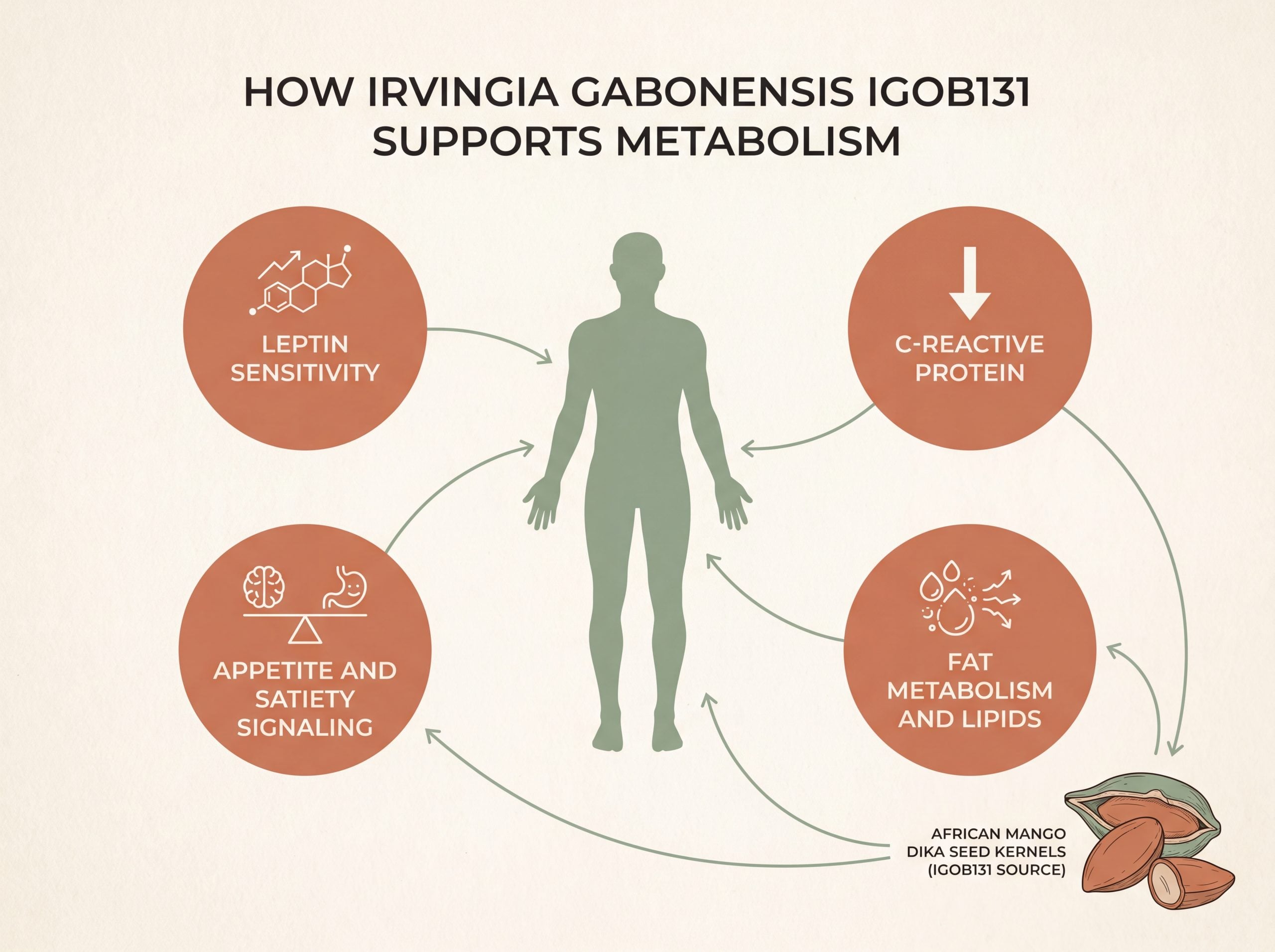
Mechanism of Action: How Irvingia Gabonensis Works
The potential benefits of Irvingia gabonensis are believed to be due to its effects on several key metabolic pathways:- Leptin Sensitization: Leptin, a hormone produced by fat cells, signals satiety to the brain. Irvingia gabonensis, particularly IGOB131, may improve leptin sensitivity. Studies suggest it may help reduce C-reactive protein (CRP) levels. CRP is an inflammatory marker that can bind to leptin and potentially interfere with its signaling.
- Adiponectin Increase: Some studies show IGOB131 increases adiponectin levels. Adiponectin regulates insulin sensitivity and promotes fatty acid oxidation. Higher adiponectin levels are generally associated with improved metabolic health.
- PPARγ Inhibition: In vitro research suggests IGOB131 may inhibit PPARγ (peroxisome proliferator-activated receptor gamma). PPARγ is involved in the formation of new fat cells and the storage of fat. Reducing PPARγ activity might help limit new fat cell formation.
- Glycerol-3-Phosphate Dehydrogenase Influence: IGOB131 may also influence the activity of glycerol-3-phosphate dehydrogenase, an enzyme involved in converting glucose into stored fat. By modulating this enzyme, IGOB131 might contribute to reduced fat storage.
- Fiber’s Role: Fiber adds to feelings of fullness, which aids calorie intake.
Limitations of Current Research
While the research on Irvingia gabonensis is promising, it’s important to acknowledge its limitations:- Study Sponsorship: Some studies have been funded by companies that manufacture or sell Irvingia gabonensis supplements, potentially introducing bias.
- Small Sample Sizes: Many studies have had relatively small sample sizes, making it harder to generalize the findings.
- Short-Term Data: Most studies have been relatively short-term (10-12 weeks or less). Long-term safety and efficacy data are limited.
- Variability in Extracts: Not all studies use the standardized IGOB131 extract. Different extraction methods can lead to variations in the concentration of bioactive compounds.
- Need for More Research: More rigorous, independent, and long-term research is needed to confirm these findings and establish optimal dosages and safety.
Dosage and Administration
The dosage of Irvingia gabonensis varies depending on the form used:- IGOB131 Extract: The dosage used in the most widely cited clinical trial (Ngondi et al., 2009) was 150mg, taken twice daily, 30-60 minutes before lunch and dinner.
- Seed Powder: 1-2 teaspoons (approximately 2-5 grams) of dried powder in an eight-ounce glass of juice or smoothie twice a day, 30 minutes before meals, is a common recommendation. Note that this provides a lower dose of active compounds than standardized extracts.
- Capsules: One capsule (550- 600 mg) of seed powder twice a day with water is a general guideline.
Potential Side Effects and Precautions
Irvingia gabonensis is generally considered safe when consumed in moderate amounts. However, some potential side effects have been reported:- Common Side Effects:
- Headache
- Flatulence (Gas)
- Sleep Disturbances
- Nausea
- Dry Mouth
- Contraindications and Precautions:
- Pregnancy and Breastfeeding: Avoid use due to a lack of sufficient safety data.
- Diabetes: Irvingia gabonensis may lower blood sugar. Individuals with diabetes or those taking blood sugar-lowering medications should consult their healthcare provider and monitor blood sugar levels closely.
- Cholesterol-Lowering Medications: Potential interactions; consult a healthcare provider.
- Kidney Disease: One reported case of kidney failure; avoid if you have kidney problems.
- Surgery: Stop taking it two weeks before.
- Allergies: Individuals with known allergies to African mango should avoid it.
Traditional Uses
Beyond its contemporary use for health, the Irvingia gabonensis tree has a rich history of traditional uses in West African communities:- The bark has been used to relieve pain.
- The leaves have been used to dress wounds.
- The extracted seeds have been used for flavoring.
Choosing Quality Irvingia Gabonensis Supplements
When selecting an Irvingia gabonensis supplement, prioritize quality and standardization:- Look for IGOB131: If seeking the benefits supported by clinical trials, choose products that specifically state they contain IGOB131.
- Third-Party Testing: Look for products that have been tested by independent laboratories (e.g., NSF International, USP) for purity, potency, and the absence of contaminants.
- Standardized Extract: Opt for products that specify a “standardized extract” and list the percentage of active ingredients.
- Avoid Fillers: Choose supplements with minimal fillers and additives.
- Reputable Brands: Purchase from well-known brands with positive reviews and transparent manufacturing practices.
Culinary Applications
Irvingia gabonensis, particularly the fruit pulp, can be incorporated into various dishes:- Smoothies: Blend the fruit with yogurt and other tropical ingredients.
- Salads: Incorporate diced mango into salads.
- Preserves: Cook the fruit down with sugar to create jams and jellies.
- Soups: Add it to soups for a unique flavor.
- 1 cup Greek yogurt
- 1/2 cup diced African mango (fruit pulp)
- 1 banana
- 1 tablespoon honey
- Ice cubes
- Combine all ingredients in a blender.
- Blend until smooth.
- Pour into a glass and enjoy!
African Mango vs. Regular Mango
While both are called “mango,” African mango (Irvingia gabonensis) and regular mango (Mangifera indica) are distinct fruits:- Family: Despite the shared name, African mango is not a true mango at all. Irvingia gabonensis belongs to the Irvingiaceae family, while the common or “regular” mango (Mangifera indica) belongs to the Anacardiaceae family, the same family as cashews and pistachios. The two trees are unrelated botanically, and the word “mango” here reflects the look of the fruit rather than a shared lineage.
- Nutritional Differences: African mango seeds are notably higher in fiber, protein, and healthy fats compared to regular mango fruit, which is primarily a source of carbohydrates and vitamins A and C.
- Primary Uses: African mango is primarily used for its potential health benefits, particularly related to weight management and metabolic health, often in supplement form. Regular mango is primarily consumed as a fruit for its flavor and nutritional value.
Can You Grow Your Own African Mango (Irvingia gabonensis) Tree?
People often ask whether they can grow their own African mango at home, and the honest answer is that it is rarely practical outside the tropics. Irvingia gabonensis is a large evergreen rainforest tree, not a patio plant. In the wild, it reaches roughly 15 to 40 meters and grows in the humid lowland forests of West and Central Africa, across Nigeria, Cameroon, Gabon, Côte d’Ivoire, and the Congo Basin. It needs steady heat, high humidity, year-round rainfall, and deep, well-drained soil. The tree has no frost tolerance, so realistic outdoor cultivation is limited to true tropical and subtropical climates (roughly USDA zone 11 and warmer).
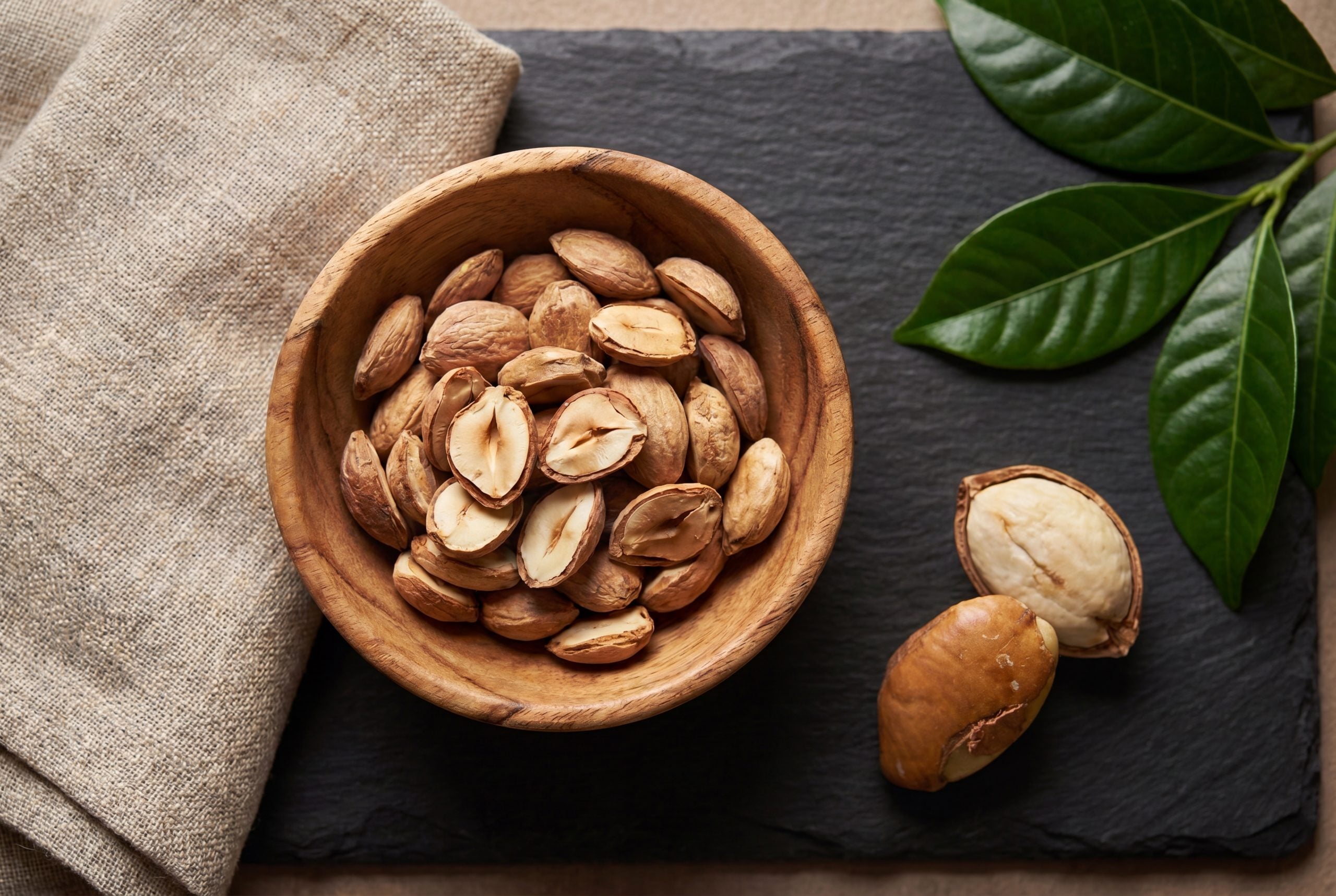
Propagation is slow. A tree started from a dika seed can take about 10 to 15 years to begin fruiting, which is why agroforestry programs across West and Central Africa now favor grafted seedlings that can fruit in about 4 to 5 years. In our sourcing experience, the kernels reach the market through smallholder collection and processing of wild and farm-grown trees rather than through anything a home grower could replicate quickly.
For almost everyone, the practical path is not the tree but the seed. The part used for the documented benefits is the dried seed kernel, known locally as the dika nut, and the standardized seed extract IGOB131. If your interest is the metabolic and weight-management support discussed above rather than the horticulture, a quality-tested seed product such as our African Mango Seed Powder or African Mango Seed Capsules delivers the kernel without the fifteen-year wait.
Frequently Asked Questions (FAQ)
Q1: Is African mango safe for everyone?
A1: While generally considered safe for most, it’s essential to consult a healthcare professional before starting any new supplement, especially for pregnant or nursing women, children, and those with medical conditions.
Q2: How long does it take to see results from taking African mango supplements?
A2: Results can vary, but some studies suggest noticeable effects within a few weeks to 12 weeks of consistent use.
Q3: Can African mango replace a balanced diet and exercise?
A3: No, Irvingia gabonensis supplements should complement a healthy diet and regular exercise, not replace them.
Q4: Where can I buy high-quality African mango supplements?
A4: Purchase supplements from reputable brands that offer third-party testing to ensure quality and potency.
Q5: Are there any long-term side effects of taking African mango supplements?
A5: Long-term studies are limited, so it’s important to use Irvingia gabonensis under the guidance of a healthcare professional.
Disclaimer: These statements have not been evaluated by the Food and Drug Administration. This product is not intended to diagnose, treat, cure, or prevent any disease. The information here is educational and is not medical advice. Consult your healthcare provider before using Irvingia gabonensis or any botanical, especially if you are pregnant or breastfeeding, manage blood sugar or cholesterol with medication, or have a known seed or nut sensitivity.