The Verdict: Internal Quality Score
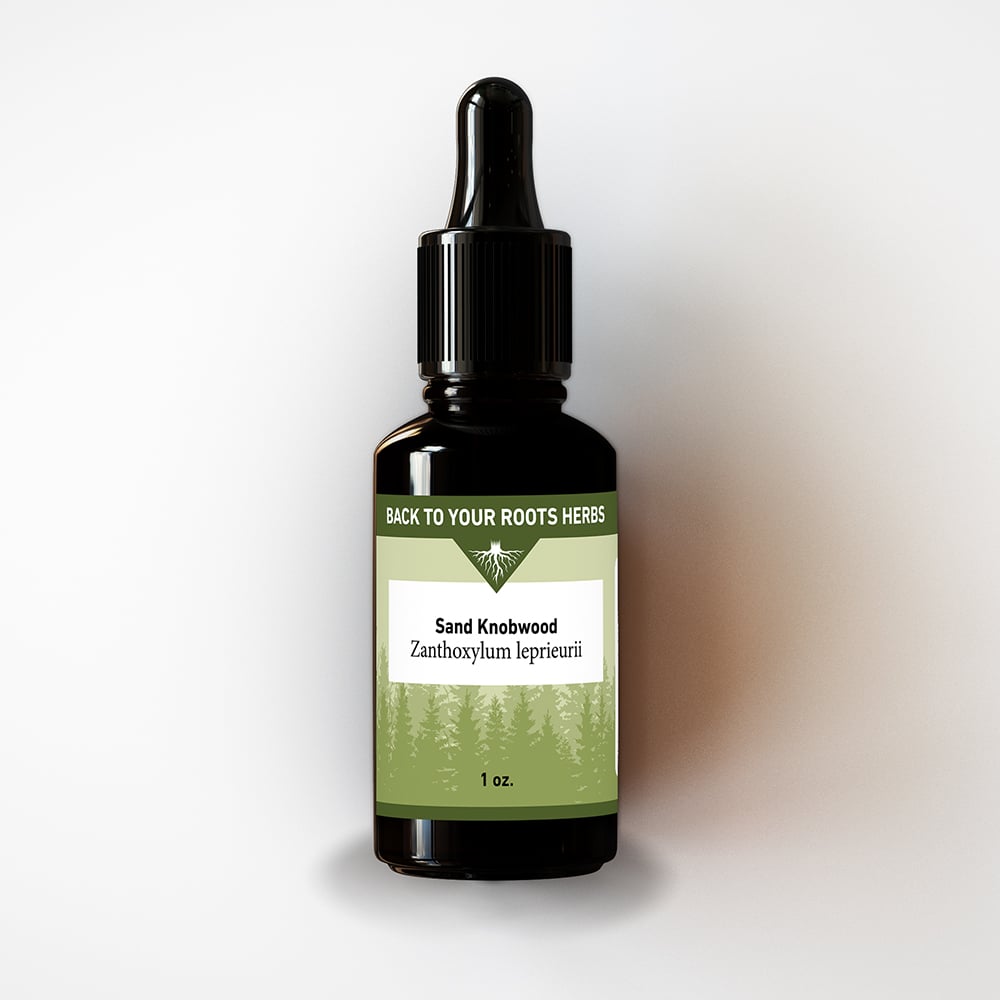
Grade A. Potency Score: 9.4 / 10. This Zanthoxylum leprieurii root bark tincture is sourced from a wild-harvested stand of Zanthoxylum leprieurii Guill. & Perr. trees growing in the Rutaceae corridor of southwestern Nigeria, near the IITA Forest Center outside Ibadan (7.4972° N, 3.9072° E). The root bark is hand-stripped from mature trees, sun-cured for moisture control, and macerated whole in a hydroethanolic menstruum. No standardized extract. No isolated fraction. The native acridone alkaloid and isobutyl amide profile of this Zanthoxylum leprieurii root remains intact in the final tincture. Bitter. Pungent. Warming. The Fagara character is unmistakable.
– Back To Your Roots Herbs Research Group
Zanthoxylum Leprieurii Root Bark Tincture: Sensory Analysis
A first-hand report from the lab bench. We unbuttoned the cap and tested the bark tincture across three sensory axes.
- Look: Deep amber, leaning rust. The Zanthoxylum leprieurii root bark releases a noticeable color load into the menstruum, giving the tincture a near-cognac transparency in glass. Light sediment is normal in a whole-bark tincture and indicates that the Zanthoxylum root has not been over-filtered.
- Smell: Warm, woody, with a faint citrus-peel top note. The Rutaceae family signature comes through clearly. There is a soft pepper undertone from the bark itself, which is consistent with the volatile profile reported for Zanthoxylum leprieurii essential oils (limonene, β-caryophyllene, linalool, germacrene D, α-pinene).
- Taste: Bitter on the front. Pungent and warming on the mid-palate. A faint, prickling salivation at the back of the tongue is the hallmark of authentic Fagara root bark and the reason West African herbal tradition has used Zanthoxylum leprieurii root as a chewing stick for generations.
How Does Zanthoxylum Leprieurii Root Bark Tincture Work?
The mechanism is botanical and traditional. Here is what the Zanthoxylum leprieurii root carries into the bottle.
The Plant: Zanthoxylum Leprieurii Guill. & Perr.
The herb is Zanthoxylum leprieurii, a medium-sized Rutaceae tree native to tropical Africa, ranging from Senegal east to Ethiopia and south to Mozambique. The species is sometimes labeled Fagara leprieurii in older literature. It is not Zanthoxylum americanum (Northern Prickly Ash), and it is not Zanthoxylum clava-herculis (Southern Prickly Ash). This is a species-specific Zanthoxylum leprieurii root bark tincture, not a generic prickly ash bark tincture.
Zanthoxylum Leprieurii Root Bark Phytochemistry
Independent research has characterized a layered phytochemical profile in the bark. Documented constituents include acridone alkaloids such as fabiocinine, arborinine, and skimmianine, plus coumarins, lignans, triterpenoids, and N-isobutyl amides. Two compounds, adubangoamide and dranzoanol, were first reported from Zanthoxylum leprieurii root bark in 2023 by Oloya and colleagues. The whole-bark tincture preserves this native compound array rather than concentrating a single isolate.
Zanthoxylum Leprieurii Bark: Cited Research
Phytochemical investigation by Bunalema and colleagues (2017) characterized the bioactive compound array of the Zanthoxylum leprieurii bark using column chromatography and thin-layer chromatography, published in BMC Complementary and Alternative Medicine (PMID 28148252). The study profiled the compound classes present in Zanthoxylum leprieurii bark extract and confirmed the structural diversity of the alkaloid fraction. The open-access full text is archived by the National Library of Medicine at PubMed Central (PMC5289037). Further peer-reviewed characterization of the species appears in a 2020 study on the seasonal chemical composition of Zanthoxylum leprieurii essential oils (PMID 32369948), and the botanical record is catalogued on the species reference page and the PROTA / PlantNet database. Citations are provided for transparency and are not a product efficacy claim.
Documented Properties Studied in the Laboratory
Research describes what this native compound array has done in laboratory settings, separate from any outcome promised by a tincture. The acridone alkaloid fraction profiled by Bunalema and colleagues (PMID 28148252) was studied for antimicrobial activity against resistant bacterial strains. Assays on the root bark methanolic extract have characterized anti-inflammatory and antioxidant activity in standard in-vitro screens, and the seasonal essential oil fraction (limonene, β-caryophyllene, linalool) has been studied for insecticidal and antimicrobial properties (PMID 32369948). These are documented research findings about the plant and its isolated constituents, shared for educational context. They describe laboratory observations, not benefits guaranteed by this product.
What Is the Traditional Use of Zanthoxylum Leprieurii Root Bark?
The West African Chewing Stick Heritage
Across West Africa, the roots of Zanthoxylum leprieurii are cut into short sticks and used as natural chewing sticks for the daily oral routine. The warm, slightly numbing sensation that comes from chewing the Zanthoxylum leprieurii root is what gives the bark its reputation in the bitter herb tradition. This tincture concentrates the bark in liquid form for those who want the Fagara character without sourcing fresh sticks.
Bitter Herb Tradition
In the West African materia medica, Zanthoxylum leprieurii root bark sits in the bitter and pungent category. Bitter herb traditions across cultures use this taste profile as a herbal support for circulatory warmth and digestive comfort. A small daily dose of the bark tincture mirrors the traditional pattern of low-volume, high-pungency Zanthoxylum leprieurii root extract intake.
Rutaceae Family Context
Zanthoxylum is the same genus that gives Sichuan pepper, prickly ash, and tembetary their characteristic mouth-tingling effect. The mechanism in the family is tied to alkylamides binding briefly to TRP-channel receptors on the tongue. This is the sensory fingerprint that confirms the Zanthoxylum leprieurii root bark tincture has retained its native compound load.
What Makes This Leprieurii Root Bark Tincture Different?
Authentic Species, Not a Prickly Ash Substitute
Most online listings for “African prickly ash tincture” or “Zanthoxylum tincture” use either Z. clava-herculis (Hercules Club) or Z. americanum (Northern Prickly Ash) bark. Those are North American species. This is a true Zanthoxylum leprieurii root bark tincture, hand-identified at the harvest site and confirmed against the Guillemin & Perrottet original taxonomic description. The species precision matters because the alkaloid profile of Leprieurii is not interchangeable with the prickly ash alkaloid profile of the North American Zanthoxylums.
Whole-Spectrum Liquid Extract
This is a whole-bark hydroethanolic tincture. The root bark is macerated in food-grade cane ethanol and filtered water at a 1:4 herb-to-menstruum ratio. The Zanthoxylum leprieurii root extract is not standardized to a single alkaloid. Acridones, amides, coumarins, lignans, and triterpenoids are pulled together in their native ratios. A whole bark tincture behaves differently from a standardized fraction.
Wild-Harvested West African Origin
The root bark for this tincture is sourced from naturally regenerating Zanthoxylum leprieurii stands in southwestern Nigeria near the IITA Forest Center, Ibadan, Oyo State. Coordinates are documented at 7.4972° N, 3.9072° E. Harvest is rotational. Trees are not felled. The harvester strips a portion of the surface root bark, leaves the taproot intact, and rotates back to the parent tree on a multi-year cycle.
How To Use This Zanthoxylum Leprieurii Tincture
Suggested Daily Use
Shake the bottle. Dispense 1 to 2 mL (roughly 30 to 60 drops) under the tongue or in a small amount of water. Hold briefly to register the warming sensation, then swallow. The bitter and pungent character is intentional and is the same signature that defines the Zanthoxylum leprieurii root tradition. Typical usage is once or twice daily as part of a herbal bitter routine.
Combining With Other Bitter Tinctures
This Zanthoxylum leprieurii bark tincture pairs naturally with other bitter and pungent liquid extracts in the Rutaceae and herbal bitters category. Common stack patterns include gentian, dandelion root, or West African mutamba root extract, taken together as a bitter formula. Begin with the Leprieurii root bark tincture alone for the first week to assess personal tolerance to the pungency.
Critical Usage Notes
Who Should Avoid This Zanthoxylum Tincture
Do not use this Zanthoxylum leprieurii root bark tincture if you are pregnant, nursing, or planning pregnancy. Do not use if you have a known sensitivity to plants in the Rutaceae family. Discontinue if you experience any oral irritation. Keep the bark tincture out of reach of children. Consult a qualified healthcare practitioner before use if you take prescription medication, particularly anticoagulants or cytochrome P450-metabolized drugs, because the Zanthoxylum leprieurii root carries phytochemicals that may interact at the metabolic level.
Storage
Store the Zanthoxylum leprieurii root bark tincture in a cool, dark location. Keep the cap tight. The hydroethanolic base preserves the bark extract for 36 months under correct storage conditions. Sediment at the bottom of the bottle is normal in a whole-bark tincture and may be redispersed by shaking.
Zanthoxylum Leprieurii Root Bark Tincture Clinical Specs
| Spec | Detail |
|---|---|
| Serving Size | 1 to 2 mL (approximately 30 to 60 drops) |
| Frequency | 1 to 2 times daily, with or between meals |
| Active Markers | Native acridone alkaloids (fabiocinine, arborinine, skimmianine) and N-isobutyl amides in whole-bark ratio |
| Extraction Ratio | 1:4 herb-to-menstruum, hydroethanolic (food-grade ethanol and filtered water) |
| Processing | Cold maceration, 6-week extraction, hand-pressed, double-strained |
| Safety | Heavy Metal Tested (Pass), Microbial Tested (Pass) |
| Ingredients | Zanthoxylum leprieurii root bark, food-grade cane ethanol, filtered water |
| Other Ingredients | None. No fillers, no flavoring, no preservatives |
| Purity | Wild-Harvested, Non-GMO, Vegan, Gluten-Free |
| Free From | Wheat, Gluten, Soy, Dairy, Binders, Fillers, Synthetic Preservatives |
| Origin | Wild-harvested West African Zanthoxylum leprieurii root bark, Oyo State, Nigeria (7.4972° N, 3.9072° E) |
| Bottle Size | 1 fl oz / 30 mL amber glass with glass dropper |
| Manufactured | Virginia Beach, VA, USA |
Zanthoxylum Leprieurii vs Generic Prickly Ash Comparison Table
| Feature | BTYRH Zanthoxylum Leprieurii Root Bark Tincture | Generic “Prickly Ash” Tincture (Z. americanum or Z. clava-herculis) |
|---|---|---|
| Species | Zanthoxylum leprieurii Guill. & Perr. (verified) | North American Zanthoxylum (different species) |
| Origin | Wild-harvested Nigeria (7.4972° N, 3.9072° E) | Unspecified or North American sourcing |
| Plant Part | Root bark only | Often, stem bark or unspecified bark |
| Preparation | Whole-bark hydroethanolic tincture, 1:4 ratio | Often blended or standardized extract |
| Alkaloid Profile | Native Leprieurii acridones and isobutyl amides | Different alkaloid profile (alpha-fagarine, magnoflorine) |
| Taste | Bitter, pungent, warming, woody | Generic pungent or “spicy.” |
| Safety Documentation | Heavy metal and microbial tested | Usually unknown or untested |
How Zanthoxylum Leprieurii Compares to Other Medicinal Plants
A common question is how Zanthoxylum leprieurii compares to other medicinal plants in terms of efficacy. For any traditional botanical, the careful answer is the same. Head-to-head efficacy rankings are not established in the clinical literature, so no plant in this category can be called stronger than another. What can be compared is the botanical family, the documented constituent class, and the traditional-use category. The table below positions Zanthoxylum leprieurii root bark against other bitter and pungent botanicals on those grounds. These are comparisons of plant characteristics and traditional positioning, not claims that one plant works better than another.
| Botanical | Family | Documented signature constituents | Traditional-use category |
|---|---|---|---|
| Zanthoxylum leprieurii (this product) | Rutaceae | Acridone alkaloids (fabiocinine, arborinine, skimmianine), coumarins, N-isobutyl amides | West African bitter and pungent chewing-stick herb |
| Zanthoxylum bungeanum (Sichuan pepper) | Rutaceae | Hydroxy-alpha-sanshool amides, limonene | East Asian culinary spice and warming digestive herb |
| Zanthoxylum americanum (Northern prickly ash) | Rutaceae | Alpha-fagarine, magnoflorine, chelerythrine | North American circulatory and bitter folk tradition |
| Gentiana lutea (gentian) | Gentianaceae | Secoiridoid bitters (gentiopicroside, amarogentin) | Classic European digestive bitter |
| Artemisia absinthium (wormwood) | Asteraceae | Absinthin, thujone, sesquiterpene lactones | European bitter tonic tradition |
The point of difference for Zanthoxylum leprieurii is not a higher efficacy score. It is the species-specific acridone alkaloid and isobutyl amide profile characterized by Bunalema and colleagues (PMID 28148252) and the seasonal essential oil work on the species (PMID 32369948), preserved here in a whole-bark hydroethanolic ratio rather than a single isolated fraction. Among Rutaceae bitters, Leprieurii root bark stands apart by its West African origin and chewing-stick heritage, not by any comparative treatment outcome.
Zanthoxylum Leprieurii Root Bark Tincture: Frequently Asked Questions
What is Zanthoxylum leprieurii?
Zanthoxylum leprieurii is a medium-sized Rutaceae family tree native to tropical Africa. It can reach 24 meters in height. The bark and root bark have been used in West African herbal tradition for generations. The species was first described scientifically by Guillemin and Perrottet, which is why the full botanical name carries the Guill. & Perr. Authority citation.
Is Leprieurii root bark the same as prickly ash bark?
No. Prickly ash is the common name for two North American species, Zanthoxylum americanum and Zanthoxylum clava-herculis. Zanthoxylum leprieurii is a separate African species in the same genus. The Zanthoxylum leprieurii root bark has its own alkaloid signature and is not interchangeable with prickly ash. This product is a true Leprieurii root bark tincture, not a prickly ash blend.
How is this Zanthoxylum leprieurii bark tincture made?
The wild-harvested root bark is cleaned, cut, and macerated in food-grade cane ethanol and filtered water menstruum at a 1:4 ratio for six weeks. The bark tincture is then hand-pressed and double-strained. No heat is applied. No isolated compound is added. The final Zanthoxylum leprieurii root extract is a whole-spectrum liquid representation of the bark.
Where does this Zanthoxylum leprieurii root come from?
The Zanthoxylum leprieurii root bark used in this tincture is sourced from naturally regenerating populations in southwestern Nigeria near the IITA Forest Center in Ibadan, Oyo State. The documented coordinate set is 7.4972° N, 3.9072° E.
What does Zanthoxylum leprieurii taste like?
Bitter on the front of the tongue, pungent through the mid-palate, with a soft, warming, and tingling sensation at the back. This is the signature sensory profile of authentic Fagara root bark and matches the chewing stick tradition associated with Zanthoxylum leprieurii in West African herbalism.
What are the medicinal properties of Zanthoxylum leprieurii root bark?
Published research describes Zanthoxylum leprieurii root bark as a source of acridone alkaloids, coumarins, lignans, triterpenoids, and N-isobutyl amides. In laboratory and ethnobotanical literature, these constituents have been studied for antimicrobial, anti-inflammatory, and antioxidant activity, and the species carries a long record of traditional West African use as a bitter, pungent chewing-stick herb. The antimycobacterial constituent work of Bunalema and colleagues (PMID 28148252) and assays on the root bark essential oil fraction (PMID 32369948) are among the most cited examples. These are research and traditional-use findings about the plant, offered for educational context. They are not claims that this tincture diagnoses, treats, cures, or prevents any condition. For everyday wellness context, see our companion guide on Zanthoxylum leprieurii for overall wellness.
About the Back To Your Roots Herbs Research Desk
Sourcing Standards
Every batch of Zanthoxylum leprieurii root bark is sourced from documented harvest sites with rotational protocols. Trees are not felled. Surface root bark only.
Quality Testing
Every Zanthoxylum leprieurii tincture batch is tested for heavy metals and microbial load before bottling. Certificates of analysis are available on request.
Lab Verification
Identity confirmation is done by macroscopic and organoleptic match against the Guillemin and Perrottet voucher description for Zanthoxylum leprieurii.
Document Trail
Batch number, harvest date, and lab pass records travel with every Zanthoxylum leprieurii root bark tincture bottle.
DISCLAIMER: These statements have not been evaluated by the Food and Drug Administration. This product is not intended to diagnose, treat, cure, or prevent any disease. Consult a qualified healthcare practitioner before use, particularly if pregnant, nursing, or taking prescription medication.
Written by the Back To Your Roots Herbs Research Group | Fact-checked | Last Reviewed: June 2026.
Reviews
There are no reviews yet.