Thunbergia Laurifolia Powder: The Verdict (Internal Quality Score)
Grade A – Potency Score 9.2 / 10. This Thunbergia laurifolia powder is sourced from the Chiang Mai growing region of northern Thailand (18.7883° N, 98.9853° E), where the laurifolia leaves are harvested at peak chlorophyll, shade-dried, and stone-milled to a uniform powder. No extract, no fillers, no caffeine. The thunbergia laurifolia powder you receive is the same whole-leaf material Thai households brew as Rang Jued tea.
– Back To Your Roots Herbs Research Group
Sensory Analysis: Look, Smell, and Taste of Thunbergia Laurifolia Powder
Our research group physically opened, milled, and tasted this lot before it hit the warehouse floor. The notes below are first-hand.
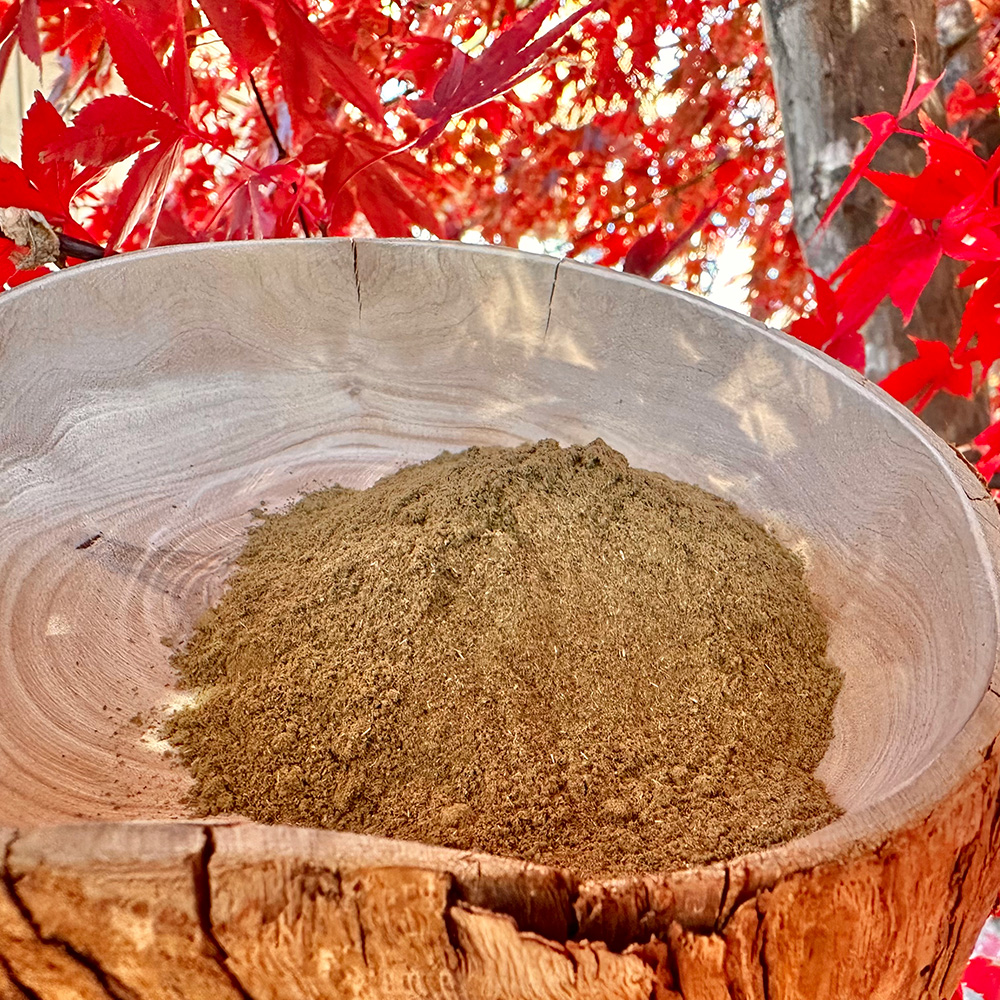
- Look: Matte, jade-green leaf powder with the occasional flecks of darker vein material. Free-flowing. No clumps.
- Smell: Cool hay and crushed green tea. A faint floral note in the background, similar to dried alfalfa.
- Taste: Mildly grassy. Lightly bitter on the back of the tongue. Finishes clean. No astringency, no chalk.
Active Compounds in the Whole-Leaf Powder
The leaf powder retains the laurifolia plant’s native polyphenol profile, including caffeic-acid derivatives, apigenin glycosides, and the iridoid glycoside grandifloric acid. These antioxidant constituents are heat-stable, which is why traditional Thai preparation steeps the leaf powder rather than boiling it.
How Does Thunbergia Laurifolia Powder Extract Work?
Three things you should know before serving this Thunbergia laurifolia powder extract.
- The Herb: Thunbergia laurifolia (family Acanthaceae), sourced from the Chiang Mai growing region of northern Thailand. Common names include Rang Jued, blue trumpet vine, and laurel clock vine. The Thai botanical name is Rang Jued.
- The Mechanism: Caffeic-acid esters and apigenin glycosides in the laurifolia leaf powder act as free-radical scavengers, supporting the body’s normal antioxidant enzymes and contributing to its baseline cleansing routine.
- The Evidence: Research by Intatham et al. (2025), published in Pharmaceuticals (Basel), examined the leaf extract of Thunbergia laurifolia in Sprague-Dawley rats and reported antioxidant activity along with normalized liver-enzyme markers (PMID 40430504).
Rang Jued: The Thai Common Name
In Thailand, the laurifolia herb is called Rang Jued. It is one of the few entries in Thailand’s National List of Essential Medicines drawn from a wild flowering vine. Households brew it daily, season after season.
Whole-Leaf Powder vs Powder Extract
Most laurifolia powder extract products on the market are spray-dried hot-water concentrates standardized to a marker compound. Our laurifolia powder is the leaf, and only the leaf, ground whole. You get the full polyphenol matrix the way the laurifolia plant produced it. If you have used a Thunbergia laurifolia powder extract before, this whole-leaf powder will taste milder and steep cleaner.
Critical Usage: Dosage and Contraindications
A serving is 1/2 teaspoon (approximately 1.5 g) of leaf powder, taken once or twice daily. Steep in 8 oz of warm water for three to five minutes, or stir into a smoothie or juice. Start with one serving per day and increase only if it agrees with you.
Do not use if pregnant or nursing. Do not use in combination with prescription liver medication or insulin without consulting a licensed healthcare provider. The laurifolia herb may lower blood-glucose readings in some people, so monitor accordingly. Discontinue if you experience nausea or rash.
Thunbergia Laurifolia Powder Clinical Specs
| Spec | Detail |
|---|---|
| Serving Size | 1/2 teaspoon (approximately 1.5 g) |
| Frequency | Once or twice daily, taken with water |
| Active Marker | Caffeic-acid derivatives and apigenin glycosides (full spectrum, not standardized) |
| Processing | Shade-dried, stone-milled whole leaf. No extract. No solvents. |
| Safety | Heavy Metal Tested (Pass) |
| Ingredients | 100% Thunbergia laurifolia (Rang Jued) leaf powder |
| Other Ingredients | None. Single-ingredient leaf powder. |
| Purity | Non-GMO, Vegan, Caffeine-Free |
| Free From | Wheat, Gluten, Soy, Dairy, Binders, Fillers |
| Origin | Chiang Mai growing region, northern Thailand (18.7883° N, 98.9853° E) |
| Manufactured | Virginia Beach, VA, USA |
Thunbergia Laurifolia Powder vs Generic Rang Jued Powder
| Feature | BTYRH Thunbergia Laurifolia Powder | Generic Rang Jued Powder |
|---|---|---|
| Origin | Chiang Mai growing region, northern Thailand (terroir specified) | Unspecified (often blended from multiple regions) |
| Preparation | Shade-dried, stone-milled whole leaf powder | Hot-air dried, hammer-milled, often a powder extract or blend |
| Taste | Mildly grassy, lightly bitter, clean finish | Bitter and chalky, often astringent |
| Safety | Heavy Metal Tested at the Virginia Beach facility | Unknown / Untested |
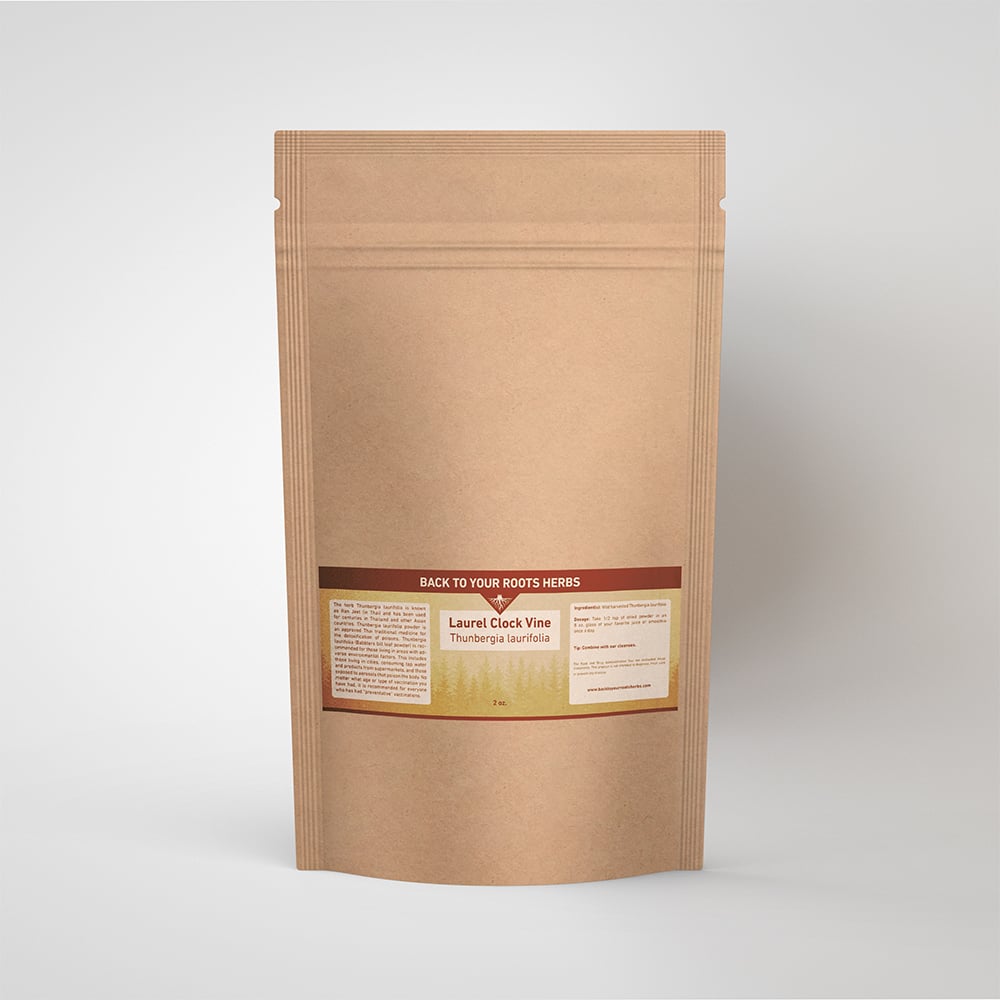
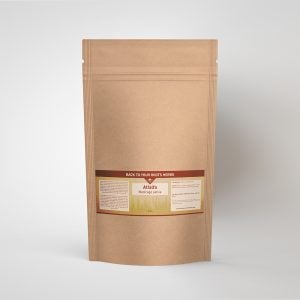
| Format | Whole-leaf laurifolia powder, 2 oz resealable pouch | Mixed laurifolia powder extract or capsule blend |
Daily Serving and Tea Preparation
The simplest way to use this Thunbergia laurifolia powder is the way Thai households have for centuries: steep 1/2 teaspoon of leaf powder in warm (not boiling) water for three to five minutes, then drink. The warm-water step preserves the iridoid glycosides better than boiling does. You can also stir the laurifolia powder into a smoothie, a glass of cold-pressed juice, or yogurt.
2 oz Pouch Format
Each 2 oz resealable foil pouch contains roughly 38 servings of laurifolia leaf powder at the 1.5 g serving size. Stored cool and dry, the powder holds its color and aroma for 24 months from the print date.
Manufactured in Virginia Beach
Final blending, milling, and pouching are done at our Virginia Beach, VA facility under FDA-registered supplement protocols. The laurifolia leaf is sourced directly, then processed in-house.
Heat-Stable Antioxidants
Apigenin glycosides in the laurifolia leaf powder are heat-stable up to about 100° C, which is why warm-water steeping recovers them well.
Frequently Asked Questions About Thunbergia Laurifolia Powder
What is Thunbergia laurifolia, and what is the common name?
Thunbergia laurifolia is a flowering vine in the Acanthaceae family, native to Southeast Asia. Common names are Rang Jued (Thai), blue trumpet vine, and laurel clock vine. Our Thunbergia laurifolia powder is made from the leaves only.
What does this Thunbergia laurifolia powder taste like?
Mildly grassy and lightly bitter, similar to a soft green tea. The leaf powder has no chalkiness and finishes clean.
Whole-leaf laurifolia powder or powder extract: which should I choose?
Whole-leaf laurifolia powder gives you the full polyphenol matrix the plant produces. A laurifolia powder extract gives you a concentrated marker compound. For a daily Rang Jued tea routine, whole-leaf laurifolia powder is the traditional choice.
Can I take this laurifolia herb powder every day?
Many users take Rang Jued daily as a tea. Start at one serving per day, monitor how you feel, and consult a licensed healthcare provider if you take prescription medication or are pregnant or nursing.
DISCLAIMER: These statements have not been evaluated by the Food and Drug Administration. This product is not intended to diagnose, treat, cure, or prevent any disease.
Reviews
There are no reviews yet.