What Is Organic Purple Corn Powder? Inside The Andean Superfood
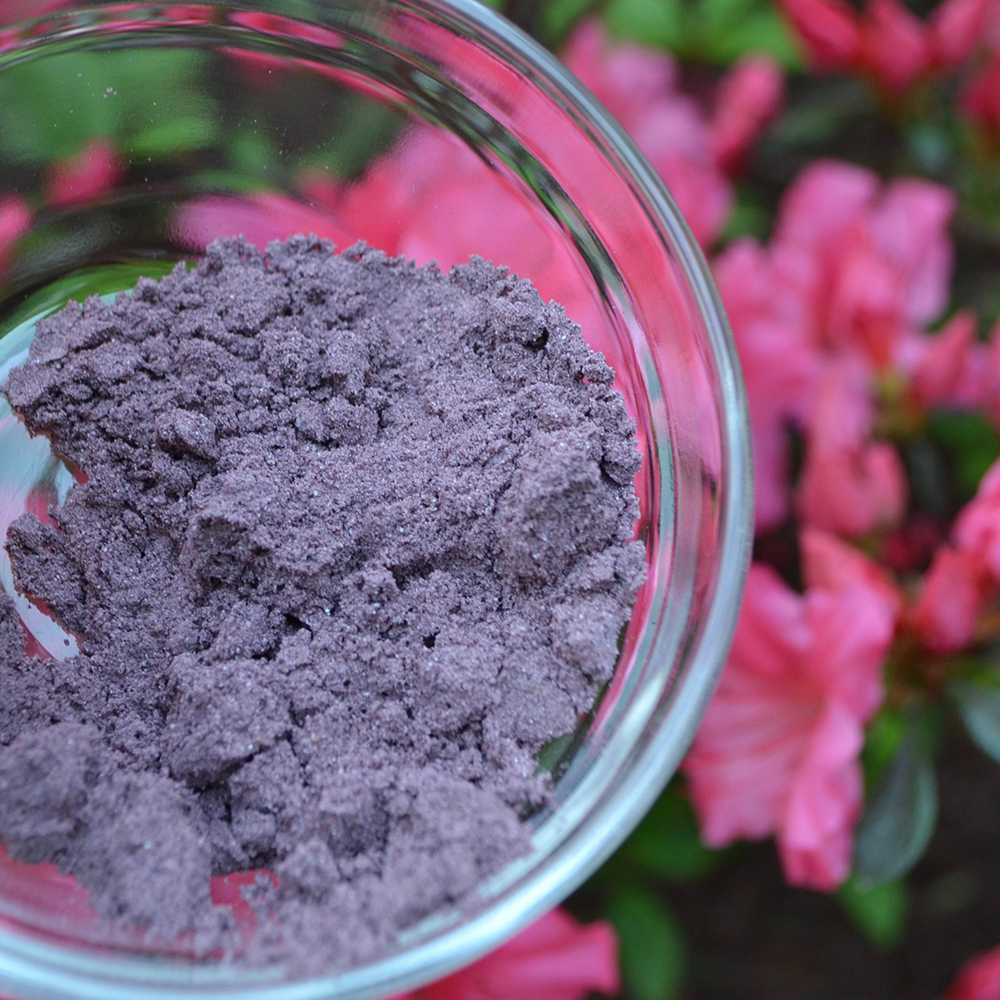
Organic Purple Corn Powder is a finely milled flour produced from kernels of Zea mays L., the deep-pigmented Peruvian variety known locally as maíz morado. Sometimes labeled hanan mikhuy purple corn or harina morada, this purple corn flour carries the same anthocyanin-rich purple pigment that has colored Andean food and drink for centuries. The powder is ground from whole purple corn kernels, then sifted to a fine, smoothie-friendly texture. Unlike a purple corn extract, the whole-kernel powder retains the corn fiber, the husk-borne phenolic compounds, and the carbohydrate matrix that supports steady use in baked goods, pasta, tortillas, and gluten-free recipes.
Botanical Identity (Zea mays L., Kculli Variety)
Purple corn belongs to the same species as yellow table corn but has been mutated to express deep purple anthocyanin pigments throughout the kernel pericarp and cob. The Kculli landrace is widely regarded as one of the most ancient purple corn varieties, with cultivation records that predate the Incan empire. Modern Morado strains, including the variety milled into our purple corn powder, descend from this Kculli ancestor. The result is a corn flour that is botanically still corn, yet with a phenolic profile and color saturation that places it alongside blueberries, purple sweet potato powder, ebony carrot powder, and indigo blueberry powder on the natural-pigment shelf.
Sourcing And Origin In Peru
The kernels are grown by Peruvian farming partners working in the central and southern Andean highlands, principally the regions of Cusco, Apurimac, Ayacucho, Junín, and Huancavelica. Harvested cobs are sun-cured, hand-shelled, then milled at low temperature to protect the heat-sensitive anthocyanins. The growing zone sits roughly between 2,000 m and 3,500 m of elevation, where cool nights, mineral-rich Andean soil, and intense daytime UV encourage the plant to produce concentrated phenolic compounds and the anthocyanin pigment that gives the powder its color.
Cusco Region And Sacred Valley Highland Coordinates
Approximate origin coordinates for the Cusco growing region are 13.5320° S, 71.9675° W, with the wider Sacred Valley corridor extending northwest toward Urubamba and Pisac. This is the same valley system associated with Andean traditional foodways, including the traditional purple corn drink chicha morada and the corn pudding mazamorra morada.
Anthocyanin Profile And Antioxidant Phenolic Compounds
The deep red-purple color of purple corn powder is produced by a family of pigments called anthocyanins. Anthocyanins are water-soluble flavonoid phenolic compounds, and they are the same pigment family responsible for the color of blueberries, blackcurrants, and red cabbage. Cyanidin-3-glucoside (often abbreviated C3G) is the dominant anthocyanin in purple corn, accompanied by peonidin-3-glucoside, pelargonidin-3-glucoside, and several malonylated derivatives.
Cyanidin-3-Glucoside (C3G) Concentration
Across published Andean varietal surveys, cyanidin-3-glucoside accounts for approximately 70% of the total anthocyanin profile of purple corn seed. Total anthocyanin content varies by cultivar, agro-ecological zone, and milling temperature, with cob and pericarp tissues holding the highest concentrations. Because anthocyanins are heat-sensitive and pH-sensitive, low-temperature milling and a cool, dry storage environment are important quality controls for maintaining the C3G fraction in finished purple corn powder.
How Purple Corn Compares To Blueberries
Published comparative data routinely place purple corn cob anthocyanin density above the blueberry on a per-gram basis, which is one reason chefs and natural-product formulators reach for purple corn powder when blueberry powder cannot deliver the saturation they need. The pigment is also remarkably effective as a natural food coloring for frosting, yogurts, smoothie bowls, ice cream sandwiches, pancakes, and pasta dough.
Color Pigment Stability In Cooking
Anthocyanins shift color with pH. In acidic mixtures, the pigment leans red-purple, in neutral mixtures it leans violet, and in alkaline mixtures it can drift toward blue or gray. A small splash of lemon juice in the batter or smoothie often locks the color in the red-violet range. Prolonged high-heat baking will dim the pigment, so for the brightest color in baked goods, we recommend stirring the purple corn flour into the wet batter just before baking and avoiding extended boil times.
Hanan Mikhuy Purple Corn Reference Points
The Quechua phrase hanan mikhuy translates roughly to high food or upper food, a phrase Andean grandparents have long used for staple grains grown at altitude. Purple corn fits that description because it is one of the oldest cultivated maize lines in coastal and mountainous zones of the Andes region of South America, including Peru, Bolivia, and Ecuador, used there since pre-Incan civilizations.
Clinical Specifications At A Glance
| Specification | Detail |
|---|---|
| Botanical Name | Zea mays L. (Kculli / maíz morado lineage) |
| Plant Part Used | Whole purple corn kernel, milled to fine flour |
| Country Of Origin | Peru (Andean highlands, Cusco region, and surrounding) |
| Origin Coordinates | 13.5320° S, 71.9675° W (Cusco reference point) |
| Growing Elevation | Approximately 2,000 m to 3,500 m |
| Color | Deep red purple powder |
| Texture | Fine, smoothie-grade flour |
| Primary Anthocyanin | Cyanidin-3-glucoside (C3G), with peonidin-3-glucoside and pelargonidin-3-glucoside |
| Certifications | USDA Organic, non-GMO, vegan, gluten-free |
| Processing | Sun-cured, hand-shelled, low-temperature milled |
| Allergen Statement | No wheat, no dairy, no soy, no peanut, no tree nut |
| Lab Testing | Third-party tested for heavy metals, pesticide residue, and microbial counts |
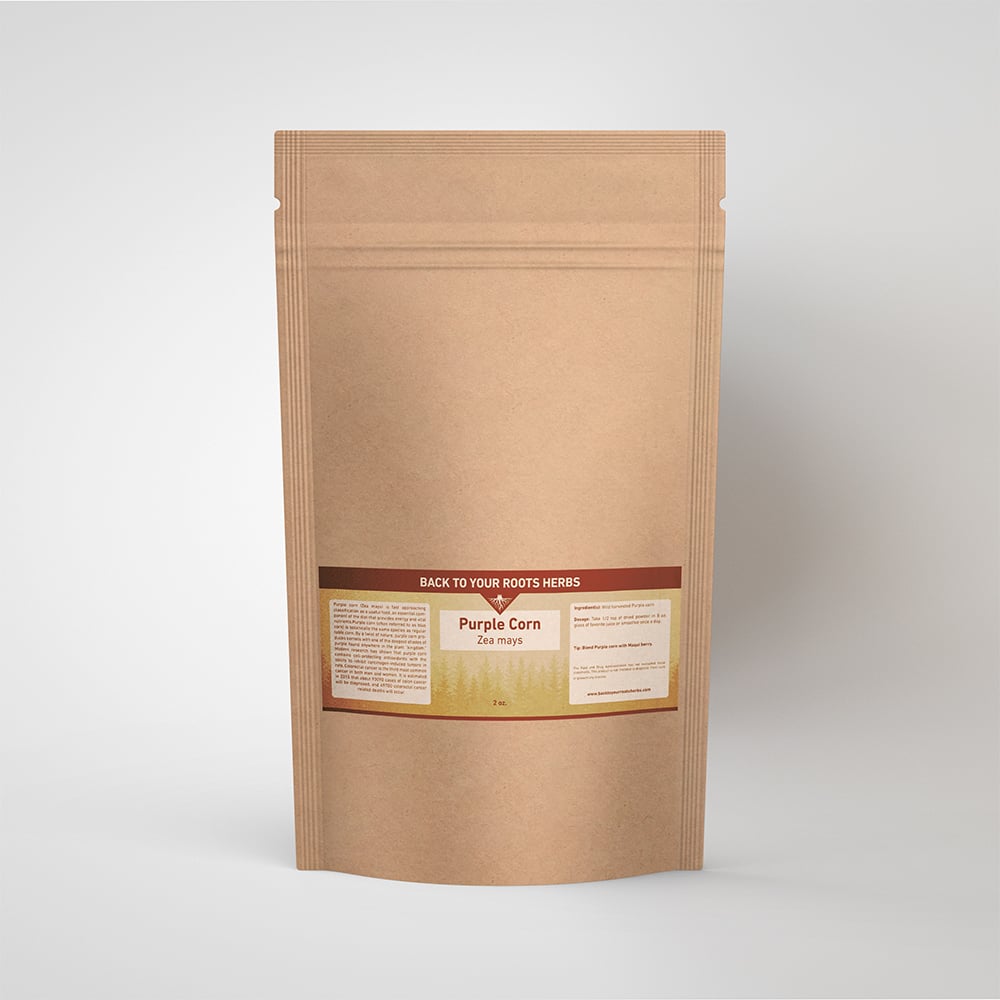
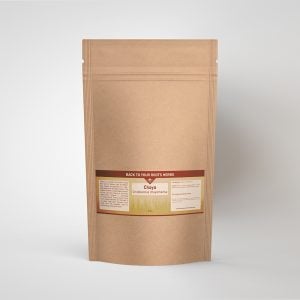
| Packaging | Resealable, light-blocking pouch |
| Suggested Daily Use | 1 to 2 teaspoons stirred into food or beverage |
Purple Corn Powder Versus Other Plant-Based Food Coloring Options
| Powder | Color Family | Primary Pigment | Common Use | Flavor Note |
|---|---|---|---|---|
| Organic Purple Corn Powder | Deep red purple | Cyanidin-3-glucoside (anthocyanin) | Smoothies, baked goods, pasta, tortillas, gluten-free flour mixes | Mild, earthy, faintly sweet corn note |
| Midnight Purple Corn Powder (industry term) | Near-black purple | Cyanidin-3-glucoside | Frosting, ice cream, yogurt | Mild, neutral |
| Purple Sweet Potato Powder | Soft purple | Anthocyanin (peonidin-rich) | Pancakes, muffins, lattes | Sweet, starchy |
| Aqua Blue Spirulina Powder | Bright blue | Phycocyanin | Smoothie bowls, ice cream sandwiches | Mild marine, sea-vegetable |
| Cosmos Red Cabbage Powder | Magenta to blue (pH-driven) | Anthocyanin | Frosting, drinks | Vegetal |
| Ebony Carrot Powder | Inky purple-black | Anthocyanin | Sauces, dough | Earthy, sweet root |
| Indigo Blueberry Powder | Blue-violet | Anthocyanin | Smoothies, granola, oatmeal | Sweet-tart blueberry |
Traditional Andean And Peruvian Uses
In the Peruvian Andes, purple corn has been a daily food for thousands of years. The kernels and cobs were boiled into a deeply colored drink called chicha morada, sweetened with pineapple peel, cinnamon, clove, and a squeeze of lime. The same boil produced mazamorra morada, a thickened pudding sometimes called a corn pudding, popular as a street food. These traditional preparations are part of why anthropologists describe purple corn as one of the oldest continuously eaten purple foods on the continent.
Chicha Morada And Mazamorra
A modern home kitchen does not need to boil whole cobs. Stirring two teaspoons of organic purple corn powder into a pitcher of water with pineapple, cinnamon, and lime is a fast, low-mess way to recreate the chicha morada flavor profile. For mazamorra, blend the powder with sweet potato flour or arrowroot, then thicken on the stove with chopped fresh fruit.
Maíz Morado History In Peru
Maize morado in Spanish, maíz morado with the accent, and harina morada when ground, this corn is used across South America. Pre-Incan civilizations cultivated it on terraced hillsides. Today, Peruvian growers continue that lineage, exporting purple corn flour, purple corn extract, and purple corn powder to natural-food customers around the world.
How To Use Organic Purple Corn Powder
Purple corn powder is endlessly mixable. Add 1 to 2 teaspoons to a smoothie or smoothie bowl for a deep red-purple base. Whisk the powder into pancake or waffle batter for naturally colored breakfasts. Stir into protein powders, oatmeal, yogurt, granola, or kefir.
Smoothies, Smoothie Bowls, And Beverages
A starter recipe is one frozen banana, half a cup of fresh blueberries, a splash of nut milk, and one teaspoon of organic purple corn powder. Blend on high until smooth. The result is a violet smoothie rich in plant fiber and naturally occurring anthocyanins.
Baked Goods, Tortillas, Pancakes, And Pasta
Substitute up to 25 percent of the wheat flour or gluten-free flour blend in a recipe with purple corn flour for a vibrant color and a soft corn note. The powder works in pancakes, pizza crust, gluten-free pasta, dinner rolls, sourdough, focaccia, baked goods, biscuits, breads, crackers, and cakes. It pairs especially well with vanilla, citrus zest, and lightly sweet doughs.
Gluten-Free Flour Mixes
In a gluten-free flour mix, blend 1 part organic purple corn powder with 3 parts rice flour, 2 parts tapioca starch, and 1 part almond flour. The corn powder behaves like a colorful, fiber-bearing extender. For a tortilla dough, work the powder into masa harina at a one-to-four ratio.
Natural Food Coloring For Frosting
A pinch of purple corn powder whisked into buttercream or coconut whip produces a soft lavender frosting. Increase the dose for deeper saturation. Because the pigment is pH-sensitive, a few drops of lemon juice will keep the color in the red-violet range and resist drift toward gray.
Storage, Shelf Life, And Quality Standards
Store the resealable pouch in a cool, dry, dark cupboard. Anthocyanin pigments fade in direct sunlight and in damp environments. Refrigeration is fine and may extend pigment shelf life. The product is shelf stable for up to 24 months from production when sealed and stored as directed.
Resealable Pouch And Storage Tips
Press the air out of the pouch before resealing. For long-term storage, transfer to a glass jar with a tight lid. Avoid moisture, since purple corn flour is hygroscopic and will clump if exposed to humid air.
Why Choose Back To Your Roots Herbs Purple Corn Powder
We offer a variety of superfood powder products sourced from the Amazon rainforest and the Andes mountain range, where the world’s finest herbs and other plants are grown in soils rich in beneficial nutrients and vitamins. Our purple corn powder is verified USDA Organic, non-GMO Project compatible, and lot-tested by an ISO-accredited laboratory for heavy metals, microbial load, and pesticide residue. We post each lot’s certificate of analysis on request.
Sourcing Standards And Lab Testing
We have high standards for every superfood we carry. Our Peruvian growers are paid above commodity rate, the cobs are sun-cured rather than chemically dried, and the milled flour is sealed within 48 hours of grinding to lock in the deep purple anthocyanin color.
Frequently Asked Questions About Purple Corn Powder
Is Purple Corn Powder Gluten-Free?
Yes. Pure purple corn powder is naturally gluten-free because corn does not contain gluten. Our facility runs gluten testing on each lot, and the product is processed without wheat-containing ingredients. People with celiac disease should still review the lot-specific certificate of analysis.
What Does Purple Corn Powder Taste Like?
Purple corn powder tastes mild, faintly sweet, and slightly earthy, with a soft corn note. It is far less sweet than sugar-based corn powders and is closer in flavor to a stone-ground corn flour. It blends cleanly into smoothies, baked goods, pasta, and tortillas without overpowering other ingredients.
How Is Purple Corn Powder Different From Purple Corn Extract?
Purple corn powder is the whole milled kernel, so it carries fiber, the carbohydrate matrix, and the broader phenolic profile of the corn. A purple corn extract is concentrated, sometimes standardized to a target anthocyanin percentage, and typically sold in capsules or as a liquid concentrate. Powders are a fit for kitchen use, while extracts are a fit for capsule supplements.
Can Purple Corn Powder Be Used In Capsules?
Yes. Many customers fill their own size 00 capsules with the powder for convenient daily use. A standard 00 capsule holds approximately 0.7 grams of fine purple corn flour. Always store filled capsules in a cool, dark, dry container.
References And Further Reading
Lao F, Sigurdson GT, Giusti MM. Health Benefits of Purple Corn (Zea mays L.) Phenolic Compounds. PMID: 33371534. PubMed, US National Library of Medicine.
This statement has not been evaluated by the Food and Drug Administration. This product is not intended to diagnose, treat, cure, or prevent any disease.
Reviews
There are no reviews yet.