Pine pollen, harvested from the male cones of various Pinus species, has emerged as a popular natural supplement recognized for its potential health benefits. This nutrient-dense substance is rich in vitamins, minerals, and bioactive compounds that may support overall wellness, particularly in the context of hormonal health.
Historical Significance and Traditional Use of Pinus
The use of Pinus-derived pollen spans over 3,000 years in Asian traditional medicine. Ancient practitioners valued this golden dust not just for its nutritional content, but for its perceived healing properties. In traditional Chinese medicine, it was revered as a longevity tonic and used to balance hormonal health, particularly in men.
Understanding Pine Pollen: Composition and Nutritional Profile
This natural powerhouse is more than just a traditional remedy; it’s a complex substance packed with a wide array of nutrients. Before discussing its effects on testosterone, it’s important to understand its overall composition.
Key Components
Pinus-derived pollen boasts a broad spectrum of nutrients, making it a potentially valuable dietary supplement. Here’s a breakdown:
| Nutrient | Amount per 100g | Health Benefits |
|---|---|---|
| Protein | ~30g | Essential for muscle repair, growth, and overall cellular function. |
| Vitamin C | ~100mg | A potent antioxidant that boosts immune function, promotes skin health and aids in collagen synthesis. |
| Zinc | ~3mg | Crucial for immune health, hormone synthesis (including testosterone production), wound healing, and cell growth. |
| Antioxidants | Varies | Helps protect cells from oxidative damage caused by free radicals, potentially slowing down aging processes at the cellular level and reducing the risk of chronic diseases. |
| Phytoandrogens | Varies | Plant-derived compounds that can mimic the effects of androgens (like testosterone) in the body. |
| DHEA | Varies | A precursor hormone that can be converted into both testosterone and estrogen, playing a vital role in hormonal balance. |
| Androstenedione | Varies | Another androgen found in Pinus-derived pollen, contributing to its potential hormonal effects. |
| Androsterone | Varies | A weaker androgen, but still contributes to the overall androgenic profile of pine pollen. |
| Brassinosteroids | Varies | Plant sterols that have demonstrated anabolic effects in animal studies. Further research is needed to determine their impact on humans. |
| Gibberellins | Varies | Plant hormones that can influence growth and development. Their exact role in human health when consumed via pollen is still under investigation. |
Bioavailability Considerations
It is important to note that the bioavailability of nutrients in Pinus-derived pollen can be influenced by several factors. One key factor is the cell wall. The pollen has a tough outer shell (sporopollenin) that can be difficult for the human digestive system to break down completely.
Some products are processed using methods to “crack” the cell wall, potentially increasing the absorption of nutrients. While research is ongoing, some studies suggest that cracked cell wall versions may offer superior bioavailability.
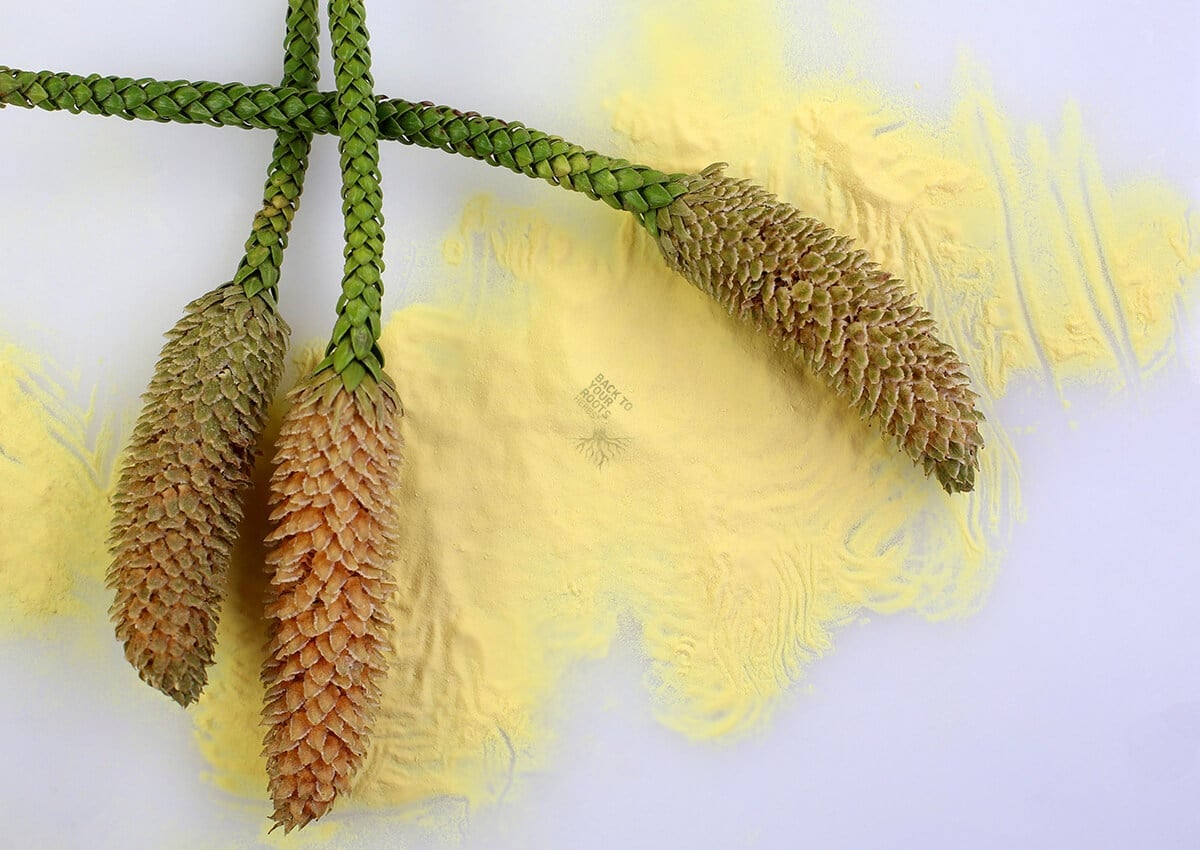
Scientific Research on Pinus massoniana and Hormonal Health: Effects on Testosterone
Recent scientific investigations have begun to shed light on the potential hormonal benefits of pine pollen, particularly its effects on testosterone levels. While more extensive human clinical trials are needed, existing research provides some intriguing insights.
Mechanisms of Action: How It Might Work
The potential for Pinus-derived pollen to influence testosterone levels likely stems from several interconnected mechanisms:
- Phytoandrogens: As mentioned, this natural substance contains phytoandrogens. These compounds, while not testosterone itself, can interact with androgen receptors in the body. This interaction can potentially mimic some of the effects of testosterone, such as promoting muscle growth, increasing energy levels, and supporting libido. The exact degree to which these phytoandrogens bind to and activate androgen receptors is still under investigation.
- DHEA (Dehydroepiandrosterone): The presence of DHEA is significant. DHEA is a prohormone, meaning it’s a precursor to other hormones. The body can convert DHEA into both testosterone and estrogen. Therefore, supplementing with DHEA may contribute to increased testosterone levels, although the conversion rate can vary significantly between individuals and is influenced by factors like age, sex, and overall health.
- Nutrient Support for Hormone Production: The vitamins, minerals (especially zinc), and amino acids found in Pinus-derived pollen provide essential building blocks for hormone synthesis. Zinc, in particular, is known to be vital for testosterone production.
- Brassinosteroids and Gibberellins The presence of brassinosteroids, a type of plant sterols, and gibberellins, also holds potential. While the research is primarily in animal models, brassinosteroids have shown anabolic effects and their role in human hormonal health warrants further study.
Specific Studies and Evidence
While anecdotal evidence abounds, let’s examine some of the scientific studies that have investigated pine pollen extract and its impact on hormones:
- Testosterone Content: Studies have shown that 10 grams of Scots pines pollen contains approximately 0.8 micrograms of testosterone.
- Animal Studies: Several studies conducted on animals (primarily rodents) have shown that pine pollen extract supplementation can lead to increases in testosterone levels and improvements in markers of reproductive health. However, it’s crucial to remember that results from animal studies don’t always directly translate to humans.
- A study involving rats, published in the American Journal of Biomedical and Life Sciences, showed that pine pollen promoted the proliferation of Leydig cells.
- In Vitro Studies: Some in vitro (cell culture) studies have demonstrated that pine pollen extract can stimulate the production of testosterone in Leydig cells (the cells in the testes responsible for testosterone production). Again, these findings need to be replicated in human trials.
- Limited Human Studies: There are a few small-scale human studies. The results are mixed, with some showing modest increases in testosterone and others showing no significant change. These studies often have limitations, such as small sample sizes, short durations, and lack of control groups.
Key Research Findings
- Identification of four major male sex hormones: Testosterone, DHEA (Dehydroepiandrosterone), Androstenedione, and Androsterone.
- The most beneficial pine species for pollen collection include:
- Masson’s pine (Pinus massoniana)
- Chinese red pine (Pinus tabulaeformis)
- Scots pine (Pinus sylvestris)
Free vs. Total Testosterone
It’s important to distinguish between free and total testosterone. Total testosterone represents the entire amount of testosterone in the bloodstream, including testosterone bound to proteins (primarily sex hormone-binding globulin or SHBG). Free testosterone is the unbound, biologically active form that can readily interact with androgen receptors. Increasing free testosterone is generally considered more impactful for experiencing the benefits associated with the hormone. Research specifically examining the effects of pine pollen on free versus total testosterone is limited and should be a focus of future studies.
Impact on Other Hormones: Estrogen and Hormonal Balance
While often associated with men’s health, the hormonal effects of Pinus-derived pollen are not limited to testosterone. The presence of DHEA means it can also influence estrogen levels. DHEA can be converted into estrogen, and the balance between testosterone and estrogen is crucial for both men and women.
For men, excessive estrogen can lead to undesirable effects. For women, particularly those going through menopause, a slight increase in estrogen may be beneficial, but this should be carefully managed under the guidance of your healthcare provider. The impact of Pinus-derived pollen on the testosterone-estrogen ratio is an area that requires further research.
Research-Backed Health Benefits Beyond Hormones
While the focus of this article is on hormonal health, particularly testosterone, Pinus massoniana-derived pollen has been studied for a range of other potential health benefits:
- Immune System Regulation: Studies suggest that Pinus-derived pollen may have immunomodulatory effects, meaning it can help regulate the immune system. This could involve both enhancing immune responses when needed and suppressing excessive inflammation.
- Anti-Aging Processes: The antioxidant properties of Pinus-derived pollen are believed to contribute to anti-aging effects at the cellular level. By neutralizing free radicals, it may help protect cells from damage and slow down age-related decline.
- Liver Protection: Some research indicates that Pinus-derived pollen may have hepatoprotective properties, meaning it can help protect the liver from damage. This may be particularly relevant in cases of exposure to toxins or certain medications.
- Blood Glucose Management: Preliminary studies suggest that Pinus-derived pollen may help improve blood sugar control. This could be beneficial for individuals with insulin resistance or type 2 diabetes. However, more research is needed in this area.
- Fatigue Reduction: Some studies, and anecdotal reports, suggest that Pinus-derived pollen may help combat fatigue and increase energy levels. This could be related to its hormonal effects, nutrient content, or other mechanisms.
- Prostate Health Maintenance: While not a treatment for prostate conditions, Pinus-derived pollen may support overall prostate health. This is an area where further research is particularly important, given the potential risks associated with elevated testosterone levels.
Safety Considerations, Side Effects and Allergies
While Pinus-derived pollen offers numerous potential benefits, it’s essential to be aware of potential risks and side effects, especially in relation to its hormonal effects.
Elevated Testosterone Risks:
- Enlarged Prostate: Elevated testosterone levels can contribute to benign prostatic hyperplasia (BPH), a non-cancerous enlargement of the prostate gland. Regular check-ups with your healthcare provider are crucial for men considering Pinus-derived pollen supplementation.
- Heart Muscle Stress: High testosterone levels can potentially put stress on the heart muscle, especially in individuals with pre-existing cardiovascular conditions. Careful monitoring is essential.
- High Blood Pressure: Testosterone can influence blood pressure, and increases may be a concern for some individuals. Regular blood pressure testing is recommended.
- Liver Strain: While some studies suggest liver-protective effects, excessive testosterone levels can, in some cases, strain the liver. Periodic liver function tests may be advisable.
- Sleep Disruption: Some individuals report difficulty sleeping or changes in sleep patterns when taking testosterone-boosting supplements.
- Skin Changes (Acne): Increased testosterone can stimulate sebum production, potentially leading to acne or oily skin.
- Behavioral Changes: While not always the case, some individuals may experience increased irritability, aggression, or mood swings with elevated testosterone levels.
Allergic Reactions:
- Pollen Allergies: Individuals with known allergies to pines pollen should absolutely avoid using Pinus-derived pollen supplements. Allergic reactions can range from mild (skin rashes, itching) to severe (difficulty breathing, anaphylaxis). If you have any known pollen allergies, it’s best to err on the side of caution.
Interactions with Medications:
- Hormone Therapies: Pinus-derived pollen could potentially interact with hormone replacement therapy (HRT) or other medications that affect hormone levels. Always inform your healthcare provider about any supplements you are taking.
- Blood Thinners: There is some limited evidence to suggest that Pinus-derived pollen may have mild blood-thinning effects. If you are taking anticoagulant or antiplatelet medications, consult your doctor before using Pinus-derived pollen.
How to Incorporate Pinus massoniana into Your Routine
For those interested in Pinus massoniana, it’s available in various forms:
- Powders: Organic Pinus-derived pollen powder can be added to smoothies, oatmeal, yogurt, or other foods.
- Capsules: Capsules offer a convenient and measured dose.
- Tinctures: A tincture is a liquid extract that can be taken directly under the tongue or added to beverages. Tincture may offer faster absorption.
Dosage and Timing
Typical dosages range from 1 to 3 teaspoons of powder per day, but it’s best to follow the manufacturer’s recommendations on the specific product you choose. Taking it in the morning may help boost energy levels throughout the day.
Combining with Other Supplements
Some people choose to combine Pinus-derived pollen with other supplements, such as omega-3 fatty acids or probiotics, for potentially enhanced overall health benefits. However, it’s always wise to discuss any supplement combinations with your healthcare provider.
Choosing and Storing Pinus Derived Pollen
The quality of Pinus-derived pollen products can vary significantly. Factors influencing quality include:
- Species of Pines: As mentioned, certain species are considered more beneficial.
- Harvesting Timing: The timing of the harvest can affect the nutrient and phytoandrogen content.
- Processing Methods: Methods used to collect, process, and potentially crack the cell wall can impact potency and bioavailability.
- Storage Conditions: Proper storage is essential to maintain freshness and prevent degradation.
Storage Tips:
- Store in a cool, dry place, away from direct sunlight.
- Use airtight containers to prevent moisture and oxidation.
- Follow expiration dates on the product packaging.
Target-Specific Applications
Pinus-derived pollen may offer tailored benefits for certain groups:
- Athletic Performance: Athletes might find the potential testosterone-supporting and energy-enhancing effects beneficial. However, athletes subject to drug testing should be aware that Pinus-derived pollen could potentially lead to a positive test for androgens.
- Aging Management: Older adults may find Pinus-derived pollen helpful for maintaining hormonal balance, supporting energy levels, and potentially mitigating some aspects of age-related decline.
- Hormonal Support: Individuals with diagnosed hormonal imbalances should only use Pinus-derived pollen under the strict supervision of your healthcare provider.
This article is intended for informational purposes only and does not constitute medical advice. Always consult with your healthcare provider or a qualified medical professional before starting any new supplement, especially if you have underlying health conditions, are taking medications, or are pregnant or breastfeeding. This article has not been medically reviewed by a doctor.