THE VERDICT
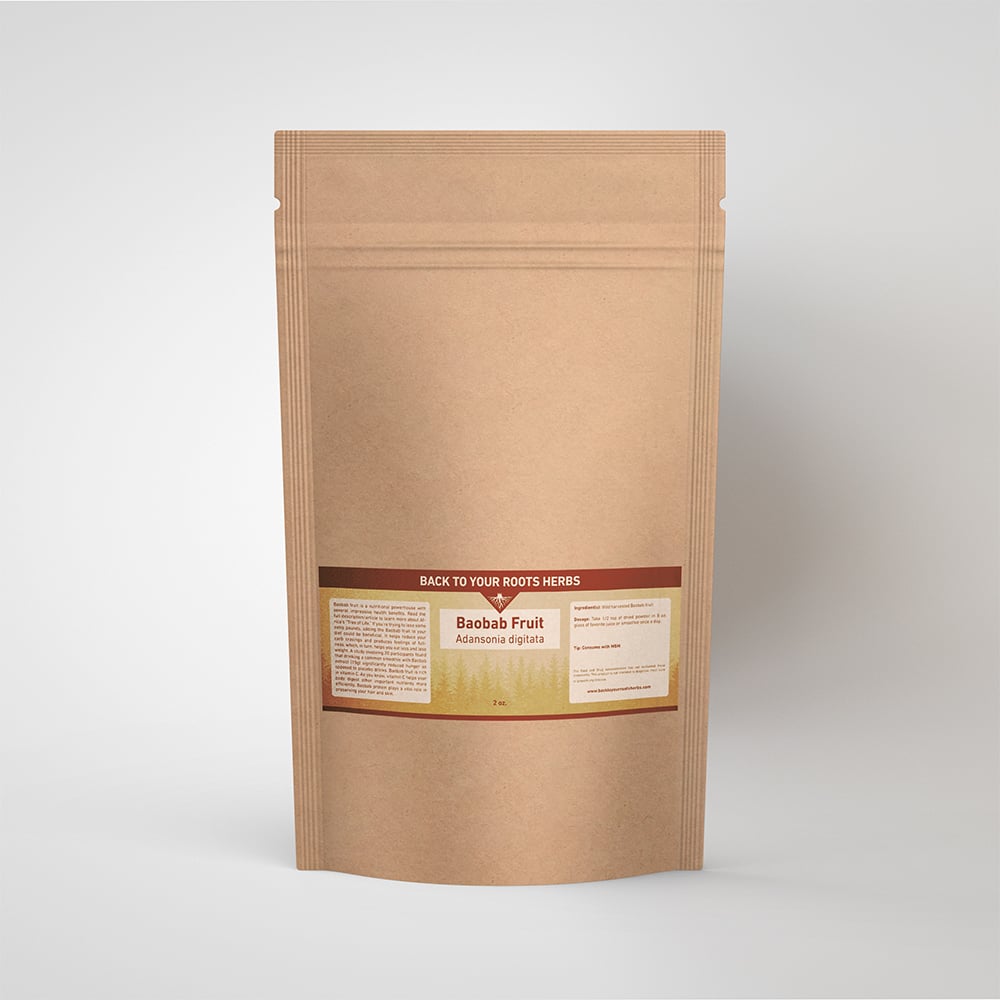
“The ‘Culinary’ Electrolyte. Our analysis confirms this is 100% Certified Organic Adansonia digitata fruit pulp. Distinct from tasteless capsules, this whole powder serves as a functional kitchen staple. Its high Pectin content acts as a natural thickener for smoothies and jams, while its massive Potassium profile (6x bananas) makes it a superior base for natural hydration drinks. Rated 9.9/10 for versatility and flavor.”– Back To Your Roots Herbs Research Group
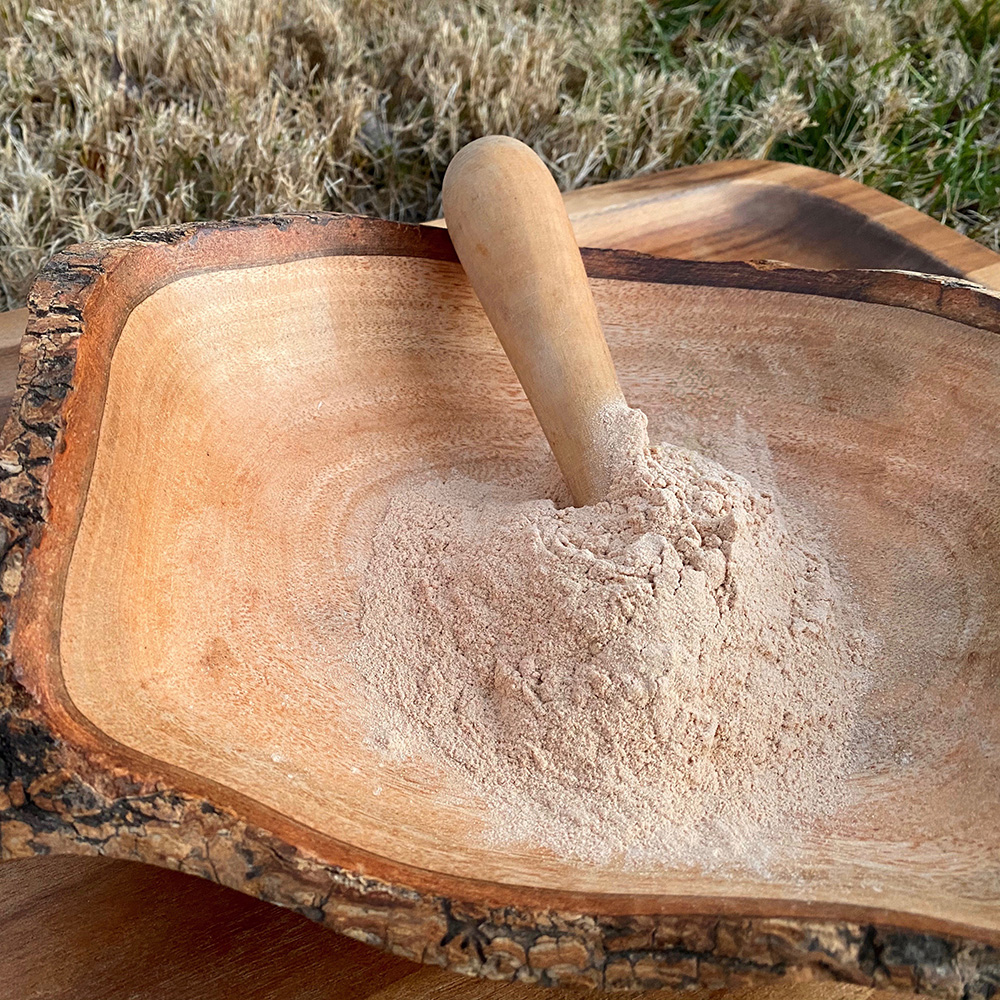
SENSORY ANALYSIS: The Physical Profile
We analyzed the raw powder to verify the culinary potential.
Authentic Baobab powder is a flavor experience.
- The Taste: It tastes distinctly like Sherbet, Citrus, and Pear. It is naturally tangy and slightly sweet (low glycemic).
- The Texture: Fine, creamy, and Hydrophilic (water-loving).
- The Thickening: Due to high Pectin content, it naturally thickens liquids. It creates a creamy texture in smoothies without dairy.
How does Baobab Powder support Baking & Cooking?
It acts as a “Functional Flour” and a Pectin source.
- Natural Thickener: Use it to thicken jams, jellies, and sauces without gelatin. The pectin binds with fruit sugars to create a gel.
- Baking: Replace 10% of flour in bread or muffin recipes with Baobab powder. It adds moisture, extends shelf life, and lowers the Glycemic Index of the baked good.
- Flavor Enhancer: Adds a “Zing” to cheesecakes, yogurts, and frostings.
CRITICAL USAGE: The “Natural Gatorade” Recipe
Ditch the blue dyes. Make your own electrolyte drink.
- The Recipe:
- 16 oz Cold Water or Coconut Water
- 1 Tablespoon Baobab Powder
- 1 Pinch Pink Salt
- 1 Teaspoon Honey (Optional)
- The Method: Shake vigorously in a bottle.
- Why: You get 6x the potassium of a banana plus Vitamin C, creating a potent rehydration tonic for workouts.
Does it support Gut Health?
Yes, it is nearly 50% Fiber.
- Prebiotic Action: The soluble fiber ferments in the colon, feeding Bifidobacteria.
- Regularity: The bulk helps move waste through the digestive tract efficiently.
What Are the Health Benefits of Baobab Powder?
One scoop delivers fiber, vitamin C, and plant polyphenols.
- Vitamin C: Baobab pulp is naturally rich in vitamin C, which contributes to normal immune function and helps the body absorb iron from plant foods.
- Antioxidant Polyphenols: The pulp carries a dense supply of polyphenols, the plant compounds studied for their antioxidant activity.
- Soluble Fiber: At nearly half fiber by weight, baobab supports digestive regularity and feeds beneficial gut bacteria.
- Potassium: An electrolyte that supports normal fluid balance, which is why baobab works so well in homemade hydration drinks.
How Has Baobab Traditionally Been Used?
Baobab is the fruit of the African “Tree of Life.”
- Food First: Across West and Southern Africa, the dried pulp has long been eaten as a tangy snack, stirred into porridge, and whisked into water as a refreshing drink.
- Hydration Tradition: The pulp dissolves into a cloudy, citrus-tart beverage that communities have used to flavor and enrich drinking water.
- Whole-Fruit Wisdom: Traditional use centers on the whole dried pulp, exactly the form in this product. No solvents and no extraction.
Scientific Evidence and Authoritative Sources
Baobab is one of the more researched African fruits. The references below describe the fruit and its compounds. Human trials on whole baobab powder remain limited, and these findings describe the botanical, not a treatment.
- Polyphenols and starch digestion: Coe and colleagues (2013) studied how baobab fruit polyphenols interact with starch digestion in healthy adults. PMID 24176228.
- Randomized controlled trial: A 2022 randomized controlled trial in Nutrients examined baobab fruit and post-meal glucose response in healthy adults. PMID 35057579.
- Antioxidant and phytochemical profile: A 2024 analysis characterized the antioxidant and phytochemical properties of baobab pulp and seed extracts. PMID 38665573.
Further reading: NIH Office of Dietary Supplements: Vitamin C, USDA FoodData Central, and NCCIH: Dietary and Herbal Supplements.
CLINICAL SPECS & DOSAGE
Certified Organic from South Africa.
| Specification | Detail |
|---|---|
| Serving Size | 1-2 Tablespoons (10-20g) |
| Frequency | Daily (In food/drink) |
| Active Ingredient | Adansonia digitata Whole Fruit Pulp |
| Key Nutrients | Pectin, Potassium, Vitamin C |
| Primary Action | Thickening & Hydration |
| Flavor Profile | Tangy Sherbet |
| Allergen Status | Hypoallergenic (No corn, soy, wheat, dairy) |
COMPARISON: Powder vs. Capsules
Kitchen vs. Medicine Cabinet.
| Feature | Baobab Powder | Baobab Capsules |
|---|---|---|
| Primary Use | Culinary / Baking / Smoothies | Convenience / Travel |
| Dosage Volume | High (10-20g) | Low (1-2g) |
| Taste | Delicious (Citrus) | Neutral (Tasteless) |
| Thickening | Yes (Pectin active) | No |
| Value | Best Value (Bulk) | Premium |
Frequently Asked Questions
Are there any side effects of baobab fruit powder?
Baobab powder is a food and is generally well tolerated. Because it is nearly half fiber, introducing too much too quickly may cause mild bloating or gas. Start with 1 teaspoon and increase gradually. If you are pregnant, nursing, or taking medication, consult your healthcare provider before use.
What is the difference between organic and non-organic baobab powder?
Certified organic baobab is wild-harvested and processed without synthetic pesticides or fertilizers, then verified through certification. Non-organic powder carries no such guarantee and may be processed with additives. This product is 100% certified organic Adansonia digitata fruit pulp from South Africa.
How do I use baobab powder?
Add 1 to 2 tablespoons to smoothies, water, yogurt, or baked goods. It dissolves easily and adds a tangy citrus flavor.
Last Reviewed: June 2026 by the Back To Your Roots Herbs Research Group.
DISCLAIMER
Legal Information: The Food and Drug Administration has not evaluated these statements. This product is not intended to diagnose, treat, cure, or prevent any disease. Consult a physician before starting any new supplementation regimen.
Written by the Back To Your Roots Herbs Research Group | Fact-checked.
Reviews
There are no reviews yet.