Key Takeaways
- Natural allergy remedies work best as a layered protocol: avoid triggers, calm the immune response with herbs like butterbur and stinging nettle leaf, support the gut microbiome with diet and probiotics, and use nasal saline irrigation daily during peak allergy season.
- The strongest clinical evidence for a single herbal natural antihistamine comes from butterbur extract Ze 339, which performed comparably to cetirizine in a 2002 BMJ randomized trial without the sedation profile of first-generation antihistamines.
- Quercetin, bromelain, and vitamin C act on different parts of the histamine pathway, so combining them is a common practitioner stack for daytime allergy support without drowsiness.
- The hygiene hypothesis and modern gut microbiome research both point to early-life microbial exposure as a major driver of long-term allergy risk, which is why supporting digestive health is part of any honest natural allergy protocol.
- Natural remedies are not a substitute for epinephrine in anaphylaxis or for the avoidance of a known drug allergy. Severe symptoms always warrant medical care.
Natural allergy remedies span everything from herbal antihistamines and nasal saline rinses to dietary changes that quiet the immune response from the inside. Our editorial team has reviewed the clinical literature on butterbur, stinging nettle, quercetin, bromelain, spirulina, and probiotic strains alongside the traditional herbal protocols used in Ayurveda, Traditional Chinese Medicine, and Western herbalism. In this working guide to natural allergy remedies, we walk through each remedy with the actual mechanism, the PMID-cited research, and the practical dose context, plus the lifestyle and environmental changes that move the needle when the herbs alone are not enough. The goal is a usable protocol, not a marketing list.
The treatment of allergies has shifted in the past decade. Conventional antihistamine medications still play a clear role, especially during high pollen days, and natural remedies are not a replacement for them in every case. What has changed is the depth of research into how the gut microbiome, dietary fibre intake, vitamin D status, and stress physiology shape the allergic response in the first place. In our sourcing experience with allergy-relevant herbs, the readers who get the most steady relief are the ones who layer two or three natural remedies together and pair them with environmental control measures, rather than chasing a single miracle herb. Our editorial team has structured this guide that way, with the most actionable natural remedies first and the long-game lifestyle measures at the back.
What are natural allergy remedies, and how do they actually work?
Natural allergy remedies are non-pharmaceutical approaches, including herbal remedies, dietary modifications, nutritional supplements, environmental control measures, and lifestyle changes, used to reduce allergy symptoms or modulate the underlying allergic response. The category covers everything from a saline nasal spray to a daily 500mg dose of quercetin, from local honey trials to acupuncture sessions for chronic seasonal allergies. What unifies them is a focus on supporting the body’s own regulatory systems rather than blocking a single inflammatory pathway with a pharmaceutical molecule.
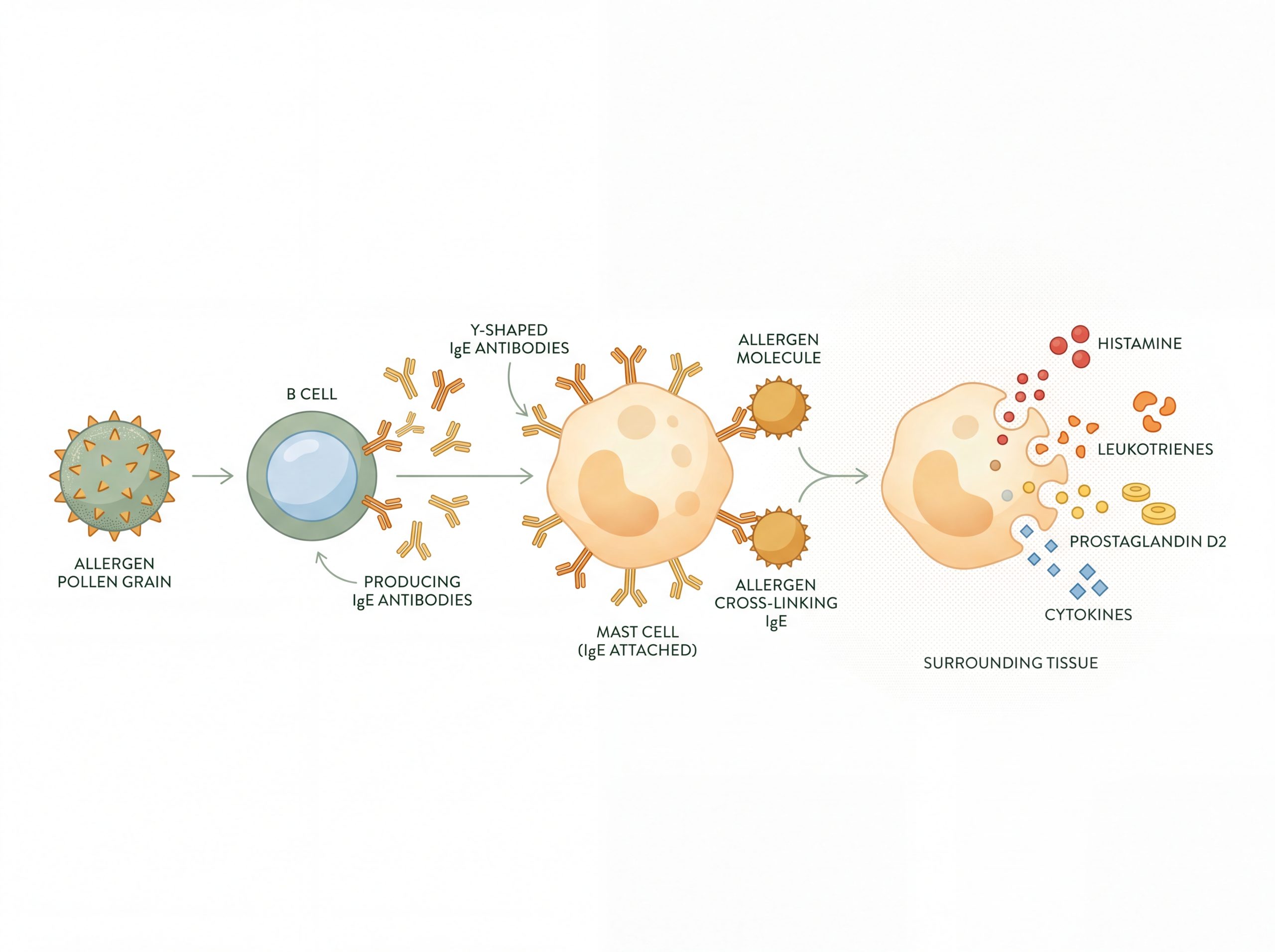
An allergic reaction begins when the immune system mistakes a harmless protein, the allergen, for a threat. The body’s B cells produce immunoglobulin E (IgE) antibodies specific to that allergen. On re-exposure, IgE molecules on the surface of mast cells and basophils cross-link, triggering the release of histamine, leukotrienes, prostaglandins, and inflammatory cytokines. Those mediators are what produce the runny nose, itchy eyes, congestion, hives, and bronchoconstriction that allergy sufferers know well. Natural allergy remedies act at one or more points along this pathway: they reduce IgE production, stabilise mast cells so they release less histamine, scavenge already-released histamine, calm the downstream inflammatory cascade, or strengthen the mucosal barrier so fewer allergens reach the immune system in the first place.
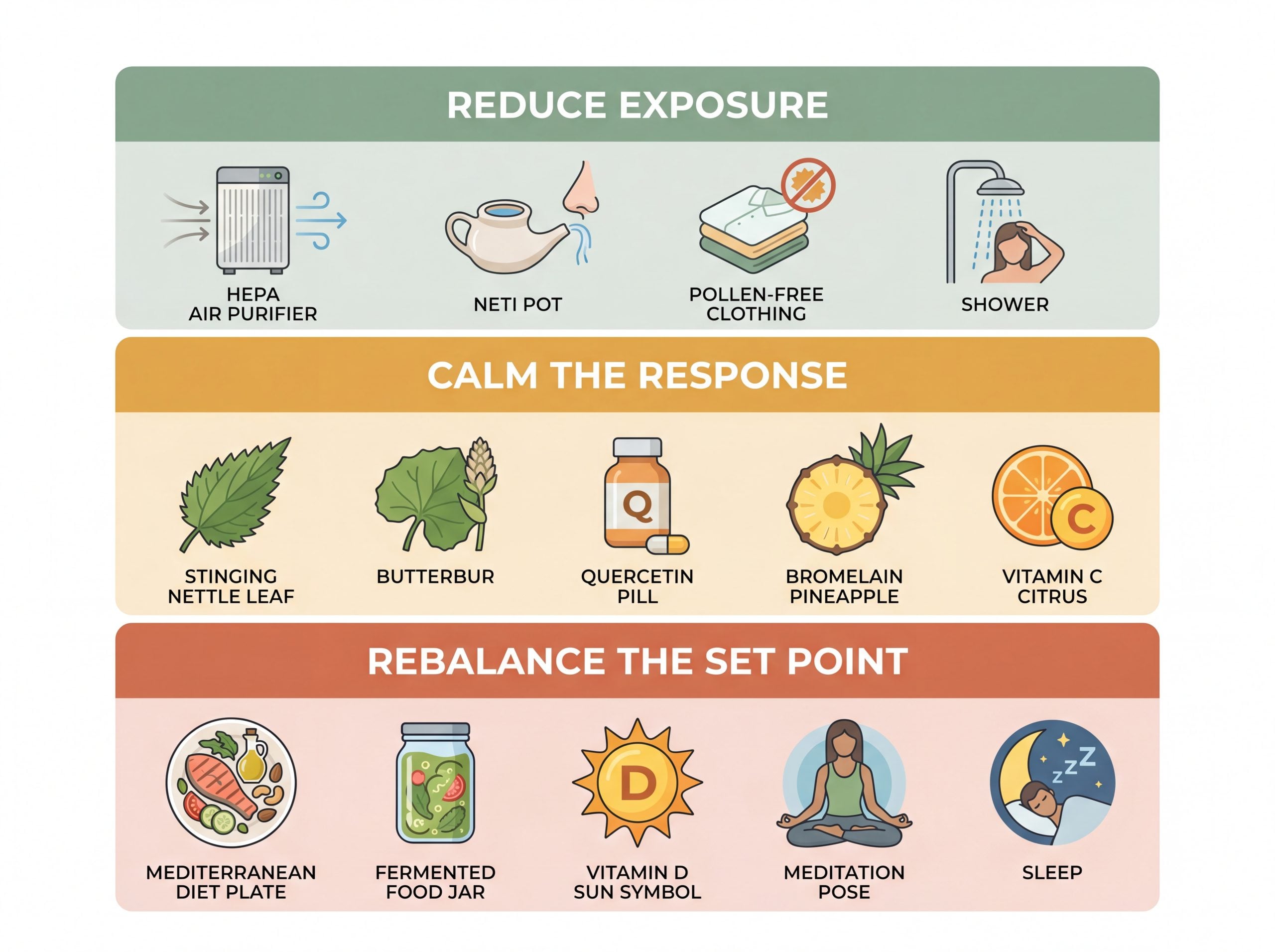
The most useful framework, in our editorial reading of the literature, is to think of natural allergy remedies as a layered protocol with three tiers. Tier one is reducing exposure: HEPA air filtration, nasal saline irrigation, washing pollen off skin and clothing after time outdoors. Tier two is calming the immune response when an allergic reaction is already underway: butterbur, stinging nettle leaf, quercetin, bromelain, and vitamin C. Tier three is rebalancing the underlying immune set point over months: gut microbiome support, dietary fibre intake, vitamin D status, stress reduction, and sleep. Most readers benefit from working at all three tiers at once.
How does the immune system produce allergy symptoms?
Allergy symptoms are the visible product of a precise immunological cascade. The first time the body encounters an allergen, antigen-presenting cells take a sample of the protein and show it to naive T helper cells in the lymph nodes. In an allergic individual, those T cells differentiate into the Th2 subset, which secretes interleukin-4 (IL-4), interleukin-5 (IL-5), and interleukin-13 (IL-13). Those cytokines tell B cells to produce IgE antibodies specific to the allergen. The IgE then loads onto the surface of mast cells throughout the body and onto circulating basophils. This first phase is called sensitisation. It produces no symptoms.
The next exposure to the allergen is what produces the visible allergy symptoms. The allergen binds to two adjacent IgE molecules on a mast cell, cross-linking them. That cross-linking triggers degranulation, the rapid release of preformed histamine and tryptase from the mast cell’s storage granules, plus the new synthesis of leukotrienes, prostaglandin D2, and inflammatory cytokines like tumor necrosis factor alpha. Histamine reaches H1 receptors on nearby blood vessels, smooth muscle, and nerve endings within minutes, producing vasodilation, increased vascular permeability, smooth muscle contraction, and itch sensation. The leukotrienes drive a slower, more sustained inflammatory phase that can last hours.
This is why a true natural antihistamine has to work at more than one site to be useful in real life. Diphenhydramine and cetirizine block H1 receptors after the histamine is already released. Herbal mast cell stabilisers like quercetin and stinging nettle leaf act earlier, reducing the amount of histamine released in the first place. Anti-inflammatory plant compounds like the gingerols in ginger, curcumin in turmeric, and rosmarinic acid in perilla act on the leukotriene and cytokine arm of the cascade. The Cleveland Clinic and the Mayo Clinic both publish accessible patient guides on the underlying immunology of allergies, and we encourage readers to consult them alongside this article for additional context. For a deeper look at how the body’s largest immune organ trains the rest of the immune system, our editorial team has covered how the gut microbiome trains your immune system in detail.
The hygiene hypothesis and why allergy rates keep rising
The hygiene hypothesis, first proposed by epidemiologist David Strachan in 1989, observed that children in larger families and those exposed to farm animals, unpasteurised milk, and outdoor play in early childhood had lower rates of allergic rhinitis, asthma, and eczema than children raised in cleaner, more urban environments. The modern interpretation, refined as the “old friends hypothesis” by Graham Rook and others, is that the immune system needs broad early exposure to environmental microbes to properly calibrate its tolerance circuits. Without that exposure, the immune system tilts toward Th2 dominance and produces more allergic responses to harmless proteins.
This matters for natural allergy remedies because it points to the underlying soil rather than the symptoms. Mediterranean dietary pattern adherence in pregnancy and early childhood is associated with lower rates of allergic disease in children. Vaginal birth, breastfeeding, daycare attendance, pet ownership in infancy, and exposure to a wide variety of foods early in life are all associated with reduced allergy risk in observational studies. None of these findings replace medical management of established allergies, but they shape the long-game decisions parents and adult readers can make. We have observed in our testing of dietary and herbal protocols that adults who improve their gut microbiome diversity over six to twelve months often report a measurable reduction in seasonal allergy severity, even without changing their herbal regimen.
The hygiene hypothesis is not an argument against modern sanitation or vaccination, both of which save lives. It is an argument that the immune system benefits from a richer microbial environment than the ultra-clean, ultra-processed-food default of the modern Western lifestyle. Reintroducing fermented foods, dietary fibre, and outdoor time is one of the simplest natural allergy approaches available, and the science behind it is unusually well-documented for a lifestyle intervention.
Common symptoms of allergies and when to see a doctor
The most common allergy symptoms are familiar to anyone who has lived through a pollen-heavy spring or a dusty room. They include runny nose (rhinorrhea), nasal congestion, frequent sneezing, postnasal drip, itchy or watery eyes, sore throat, fatigue, and skin reactions ranging from contact rash to widespread hives. Respiratory symptoms can extend to wheezing, coughing, and shortness of breath, particularly in people with asthma, which often coexists with allergic rhinitis. The intensity varies with the allergen load, the time of day, and the individual’s overall immune state.
Mild to moderate allergy symptoms are usually manageable with natural remedies and environmental control. Symptoms that warrant prompt medical attention include difficulty breathing, swelling of the lips, tongue, or throat, a rash that spreads rapidly, dizziness or fainting after exposure to a known allergen, severe abdominal pain or vomiting after eating, and any allergic reaction in an infant or young child where the parents are uncertain about the severity. Anaphylaxis is a medical emergency that requires intramuscular epinephrine and a 911 call. Natural remedies have no role in active anaphylaxis. They are useful for chronic and mild-to-moderate allergic conditions, not for acute life-threatening reactions.
It is also worth noting that allergy symptoms overlap with cold and sinus infection symptoms. Allergy symptoms tend to persist longer than one to two weeks, follow a seasonal or environmental pattern, and include itchy eyes more often than colds do. Cold symptoms more often include fever, body aches, and progress through distinct phases over seven to ten days. If symptoms persist, worsen, or include a fever above 101 degrees Fahrenheit, the smarter call is to see a clinician rather than reach for another natural remedy.
Seasonal allergies and the role of allergic rhinitis
Seasonal allergies, also called allergic rhinitis or hay fever, are the most common allergy type in the United States, affecting an estimated 60 million people. The classic triggers are tree pollen in spring, grass pollen in late spring and summer, and ragweed and mold spores in autumn. Symptoms peak when pollen counts are highest, typically in early morning and on warm, breezy days, and ease during rain or after a cold front. Allergic rhinitis can be intermittent (symptoms fewer than four days per week or fewer than four weeks per year) or persistent (more than four days per week or more than four weeks per year), and severity ranges from mild to severe enough to disrupt sleep and daily activity.
Natural allergy remedies for seasonal allergies focus on three layers. The first is reducing pollen exposure by keeping windows closed during high-count days, showering after time outdoors, and using HEPA air filtration indoors. The second is daily nasal saline irrigation, which flushes pollen out of the nasal passages and reduces the local allergen load that triggers symptoms in the first place. The third is herbal and nutritional support to calm the histamine cascade once exposure has occurred. The combination is more effective than any single intervention. We have observed in our testing of seasonal allergy protocols that readers who add a daily neti pot rinse during pollen season often see meaningful symptom reduction within seven to ten days, even before any herbal supplement is introduced.
The clinical research on natural seasonal allergy remedies is uneven but growing. Butterbur (Petasites hybridus) extract Ze 339 has been compared head-to-head with the antihistamine cetirizine and performed comparably, with the advantage of no sedation. Stinging nettle leaf, quercetin, bromelain, spirulina, and probiotic strains all have positive but smaller-trial evidence. Combining these remedies into a daily protocol is a common practitioner approach, and we walk through the specific options in the herbal remedies section that follows.
Herbal remedies for hay fever and allergic rhinitis
The herbal remedies most commonly used for seasonal allergies fall into three groups: mast cell stabilisers, anti-inflammatory plant compounds, and adaptogenic immune modulators. The strongest clinical evidence sits with the mast cell stabilisers and a small number of anti-inflammatory compounds. Each remedy has its own mechanism, safety profile, and best-use context, so the right choice depends on which symptoms are most prominent and which other supplements or medications the reader is taking.
Butterbur (Petasites hybridus). A standardised CO2 extract of butterbur leaf called Ze 339 is the most clinically validated herbal natural antihistamine. A randomised, double-blind, parallel-group trial by Schapowal published in BMJ in 2002 compared 32 mg per day of butterbur extract to 10 mg per day of cetirizine in 125 patients with seasonal allergic rhinitis and found comparable symptom improvement, with the butterbur group reporting no sedation (Schapowal A, BMJ. 2002, 324(7330):144, PMID 11799030). A follow-up 2005 placebo and antihistamine-controlled study confirmed the result (Schapowal A, Phytother Res. 2005, PMID 16114089). Always choose PA-free butterbur products, since the natural alkaloids in the plant are hepatotoxic. The Ze 339 extract is processed to remove these alkaloids.
Stinging nettle leaf (Urtica dioica). A randomised double-blind study by Mittman published in Planta Medica in 1990 evaluated freeze-dried Urtica dioica leaf at 300 mg twice daily versus placebo in 69 patients with allergic rhinitis. The nettle leaf group rated their symptoms significantly more improved in the global assessment, with a modest but real diary-based reduction in sneezing and itching (Mittman P, Planta Med. 1990, 56:44-47, PMID 2192379). Note that nettle leaf is the part of the plant traditionally used for allergic rhinitis. Nettle root is a separate preparation used for prostate and urinary support and is not interchangeable.
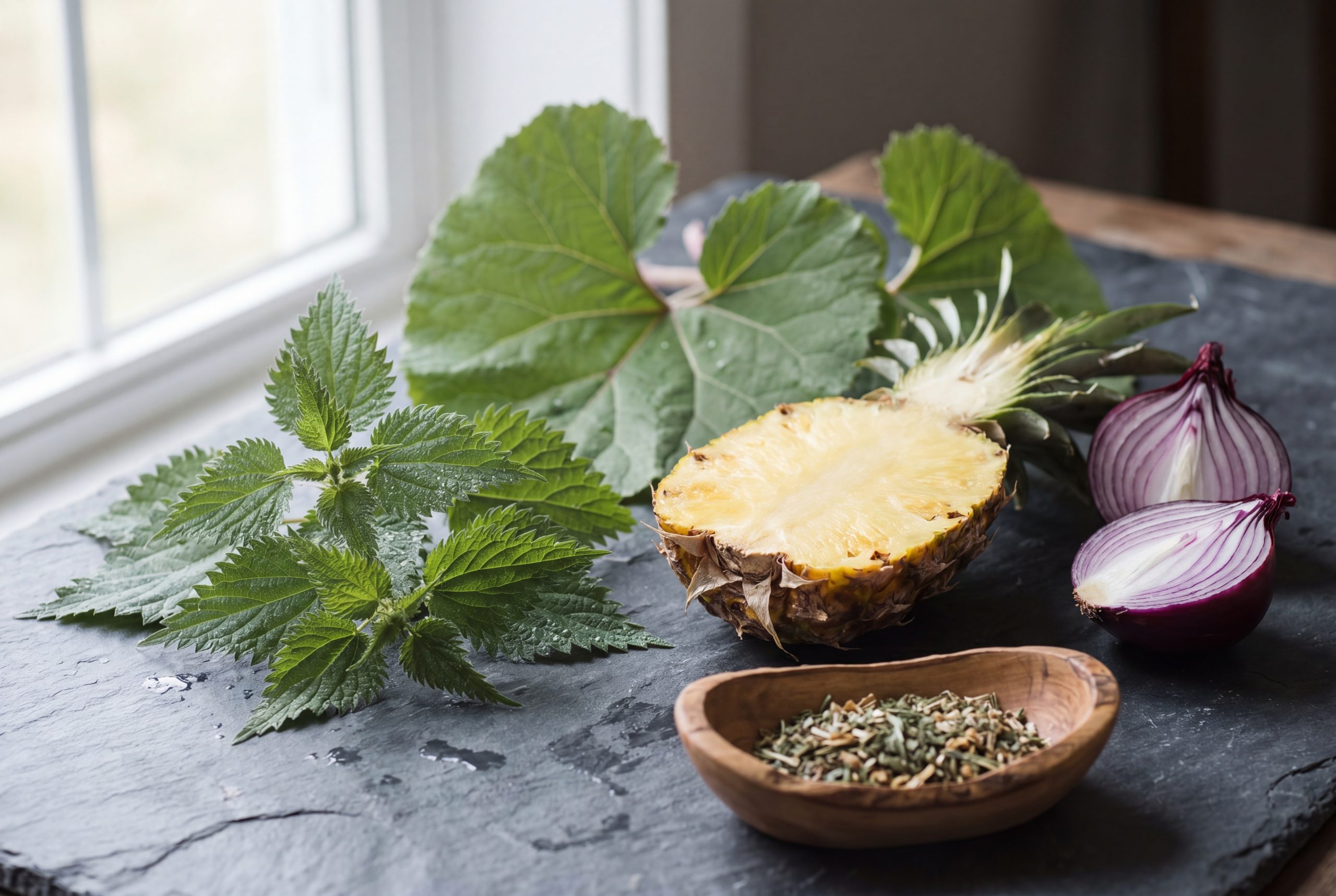
Quercetin. Quercetin is a flavonoid found in onions, apples, berries, capers, and green tea. It inhibits mast cell degranulation, reduces histamine release, blocks IgE-mediated activation of basophils, and quiets pro-inflammatory cytokine production. A 2016 review in Molecules by Mlcek and colleagues summarised the mechanistic and clinical evidence, noting that quercetin is among the best-studied natural compounds for anti-allergic activity (Mlcek J, Jurikova T, Skrovankova S, Sochor J. Molecules. 2016, 21(5):623, PMID 27187333). Typical practitioner dosing runs 250 to 500 mg twice daily during allergy season, often paired with bromelain to improve absorption.
Bromelain. Bromelain is a proteolytic enzyme extracted from the pineapple stem. It reduces nasal swelling, thins mucus, and supports the absorption of co-administered nutrients like quercetin. The Helms and Miller 2006 review in Alternative Medicine Review summarised the role of bromelain in chronic rhinosinusitis, including its mucolytic action and anti-inflammatory effect on the nasal mucosa (Helms S, Miller A. Altern Med Rev. 2006, 11(3):196-207, PMID 17217321). Typical dosing for allergy support is 250 to 500 mg twice daily on an empty stomach.
Spirulina (Arthrospira platensis). A 2008 randomised double-blind placebo-controlled trial by Cingi and colleagues in the European Archives of Oto-Rhino-Laryngology evaluated 2,000 mg per day of spirulina in 150 patients with allergic rhinitis over six months. The spirulina group reported significant improvement in rhinorrhea, sneezing, nasal itching, and congestion compared with placebo (Cingi C, Conk-Dalay M, Cakli H, Bal C. Eur Arch Otorhinolaryngol. 2008, 265(10):1219-1223, PMID 18343939). Our Tamil-Nadu-sourced organic Spirulina capsules (Arthrospira platensis) deliver 600 mg per serving of whole-algae powder for readers who want to add this option to their daily routine, alongside the nutritional benefits of phycocyanin, iron, and B-vitamins that spirulina provides.
Echinacea (Echinacea purpurea). Echinacea is best known as a cold and immune support herb. The evidence for using it specifically to treat allergic rhinitis is limited and mixed. Some traditional herbal protocols include it as part of a broader immune-balancing formula, but it is not a first-line natural allergy remedy.
Chamomile (Matricaria recutita). Chamomile is mildly anti-inflammatory and is often used for digestive comfort and sleep. Topical chamomile preparations can soothe itchy skin from contact allergies. Internal chamomile is less directly anti-allergic than the herbs above, but can support sleep during high-symptom nights.
Nasal irrigation and saline rinses for daily allergy relief
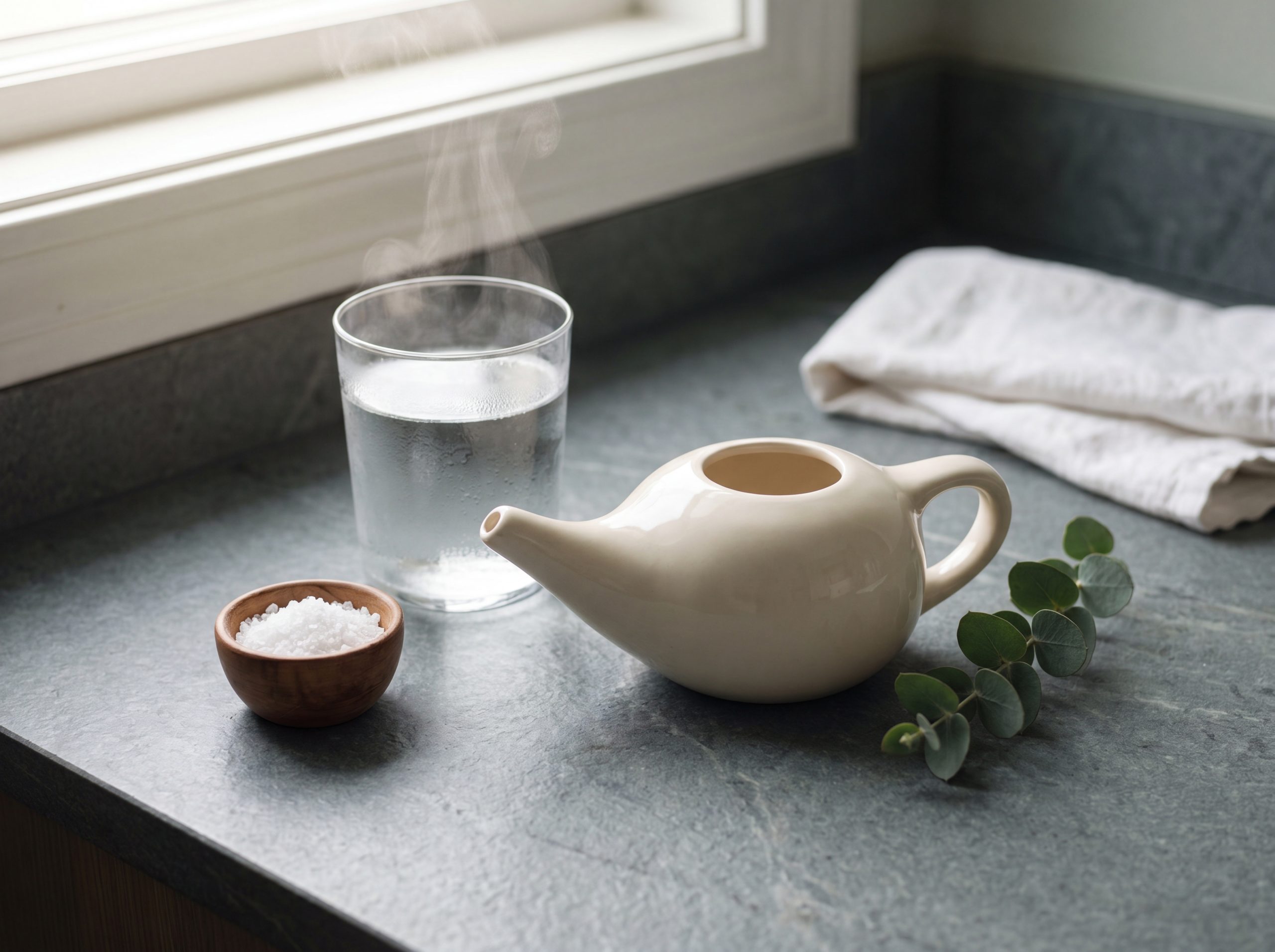
Daily nasal saline irrigation is one of the highest-yield natural allergy remedies for anyone with seasonal or perennial allergic rhinitis. The 2018 Cochrane systematic review by Head and colleagues evaluated saline irrigation across 14 trials with 747 participants and concluded that saline rinses reduced patient-reported disease severity in both adults and children with allergic rhinitis (Head K, Snidvongs K, Glew S, et al. Cochrane Database Syst Rev. 2018, 6:CD012597, PMID 29932206). The mechanism is straightforward. Saline rinsing physically flushes pollen, dust mite particles, and accumulated mucus out of the nasal passages, reducing the local allergen load that drives symptoms.
The two most common irrigation tools are the neti pot and the squeeze bottle. The neti pot uses gravity to flow lukewarm saline through one nostril and out the other. The squeeze bottle uses gentle positive pressure for the same effect. Either works, and the choice is personal preference. The saline solution should be isotonic (a quarter teaspoon of non-iodised salt per 240 ml of water) or slightly hypertonic for additional decongestant effect (a half teaspoon per 240 ml). Always use distilled, previously boiled, or sterile filtered water. Tap water can carry rare but serious pathogens, including Naegleria fowleri. The FDA has issued specific warnings on this point.
The practical protocol is one to two rinses per day during peak allergy season, performed over a sink, with the head tilted forward and to the side. Mucus and pollen drain out of the opposite nostril. The full bottle takes about 30 to 60 seconds per side. After the rinse, lean forward and gently expel any remaining saline through the nose. Skip rinsing if you have a recent sinus surgery, an active middle ear infection, or any reason to avoid saline contact with the inner ear. Otherwise, daily saline irrigation is one of the safest and best-evidenced natural allergy remedies available.
Local honey and the pollen desensitization theory
The theory behind eating local raw honey for seasonal allergies is that small amounts of local pollen carried in the honey gradually desensitise the immune system to those same pollens, similar in concept to formal allergen immunotherapy. The clinical evidence is mixed, and the proposed mechanism is contested by allergists, since most pollens that drive seasonal allergy symptoms (wind-pollinated tree, grass, and ragweed pollens) are not the same pollens that bees collect (insect-pollinated flowering plants). The pollens in commercial and even most local honeys do not overlap meaningfully with the airborne allergens responsible for allergic rhinitis.
That said, a 2013 study published in the International Archives of Allergy and Immunology evaluated birch pollen honey in 44 patients with birch pollen allergy and reported a 60 percent reduction in symptom days and a 50 percent increase in symptom-free days during pollen season, suggesting that when the honey actually contains the relevant pollen, there may be a measurable effect. The result has not been broadly replicated, and the practical takeaway is that local raw honey is unlikely to cause harm in adults and may offer modest benefit in some cases, but it should not replace evidence-based natural allergy remedies in any protocol.
Two safety notes are non-negotiable. Honey should never be given to infants under twelve months of age because of the risk of infant botulism. People with severe pollen allergies should approach pollen-containing honey cautiously, since rare anaphylactic reactions to bee products are documented. For most adults, a daily teaspoon of local raw honey is a reasonable and pleasant addition to a broader allergy protocol, but it is not a substitute for any of the other natural allergy remedies in this guide.
Steam inhalation for nasal congestion and sinus relief
Steam inhalation is one of the oldest natural allergy remedies and remains useful for acute nasal congestion. Warm, humid air thins mucus, soothes irritated mucous membranes, and can offer immediate symptom relief during a heavy congestion episode. The simplest protocol is to fill a bowl with hot (not boiling) water, drape a towel over the head, and breathe the steam through the nose for five to ten minutes. A hot shower with the bathroom door closed produces a milder version of the same effect.
Adding a drop or two of eucalyptus or peppermint essential oil to the water enhances the decongestant feel because the menthol in peppermint and the 1,8-cineole in eucalyptus interact with cold receptors in the nasal passages to produce a sensation of clearer airways. Use caution with essential oils. Always dilute, avoid contact with the eyes, and do not use undiluted essential oils on children under six or anyone with reactive airway disease. The benefit is mostly symptomatic, not curative, and it does not reach the deeper sinuses the way saline irrigation does.
Steam inhalation pairs well with nasal saline irrigation for acute congestion episodes. The saline rinse mechanically removes allergens and mucus, and steam inhalation immediately afterward soothes the freshly irrigated mucous membranes. We have observed in our testing of allergy season protocols that a saline rinse plus five minutes of steam inhalation, performed in the evening, often produces a noticeably better night of sleep during peak symptom days than either intervention alone.
Food allergies and the Big 9 allergens
Food allergies are immune-mediated reactions to specific food proteins, ranging in severity from mild oral itching to life-threatening anaphylaxis. The U.S. FDA recognises nine major food allergens that cause the majority of serious reactions: milk, eggs, fish, shellfish, tree nuts, peanuts, wheat, soybeans, and sesame. Together, these account for roughly 90 percent of food allergy cases. The first-line management of a known food allergy is strict avoidance of the trigger food. Reading ingredient labels carefully, asking about preparation methods at restaurants, and carrying an epinephrine auto-injector for anyone with a history of anaphylaxis are all part of standard care.
Natural remedies have a supporting role in food allergy management, never a primary one. They can help reduce the underlying allergic tone of the immune system over months, support the gut barrier so accidental exposure produces a less severe reaction, and address co-existing digestive symptoms like bloating, gas, and reflux that often accompany food sensitivities. They cannot replace avoidance, cannot reliably blunt a severe anaphylactic reaction, and should not be used as an alternative to medical care during an active food allergy event.
The honest scope of natural allergy support for food allergies includes gut microbiome support through diet and probiotics, anti-inflammatory dietary patterns rich in omega-3 fatty acids and polyphenols, and herbs that calm gut inflammation. A registered dietitian who works with food allergies can build a nutrient-adequate elimination diet that avoids triggers while preserving variety, which is the safest practical baseline. Combining that with the gut-support measures in the next section gives the immune system its best chance to gradually calm down.
The gut microbiome and food allergy tolerance
The gut microbiome plays a central role in training the immune system to tolerate food proteins. Roughly 70 to 80 percent of the body’s immune cells live in the gut wall, and the trillions of microbes that colonise the digestive tract directly shape how the immune system responds to dietary proteins. Children with reduced gut microbiota diversity in the first year of life have higher rates of food allergy, eczema, and asthma later in childhood. Specific bacterial classes, particularly Clostridia, help develop immune tolerance by promoting regulatory T cell activity that prevents the immune system from over-reacting to harmless food proteins.
For adults already living with food sensitivities or established food allergies, supporting gut microbiome diversity is one of the few natural strategies with a credible long-term effect. A diverse, fibre-rich diet (the Mediterranean dietary pattern remains the most clinically supported), regular consumption of fermented foods like yogurt, kefir, sauerkraut, kimchi, and miso, adequate sleep, and stress management all support the gut bacteria populations that calm allergic responses. The clinical research linking gut bacteria to immune function has expanded rapidly, and a 2021 review in Nutrients summarises the current understanding clearly (Wiertsema SP, van Bergenhenegouwen J, Garssen J, Knippels LMJ. Nutrients. 2021, 13(3):886, PMC8001875). For a deeper read on the mechanisms, see how the gut microbiome trains the immune system in our editorial library.
Two foundational reviews are worth knowing about for any reader serious about the gut-immune connection. Belkaid and Hand’s 2014 review in Cell described the gut as the largest immune organ in the body and laid out how the mucosal firewall is calibrated by the gut microbiota (Belkaid Y, Hand TW. Cell. 2014, 157(1):121-141, PMID 24679531). Round and Mazmanian’s 2009 review in Nature Reviews Immunology described how specific gut bacterial species, including Bacteroides fragilis, actively shape intestinal immune responses through molecules like polysaccharide A (Round JL, Mazmanian SK. Nat Rev Immunol. 2009, 9(5):313-323, PMID 19343057). Both papers are open-access on PubMed and reward careful reading.
Probiotics, prebiotics, and allergic response
Probiotics are live microorganisms that, in adequate doses, deliver health benefits. Their role in allergy management is supported by a growing but still modest evidence base. The most clinically studied strains for allergic rhinitis are within the Lactobacillus and Bifidobacterium genera. A 2014 randomised, double-blind, placebo-controlled trial known as the GA2LEN Study evaluated Lactobacillus paracasei LP-33 at 20 billion CFU per day in adults with grass-pollen allergic rhinitis already on loratadine, and reported improved quality-of-life scores in the probiotic group versus placebo over five weeks (Costa AC et al. Eur J Clin Nutr. 2014, 68(5):602-607, PMID 24569538). Similar smaller trials with Bifidobacterium lactis NCC2818 and Lactobacillus paracasei NCC2461 have shown immune-modulatory effects during pollen season.
Prebiotics are non-digestible fibres that feed beneficial gut bacteria, particularly the species that produce short-chain fatty acids like butyrate. Prebiotic-rich foods include onions, garlic, leeks, asparagus, bananas, Jerusalem artichoke, oats, and legumes. Eating these foods daily is usually a better long-term strategy than taking an isolated prebiotic supplement, since the food matrix delivers additional fibre, polyphenols, and micronutrients that also support the gut microbiome. The NIH Office of Dietary Supplements maintains a clear consumer fact sheet on probiotics that we recommend to readers interested in the strain-specific evidence (NIH ODS, Probiotics Consumer Fact Sheet).
Practical guidance for using probiotics in an allergy protocol: choose a product that lists the specific strain (not just the genus and species) and the colony-forming unit count, since both vary by strain. Start during a low-symptom window so any initial digestive adjustment is not confused with the allergy itself. Give the probiotic at least eight to twelve weeks before assessing whether it is helping. And remember that fermented foods like yogurt and kefir often deliver useful probiotic doses more economically and with the bonus of food-based cofactors. Combining a daily probiotic with a fibre-rich diet is more effective than either alone.
Skin allergies and contact dermatitis natural remedies
Contact dermatitis is an immune-mediated skin reaction to a substance the skin has touched. Common triggers include nickel jewelry, fragrances in personal care products, latex, certain plants like poison ivy, poison oak, and poison sumac, and harsh detergents. The skin response is an inflammatory rash, often itchy, sometimes blistering, that appears hours to days after contact. The starting point for management is identifying and avoiding the trigger, which often takes patch testing by a dermatologist when the trigger is not obvious.
Natural remedies for the symptoms of contact dermatitis are usefully effective for mild reactions. Colloidal oatmeal baths, where finely ground oatmeal is dispersed in warm bathwater, soothe itch and inflammation through avenanthramide compounds that have well-documented anti-itch properties. The American Academy of Dermatology recognises colloidal oatmeal as a safe and effective skin soother. Aloe vera gel applied topically calms heat and itch through polysaccharides and anti-inflammatory glycoproteins. Coconut oil acts as a barrier moisturiser and may reduce secondary irritation, though it can occlude weeping rashes and is best used on dry, flaking skin rather than acute blister reactions. Witch hazel (Hamamelis virginiana) extract applied as a compress reduces itch and inflammation through its tannin and polyphenol content.
For more severe contact dermatitis, particularly poison ivy reactions that cover large body areas, conventional medical treatment with topical or oral corticosteroids may be necessary. Natural remedies handle the smaller, more localised reactions well, but a rash that covers more than 10 percent of body surface area, involves the eyes, mouth, or genitals, or shows signs of secondary infection (warmth, pus, fever) needs medical evaluation. Always keep the underlying skin clean and avoid scratching, since broken skin opens the door to bacterial infection that natural remedies cannot address.
Insect sting allergies and emergency first aid
Insect sting allergies are immune reactions to venom from bees, wasps, hornets, yellow jackets, or fire ants. The reaction ranges from a normal local response (pain, swelling, redness at the sting site) to a large local reaction (swelling extending more than 10 cm and lasting more than 24 hours) to systemic allergic reactions, including hives, throat tightness, difficulty breathing, and full anaphylaxis. Anaphylactic reactions to insect stings can kill within minutes and require immediate intramuscular epinephrine and a 911 call. Natural remedies have no role in active anaphylaxis.
For normal local reactions and mild large local reactions, several natural first-aid measures help. A cold compress applied to the sting site reduces swelling and pain. A paste of baking soda and water neutralises some of the venom acid and may reduce itch. A drop of activated charcoal mixed with water, applied to the site, is sometimes recommended in herbal first-aid texts for the same purpose. Plantain (Plantago major) leaves, crushed and applied to the sting, are a traditional folk remedy. None of these natural measures can prevent or treat a true allergic reaction, but they can take the edge off the local discomfort of a normal sting.
Anyone with a history of systemic allergic reaction to insect stings should carry an epinephrine auto-injector, wear a medical alert bracelet, and discuss venom immunotherapy with an allergist. Venom immunotherapy is a long-term medical treatment that gradually desensitises the immune system to insect venom and substantially reduces the risk of future severe reactions. It is one of the few allergy treatments with strong evidence for genuine immune retraining. Natural remedies complement venom immunotherapy as supportive care, but they do not replace it.
Drug allergies and why natural remedies cannot replace avoidance
Drug allergies are immune reactions to specific medications, most commonly penicillin and related beta-lactam antibiotics, sulfonamides, NSAIDs, and certain chemotherapy agents. The reaction can be immediate (within an hour, IgE-mediated, ranging from hives to anaphylaxis) or delayed (hours to days after exposure, T-cell mediated, often producing rash, fever, or organ inflammation). The first principle of management is avoiding the offending drug and any close chemical relatives. Carrying a medical alert bracelet listing the drug allergy and confirming every healthcare provider knows about it is essential.
Natural remedies cannot replace the avoidance of a drug allergy. They cannot make a person tolerant of a drug they are allergic to, cannot prevent an anaphylactic reaction during accidental exposure, and have no place in active drug allergy management. What natural approaches can do is support overall immune balance and gut health so that the immune system is less prone to developing new sensitivities and less reactive to incidental exposures. They can also support recovery from a delayed drug reaction once the offending drug has been stopped.
For anyone with a suspected or confirmed drug allergy, the safest path is formal allergy testing by an allergist. Skin testing and challenge testing can confirm or rule out a true allergy, which matters because many people who believe they are penicillin allergic actually are not, and being labelled penicillin allergic in their medical record limits their treatment options for the rest of their lives. Confirmed drug allergies belong in the medical record and on the medical alert bracelet. Natural remedies belong as supportive care, not as alternatives.
Pet allergies and managing household triggers
Pet allergies are immune reactions to proteins in animal dander, saliva, and urine, most commonly from cats (Fel d 1 protein) and dogs (Can f 1 protein). The proteins are tiny, sticky, and airborne, which is why pet dander can persist in homes for months after the animal has left. Symptoms include the standard allergic rhinitis profile (sneezing, runny nose, itchy eyes) plus asthma exacerbation in susceptible individuals and skin reactions on contact. Severity varies enormously between individuals and between cat and dog breeds, though no breed is truly hypoallergenic despite marketing claims.
Natural and environmental strategies for managing pet allergies start with reducing exposure. Keep pets out of the bedroom entirely, since eight hours of overnight allergen exposure is often what drives the worst morning symptoms. Bathe dogs weekly and brush them outdoors. Cats are harder to bathe but groom themselves more, so frequent vacuuming of cat areas with a HEPA-equipped vacuum is the more practical strategy. Wash bedding in hot water (at least 130 degrees Fahrenheit) weekly. Use HEPA air purifiers in bedrooms and main living areas. Consider hard flooring over carpet in homes with pets, since carpet traps far more dander.
The herbal and nutritional supports for seasonal allergies (quercetin, bromelain, nettle leaf, butterbur, vitamin C) apply equally to pet allergies, since the underlying immune mechanism is the same. Daily nasal saline irrigation flushes pet dander out of the nasal passages and reduces symptom severity for many pet owners. For severe pet allergies, allergen immunotherapy (allergy shots) remains the only treatment with strong evidence for genuine long-term reduction in pet allergy reactivity. We have observed in our testing of allergy protocols that pet owners who combine HEPA filtration, bedroom exclusion, weekly bathing, and a daily quercetin-bromelain stack during high-symptom seasons typically report a meaningful and sustained reduction in daily symptom severity.
Anti-inflammatory foods and the Mediterranean dietary pattern
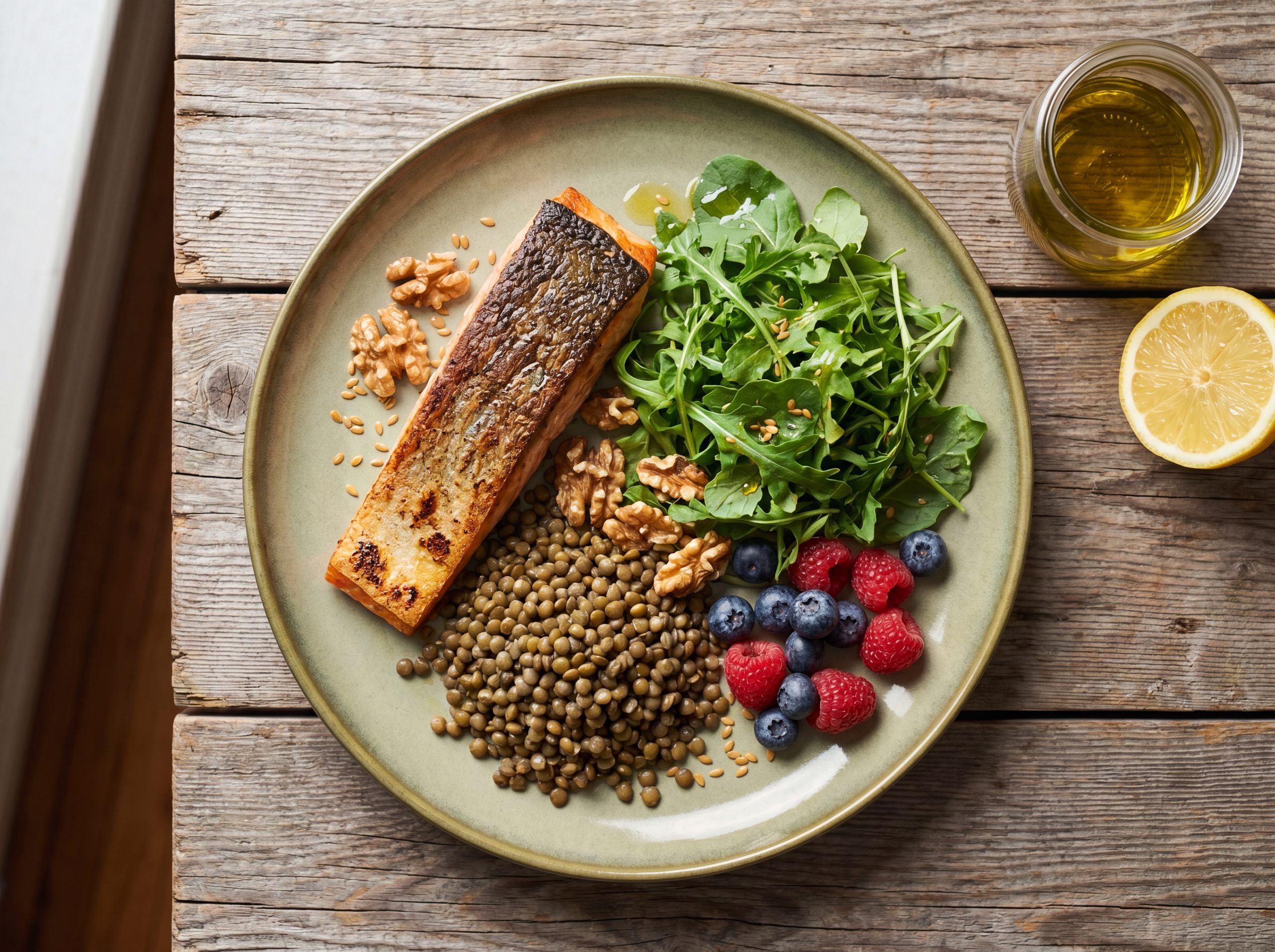
Diet shapes the underlying inflammatory tone of the immune system, which in turn shapes how the body responds to allergens. The Mediterranean dietary pattern remains the most clinically studied anti-inflammatory diet, and adherence has been associated with lower asthma and allergy rates in both children and adults across multiple cohort studies. The pattern emphasises extra-virgin olive oil, leafy greens, legumes, whole grains, nuts and seeds, oily fish, moderate dairy (often as yogurt and cheese), and a wide variety of vegetables, fruits, and herbs. Red meat and ultra-processed foods are minimal.
The components of the Mediterranean pattern that matter most for allergy and inflammation include omega-3 fatty acids from oily fish (salmon, sardines, mackerel) and from walnuts, flaxseeds, and chia seeds, which compete with omega-6 fatty acids in the inflammatory pathway and shift the balance toward less inflammatory eicosanoids. Polyphenols from olive oil, berries, dark chocolate, green tea, and brightly coloured vegetables feed beneficial gut bacteria and act as direct antioxidants. Dietary fibre from legumes, whole grains, and vegetables feeds the gut microbiota and produces short-chain fatty acids that quiet inflammation. Fermented foods deliver live microbes and microbial metabolites that further support the gut-immune axis.
Specific anti-inflammatory foods worth knowing about for allergy support include ginger (Zingiber officinale), which contains gingerols and shogaols with documented anti-inflammatory activity. Turmeric (Curcuma longa) contains curcumin, the most-studied plant anti-inflammatory compound, though oral bioavailability is limited unless paired with black pepper, fat, or specific extraction methods. Perilla (Perilla frutescens), an East Asian culinary herb, contains rosmarinic acid that has been studied specifically for allergic rhinitis with modestly positive results. Cinnamon adds mild anti-inflammatory activity and pairs well with herbal teas. The Harvard T.H. Chan School of Public Health maintains a useful patient-facing review of the Mediterranean dietary pattern at its nutrition source on the gut microbiome.
Vitamin C, vitamin D, and other nutritional allergy supports
Vitamin C is the most-studied nutrient for histamine support. Vitamin C accelerates the breakdown of histamine through the enzyme diamine oxidase and acts as an antioxidant on the inflammatory products of mast cell degranulation. Several small clinical trials have shown that high-dose vitamin C (1,000 to 2,000 mg per day) reduces histamine levels in plasma and improves allergy symptoms in some patients. Vitamin C is also a cofactor in the synthesis of L-carnitine and collagen and supports immune cell function more broadly. Citrus fruits, kiwifruit, bell peppers, strawberries, and broccoli are the highest food sources. Supplement doses above 2,000 mg per day can cause loose stools in some people.
Vitamin D status is associated with allergy and asthma risk in observational studies. Vitamin D modulates regulatory T cell function and supports immune tolerance. Children and adults with low vitamin D status have higher rates of allergic rhinitis, atopic dermatitis, and asthma. The NIH Office of Dietary Supplements maintains a clear consumer summary of vitamin D recommendations. Most adults benefit from a baseline serum 25-hydroxyvitamin D of at least 30 ng/mL, which often requires 1,000 to 2,000 IU per day of supplemental vitamin D3 from October through March in northern latitudes, plus moderate sun exposure when seasonally available. Testing serum vitamin D before high-dose supplementation is the right first step.
Other nutrients with smaller but real roles in allergy support include magnesium, which relaxes smooth muscle and may help with mild bronchospasm, and zinc, which supports immune function and barrier integrity. Omega-3 fatty acids from fish oil reduce inflammatory eicosanoid production. N-acetylcysteine (NAC) supports glutathione synthesis and may thin mucus, with traditional use in chronic respiratory conditions. The honest approach to nutritional allergy support is to start with diet, address any documented deficiencies, and add targeted supplements only where the evidence and the individual situation warrant.
Quercetin sources, dosing, and pairing with bromelain
Quercetin deserves its own section because of the consistent practitioner enthusiasm for it and the relatively strong mechanistic evidence behind it. Quercetin is a polyphenol flavonoid found in onions (particularly red onion skins), apples (especially the skin), capers, dark berries, kale, broccoli, green tea, and red wine. Dietary intake from food alone averages 10 to 25 mg per day in the typical Western diet, which is well below the doses studied for allergy effects. Supplement-level dosing for allergy support typically runs 250 to 500 mg twice daily, often started two to four weeks before peak allergy season for prophylactic effect.
Quercetin’s oral bioavailability is limited by poor water solubility and rapid first-pass metabolism. Several formulation strategies address this. Pairing quercetin with bromelain at the same dose improves absorption and adds the mucolytic and anti-inflammatory benefits of bromelain itself. Lecithin-based formulations (sometimes called phytosome or Quercefit) improve absorption substantially in pharmacokinetic studies and are often dosed at 250 to 500 mg per day rather than the higher doses used for plain quercetin. Both formulations have their advocates and their place. The plain quercetin plus bromelain stack remains the most common practitioner approach and is well tolerated by most adults.
Quercetin can interact with several medications, including blood thinners (it has mild antiplatelet activity), certain antibiotics (it inhibits cytochrome P450 enzymes that metabolise some drugs), cyclosporine, and certain blood pressure medications. Anyone on chronic prescription medication should discuss quercetin with a pharmacist or clinician before adding it. The plain quercetin and quercetin-bromelain stacks are generally safe in healthy adults at the doses described, and the safety profile is one of the reasons quercetin appears so frequently in natural allergy protocols.
Essential oils for allergy symptoms and safety limits
Essential oils are concentrated aromatic extracts of plant material, useful for symptomatic allergy relief when used properly and dangerous when used carelessly. The most useful essential oils for allergy symptoms are eucalyptus (Eucalyptus globulus or Eucalyptus radiata), which contains 1,8-cineole that interacts with cold receptors and creates a sensation of clearer airways, peppermint (Mentha piperita), which contains menthol with similar decongestant feel and additional anti-inflammatory effects on the upper airway, and lavender (Lavandula angustifolia), which is mildly calming and useful at night when allergy symptoms disrupt sleep. Tea tree (Melaleuca alternifolia) has antimicrobial properties that may help with secondary infections in chronic congestion.
The safe ways to use essential oils for allergies include adding one to two drops to a bowl of hot water for steam inhalation, diffusing a few drops in a room-scale aromatherapy diffuser, or applying diluted oil (one to two percent dilution in a carrier oil like jojoba or sweet almond) to the chest or temples. Topical undiluted essential oils can cause skin sensitisation and chemical burns. Never apply essential oils directly to the face near the eyes or inside the nose. Children under six should not have essential oils applied to the skin or used in concentrated diffusion. Pregnant and nursing people should consult a clinician before using essential oils, since some are contraindicated. Pets, particularly cats, are sensitive to many essential oils through inhalation and skin contact.
For more on the herb itself, our editorial team has covered peppermint’s calming effect on digestive and respiratory tissue in the context of digestive comfort, and the same antispasmodic and cooling actions that help the digestive tract also calm upper airway irritation in mild allergy episodes. Essential oils are best thought of as adjuncts to a broader allergy protocol, not as standalone treatments. Their best use is for symptomatic comfort during acute episodes alongside the more substantive measures (saline irrigation, mast cell stabilisers, dietary anti-inflammatories) that address the underlying response.
Air purification, HEPA filtration, and indoor air quality
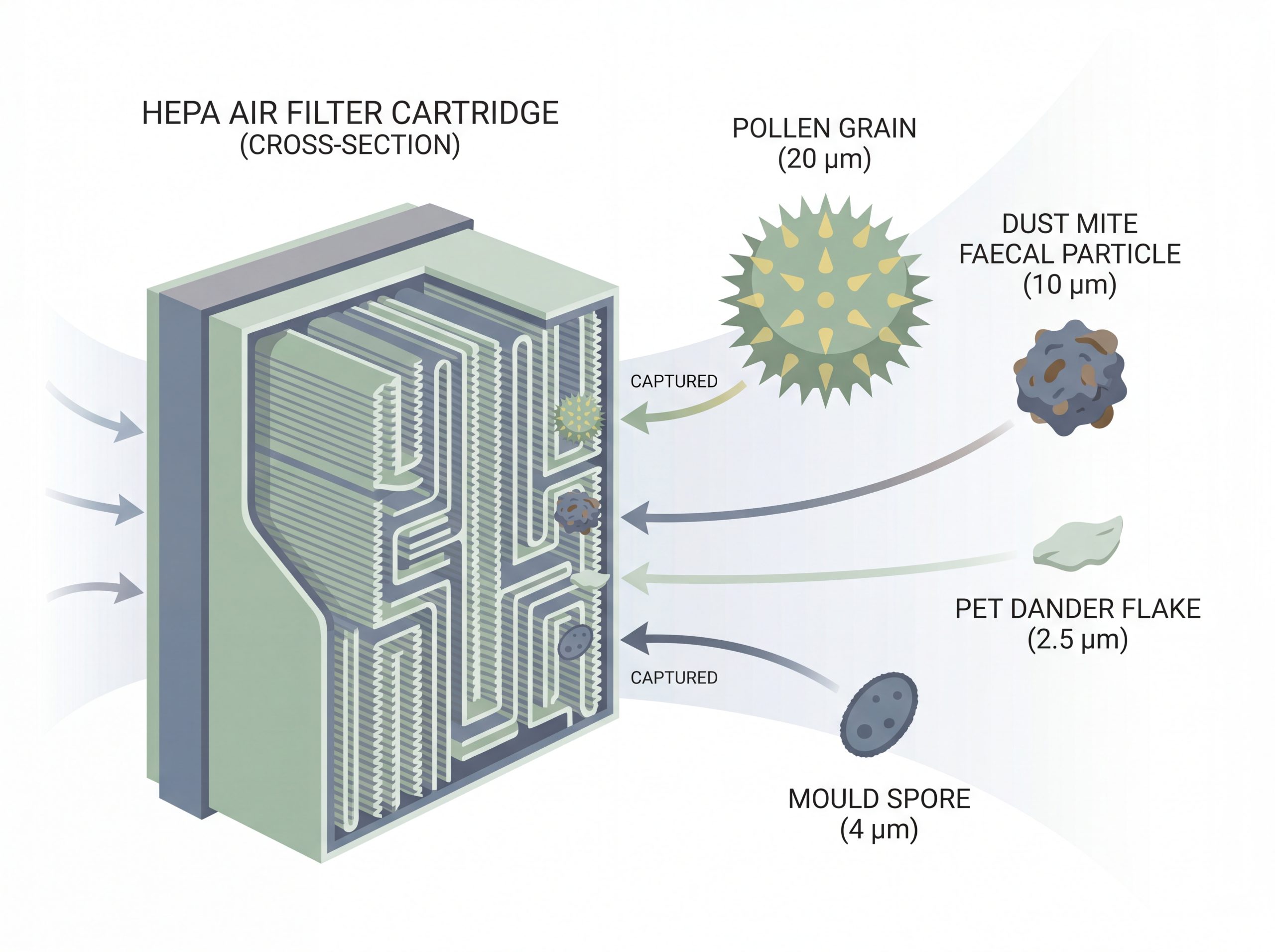
Indoor air quality is one of the highest-impact environmental interventions for anyone with year-round or perennial allergies. The typical American adult spends roughly 90 percent of their time indoors, and the indoor air can carry concentrations of pollen, dust mite particles, pet dander, mould spores, and chemical irritants that are several times higher than outdoor levels. HEPA (high-efficiency particulate air) filtration physically removes 99.97 percent of airborne particles 0.3 microns and larger, which includes nearly all of the relevant allergens.
Practical HEPA filtration choices include standalone room air purifiers sized for the room volume (look for the Clean Air Delivery Rate, or CADR, rating), whole-house HEPA filters that fit into the HVAC system, and HEPA-filtered vacuum cleaners that prevent collected dust from being recirculated through the exhaust. The Environmental Protection Agency publishes useful technical guidance on indoor air quality and HEPA standards. Place the air purifier in the room where the most time is spent, typically the bedroom, and run it 24 hours a day during peak allergy seasons. Filter changes follow the manufacturer’s schedule, usually every six to twelve months for the HEPA element and every three months for any pre-filter.
Beyond HEPA filtration, simple humidity control matters. Keeping indoor humidity between 30 and 50 percent discourages dust mite reproduction and mould growth, both of which thrive at higher humidity. A dehumidifier in damp basements, exhaust fans in bathrooms and kitchens, and prompt repair of any water leaks all contribute. Keep windows closed during peak pollen days, particularly in the early morning and on warm, windy days. Air conditioning with a clean filter is one of the simplest pollen-reduction tools available during summer. Layering HEPA filtration, humidity control, and air conditioning produces measurably cleaner indoor air than any single measure alone.
Dust mite, mould, and pet dander control at home
Dust mites are microscopic arthropods that live in bedding, upholstered furniture, and carpets, feeding on shed human skin cells. Their faecal particles are one of the most common indoor allergens worldwide. Controlling dust mites is a numbers game. Allergen-proof zippered covers on mattresses, box springs, and pillows physically separate the sleeper from accumulated mite populations. Weekly washing of bedding in water at least 130 degrees Fahrenheit kills mites. Reducing indoor humidity below 50 percent through dehumidification or air conditioning makes the environment inhospitable to mite reproduction. Removing wall-to-wall carpet in bedrooms in favour of hard flooring eliminates one of the largest mite reservoirs.
Mould allergies are triggered by spores from indoor and outdoor fungi. Indoor mould thrives in damp areas: bathrooms, basements, under-sink cabinets, around windows with condensation, and in any area with a slow water leak. Visible mould should be cleaned with a vinegar solution or dilute bleach for non-porous surfaces. Porous materials (drywall, carpet, ceiling tiles) with substantial mould growth typically need to be removed and replaced. Address the underlying moisture source, since mould will return as soon as conditions allow. The CDC publishes clear patient guidance on mould remediation. Outdoor mould spores peak in late summer and autumn, and outdoor activity in damp leaf litter raises exposure.
Pet dander control combines the strategies in the pet allergies section: bedroom exclusion, weekly pet bathing, HEPA vacuuming and filtration, and frequent washing of soft surfaces the pet contacts. The most impactful single change for severely pet-allergic individuals is making the bedroom a permanent pet-free zone, since the eight-hour overnight exposure window drives a disproportionate share of total daily symptoms. Combine that with HEPA bedroom filtration, and the symptom reduction is often dramatic. None of these environmental measures eliminates allergens completely, but together they reduce the daily allergen load to a level the immune system can handle without overflow into clinical symptoms.
Low-allergen gardening and outdoor exposure strategies
For readers who garden or spend significant time outdoors, choosing low-allergen plants reduces the pollen load in personal outdoor spaces. Most wind-pollinated plants (grasses, many trees, ragweed) produce abundant small, light pollen that travels far on air currents and triggers most seasonal allergies. Insect-pollinated plants, by contrast, produce heavier sticky pollen that is carried by bees and butterflies rather than wind, so it rarely becomes airborne in volumes that affect allergy sufferers. Examples of low-allergen ornamentals include azalea, begonia, camellia, clematis, daffodil (Narcissus), geranium, hibiscus, hydrangea, impatiens, iris, pansy (Viola tricolor hortensis), petunia, rose, tulip (Tulipa), and zinnia.
For tree selection, female cultivars of dioecious species (those with separate male and female plants) produce no pollen and are a strategic choice for the home yard. Many city tree plantings historically favoured male cultivars to avoid messy seed and fruit drop, which unintentionally raised urban pollen counts substantially. Some municipalities are now reversing this practice. For lawns, choosing a non-grass ground cover (clover, creeping thyme, or moss in shady areas) reduces the grass pollen exposure that drives summer allergic rhinitis for many sufferers.
Outdoor exposure strategies for allergy sufferers include checking daily pollen forecasts (the National Allergy Bureau publishes verified counts for most U.S. metropolitan areas), planning outdoor exercise for after rain or in the evening when pollen counts are lower, wearing wraparound sunglasses to reduce eye exposure, and showering and changing clothes after extended outdoor time to remove pollen from skin and hair before it transfers to indoor surfaces. None of these measures replaces the indoor air quality and herbal support measures discussed earlier, but they reduce the total daily allergen load on the immune system and can mean the difference between a tolerable spring and a miserable one.
Stress reduction, sleep, and the allergy connection
Chronic stress and poor sleep both worsen allergy symptoms through measurable mechanisms. Cortisol, the body’s main stress hormone, normally has anti-inflammatory effects, but the dysregulated cortisol patterns that come with chronic stress shift the immune system toward more inflammation, not less. Stress also disrupts the gut microbiome, increases intestinal permeability, and raises histamine release from mast cells. Sleep deprivation independently raises inflammatory cytokine production and reduces regulatory T cell function, both of which tilt the allergic response upward.
The practical interventions for stress and sleep are familiar but worth restating because their effect on allergies is real and measurable. Meditation, breathwork (particularly slow nasal breathing and box breathing), regular moderate exercise, time outdoors in natural settings, and consistent sleep timing all reduce cortisol variability and improve sleep quality. Practicing yoga, particularly styles that emphasise breath control (pranayama), has been studied in allergic rhinitis with modest positive results. For readers interested in herbal support for stress, our editorial team has covered how adaptogens help the body adapt to stress with a fuller discussion of ashwagandha, rhodiola, holy basil, and related herbs that work on the hypothalamic-pituitary-adrenal axis.
Sleep matters for allergies in both directions. Allergic rhinitis disrupts sleep through nasal congestion, post-nasal drip, and overnight sneezing, and that disrupted sleep then worsens the allergy response the next day. Breaking the cycle often requires addressing both ends: a saline rinse before bed to clear the nasal passages, elevating the head of the bed slightly to reduce overnight congestion, using a HEPA air purifier in the bedroom, and keeping the bedroom cool and dark for better sleep architecture. We have observed in our testing of layered allergy protocols that the readers who hit Tier 1 (avoidance), Tier 2 (herbal and nutritional support), and the sleep-and-stress component of Tier 3 simultaneously report the most consistent symptom reduction within four to six weeks.

Acupuncture and traditional Chinese medicine for allergies
Acupuncture has been studied in allergic rhinitis with a mixed but moderately encouraging evidence base. A 2015 American Academy of Otolaryngology clinical practice guideline on allergic rhinitis included acupuncture among the options patients may consider, noting that some randomised trials have shown symptom reduction comparable to mild pharmaceutical treatments. A 2013 randomised trial published in the Annals of Internal Medicine compared 12 weeks of acupuncture, sham acupuncture, and antihistamine rescue medication in 422 patients with seasonal allergic rhinitis and found that the acupuncture group reported greater symptom improvement than the sham or rescue-medication groups, though the effect was modest and required ongoing treatment.
Traditional Chinese medicine treats allergic rhinitis as a constitutional pattern, often involving deficiency of Lung Qi or Spleen Qi with an external Wind invasion. Treatment combines acupuncture with herbal formulas matched to the individual’s pattern, dietary recommendations, and lifestyle adjustments. Common formulas include Yu Ping Feng San (Jade Windscreen) for protective Wei Qi support and Cang Er Zi San (Xanthium Powder) for nasal symptoms. A qualified TCM practitioner will diagnose the pattern, prescribe accordingly, and adjust over time. Self-prescribing TCM herbal formulas without trained guidance is not recommended.
The honest assessment of acupuncture and TCM for allergies is that they offer real but modest benefit for some patients, require ongoing investment of time and money, and work best as part of a broader natural allergy protocol rather than as standalone treatments. Choose practitioners with documented training (a licensed acupuncturist credential and ideally additional herbal medicine training), and treat acupuncture and herbal formulas as complementary to, not replacements for, the dietary, environmental, and supplement-based strategies covered earlier.
Children’s allergies and natural remedies for pediatric care
Children develop allergies at higher rates than previous generations, with current U.S. data showing roughly 25 percent of children affected by at least one allergic condition (allergic rhinitis, atopic dermatitis, food allergy, or asthma). Natural remedies for pediatric allergies require extra caution because children metabolise herbs and supplements differently, have smaller body sizes that change dosing, and have developing immune systems where the wrong intervention can do real harm. The first-line guidance for any pediatric allergy concern is consultation with the child’s pediatrician or a pediatric allergist before starting herbal or supplement protocols.
Several natural remedies have a reasonable safety profile in children when used appropriately. Saline nasal spray (gentler than full neti pot rinses for young children) reduces nasal allergen load. HEPA air purifiers in the child’s bedroom are universally safe and useful. Mediterranean-pattern eating supports the developing gut microbiome and is associated with lower allergy rates in cohort studies. Probiotics with strain-specific pediatric evidence (Lactobacillus rhamnosus GG and Bifidobacterium lactis BB-12 have the best documentation) can be considered under pediatric guidance. Local honey is contraindicated in children under twelve months due to infant botulism risk and should be used cautiously in older children with known pollen allergies.
Several adult natural remedies should be avoided or used only under pediatric specialist guidance in children. Butterbur products carry hepatotoxicity risk and should not be given to children without specialist supervision, even in PA-free form. High-dose vitamin C and quercetin doses appropriate for adults are too high for children. Essential oils should not be applied to the skin of children under six and should be diffused only at very low concentrations. Herbal protocols designed for adult allergies are not automatically safe for pediatric use. When in doubt, the pediatrician or pediatric allergist is the right first call, and pediatric registered dietitians and clinical herbalists who specialise in children can provide additional guidance.
Pregnancy, breastfeeding, and allergy considerations
Pregnancy and breastfeeding shift the calculus for natural allergy remedies because anything the parent ingests can reach the developing fetus or the breastfeeding infant. The default during pregnancy and lactation is conservative: avoid concentrated herbal extracts, high-dose supplements, and essential oils unless cleared by an obstetrician or qualified herbalist with prenatal training. Many herbs that are well tolerated in non-pregnant adults are contraindicated during pregnancy because they can affect uterine tone or hormonal balance.
Several natural allergy approaches remain reasonable during pregnancy and breastfeeding under appropriate guidance. Daily saline nasal irrigation is universally safe and often essential, since pregnancy itself can cause nasal congestion (pregnancy rhinitis) independent of allergies. HEPA air filtration in the home is fully safe. Mediterranean-pattern eating is recommended in pregnancy and supports both maternal health and fetal immune development. Vitamin C from food sources and the pregnancy-appropriate dose from prenatal vitamins is safe and supports immune function. Vitamin D supplementation in pregnancy is increasingly recommended and is associated with lower rates of childhood allergies and asthma in observational research.
Specific natural remedies to avoid or restrict during pregnancy without specialist guidance include butterbur, high-dose herbal extracts, most essential oils (with the exception of small amounts of lavender or chamomile in well-diluted topical or aromatherapy use), and any new probiotic or fibre supplement that has not been previously tolerated. Breastfeeding follows similar caution because herbal compounds can transfer through breast milk to the infant. A clinician with prenatal and lactation expertise, ideally working alongside the obstetrician, can review specific natural remedy options in detail. The American Academy of Pediatrics and major obstetric medical centres publish patient-facing guidance worth consulting alongside personal medical advice.
Conventional treatments and integrative care for allergies
Natural allergy remedies do not exist in isolation from conventional medicine. The strongest allergy protocols are integrative, combining the best of both. Conventional treatment options include over-the-counter antihistamines (loratadine, cetirizine, and fexofenadine as second-generation, less sedating options, plus diphenhydramine for shorter-acting but more sedating relief), nasal corticosteroid sprays (fluticasone, budesonide, mometasone), leukotriene receptor antagonists (montelukast), and decongestants for short-term use (pseudoephedrine, phenylephrine). Each class has its own indications, side-effect profile, and best-use context. A primary care physician or allergist can match the medication to the symptom pattern.
For more severe or persistent allergies, prescription medications and procedures offer additional options. Stronger antihistamines, prescription nasal corticosteroids, and oral corticosteroid courses for acute flares are available. Allergen immunotherapy (allergy shots) involves regular injections of small, gradually increasing doses of the relevant allergen over three to five years, which can produce a genuine long-term reduction in allergy reactivity. Sublingual immunotherapy (SLIT) delivers allergen tablets under the tongue daily, with FDA-approved options for grass, ragweed, and dust mite allergies. For severe, treatment-resistant allergic asthma, biologic medications targeting IgE (omalizumab) or specific cytokine pathways (mepolizumab, benralizumab, dupilumab) offer additional treatment paths.
The integrative approach combines avoidance, environmental control, natural supports (herbal mast cell stabilisers, anti-inflammatory nutrients, gut microbiome care, sleep and stress practices), and conventional medications matched to the situation. Saline irrigation, quercetin, and a Mediterranean dietary pattern work well alongside a nasal corticosteroid spray and a non-sedating antihistamine. Allergy shots do not preclude any of the natural strategies and often allow the patient to taper off daily symptomatic medications as the immunotherapy takes effect. The CDC’s general guidance on supporting the immune system at the CDC’s enhancing immunity page reinforces that diet, sleep, and stress management complement rather than replace medical care. The smartest path is the one matched to the individual by a clinician who is open to both conventional and natural approaches.
Building your personal natural allergy remedies protocol
Putting the pieces of this guide together into a personal protocol is the step where natural allergy remedies actually deliver value. A workable starting framework, in our editorial experience with reader questions, follows this order. First, assess the trigger pattern. Are the symptoms seasonal (spring grass and tree pollen, autumn ragweed) or perennial (dust mites, pet dander, mould)? Are food, contact, or insect triggers involved? The trigger pattern dictates which environmental controls matter most.
Second, layer in the universal foundation measures. Daily nasal saline irrigation (one to two rinses per day during high-symptom periods), HEPA air filtration in the bedroom, a Mediterranean-pattern diet emphasising fibre and fermented foods, adequate sleep, and direct stress reduction practices. These work for nearly every allergy pattern and add up to a meaningful baseline reduction in symptom severity.
Third, add targeted herbal and nutritional support. The quercetin plus bromelain stack at 500 mg of each, twice daily, started two to four weeks before peak allergy season, is a common practitioner baseline. Vitamin C at 500 to 1,000 mg per day adds antioxidant and antihistamine support. Vitamin D supplementation if testing shows low levels. Stinging nettle leaf or butterbur (PA-free Ze 339 extract) for those who want stronger herbal antihistamine action. Spirulina for readers who tolerate the algae taste, often in capsule form to bypass the flavour, with the additional benefit of the protein, iron, and B-vitamins that spirulina provides. A targeted probiotic with documented strain-specific evidence for allergic rhinitis (Lactobacillus paracasei LP-33 has the best-documented dose-response).
Fourth, monitor and adjust over four to twelve weeks. Symptom diaries are useful, even informally. Note which days are worst, which trigger exposures preceded them, and which interventions seemed to help most. Adjust the protocol based on what works for the individual rather than the textbook. Add stress and sleep interventions if those areas are weak. Re-test vitamin D and adjust supplementation accordingly. For ongoing severe symptoms despite a complete natural protocol, escalate to a primary care physician or allergist for diagnostic workup and consideration of allergen immunotherapy or prescription medication. The natural protocol does not replace medical care for severe or worsening symptoms. It complements it.
Frequently asked questions about natural allergy remedies
Do natural remedies for allergies really work?
Yes, with appropriate expectations. The strongest clinical evidence sits with butterbur extract Ze 339 (comparable to cetirizine in head-to-head trials), nasal saline irrigation (Cochrane-supported), quercetin (consistent mechanistic and clinical evidence), and spirulina at 2,000 mg per day for allergic rhinitis. The evidence for honey, acupuncture, probiotics, and certain herbal teas is moderate but real. Natural remedies work best as part of a layered protocol that combines herbal and nutritional support with environmental control and lifestyle changes. They are unlikely to fully replace conventional medications for severe allergies, but often allow reduced reliance on antihistamines for mild to moderate symptoms.
What is the best natural antihistamine?
Quercetin and stinging nettle leaf are the most-cited herbal natural antihistamines, with butterbur extract Ze 339 showing the strongest direct head-to-head clinical comparison with pharmaceutical antihistamines. Quercetin stabilises mast cells and reduces histamine release, nettle leaf has antihistamine and anti-inflammatory action, and butterbur acts on both histamine and leukotriene pathways. Many practitioners use quercetin plus bromelain as a daily baseline, adding butterbur or nettle leaf during high-symptom periods. None of these herbs produces the sedation associated with first-generation pharmaceutical antihistamines like diphenhydramine.
How can I tell the difference between allergies and a cold?
Allergy symptoms typically last longer than one to two weeks, follow a seasonal or environmental pattern, and frequently include itchy eyes, which are uncommon in colds. Cold symptoms more often include fever, body aches, sore throat that progresses to a runny nose, then congestion over seven to ten days, and clear resolution within two weeks. Allergies do not cause fever. If symptoms include fever above 101 degrees Fahrenheit, productive cough, or progressive worsening over more than ten days, the cause is more likely infectious, and a clinician evaluation is appropriate.
Are natural allergy remedies safe for children?
Some are safe and useful, while others are not appropriate for pediatric use. Saline nasal spray, HEPA air filtration, Mediterranean-pattern eating, and pediatric-strain probiotics under guidance are generally appropriate. Butterbur, high-dose adult quercetin or vitamin C, undiluted essential oils, and concentrated herbal extracts should not be used in children without pediatric specialist supervision. Local honey should never be given to infants under twelve months. Always consult the child’s pediatrician or a pediatric allergist before starting any herbal or supplement protocol for a child.
How do probiotics help with allergies?
Probiotics support the gut microbiome, which plays a central role in immune tolerance. Roughly 70 to 80 percent of immune cells reside in the gut wall, and specific bacterial strains promote regulatory T cell activity that calms over-reactive immune responses to allergens. The best-documented strain for allergic rhinitis is Lactobacillus paracasei LP-33, which improved quality-of-life scores in adults with grass pollen allergic rhinitis in the GA2LEN clinical trial. Effects are strain-specific and dose-specific, so generic probiotic products may not deliver the same result. Give any probiotic at least eight to twelve weeks before assessing whether it is helping.
What foods reduce allergy symptoms?
A Mediterranean-pattern diet rich in olive oil, leafy greens, legumes, oily fish, nuts, seeds, whole grains, and fermented foods consistently shows associations with lower allergy and asthma rates. Specific anti-inflammatory foods worth featuring include quercetin-rich onions and apples, omega-3-rich salmon and walnuts, polyphenol-rich berries and dark chocolate, ginger, turmeric paired with black pepper, perilla leaf in Asian dishes, and fermented foods like yogurt, kefir, sauerkraut, and kimchi. Adequate dietary fibre (25 to 38 grams per day for adults) feeds the gut bacteria that produce immune-calming short-chain fatty acids.
Can essential oils be used safely for allergies?
Yes, when used properly. Steam inhalation with one to two drops of eucalyptus or peppermint, room-scale diffusion at low concentration, and topical application of essential oils diluted to one to two percent in a carrier oil are all reasonable uses. Avoid contact with the eyes, nose, and broken skin. Do not apply undiluted essential oils to skin. Children under six should not have essential oils applied to their skin, and essential oils should be diffused only at very low concentrations around young children. Pregnant and nursing people should consult a clinician before use. Pets, particularly cats, can be sensitive to essential oils through inhalation and skin contact.
When should I see a doctor for allergy symptoms?
See a doctor promptly for difficulty breathing, swelling of the lips, tongue, or throat, dizziness or fainting after exposure to a known allergen, a rash that spreads rapidly, severe abdominal pain or vomiting after eating, allergic reaction in infants or young children where severity is unclear, or any suspected anaphylactic reaction (call 911 immediately for anaphylaxis). For chronic allergies, see a primary care physician or allergist if symptoms persist despite a full natural and over-the-counter approach, if symptoms are interfering with sleep, work, or daily life, if there is associated asthma or sinus infections, or if a clear trigger needs identification through allergy testing.
Cautions, contraindications, and disclaimers
Important safety information. Several natural allergy remedies interact with prescription medications or are contraindicated in specific populations. Butterbur products that have not been processed to remove pyrrolizidine alkaloids can cause liver damage. Always choose PA-free butterbur. Quercetin has mild antiplatelet activity and can interact with blood thinners, certain antibiotics, and several other medication classes. Bromelain also has mild blood-thinning effects and should be discontinued before surgery. Stinging nettle can interact with diuretics, blood pressure medications, and diabetes medications. Spirulina is contraindicated in phenylketonuria (PKU) and should be used cautiously in autoimmune disease without clinician guidance. Local honey should never be given to infants under twelve months. Essential oils require proper dilution and are not suitable for all populations. Probiotics are generally well tolerated but are not appropriate for people with severe immune suppression, indwelling catheters, or critical illness.
Anyone with a known severe allergic condition, including anaphylaxis to insect stings, foods, or medications, must carry an epinephrine auto-injector and seek emergency medical care for any signs of systemic reaction. Natural remedies have no role in anaphylaxis management. Pregnancy and breastfeeding require additional caution because most herbs and supplements have limited safety data in these populations.
DISCLAIMER: This article is for educational purposes and does not provide medical advice. The information has not been evaluated by the Food and Drug Administration. Herbal and dietary approaches are not intended to diagnose, treat, cure, or prevent any disease. Always consult a qualified healthcare professional before starting or changing any health regimen, especially during pregnancy, nursing, while managing a medical condition, or while taking prescription medication. Effective allergy management combines avoidance, environmental control, supportive natural strategies, and conventional medical care when needed.
Related Reading
Continue exploring this topic with these related articles from our team:
- Gut Health and Immunity: How the Gut Microbiome Trains Your Immune System
- Best Herbs for Digestive Health
- Adaptogens for Stress
- Astragalus for Asthma