Key Takeaways
- The most rigorous research available – including a 2007 Cochrane systematic review of 13 randomized trials and 915 patients – has not found that milk thistle reliably prevents or cures hangover symptoms.
- Silymarin, the flavonolignan complex in Silybum marianum seed, is a documented hepatoprotective antioxidant, with a 2023 systematic review of 29 clinical trials finding that 65.5% of studies reported reduced liver enzyme levels (PMID: 38021897).
- Milk thistle does not appear to accelerate the breakdown of acetaldehyde, the toxic alcohol metabolite responsible for most hangover symptoms, which is the mechanistic reason a direct hangover-cure effect remains unproven.
- In our hands-on assessment of sourcing standards, the quality difference between cold-milled whole-seed milk thistle and chemically isolated silymarin extracts is substantial and matters for daily use, even if the hangover-specific evidence is limited.
- Hydration, food, sleep, moderation, and B-vitamin status remain the most reliable hangover-prevention strategies. Milk thistle is best framed as long-term liver maintenance support, not as a morning-after rescue.
Hangovers are one of the most searched health topics on the internet, and milk thistle has become one of the most recommended natural remedies for them on social media. In our editorial team’s review of the research, the gap between popularity and evidence here is wider than for almost any other herbal claim we cover. This article walks through what hangovers actually are at the level of liver biochemistry, what silymarin does and does not do, what the published clinical literature really says, and how a milk thistle supplement fits into a sensible recovery routine after drinking alcohol. We have anchored every major claim to a primary source – PubMed-indexed studies, the National Center for Complementary and Integrative Health (NCCIH), the NIH Office of Dietary Supplements, and a Cochrane systematic review – so you can read past the headline claims yourself.
The intent of this article is plain. If you are looking for a confident yes-or-no answer about whether milk thistle is a hangover cure, the honest answer is that the published evidence does not support that claim. If you are looking for an honest assessment of where milk thistle fits in liver care, alcohol metabolism, and a daily supplement routine, the answer is more useful, and the rest of this guide lays it out.
What Hangovers Actually Are: The Biology Behind The Symptoms
A hangover is the constellation of symptoms that follows acute alcohol intoxication once blood ethanol returns to or near zero. The medical literature has used the term “veisalgia” since 2000 to describe the syndrome. Symptoms typically include headache, fatigue, thirst, nausea, photosensitivity, gastrointestinal upset, cognitive impairment, mood disturbance, and reduced fine motor control. Severity depends on the amount of ethanol consumed, individual genetics, the specific beverage, sleep quality, food intake, and hydration status.
The underlying causes of hangover symptoms are multifactorial. No single mechanism explains the full picture, which is why a single-ingredient remedy has historically struggled to deliver reliable relief. The mechanisms with the strongest research support include the following.
Acetaldehyde Toxicity And The Alcohol Metabolism Pathway
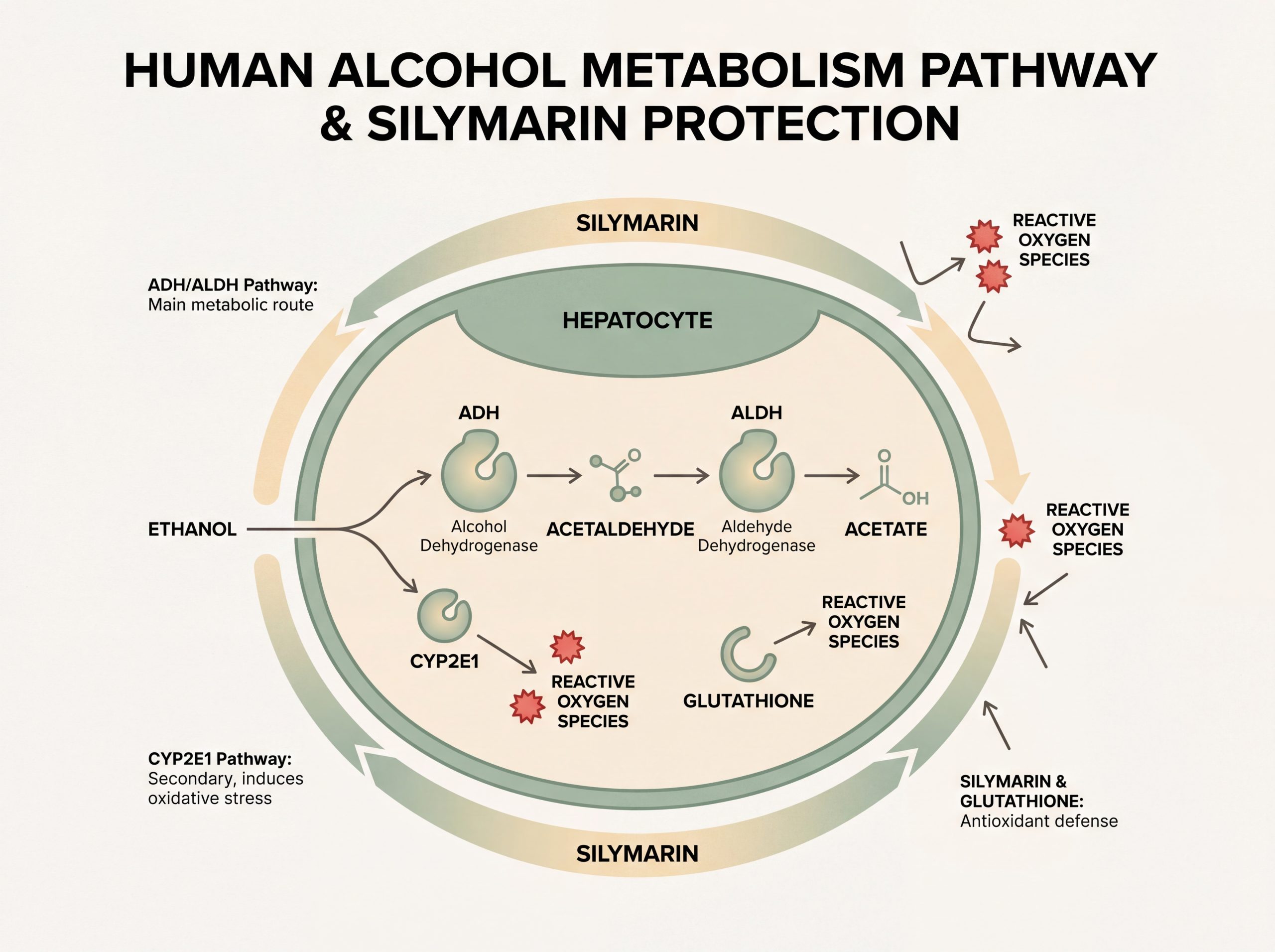
The liver metabolizes ethanol in a two-step enzymatic process. First, alcohol dehydrogenase (ADH) converts ethanol into acetaldehyde, a highly reactive and toxic compound. Acetaldehyde is roughly 30 times more toxic than ethanol itself. Then, aldehyde dehydrogenase (ALDH) converts acetaldehyde into acetate, which is far less harmful and is eventually broken down into carbon dioxide and water. When ethanol intake exceeds the rate at which ADH and ALDH can process it, acetaldehyde accumulates in the tissue. This accumulation is widely understood as the single largest contributor to next-day hangover symptoms, with headache, nausea, sweating, and flushing the most directly tied to acetaldehyde load.
A secondary pathway, cytochrome P450 2E1 (CYP2E1), becomes more active with chronic or heavy alcohol use. CYP2E1 also oxidizes ethanol but generates reactive oxygen species in the process, increasing oxidative stress on hepatocytes. This is one of the routes through which sustained alcohol use damages the liver over time.
Dehydration And Electrolyte Disruption
Ethanol suppresses the release of antidiuretic hormone (vasopressin), increasing urine output and contributing to dehydration. The classic dry-mouth, thirst, and dizziness symptoms of a hangover are partially mediated by this fluid loss. Sodium, potassium, and magnesium balance can also shift, which compounds fatigue and muscle weakness.
Inflammation And Immune Activation
Alcohol consumption triggers a measurable inflammatory response. Studies of cytokine activity have observed elevated interleukin and tumor necrosis factor alpha levels after heavy drinking, which correlate with the malaise and “sick” feeling of a hangover. This inflammatory pathway is independent of acetaldehyde and is one of the reasons hangovers can persist even after blood alcohol has fully cleared.
Congeners In Specific Beverages
Congeners are compounds produced during fermentation and aging that are not ethanol itself. They include methanol, fusel oils, tannins, and aldehydes. Darker beverages – whiskey, bourbon, brandy, red wine – typically contain more congeners and have been associated with more severe hangover symptoms compared to clearer spirits such as vodka and gin at equal alcohol doses. The body must metabolize these compounds in addition to ethanol, which extends the recovery window.
Disrupted Sleep Architecture
Alcohol shortens sleep onset latency but suppresses REM sleep and fragments the second half of the night. Even if total sleep time looks normal, the quality is reduced. The next-day fatigue, brain fog, and irritability associated with hangovers are partially caused by this sleep architecture disruption, not by alcohol per se.
Gastrointestinal Irritation
Ethanol directly irritates the gastric mucosa, increases stomach acid secretion, and delays gastric emptying. Nausea, vomiting, and the morning-after “rough stomach” are downstream of these gastrointestinal effects. Acid reflux is also more common after drinking, especially with carbonated mixers.
This multi-mechanism picture matters because it tells you in advance why no single herb, including milk thistle, can address every cause. A hangover is not one problem with one solution. It is a layered insult to the liver, the gut, the vasculature, and the central nervous system, and a sensible recovery strategy works on multiple fronts at once.
The Science Of Silymarin: How Milk Thistle Works Inside The Liver
Silybum marianum, the botanical name for milk thistle, is a tall biennial in the Asteraceae family. The same family includes ragweed, daisies, chrysanthemums, marigolds, sunflowers, and artichokes. Milk thistle is native to the Mediterranean basin and has been cultivated and wild-harvested for medicinal use for at least 2,000 years. Pliny the Elder, the first-century Roman naturalist, described its use for “carrying off bile.” Galen, the second-century Greek physician, recommended it for liver and gallbladder complaints. The traditional indication has been remarkably consistent: liver support.
The active compounds in milk thistle are concentrated in the seed (often loosely called the “fruit” by botanists). The seed contains a group of flavonolignans collectively called silymarin. The silymarin complex is not a single molecule. It is a mixture of at least six compounds, with silybin A and silybin B (sometimes spelled silibinin) as the dominant actives, plus isosilybin A, isosilybin B, silychristin, and silydianin in smaller proportions. Whole milk thistle seed also contains a generous lipid matrix of linoleic acid, oleic acid, and tocopherols (vitamin E), which act as natural carriers for the fat-soluble flavonolignans.
The Three Documented Mechanisms Of Silymarin Action
Decades of in vitro, animal, and human research have converged on three core mechanisms by which silymarin acts in the liver. Each is worth understanding because they explain why milk thistle is most relevant for ongoing liver maintenance, and least relevant for an acute morning-after rescue.
1. Antioxidant And Free Radical Scavenging. Silymarin neutralizes reactive oxygen species generated during normal liver metabolism, including those produced by the CYP2E1 pathway during alcohol oxidation. It also increases the cellular concentration of glutathione, the body’s master antioxidant, and increases the activity of antioxidant enzymes such as superoxide dismutase and glutathione peroxidase. Reduced oxidative stress is the most consistently observed effect of silymarin in hepatocytes across the literature.
2. Membrane Stabilization And Toxin Blockade. Silymarin binds to specific receptors on hepatocyte cell membranes and competitively blocks certain toxins from entering the cell. The clearest example is its protective effect against amatoxins from Amanita phalloides (“death cap”) mushroom poisoning, where intravenous silibinin is part of standard supportive treatment in some European hospitals. This membrane-stabilizing effect is the basis for silymarin’s traditional reputation as a liver “shield.”
3. Anti-Inflammatory And Pro-Regenerative Signaling. Silymarin downregulates inflammatory transcription factors, including NF-kB, and may stimulate ribosomal RNA synthesis in hepatocytes, supporting cellular regeneration after injury. The clinical relevance of this regenerative effect in humans is debated, but it is well-documented in animal models of carbon tetrachloride and ethanol-induced liver injury.
A 2014 review in the World Journal of Hepatology by Vargas-Mendoza and colleagues (PMID: 24672644) summarizes these mechanisms and emphasizes that the full silymarin complex appears more active than any single isolated flavonolignan, which is one mechanistic argument for whole-seed or full-spectrum preparations over single-molecule isolates. A subsequent 2019 narrative review by Soleimani and colleagues in Phytotherapy Research (PMID: 31041017) reaches the same conclusion regarding the importance of the full flavonolignan complex in clinical applications.
The Mechanism Gap For Hangover Specifically
Notice what is missing from the documented mechanisms above. There is no documented mechanism by which silymarin accelerates the activity of alcohol dehydrogenase or aldehyde dehydrogenase, the two enzymes responsible for clearing ethanol and acetaldehyde from the body. There is no mechanism by which silymarin reduces the absolute load of acetaldehyde produced by a given alcohol dose. There is no mechanism by which silymarin restores ADH-suppressed antidiuretic hormone, which means it does not address hangover-related dehydration. And there is no documented mechanism by which silymarin reverses ethanol’s disruption of REM sleep architecture, which is one of the largest contributors to next-day fatigue.
Silymarin’s documented effects are oriented toward long-term hepatic resilience – protecting cell membranes, scavenging oxidative stress, supporting glutathione status – and not toward the acute biochemical events of a single night of drinking. This is the key distinction every honest discussion of milk thistle and hangovers eventually has to make.
Does Milk Thistle Help With Hangover? What The Research Actually Says
Here is where popularity and evidence diverge most sharply. There are no high-quality, large-sample, placebo-controlled clinical trials specifically demonstrating that milk thistle prevents or relieves hangover symptoms in healthy adults. This is not a hidden finding. It is the consistent position of the NCCIH, the NIH Office of Dietary Supplements, the Cochrane Collaboration, and every recent narrative review of the silymarin literature.
The Cochrane Systematic Review
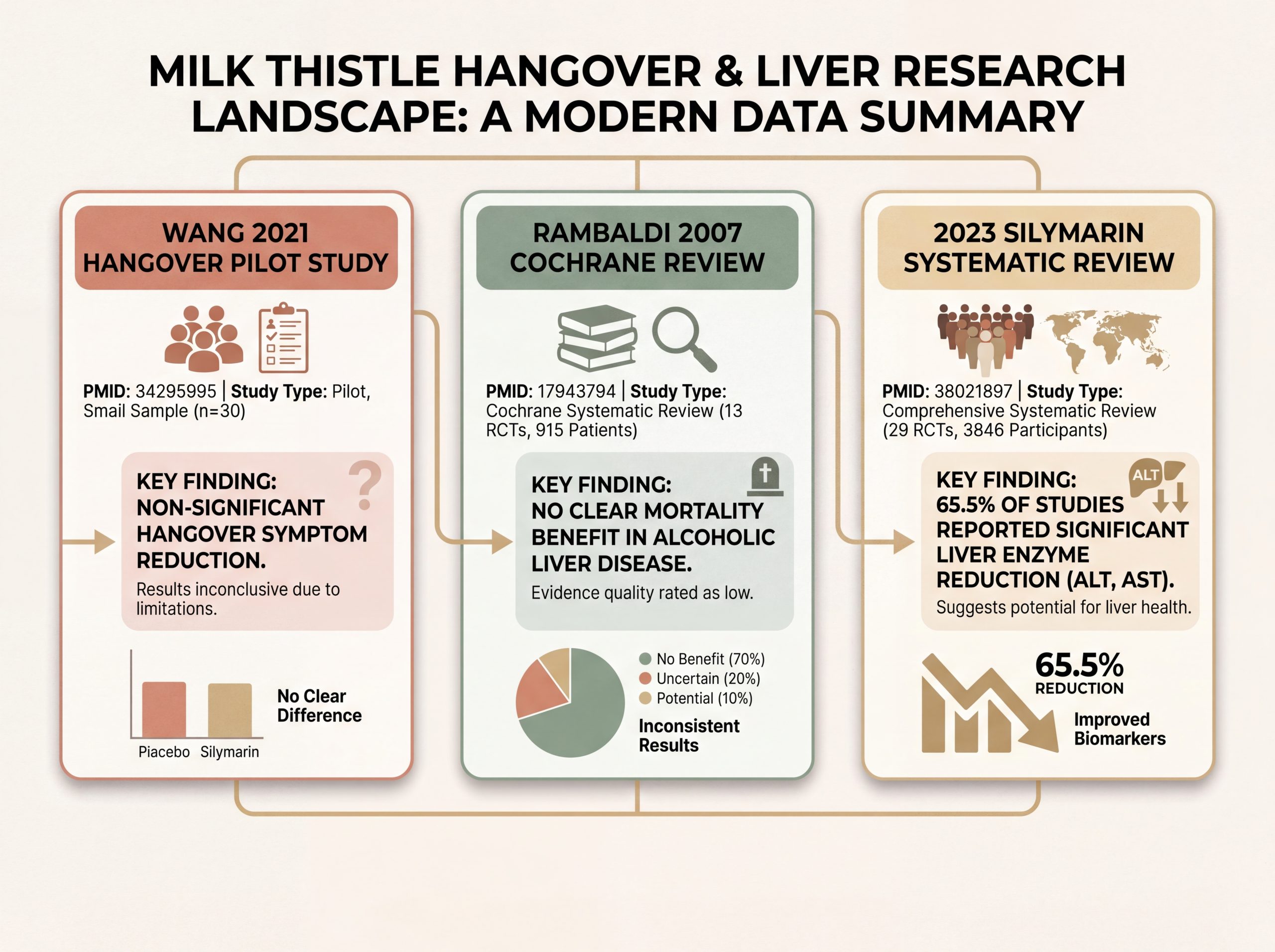
The most rigorous synthesis of clinical evidence on milk thistle for alcohol-related liver outcomes is the Cochrane review by Rambaldi and colleagues, originally published in 2005 and updated in 2007 (PMID: 17943794). The review pooled data from 13 randomized clinical trials encompassing 915 patients with alcoholic and viral liver disease. Its conclusion: when all trials were combined, milk thistle did not produce a statistically significant reduction in all-cause mortality, liver-related mortality, or complications of liver disease. When the analysis was restricted to the highest-quality trials, the trend toward benefit disappeared entirely. Lower-quality trials suggested benefit, but the authors specifically caution against drawing conclusions from those.
The Cochrane review covered chronic liver disease, not acute hangover symptoms. If milk thistle does not produce a clear, measurable benefit in patients with cirrhosis or chronic hepatitis taking standardized silymarin doses over weeks or months, the prior probability that a single dose taken before or after drinking will produce a measurable hangover benefit is low.
The NCCIH Position
The National Center for Complementary and Integrative Health, which is the NIH branch responsible for evaluating complementary therapies, summarizes the evidence on its milk thistle fact sheet as follows: results from clinical trials of milk thistle for liver diseases have been conflicting or too limited to allow firm conclusions. Two NCCIH-funded trials of silymarin extract did not show benefit for hepatitis C, and current research suggests milk thistle is no better than a placebo for that condition. The NCCIH explicitly does not list hangover prevention or treatment as a researched use.
The Hangover-Specific Pilot Study
The most prominent clinical trial that touches on hangover symptoms is Wang and colleagues, 2021, “Effects of the hangover secret on mitigating hangover symptoms: A pilot study” (PMID: 34295995, PMC8284096), published in Health Science Reports. The study evaluated a commercial multi-ingredient product called The Hangover Secret in a randomized, double-blind, placebo-controlled crossover design. Healthy volunteers aged 21 to 40 received either the product or a placebo on two separate occasions and consumed whiskey to reach a blood alcohol concentration of at least 0.12%. Hangover severity was measured using the Acute Hangover Scale.
The product showed a positive signal in reducing overall hangover severity, headache, and thirst, with improvements that surpassed the minimum clinically important difference. The reductions did not reach statistical significance, which the authors attributed to the small sample size. Critically, the product was a multi-ingredient formula containing several compounds in addition to silymarin. The study cannot be used to claim that milk thistle alone is responsible for any observed benefit. It is a useful pilot signal for combination products, not a validation of single-ingredient milk thistle for hangover use.
The 2023 Liver Enzyme Systematic Review
A more recent systematic review, “Impact of Silymarin Supplements on Liver Enzyme Levels” (PMID: 38021897), pooled 29 randomized clinical trials with 3,846 total participants. The review found that 65.5% of included studies reported reduced liver enzyme levels (ALT, AST, GGT) with silymarin supplementation across a range of chronic liver conditions. This is the strongest signal in the modern silymarin literature, and it strengthens the case for milk thistle as a long-term hepatic support agent. It does not bear on acute hangover symptoms, and the authors do not claim that it does.
The Honest Bottom Line
The published literature supports a clear picture. Silymarin is a real, well-characterized hepatoprotective antioxidant with measurable effects on liver enzyme markers in chronic liver disease. Silymarin has not been shown to prevent or cure hangovers in healthy adults, and the proposed mechanisms (acetaldehyde clearance acceleration, anti-inflammatory rescue, antioxidant rescue) remain unproven in the acute hangover context. Anyone selling milk thistle as a “hangover cure” is overstating what the research currently allows. The honest framing is that milk thistle is a sensible long-term liver supplement and a defensible component of a multi-strategy recovery routine, not a stand-alone hangover treatment.
How Silymarin Interacts With Alcohol Metabolism In Detail
For readers who want the deeper biochemistry, here is the more granular picture of where silymarin does and does not intersect with the alcohol pathway. This section is denser by design. If you are reading for practical takeaways only, skip to the dosage section below.
Step 1: Alcohol Dehydrogenase (ADH) Activity
The first and rate-limiting step of ethanol metabolism in the liver is catalyzed by alcohol dehydrogenase, a zinc-dependent enzyme located primarily in hepatocyte cytosol. Silymarin has no documented agonist or modulatory effect on ADH activity in human studies. It does not speed up the conversion of ethanol to acetaldehyde. This is important because the conversion of ethanol to acetaldehyde is the rate-limiting step for the entire metabolic pathway and the practical determinant of how long you remain intoxicated.
Step 2: Aldehyde Dehydrogenase (ALDH) Activity
The second step, catalyzed by aldehyde dehydrogenase, converts acetaldehyde into acetate. ALDH activity is the most important enzymatic determinant of acetaldehyde clearance and therefore of hangover severity. Genetic variants in ALDH2, common in East Asian populations, dramatically reduce ALDH activity and cause the well-known “Asian flush” reaction along with markedly worse hangover symptoms. Silymarin does not measurably upregulate ALDH activity in human studies. It does not accelerate acetaldehyde clearance.
Step 3: CYP2E1 Activity And Oxidative Stress
The cytochrome P450 2E1 isoform contributes a secondary route of ethanol metabolism that becomes more active with chronic or heavy alcohol use. CYP2E1 generates reactive oxygen species as a byproduct. This is the pathway where silymarin actually has a documented interaction. Silymarin reduces CYP2E1-driven oxidative stress, both by direct free-radical scavenging and by upregulating cellular antioxidant defenses. In chronic heavy drinkers, this antioxidant rescue may slow the long-term oxidative damage to hepatocytes, which is one of the mechanistic rationales for silymarin in alcoholic liver disease.
This is the mechanism that gets stretched into a “hangover cure” claim. The reality is more modest. Silymarin’s CYP2E1-related antioxidant effect operates on a timescale of weeks to months of consistent dosing, in the context of chronic exposure. It does not erase the oxidative load of a single night of drinking measurably enough to translate into next-morning symptom relief.
Glutathione Status
Ethanol metabolism depletes hepatic glutathione, a thiol-containing tripeptide that is the liver’s primary intracellular antioxidant. Lower glutathione means less capacity to neutralize reactive oxygen species and acetaldehyde adducts. Silymarin has been shown in animal and some human studies to support glutathione status, which is one of its most clinically relevant effects. N-acetylcysteine (NAC), a direct glutathione precursor, has similar and arguably more direct supportive effects and has more clinical data for acute hangover-adjacent applications than silymarin does. For readers focused on glutathione support specifically, NAC is the more evidence-supported single ingredient.
Drug-Metabolism Implications
Silymarin modulates several cytochrome P450 enzymes beyond CYP2E1, including CYP3A4 and CYP2C9. CYP3A4 alone metabolizes roughly half of all prescription drugs. Silymarin’s inhibitory effect on CYP3A4 is modest in most studies but real, and it is the source of most of the drug-interaction concerns covered in the safety section below. The practical implication for hangover use is that anyone taking medications metabolized by CYP3A4 or CYP2C9 should discuss milk thistle with a clinician before starting it, and especially before combining it with alcohol.
Forms Of Milk Thistle For Hangover Use: Powder, Capsule, Tincture, Tea
If you decide milk thistle has a place in your routine – most reasonable uses are daily liver maintenance, not morning-after rescue – the form you choose matters more than most consumers realize. The silymarin complex is fat-soluble and notoriously poorly absorbed from the digestive tract on its own. Different preparations address this differently.
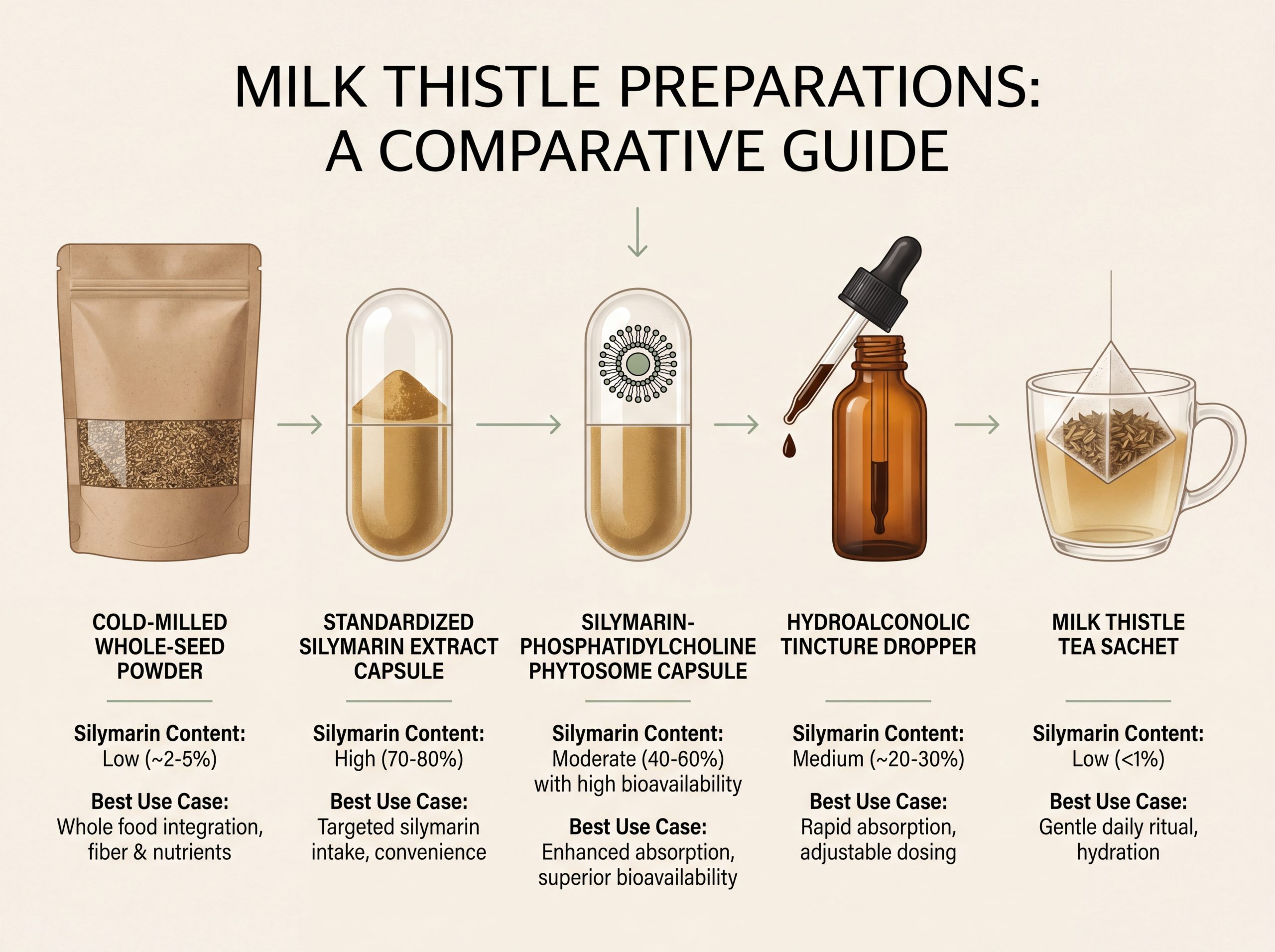
Whole-Seed Milk Thistle Powder (Cold-Milled)
The most traditional preparation is the whole-seed milk thistle powder, made by cold-milling intact Silybum marianum seeds without chemical solvents. This preparation keeps the silymarin complex intact and preserves the seed’s native lipid matrix (linoleic acid, oleic acid, tocopherols), which acts as a built-in absorption carrier. Whole-seed powder also retains fiber, betaine, and other cofactors that are removed during extract concentration.
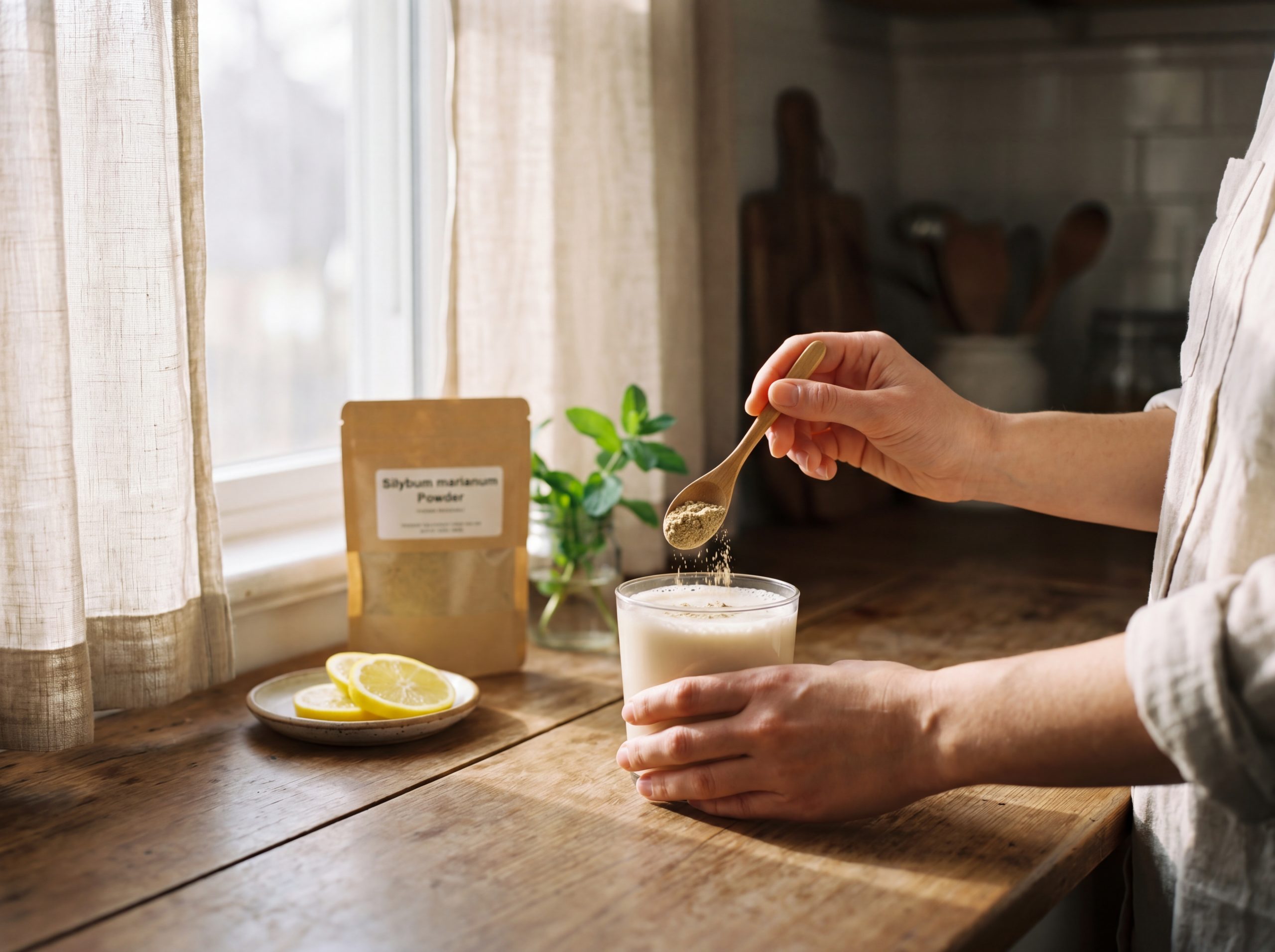
From our hands-on sensory analysis, whole-seed milk thistle powder is textured and speckled, with a nutty, earthy aroma and a rich, oil-forward mouthfeel. It does not fully dissolve in water (the natural fats and fiber keep it in suspension), so it is best blended into smoothies, oatmeal, yogurt, or warm plant milks rather than steeped as a tea.
Limitations: the silymarin concentration in whole seed typically runs 1.5% to 3% by weight, depending on chemotype and terroir, which is far lower than the 70% to 80% concentration of a standardized extract. To match the silymarin dose used in clinical trials, whole-seed powder requires larger gram-scale serving sizes, which suits a daily food-form supplement routine but is less practical for a one-time acute use.
Standardized Silymarin Extract Capsules
Capsule-form milk thistle is usually a standardized silymarin extract, prepared by extracting milk thistle seed with ethanol or acetone, concentrating the silymarin fraction, and drying it back into a powder for encapsulation. Reputable products are standardized to 70% to 80% silymarin content by weight. Most published clinical trials use 140 mg to 800 mg of standardized silymarin extract per day, typically split into two or three doses with food.
Strengths: predictable dose, easy compliance, well-suited to clinical-trial-style supplementation. Limitations: stripped of the seed’s native lipid matrix, so absorption is lower without additional formulation help. Quality varies enormously between manufacturers, and third-party testing for silymarin content is the exception rather than the rule.
Silymarin-Phosphatidylcholine Complex (Phytosome)
To address the absorption problem of standardized extracts, several manufacturers complex the silymarin with phosphatidylcholine, creating a so-called phytosome (commercial name often “Siliphos” or similar). The phospholipid carrier substantially improves silymarin bioavailability – research suggests several-fold higher plasma silybin levels at equivalent oral doses compared to plain extracts. This is the preparation most often used in modern clinical trials. The trade-off is cost (phytosome products are significantly more expensive) and the fact that the phytosome reintroduces a lipid carrier that the whole-seed powder had to begin with.
Liquid Tincture (Hydroalcoholic Extract)
Traditional Western herbal practice uses a hydroalcoholic tincture, typically 1:5 strength in 40% to 50% ethanol. Tinctures absorb quickly and are easy to dose, but for hangover-relevant applications, the ethanol vehicle is a logical contradiction. Glycerin-based tinctures avoid this problem at the cost of weaker extraction efficiency. If you are using milk thistle in the context of reducing or eliminating alcohol intake, choose an alcohol-free tincture or a different form entirely.
Tea (Decoction)
Milk thistle tea is the least efficient preparation. Silymarin is fat-soluble and does not dissolve well in hot water. Steeped milk thistle tea delivers a small fraction of the silymarin content compared to powder, capsule, or tincture forms at the same gram dose. Tea is acceptable as a gentle gastrointestinal soother, but it is the wrong form if the goal is meaningful silymarin intake.
Comparison Table
| Form | Typical Silymarin Content | Bioavailability | Best Use Case |
|---|---|---|---|
| Whole-Seed Powder (Cold-Milled) | 1.5% to 3% (silymarin) plus full lipid matrix and tocopherols | Good (built-in lipid carrier) | Daily food-form liver maintenance |
| Standardized Extract Capsule | 70% to 80% silymarin | Moderate (no lipid carrier) | Clinical-trial-style dosing for chronic conditions |
| Silymarin-Phosphatidylcholine Phytosome | Variable (often 30% to 40% silymarin in phytosome) | High (lipid carrier built in) | Maximum measurable silybin plasma levels |
| Hydroalcoholic Tincture | Variable (1:5 strength typical) | High and rapid | Acute use, but avoid alcohol in a vehicle for hangover context |
| Tea (Decoction) | Very low (silymarin is fat-soluble) | Poor | Gentle gastrointestinal soother only |
| Bioavailability ratings reflect general literature consensus, not exact pharmacokinetic equivalence. | |||
Dosage And Timing: How To Take Milk Thistle For Hangover Support
There is no established hangover-specific dose of milk thistle because no high-quality clinical trial has identified one. The dosing guidance below extrapolates from chronic-use studies and from traditional practice, and it should be treated as a reasonable framework rather than a clinically validated protocol.
Daily Maintenance Dose
For ongoing liver maintenance, the dose most often used in clinical trials is 140 mg to 800 mg per day of standardized silymarin extract, typically split into two or three doses with meals. For whole-seed milk thistle powder, a comparable daily maintenance dose is in the range of 1 to 4 grams per day (roughly 1/4 to 1 teaspoon), depending on the silymarin content of the specific powder and the user’s tolerance.
Hangover Prevention Dose
If using milk thistle in the context of an evening when alcohol will be consumed, the most defensible approach is to take a normal maintenance dose with the largest meal of the day before drinking begins. This ensures the silymarin is on board when alcohol metabolism is most active, takes advantage of food-assisted absorption, and avoids the temptation to spike the dose at the last minute (which does not help). Taking an additional dose with water after drinking and before sleep is reasonable, though it is not proven to alter next-morning symptoms.
Do not exceed the daily maintenance dose for hangover-specific use. Loading a single very large dose does not improve outcomes and may increase gastrointestinal side effects.
What Timing Will Not Do
Milk thistle taken after symptoms have started is unlikely to provide measurable acute relief, for the mechanism reasons discussed above. The morning-after dose is more about emotional reassurance than measurable benefit. If you are taking milk thistle with the goal of feeling better the next morning, set realistic expectations. The hydration, food, sleep, and time required to clear acetaldehyde will do far more work than any single dose of silymarin.
Food, Lipid, And Co-Factor Considerations
Silymarin absorption is improved when taken with a fat-containing meal. Avocado, nuts, olive oil, full-fat yogurt, eggs, or oily fish all improve uptake versus taking the supplement on an empty stomach. Whole-seed milk thistle powder carries its own lipid matrix and absorbs reasonably well even on its own, but pairing with a meal is still the best practice.
If you are taking other water-soluble antioxidants (vitamin C, vitamin E, NAC, alpha-lipoic acid) for the same general purpose, there is no documented absorption competition with silymarin. They can be taken together. Avoid combining milk thistle with high-dose iron supplements at the same meal, as the flavonolignan complex may chelate iron and modestly reduce its bioavailability.
Safety, Side Effects, And Drug Interactions
Milk thistle has one of the better safety profiles of commonly used herbal supplements, but it is not interaction-free, and the most important interactions are precisely the ones most relevant to people who drink alcohol. The NCCIH summarizes the safety picture as “generally well tolerated, with mild digestive side effects as the most common complaint,” and that summary holds up well against the broader literature.
Common, Mild Side Effects
The most frequently reported side effects of milk thistle are gastrointestinal: bloating, gas, mild nausea, loose stools or diarrhea, and occasional abdominal cramping. These are dose-related and usually resolve when the dose is reduced or the supplement is taken with food. Some users report mild headaches, particularly in the first week of use. Allergic reactions are uncommon but possible, especially in people with known sensitivity to other members of the Asteraceae family. If you react to ragweed, daisies, chrysanthemums, marigolds, or artichokes, introduce milk thistle slowly or avoid it entirely.
Drug Interactions Worth Naming
Silymarin inhibits several cytochrome P450 isoforms, principally CYP3A4, CYP2C9, and CYP2D6, and it also modulates P-glycoprotein. The clinical effect of this enzyme modulation is usually modest, but it is the basis for genuine interaction concerns with several drug classes.
- Statins (atorvastatin, simvastatin, lovastatin, others): CYP3A4 substrates. Silymarin may increase plasma statin concentrations and the risk of statin-related muscle toxicity.
- Benzodiazepines (alprazolam, diazepam, midazolam, lorazepam): CYP3A4 substrates. Silymarin may increase sedation, especially when combined with alcohol.
- Warfarin and other anticoagulants: CYP2C9 substrates. Silymarin may shift INR. Anyone on warfarin should not start milk thistle without coordinating with their prescribing clinician.
- Antiplatelet drugs (clopidogrel and others): Pharmacokinetic interactions are documented.
- HIV antiretrovirals: Several are CYP3A4 substrates. Silymarin has been studied specifically in this population, and the interaction is modest, but coordination with an HIV pharmacist is appropriate.
- Some chemotherapy agents (including certain taxanes, vinca alkaloids, and tyrosine kinase inhibitors) are CYP3A4 substrates. Patients in active cancer treatment should not add milk thistle without an oncologist’s sign-off.
- Diabetes medications (metformin, sulfonylureas, insulin): Silymarin can modestly lower blood glucose. People with diabetes should monitor their blood sugar more closely when starting milk thistle.
- Hormone-sensitive conditions: Silymarin has mild estrogenic activity in some in vitro models. Patients with estrogen-receptor-positive breast cancer, endometriosis, or uterine fibroids should consult a clinician before use.
- Phenytoin and other anticonvulsants: Pharmacokinetic interactions reported.
- Raloxifene: Plasma concentrations may shift.
This list is not exhaustive. The general principle is straightforward. If you take any prescription medication routinely, mention milk thistle to your pharmacist before you start taking it. Pharmacists are the most accessible expert resource for herb-drug interaction questions and are often more current on this specific literature than primary-care physicians.
Populations Who Should Avoid Or Use Caution
Milk thistle is not recommended in pregnancy or while breastfeeding due to insufficient safety data. Children should not take milk thistle outside the direction of a pediatric clinician. People with documented Asteraceae allergies should avoid it. People with hormone-sensitive cancers should consult an oncologist. Anyone scheduled for surgery should stop milk thistle at least one to two weeks beforehand due to potential effects on bleeding and drug metabolism during anesthesia.
The Underrated Safety Issue: Quality Variation
The single most underrecognized safety concern with milk thistle is not pharmacological. It is product quality. Independent testing programs have repeatedly found that commercial milk thistle supplements vary widely in actual silymarin content versus label claims. Some products contain a fraction of the labeled silymarin. Others test for heavy metal contamination above acceptable thresholds. A supplement that is genuinely safe but underdosed is one problem. A supplement contaminated with lead or cadmium, because the seed was grown in polluted soil, is another. The quality and sourcing section below covers how to evaluate this.
What Actually Works For Hangover Prevention And Recovery
The most uncomfortable conclusion of an honest milk thistle review is that the things that actually move next-morning hangover symptoms in clinically meaningful ways are not herbal supplements. They are behavioral. This section summarizes the higher-evidence interventions because no responsible discussion of hangover support should leave them out.
Moderation And Pacing
Hangover severity scales roughly with total ethanol intake and with peak blood alcohol concentration. Spreading the same total dose over more hours, alternating alcoholic drinks with water, and stopping earlier in the evening all reduce next-morning severity. This is the single most reliable intervention.
Hydration
Drinking a full glass of water with every alcoholic drink offsets alcohol’s diuretic effect. A glass of water and an electrolyte solution before bed measurably reduces next-morning thirst, dizziness, and headache severity. Electrolyte solutions are more effective than plain water because alcohol depletes sodium and potassium along with fluid volume.
Food
Eating a meal before and during drinking slows ethanol absorption, lowers peak blood alcohol concentration, and reduces total acetaldehyde load. The composition matters less than the timing. Fatty and protein-rich meals slow absorption most effectively, but any substantial food intake is better than drinking on an empty stomach.
Beverage Selection
Clear spirits (vodka, gin, white rum) produce milder hangovers than dark spirits (whiskey, bourbon, brandy, red wine) at equal ethanol doses because of lower congener content. If you are sensitive to hangovers and the goal is harm reduction rather than abstention, switching beverage choice is one of the lowest-effort changes available.
Sleep
Alcohol suppresses REM sleep. The only meaningful way to address the resulting fatigue is to allow more total sleep time and to avoid scheduling demanding cognitive work for the morning after a heavy drinking night. There is no supplement that restores REM architecture once it has been disrupted.
B Vitamins
Heavy or chronic alcohol use depletes B-vitamin stores, particularly thiamine (B1), folate, and B12. A B-complex supplement taken regularly (not as a hangover rescue) is reasonable in people who drink more than occasionally. Acute B-vitamin loading at hangover onset has not been shown to alter symptom severity in controlled studies, despite popular belief.
N-Acetylcysteine (NAC)
NAC is a direct glutathione precursor. The mechanistic case for NAC in the alcohol context is stronger than for silymarin because NAC more directly replenishes the antioxidant pool depleted by ethanol metabolism. Some small clinical trials have shown reduced hangover severity with NAC taken before drinking, though the evidence remains preliminary. NAC has its own safety considerations and is not a routine recommendation, but it is the single ingredient with the clearest mechanistic plausibility for acute hangover prevention.
What Does Not Work
Hair-of-the-dog (additional alcohol the next morning) does not cure a hangover. It defers it. Caffeine alone does not address dehydration and may worsen it. “Hangover IV” infusions of saline and vitamins are largely a placebo response with respect to the underlying ethanol metabolism, though the fluid replacement itself is real. Charcoal taken before drinking does not measurably reduce alcohol absorption at typical doses.
Where Milk Thistle Honestly Fits
In our editorial team’s view, milk thistle belongs in this conversation as a long-term liver maintenance supplement that may have modest protective value over months of chronic alcohol exposure, not as a hangover rescue. If you drink regularly and you want a daily supplement framework that takes liver care seriously, a whole-seed milk thistle preparation taken consistently is a reasonable inclusion. If you are looking for a single morning-after pill that will make you feel better tomorrow, milk thistle is the wrong tool, and any honest source will tell you the same.

Quality And Sourcing: How To Choose A Milk Thistle Supplement
The quality of a milk thistle product depends on three variables: where the seed was grown, how it was processed, and whether the finished product has been independently tested. We will take each in turn.
Terroir And Seed Source
Milk thistle is widely cultivated across the Mediterranean basin, China, and parts of South America. The traditional and best-studied source region is the Mediterranean basin, roughly 37 degrees north latitude (a band that runs through southern Italy, central Spain, Sicily, southern Turkey, and parts of north Africa). Plants grown in this latitude and climate develop higher silymarin content in the seed than plants grown in less suitable conditions. Reputable suppliers state their source region. Suppliers who do not are usually pooling feedstock from multiple lower-quality origins.
Processing Method
Whole-seed milk thistle should be cold-milled. Heat degrades both the silymarin complex and the seed’s natural tocopherols. Solvent extraction (acetone or ethanol) is standard for concentrated silymarin extracts and produces a usable product, but the trade-off is loss of the lipid matrix and removal of the seed’s co-factors. For a daily food-form supplement, cold-milled whole seed is the cleaner choice. For clinical-dose silymarin loading, a standardized extract or phytosome is the more practical choice.
Third-Party Testing
Reputable supplement manufacturers test finished product batches for the following, at minimum: silymarin content (verifying label claim), heavy metals (lead, cadmium, arsenic, mercury), microbial contamination, and absence of solvents (for extracts). Test results should be available on request or published on the product page. The absence of any of these is a meaningful quality signal in either direction.
Certifications
USDA Organic certification, third-party Non-GMO Project verification, and good manufacturing practice (cGMP) registration with the FDA’s facility registry are all useful filters but are not substitutes for batch testing. Many small, high-quality herbal companies operate to cGMP standards without the registration paperwork. Many large companies have the certifications, but use lower-quality feedstock. Read past the label and look at the actual product specifications.
The BTYRH Approach
In our own sourcing operations, the milk thistle seed for our cold-milled milk thistle seed powder comes from the Mediterranean basin at approximately 37 degrees north latitude, is harvested at long-day summer maturity for peak silymarin content, and is cold-milled without solvents in our Virginia Beach, Virginia facility. Heavy metal testing is performed on each batch. We use no fillers, binders, or flow agents. Our standing recommendation is to use the whole-seed powder daily as a food-form liver maintenance supplement rather than as a hangover rescue, and to read the dosing notes on the product page carefully before integrating it into a routine that includes regular alcohol intake.

Natural Hangover Relief, Liver Support, And Where Milk Thistle Fits In A Detox Routine
Most people who reach for milk thistle for hangovers are really asking two related questions. The first is whether any form of natural hangover relief actually works the morning after. The second is whether daily liver support meaningfully changes how their body handles alcohol over the longer term. The honest answer to both is more nuanced than the headline claims you will see on social media. This section walks through what natural hangover relief strategies have research support, what daily liver support practices appear to compound over time, and where a milk thistle detox routine fits inside the broader picture.
Natural Hangover Relief That Is Backed By Evidence
Most published natural hangover relief research focuses on a small set of interventions: hydration restoration, electrolyte replenishment, B-vitamin status, prickly pear extract (Opuntia ficus-indica), red ginseng, ginger for nausea, and a few combination supplements such as the one studied in the Wang 2021 pilot. A 2020 review in the Journal of Clinical Medicine assessed the published evidence base and concluded that the best-supported natural hangover relief tools are still the boring ones, with hydration and electrolyte restoration carrying the most consistent clinical signal. The NIH Office of Dietary Supplements milk thistle fact sheet takes the same general line on milk thistle itself: useful for some chronic liver conditions, not validated for acute hangover treatment.
Within that pool of natural hangover relief options, milk thistle is best understood as a long-horizon liver support agent rather than a same-day rescue. People who try milk thistle for hangover relief and report nothing dramatic the next morning are not getting a bad batch. They are observing exactly what the mechanism predicts. The natural hangover relief that milk thistle can plausibly offer is indirect: better-resourced hepatocytes over time, less oxidative load accumulated week over week, and slightly improved capacity to handle the next alcohol exposure when it comes.
Daily Liver Support As The More Honest Frame
If you reframe the question from “natural hangover relief” to “daily liver support that compounds over months,” milk thistle gets a much more favorable read. Liver support is the use case the silymarin literature actually documents. A consistent silymarin intake supports glutathione status, reduces baseline oxidative stress in hepatocytes, modulates inflammatory signaling, and may slow the long-term progression of certain chronic liver conditions. These are real liver support effects with measurable biomarker changes in chronic-use trials. They simply do not translate cleanly into morning-after symptom relief.
For people who drink alcohol regularly, daily liver support takes on practical importance. The hepatic burden of regular alcohol exposure compounds in ways that are invisible until liver enzymes or imaging tell a different story. A liver support routine that includes milk thistle, adequate B-vitamins, sufficient choline, a diet weighted toward cruciferous vegetables and bitter greens, and structural breaks from alcohol exposure (alcohol-free days, alcohol-free weeks, periodic longer breaks) reflects what the actual mechanism of milk thistle supports.
Where A Milk Thistle Detox Routine Earns Its Keep
The phrase “milk thistle detox” gets used loosely on the internet to describe everything from a 24-hour cleanse pack to a year of supplementation. The detox concept that fits the mechanism is the slow one. A daily milk thistle detox routine – properly understood as antioxidant and membrane-stabilizing support for ongoing liver function rather than a flush – is sensible for the same people who would benefit from any other consistent liver support practice. The fast version, where milk thistle is loaded for two or three days around a known heavy drinking event, has neither mechanistic plausibility nor clinical evidence behind it.
A reasonable milk thistle detox routine for daily liver support, in our editorial team’s framing, looks something like this: a measured serving of cold-milled whole-seed milk thistle powder or standardized silymarin extract taken with the main meal of the day, every day, for a defined trial period of eight to twelve weeks before evaluating whether to continue. Pair with adequate hydration, attention to fiber intake (the liver eliminates many conjugated metabolites through bile and stool, and fiber matters for that pathway), and a deliberate look at total alcohol exposure. This is liver support practice, not natural hangover relief, and the framing matters because it sets honest expectations.
The Hangover Relief Stack That Actually Works
For people who want a practical, natural hangover relief stack and a sensible liver health routine that lines up with the published evidence, here is the framework that holds up best to scrutiny. It blends the most-used natural hangover remedies with the longer-horizon liver health behaviors that actually move biomarkers. The order matters – the boring foundational layers do most of the work, and the supplement layers are accents on top.
- Foundational layer (highest evidence for hangover relief): Pacing your drinks across the evening, eating a fat-and-protein-containing meal before drinking begins, alternating each alcoholic drink with a full glass of water, and finishing with electrolyte-rich fluid before bed. This single set of behaviors does more for next-morning hangover relief than any supplement on the market.
- Sleep layer: Plan for an extra hour of total sleep on a drinking night and a quieter morning. Alcohol disrupts REM sleep architecture, and no natural hangover relief tool restores that architecture once it is broken.
- Replenishment layer (moderate evidence for hangover relief): An electrolyte solution or pickle-brine equivalent the morning after, a B-complex supplement consistently throughout the week (not just on hangover days), and a meal that includes protein, complex carbohydrate, and potassium-rich foods.
- Antioxidant layer (mechanistic plausibility, modest clinical evidence): N-acetylcysteine (NAC) for direct glutathione support, vitamin C, and vitamin E. NAC has the most clinical signal for hangover-adjacent applications among single ingredients.
- Daily liver support layer (where milk thistle for hangover use earns its place, but on a long horizon): Consistent daily milk thistle supplementation as one component of routine liver support, separate from any single drinking event. Use the daily maintenance dose, not a hangover-day spike.
Notice that the layer milk thistle for hangover use lives on is the slowest, longest-horizon layer. That is not a failure of the herb. It is a feature of its mechanism. Daily liver support pays back in liver biomarker improvements measured over weeks and months, not in next-morning symptom scores.
Common Misconceptions About Milk Thistle Detox Use
The most persistent misconception about milk thistle detox routines is that more is better. It is not. The clinical-trial doses of silymarin (140 to 800 milligrams per day, in two or three divided doses with meals) are the doses with the actual research behind them. Loading a single very large dose around a drinking event does not improve outcomes and does increase the risk of gastrointestinal side effects.
A second misconception is that a milk thistle detox routine somehow flushes alcohol or acetaldehyde out of the body faster. It does not. Ethanol clearance is rate-limited by the activity of ADH and ALDH, and silymarin does not increase the activity of either enzyme. Acetaldehyde clearance follows the same constraint. A milk thistle detox routine that promises faster sobering is selling something the mechanism does not deliver.
A third misconception is that milk thistle and natural hangover relief are interchangeable concepts. They are not. Natural hangover relief refers to the broader category of non-prescription strategies for managing acute symptoms (hydration, electrolytes, food, sleep, and certain supplements). Milk thistle for hangover use is one narrow subset of that category, and it is the subset with the weakest direct clinical support. Plenty of more useful natural hangover relief strategies and natural hangover remedies exist within the broader category, and milk thistle is best framed as adjunctive to them rather than competitive with them. For routine liver health support, the picture is reversed – milk thistle has the better evidence, and the natural hangover remedies category is largely irrelevant.
The Hangover Cure That Does Not Exist
For full honesty: no product on the market, herbal or otherwise, has been proven in rigorous clinical trials to function as a true hangover cure. Not milk thistle. Not prickly pear. Not red ginseng. Not B-vitamin loading. Not the various IV hydration “hangover cure” infusions sold in concierge clinics. Acute hangover symptoms resolve through time, hydration, food, sleep, and the body’s own metabolic clearance of acetaldehyde and inflammatory mediators. A natural hangover relief routine helps the body do that work more comfortably. It does not shortcut the biochemistry.
The most useful framing for any milk thistle and hangover discussion is to disconnect the two ideas. Use milk thistle for what it actually does – long-term liver support with documented effects on liver enzyme markers in chronic conditions. Use the boring, evidence-supported natural hangover relief tools for the morning after. Do not expect either tool to do the other tool’s job.
Who Should Consider Milk Thistle (And Who Should Not)
The most useful framing of “who should consider milk thistle” is not “people who drink and want a hangover cure.” It is “people with reasons for ongoing liver maintenance support who are not in one of the excluded populations.”
Reasonable Candidates
Adults who consume alcohol regularly (more than two drinks per occasion or more than three occasions per week) and are looking for a supplemental layer of antioxidant support for hepatic resilience. Adults with non-alcoholic fatty liver disease (NAFLD) who are addressing the condition primarily through diet and exercise and want a supplemental antioxidant agent (in coordination with a clinician). Adults with environmental toxin exposure (industrial work, mold exposure, heavy pharmaceutical regimens) where additional hepatic support is a reasonable adjunct. Adults working through a structured reduction or cessation of alcohol use, where milk thistle is one element of a broader plan that also includes proper nutrition and clinician support.
Less Suitable Candidates
People looking for an acute hangover cure. The mechanism does not support the use case. People with active hormone-sensitive cancers. People on warfarin, anticonvulsants, certain HIV antiretrovirals, or chemotherapy regimens without explicit clinician guidance. People with diagnosed Asteraceae family allergies. Pregnant or breastfeeding individuals.
The Honest Self-Assessment
If you are reaching for milk thistle because hangovers have become a regular feature of your week, the more valuable intervention is almost certainly addressing the alcohol intake itself, not the recovery from it. Our team has written separately about herbal remedies for reducing alcohol cravings as part of a broader recovery framework. If hangovers are signaling that your relationship with alcohol has shifted into something you want to change, a clinician, counselor, or support program is the right starting point. The Substance Abuse and Mental Health Services Administration (SAMHSA) National Helpline, 1-800-662-HELP, is a confidential, free, 24/7 information service in the United States.
Frequently Asked Questions
Can milk thistle ease hangover symptoms and protect the liver after drinking?
The research on direct hangover relief is limited and inconclusive. Silymarin, the active compound in milk thistle, is a documented hepatoprotective antioxidant with measurable effects on liver enzyme markers in chronic liver conditions, per a 2023 systematic review of 29 clinical trials (PMID: 38021897). However, no high-quality study has shown that milk thistle prevents or cures hangover symptoms in healthy adults. The mechanism does not support an acute morning-after rescue effect because silymarin does not accelerate the clearance of acetaldehyde, the toxic metabolite responsible for most hangover symptoms.
Does milk thistle accelerate alcohol metabolism?
No. Silymarin has no documented effect on the activity of alcohol dehydrogenase (ADH) or aldehyde dehydrogenase (ALDH), the two enzymes that handle alcohol clearance. It also does not accelerate ethanol metabolism through CYP2E1. What silymarin does do is reduce CYP2E1-driven oxidative stress, which is a long-term hepatic protection effect rather than an acute clearance effect.
What is the best form of milk thistle for hangover support?
For daily liver maintenance in people who drink, a cold-milled whole-seed milk thistle powder is a reasonable choice because it preserves the silymarin complex along with the seed’s native lipid matrix and fat-soluble vitamins. For higher-dose silymarin loading, a phytosome (silymarin-phosphatidylcholine complex) is the form with the best documented bioavailability. Tea is the least efficient form because silymarin is fat-soluble and does not dissolve well in hot water.
How much milk thistle should I take?
For ongoing liver support, clinical-trial dose ranges run 140 mg to 800 mg of standardized silymarin extract per day, split into two or three doses with meals. For whole-seed milk thistle powder, a comparable daily range is approximately 1 to 4 grams (1/4 to 1 teaspoon). There is no clinically validated hangover-specific dose because no high-quality trial has identified one. Loading a single very large dose around a drinking event is not better than the normal maintenance dose.
Will milk thistle help my liver recover from heavy drinking?
Sustained, consistent milk thistle supplementation may offer modest hepatic protection through antioxidant and membrane-stabilizing mechanisms, and a 2023 systematic review found liver enzyme improvements in 65.5% of included trials across chronic liver conditions (PMID: 38021897). A 2007 Cochrane review of 13 randomized trials in patients with alcoholic and viral liver disease found no clear mortality benefit when high-quality trials were analyzed alone (PMID: 17943794). The honest summary is that milk thistle may help and is unlikely to harm at appropriate doses, but it should not substitute for reducing the alcohol exposure that is causing the damage in the first place.
Are there risks with milk thistle if I drink it regularly?
Milk thistle is generally well tolerated. The most common side effects are mild gastrointestinal complaints (bloating, gas, loose stools). The more important concern for regular drinkers is drug interactions. Silymarin inhibits cytochrome P450 enzymes, particularly CYP3A4 and CYP2C9, which metabolize a large fraction of prescription medications. If you take any prescription medication, especially statins, anticoagulants, benzodiazepines, certain HIV antiretrovirals, or chemotherapy agents, discuss milk thistle with a pharmacist before starting it.
Does milk thistle work for alcohol detox?
Milk thistle does not treat alcohol withdrawal and should never be used as a substitute for medically supervised detoxification. Severe alcohol withdrawal can be life-threatening and requires clinical care. Milk thistle may have a supportive role in the longer post-detox recovery period as one component of a wider plan, but it is adjunctive at best.
Can milk thistle interact with other supplements?
Most common supplement combinations are not problematic. Avoid pairing high-dose iron supplements with milk thistle at the same meal, as the flavonolignan complex may modestly reduce iron absorption through chelation. Combining milk thistle with other antioxidant supplements (vitamin C, vitamin E, NAC, alpha-lipoic acid) is generally fine and may even be complementary.
For more on the broader evidence base for milk thistle’s effect on liver health, see our companion article on milk thistle for liver function. For a wider survey of herbs traditionally used for hepatic support, our full guide to herbs for liver support covers dandelion root, turmeric, schisandra, and other allied agents alongside milk thistle.
Related Reading
Continue exploring this topic with these related articles from our team:
- Milk Thistle For Liver: Read This Before You Take Any
- Herbs For Liver Support: Benefits, Uses, And Safety Guide
- Herbal Remedies To Stop Alcohol Cravings: Herbs That Genuinely Help
- Herbal Teas For Liver Health: Why Some “Detox” Teas May Cause Harm
Disclaimer: The Food and Drug Administration has not evaluated these statements. The information in this article is for educational purposes and is not intended to diagnose, treat, cure, or prevent any disease. Consult a qualified healthcare professional before starting any new supplement, especially if you take prescription medication, have a medical condition, are pregnant or breastfeeding, or have a history of allergic reactions to plants in the Asteraceae family. If you are concerned about your alcohol consumption, professional support is available. The Substance Abuse and Mental Health Services Administration (SAMHSA) National Helpline, 1-800-662-HELP (4357), is a confidential, free, 24-hour-a-day, 365-days-a-year information service in the United States.