Understanding Heavy Menstrual Bleeding (Menorrhagia)
Heavy monthly menstrual bleeding is clinically defined as the loss of more than 80 milliliters of blood per cycle. Practically, this often manifests as needing to change sanitary products (pads or tampons) every hour or two for several consecutive hours, passing large blood clots, and experiencing periods that last longer than seven days.
Common Causes of Heavy Menstrual Bleeding
Several factors can contribute to menorrhagia:
- Hormonal Imbalances: Fluctuations in estrogen and progesterone levels, common during perimenopause or in conditions like Polycystic Ovary Syndrome (PCOS), can disrupt the normal shedding of the uterine lining.
- Uterine Fibroids: These noncancerous growths within the uterus can increase blood flow.
- Endometriosis: This condition, where tissue similar to the uterine lining grows outside the uterus, can cause heavy and painful periods.
- Adenomyosis: Here, endometrial tissue grows into the muscular walls of the uterus, leading to heavy bleeding and cramping.
- Intrauterine Devices (IUDs): Some non-hormonal IUDs can increase menstrual flow.
- Bleeding Disorders: Conditions like von Willebrand disease can impair blood clotting.
- Medications: Anticoagulants and anti-inflammatory drugs can affect periods.
Potential Health Implications of Heavy Periods
Prolonged or excessively heavy menstrual bleeding can lead to:
- Iron-Deficiency Anemia: Significant blood loss depletes iron stores, leading to fatigue, weakness, and other symptoms.
- Reduced Quality of Life: Heavy bleeding can interfere with daily activities, social engagements, and overall well-being.
- Pain: Severe cramping is common.
When to Seek Medical Attention
While this article focuses on herbal approaches, it’s vital to recognize when heavy bleeding requires immediate medical attention. Consult a healthcare provider if you experience:
- Soaking through one or more pads or tampons every hour for several consecutive hours.
- Passing blood clots larger than a quarter.
- Feeling faint, dizzy, or weak.
- Experiencing severe, debilitating pain.
- Bleeding that lasts significantly longer than your usual period.
- Bleeding between periods.
- Any sudden change in your menstrual cycle.
Traditional and Scientific Perspectives on Herbal Remedies
Throughout history, various cultures have utilized plants for women’s health, including managing menstrual irregularities. Traditional Chinese Medicine (TCM) and Ayurveda, for example, have long-standing traditions of using herbs to address imbalances that manifest as heavy bleeding. Modern scientific research is beginning to investigate the mechanisms of action of some of these traditional remedies.
What the Clinical Evidence Says
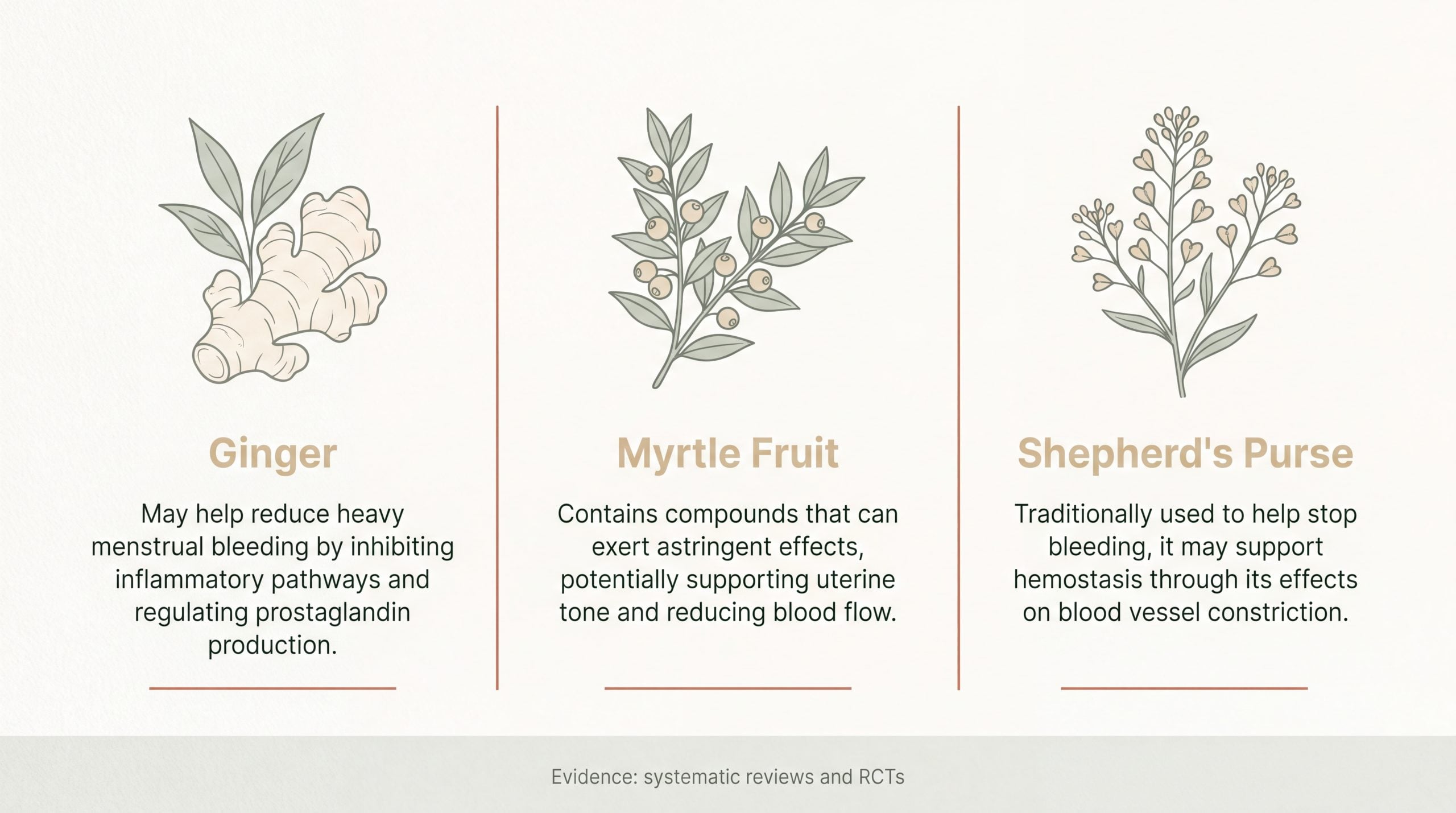
In reviewing the peer-reviewed literature, our editorial team found that a small but growing body of controlled research has examined herbs traditionally used to support a lighter, more comfortable menstrual flow. The most-studied candidates are ginger and myrtle fruit.
A systematic review of herbal medicines in idiopathic heavy menstrual bleeding reported that ginger capsules and myrtle fruit syrup were each associated with reduced menstrual duration and lower measured blood loss compared with placebo across the included trials (Javan et al., 2016, Phytotherapy Research, PMID: 27397554). A separate randomized, placebo-controlled trial found that a combination of ginger and frankincense (Boswellia serrata) was associated with reduced menstrual blood loss over successive cycles (Moradi et al., 2019, Complementary Therapies in Medicine, PMID: 30670277).
A more recent systematic review and meta-analysis of randomized controlled trials examined flavonoid-rich herbal preparations for idiopathic heavy menstrual bleeding and reported a measurable reduction in blood loss, while noting that trial sizes remain modest (PMID: PMC13120872). An earlier clinical synopsis reached a similar conclusion, pairing herbal and nutritional approaches with conventional management (PMC2077876).
Taken together, the evidence is promising but preliminary. These studies describe herbs that may help support a lighter flow for some people – they are not a substitute for medical evaluation of the underlying cause. For a fuller overview of when heavy bleeding needs clinical care, the resource from Health.com on managing heavy periods is a useful starting point.
Top Herbs for Reducing Heavy Menstrual Bleeding
This section reviews herbs traditionally used for heavy bleeding, presenting available scientific evidence and important safety considerations. Always consult a healthcare professional before using any herbal remedy, especially if you have underlying health conditions, take medications, or are pregnant or breastfeeding. It is essential to receive their consent to the use of these herbs.
Yarrow (Achillea millefolium)
Yarrow has a long history of use for wound healing and stopping bleeding. Its potential mechanism of action involves its tannin content. Tannins are astringent compounds that can constrict blood vessels and tissues, potentially reducing blood flow.
- Evidence: While extensive clinical trials on yarrow for menorrhagia are lacking, some studies suggest its potential. A study on the topical use of yarrow showed its effectiveness in wound healing, which supports its traditional use for controlling bleeding. Further research is needed to examine Yarrow’s effect.
- Dosage:
- Tea: 1-2 teaspoons of dried herb per cup of boiling water, steeped for 10-15 minutes, up to 3 times daily.
- Tincture: 2-4 mL (approximately 1/2 to 1 teaspoon), three times daily.
- Capsules: Follow product-specific instructions, typically around 300-500mg per dose, three times daily.
- Safety: Yarrow is generally considered safe for short-term use. However, it can cause allergic reactions in some individuals, particularly those with sensitivities to the Asteraceae (daisy) family. Avoid use during pregnancy, as it may act as a uterine stimulant.
Shepherd’s Purse (Capsella bursa-pastoris)
Shepherd’s Purse is another herb with a traditional reputation for stopping bleeding, including heavy menstrual flow. It’s believed to work by constricting blood vessels.
- Evidence: Research on Shepherd’s Purse is limited. Some in vitro studies suggest it may have vasoconstrictive properties, but human clinical trials specifically on menorrhagia are needed.
- Dosage:
- Tea: 1-2 teaspoons of dried herb per cup of boiling water, steeped for 10-15 minutes, up to 3 times daily.
- Tincture: 1-4 mL, three times daily.
- Capsules: Follow product instructions, typically 400-500mg per dose, three times a day.
- Safety: Generally considered safe when used appropriately. Avoid during pregnancy and breastfeeding. May interact with blood-thinning medications.
Ginger (Zingiber officinale)
Ginger is well-known for its anti-inflammatory properties and is widely used to help ease menstrual cramps. It also carries the strongest modern clinical evidence of any herb on this list for flow itself: in a randomized, placebo-controlled trial, ginger – used alongside frankincense – was associated with reduced menstrual blood loss over successive cycles (Moradi et al., 2019, Complementary Therapies in Medicine, PMID: 30670277), and it was one of two herbs flagged in a broader systematic review for reducing menstrual duration and blood loss (PMID: 27397554). Its proposed mechanism is the inhibition of prostaglandin synthesis, the same pathway involved in both cramping and heavier flow. Ginger may help support a lighter, more comfortable period when taken during the first days of the cycle.
- Evidence: A double-blind, randomized, placebo-controlled clinical trial found that ginger capsules (250mg, three times daily) significantly reduced the duration and amount of menstrual bleeding compared to placebo in high school-aged girls. The study suggests ginger may affect prostaglandin synthesis.
- Dosage:
- Capsules: 250-500mg, 3-4 times daily.
- Tea: Made from fresh ginger (1-2 inch piece, sliced or grated) or dried ginger root (1-2 teaspoons), steeped in boiling water for 10-15 minutes. Drink up to 3 cups daily.
- Tincture: 1-2 mL, three times per day.
- Safety: Ginger is generally safe, but high doses may cause mild gastrointestinal upset. Use caution if taking blood thinners.
Myrtle Fruit (Myrtus communis)
Myrtle fruit is less familiar in Western kitchens but carries some of the most specific clinical evidence of any herb discussed here. In the systematic review of herbal medicines for idiopathic heavy menstrual bleeding, myrtle fruit syrup was one of two preparations associated with reduced menstrual duration and blood loss versus placebo (Javan et al., 2016, Phytotherapy Research, PMID: 27397554).
The fruit is rich in tannins and myrtle-specific phenolic compounds studied for their astringent, tissue-toning properties. As with every herb on this page, the trials remain small, and myrtle should be viewed as an evidence-supported option that may help support a lighter flow rather than a guaranteed result. It is typically taken as a standardized syrup or extract during the first days of the cycle.
Vitex (Chasteberry, Vitex agnus-castus)
Vitex is primarily used to regulate hormonal imbalances, particularly those related to the menstrual cycle and PMS. While not directly a “bleeding stopper,” it can be helpful for menorrhagia caused by hormonal irregularities.
- Evidence: Studies have shown that supplements can help regulate hormones. Vitex is believed to work by influencing the pituitary gland, which in turn affects the production of estrogen and progesterone.
- Dosage:
- Standardized Extract (Capsules/Tablets): The dosage varies depending on the standardization. Look for products standardized to 0.5-1% agnuside or 0.6-1.2% aucubin. Common dosages range from 160-240 mg per day, taken in a single dose in the morning. It’s often recommended to take Vitex for at least 3 months to see full effects.
- Tincture: 2-4 mL, three times per day.
- Safety: Vitex is generally well-tolerated, but mild side effects like headache or digestive upset can occur. It may interact with hormonal medications, including birth control pills.
Nettle Leaf (Urtica dioica)
Nettle leaf is a nutritive herb rich in iron, vitamins, and minerals. While not directly reducing bleeding, it can help address iron deficiency associated with heavy blood loss.
- Evidence: Nettle’s high iron content is well-documented. Replenishing iron stores is crucial for preventing or treating anemia caused by menorrhagia.
- Dosage:
- Tea: 1-2 tablespoons of dried leaf per cup of boiling water, steeped for 10-20 minutes, up to 3 cups daily.
- Tincture: 2-5 mL, three times daily.
- Capsules: Follow product instructions, often 400-600mg per dose, three times a day.
- Safety: Generally safe, but may cause mild stomach upset. Handle fresh nettle plants with caution, as they have stinging hairs.
Red Raspberry Leaf (Rubus idaeus)
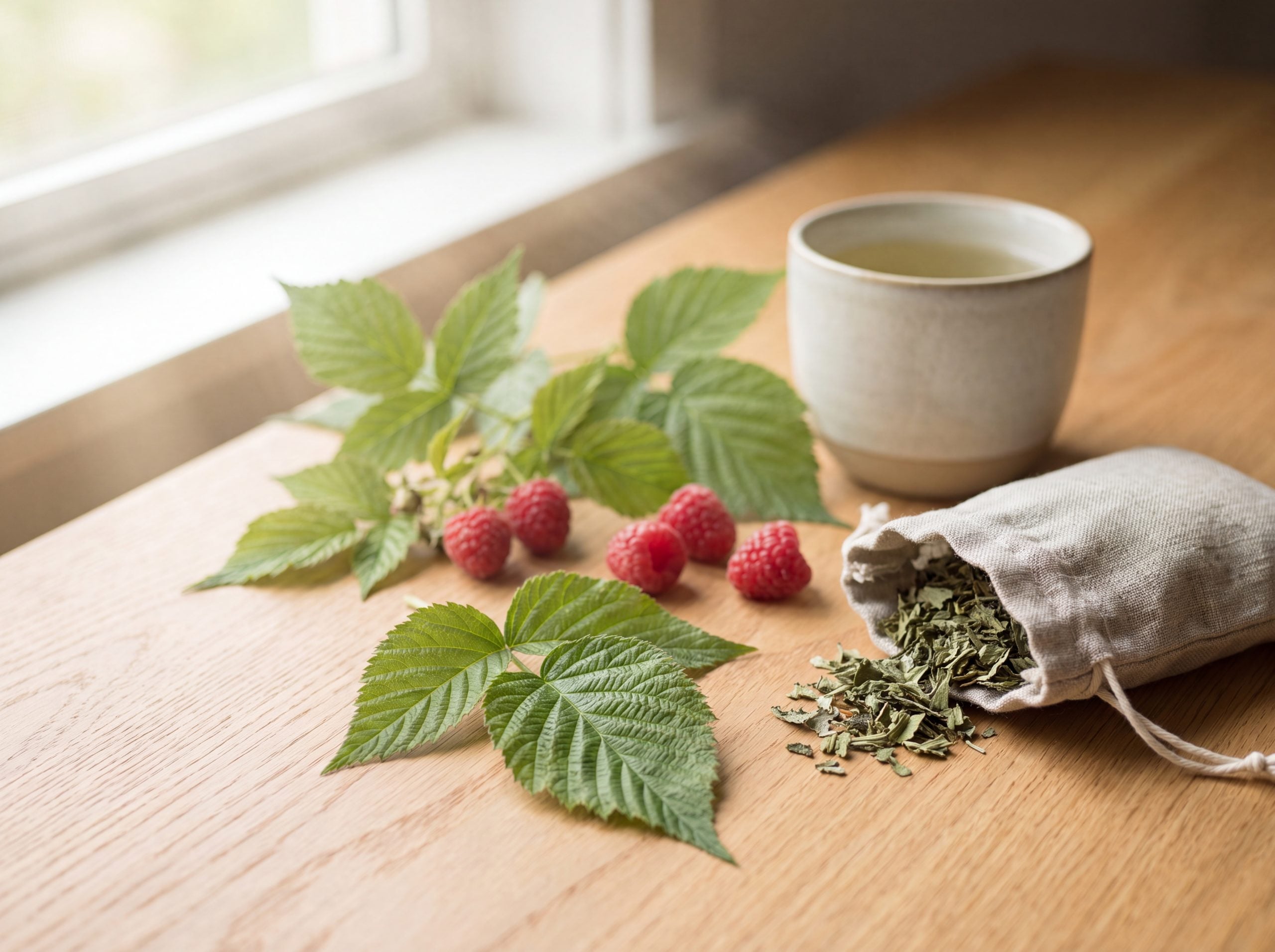
Red raspberry leaf is one of the most widely used uterine tonic herbs in Western herbalism. Rather than acting as a fast astringent the way shepherd’s purse or yarrow do, it is traditionally taken over time as a tea to tone the uterine muscle. In our sourcing experience, it is most often chosen by people looking to support a more regular, better-managed cycle rather than for acute flow control.
The leaf contains fragarine, an alkaloid associated with toning the muscles of the pelvic region, alongside tannins and a notable level of iron, vitamin C, and B-vitamins. Because heavy cycles can deplete iron, the nutrient profile is part of why it appears so often in traditional formulas for people with heavy periods. Evidence here is largely traditional rather than trial-based, so it is best viewed as a gentle, long-term supportive herb that may help support cycle regularity over several months.
Lady’s Mantle (Alchemilla vulgaris)
Lady’s Mantle has a traditional use in treating menstrual disorders, including heavy bleeding. It’s believed to have astringent properties.
- Evidence: Limited scientific research is available specifically on Lady’s Mantle for menorrhagia. Its astringent properties, due to tannins, may contribute to its traditional use.
- Dosage:
- Tea: 1-2 teaspoons of dried herb per cup of boiling water, steeped for 10-15 minutes, up to 3 cups daily.
- Tincture: 2-4 mL, three times daily.
- Capsules: Follow product-specific instructions.
- Safety: Generally considered safe, but avoid during pregnancy and breastfeeding due to lack of safety data.
Cinnamon (Cinnamomum species)
Cinnamon is used for flavor, but it has shown some benefits in reducing menstrual flow.
- Evidence: Some research shows it helps reduce bleeding, pain, nausea, and vomiting with primary dysmenorrhea.
- Dosage:
- Capsules/Tablets: Commonly 500mg to 1g, two to three times daily.
- Tea: Simmer 1-2 cinnamon sticks, or 1 teaspoon of ground cinnamon powder in 8 oz hot water, and take up to three times daily.
- Safety: Generally safe, avoid if pregnant.
Cranesbill (Geranium maculatum)
Cranesbill, also known as wild geranium or alum root, has been used for centuries for many different medicinal uses.
- Evidence: Cranesbill contains tannins which are known for reducing bleeding and inflammation.
- Dosage:
- Tincture: 1-4 mL three times a day.
- Safety: Generally safe, avoid if pregnant.
Sage (Salvia officinalis)
Sage is a herb used for many medicinal purposes, and some evidence supports that it helps with menstrual problems.
- Evidence: Some research shows sage helps with hot flashes and menopausal symptoms, but not heavy periods.
- Dosage:
- Tea: 1 teaspoon of dried sage leaf per cup of boiling water, steeped for 5-10 minutes, up to 3 cups daily.
- Safety: Generally safe, avoid if pregnant.
Chamomile (Matricaria chamomilla)
Chamomile is mostly known for its calming effects and is used in complementary medicine.
- Evidence: Some research shows chamomile can help relieve PMS.
- Dosage:
- Tea: 1-2 teaspoons or 1 tea bag per cup of hot water, steep for 10 minutes, up to 4 times a day.
- Safety: Can cause a reaction if allergic.
Dong Quai (Angelica sinensis)
This is a staple herb used for hormonal imbalances.
- Evidence: Not sufficient research.
- Dosage:
- Tincture: 2-4 mL, three times daily.
- Capsules/Tablets: Follow product-specific instructions, typically 500-600mg per dose, three times daily.
- Safety: Avoid during pregnancy and breastfeeding. May interact with blood-thinning medications.
In Traditional Chinese Medicine, Dong Quai – often called “female ginseng” – is almost never used alone for bleeding. It appears within tailored formulas alongside herbs such as white peony root (Paeonia lactiflora, Bai Shao), and TCM practitioners match the formula to the individual’s pattern rather than treating heavy bleeding as a single condition. This is why Dong Quai is best approached through a qualified practitioner rather than self-prescribed for flow control.
Ashoka (Saraca asoca)
Ashoka is a traditional Ayurvedic herb often used to support female reproductive health.
- Evidence: Limited modern scientific research is available to confirm these traditional uses.
- Dosage:
- Powder: 3-6 grams per day, divided into two or three doses.
- Decoction: Prepare by boiling 1-2 teaspoons of the bark in 2 cups of water until reduced to 1/2 cup. Take 1/4 to 1/2 cup twice daily.
- Safety: Generally considered safe when used appropriately, but it’s best to avoid use during pregnancy and breastfeeding due to a lack of safety data.
Lodhra (Symplocos racemosa)
Lodhra is another Ayurvedic herb traditionally used to manage excessive bleeding.
- Evidence: Scientific research is limited, though some studies suggest it may have anti-inflammatory and hemostatic properties.
- Dosage:
- Powder: 3-6 grams per day, divided into two or three doses.
- Safety: Considered safe when used as directed, but avoid use during pregnancy and breastfeeding.
Nagkesar (Mesua ferrea)
Nagkesar is used in Ayurvedic medicine for its purported hemostatic properties.
- Evidence: There is limited scientific evidence to support its use for heavy menstrual bleeding specifically.
- Dosage:
- Powder: 1-3 grams per day, divided into two or three doses.
- Safety: Generally considered safe, but avoid during pregnancy and breastfeeding.
Amla (Phyllanthus emblica)
Amla, also known as Indian Gooseberry, is known for many health benefits.
- Evidence: Is an antioxidant.
- Dosage:
- Powder: 1-3 grams per day, divided into two or three doses.
- Safety: Generally considered safe, but avoid during pregnancy and breastfeeding.
A Holistic Approach: Lifestyle Factors
Managing heavy menstrual bleeding often requires a multi-faceted approach. In addition to potential herbal remedies, consider the following lifestyle factors:
- Diet:
- Iron-rich foods: Prioritize foods like lean red meat, poultry, fish, beans, lentils, spinach, and fortified cereals to replenish iron stores.
- Vitamin C-rich foods: Include citrus fruits, berries, tomatoes, and peppers to enhance iron absorption.
- Hydration: Drink plenty of water to maintain blood volume and overall health.
- Avoid: Processed foods, excessive caffeine, and alcohol.
- Stress Management: Chronic stress can disrupt hormonal balance. Practice relaxation techniques like yoga, meditation, deep breathing exercises, or spending time in nature.
- Exercise: Regular, moderate exercise can promote overall health and hormonal balance. However, avoid strenuous activity during heavy bleeding days.
- Weight Management: Maintaining a healthy weight can contribute to regular menstrual cycles. Both obesity and being underweight can affect hormonal balance.
Rebuilding Iron After Heavy Cycles
Heavy periods are one of the most common reasons for low iron, and running low on iron can leave you tired, foggy, and short of breath – which in turn makes a heavy cycle feel even harder to manage. Supporting your iron stores is a practical, evidence-based part of the picture that is easy to overlook.
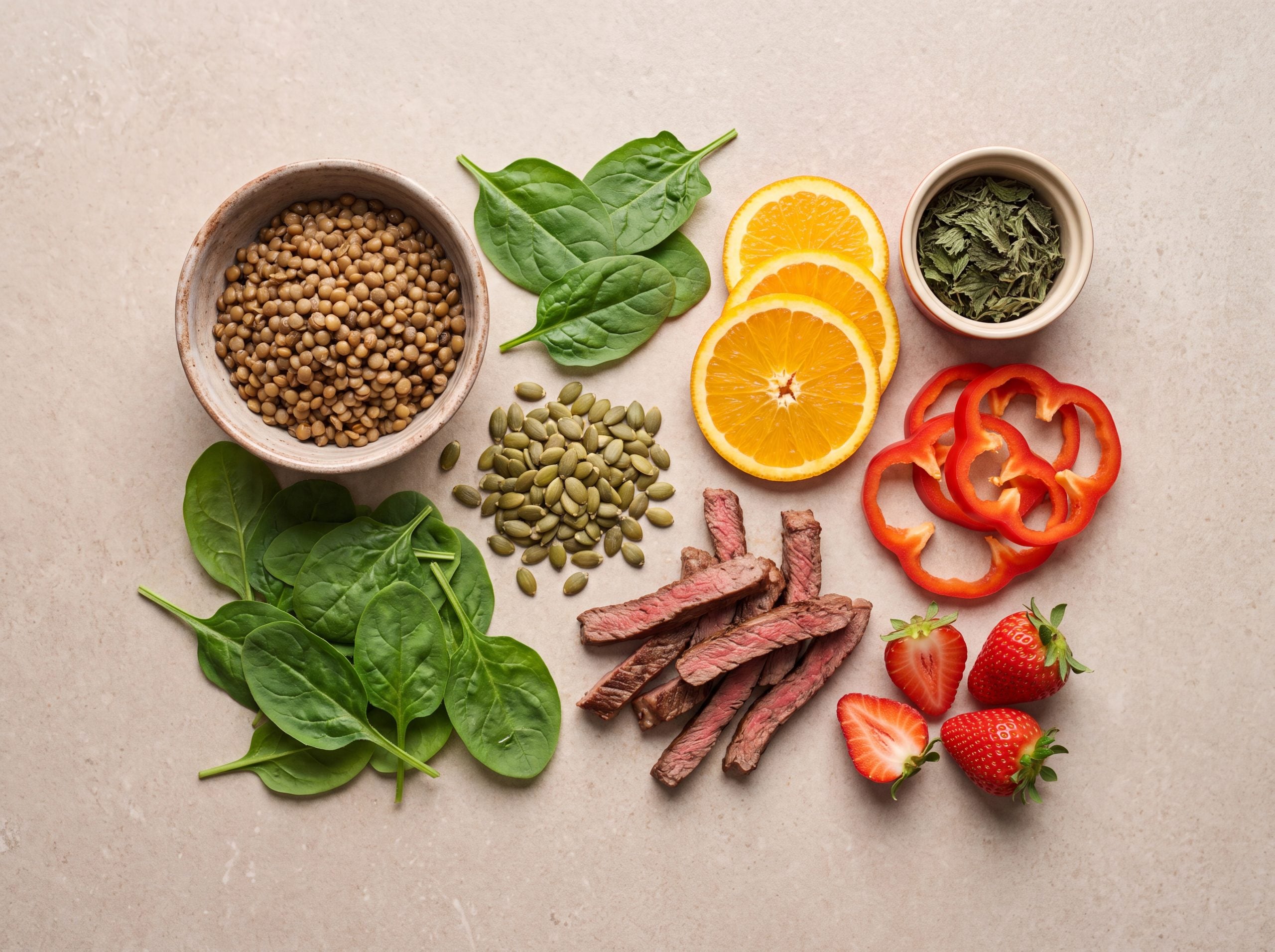
According to the NIH Office of Dietary Supplements iron fact sheet, the body absorbs iron from food more efficiently when it is paired with vitamin C. In practice that means combining iron-rich foods – red meat, liver, shellfish, lentils, spinach, and pumpkin seeds – with a vitamin-C source such as citrus, bell pepper, or berries at the same meal. Iron-rich herbs like nettle leaf are traditionally used for the same reason. If you suspect your iron is low, a simple blood test from your provider can confirm it before you begin supplementing.
Choosing Quality Herbal Products
The quality and effectiveness of herbal products can vary significantly. To ensure safety and efficacy:
- Research Reputable Brands: Look for companies with a strong reputation for quality control and ethical sourcing.
- Check for Certifications: Look for certifications like Good Manufacturing Practices (GMP) or organic certifications (e.g., USDA Organic).
- Read Labels Carefully: Examine the ingredient list for the specific herb(s), dosage, and any added ingredients.
- Consult with a Healthcare Provider or Herbalist: Get personalized recommendations on appropriate products and dosages.
Using Herbs Safely and Effectively
- Start with the Recommended Dosage: Carefully follow the dosage instructions on the product label or as advised by a healthcare professional.
- Consistency is Key: For many herbs, consistent use over time is necessary to see noticeable effects. This is particularly true for herbs that work by regulating hormones (like Vitex).
- Monitor Your Body’s Response: Pay attention to any changes in your menstrual cycle, symptoms, or overall well-being.
- Be Aware of Potential Side Effects and Interactions: Research each herb thoroughly and discuss potential interactions with any medications you are taking.
- Strategic Combinations: Seek expert advice if combining multiple herbs.
A few interactions are worth calling out specifically. Herbs with astringent or circulatory activity can interact with anticoagulant medications such as warfarin and with NSAIDs like ibuprofen, and hormone-active herbs can interact with hormonal contraceptives. Because heavy or sudden bleeding can signal an underlying condition, use the practical red-flag rule that clinicians apply: bleeding that soaks through one or more pads or tampons every hour for several consecutive hours, passing clots larger than a quarter, or symptoms like dizziness, fainting, or breathlessness all mean it is time to seek medical care rather than reach for another herb.
Herbs and Supplements to Use With Caution
Not every popular herb is a good match for a heavy cycle, and some can work against you. Understanding what to avoid is as important as knowing what to reach for.
- Blood-moving and circulatory herbs: Herbs traditionally used to stimulate circulation, such as high-dose ginkgo or concentrated garlic preparations, may not be ideal during an already-heavy flow. Stanford Medicine maintains a reference list of herbs and supplements that can affect bleeding, which is a helpful cross-check before combining remedies.
- Herbs that influence hormones: Black cohosh and other strongly estrogenic or hormone-active herbs are sometimes taken for menstrual complaints, but their effect on flow is unpredictable and they are best used only under professional guidance.
- Anything alongside blood thinners or NSAIDs: Several of the herbs on this page can interact with anticoagulant medications (such as warfarin), with NSAIDs like ibuprofen, or with hormonal contraceptives. If you take any of these, talk with your healthcare provider before adding an herb.
Persistent heavy bleeding can have an underlying cause – fibroids, thyroid imbalance, or a clotting issue among them – that herbs alone will not resolve. If your bleeding soaks through a pad or tampon every hour for several hours, or you feel dizzy or short of breath, treat it as a reason to seek care rather than something to manage with herbs.
By integrating evidence-based herbal approaches with a healthy lifestyle and regular medical care, women experiencing heavy menstrual bleeding can find significant relief and improve their overall well-being. Always prioritize open communication with your healthcare provider to create a safe and effective management plan.
These statements have not been evaluated by the Food and Drug Administration. This product is not intended to diagnose, treat, cure, or prevent any disease. Consult your healthcare provider before use.