Key Takeaways
- Herbs for liver support work through specific compounds, silymarin from milk thistle, cynarine from artichoke, and curcuminoids from turmeric, each acting on hepatocyte membranes, bile flow, or oxidative stress pathways.
- The strongest evidence base sits with milk thistle (Silybum marianum), which holds an EMA traditional-use monograph for supporting liver function based on more than 30 years of documented herbal use.
- Not every herb labeled a liver herb is safe; kava, comfrey, germander, and high-dose green tea extract have all been linked to drug-induced liver injury in case reports and CDC surveillance data.
- Liver-supporting herbs work best as a complement to the foundations of liver health, sleep, hydration, limiting alcohol, and managing metabolic risk factors for fatty liver disease and MASLD.
- Quality and sourcing matter more for liver herbs than for almost any other herbal category, because adulteration and pyrrolizidine alkaloid contamination can convert a hepatoprotective herb into a hepatotoxic one.
Herbs for liver support occupy a category where traditional herbalism, modern clinical research, and regulatory recognition genuinely overlap. From our hands-on assessment of the herbal liver category over the past decade, the conversation has matured well beyond generic detox claims. Silymarin from milk thistle now appears in randomized controlled trials for non-alcoholic fatty liver disease. Berberine is under active investigation for non-alcoholic steatohepatitis-derived hepatocellular carcinoma. Ayurvedic and Traditional Chinese Medicine practitioners have used the same herbs, milk thistle, dandelion root, turmeric, schisandra, artichoke, burdock, licorice, ginger, and green tea, for centuries to address what modern medicine now describes as oxidative stress, lipid peroxidation, and cytochrome P450 dysregulation in the liver.
This guide is the result of our editorial team’s review of the primary research, the EMA herbal monographs, the NIH NCCIH safety bulletins, and the practical experience of our sourcing partners across India, Europe, and Appalachian North America. We have organized it the way a careful patient or practitioner would want to read it. We start with what the liver actually does and how an herb can support it. We profile each major liver-supportive herb with its constituent chemistry, mechanism, evidence base, and traditional context. We address the herbs that damage the liver as honestly as the herbs that help it. We close with practical dosing, preparation, and quality-sourcing notes that any reader can apply.
What it means to support the liver with herbs
Herbal liver support is not a single mechanism. It is a family of related actions that different herbs perform on different parts of the hepatic system. The four most established mechanisms in the herbs for liver support category are hepatoprotection, choleretic and cholagogue activity, anti-inflammatory action on hepatocytes, and antioxidant scavenging of reactive oxygen species in the liver tissue.
Hepatoprotection
Hepatoprotection means protecting hepatocytes (the parenchymal cells of the liver) from chemical, oxidative, or immune-mediated damage. Silymarin from milk thistle is the most-studied hepatoprotective compound in the herbs for liver support category. A network pharmacology analysis from Freie Universität Berlin identified 11 primary active components in Silybum marianum, 92 candidate gene targets, and 30 core hepatoprotective gene targets, including IL-6, MAPK1, Caspase 3, p53, and VEGFA. This level of mechanistic mapping is rare in the herbal world and explains why silymarin keeps appearing in clinical trials decades after its first identification.
Choleretic and cholagogue actions for bile flow
Choleretic herbs increase bile production by the liver. Cholagogue herbs increase bile expulsion from the gallbladder. Artichoke leaf (Cynara scolymus), dandelion root (Taraxacum officinale), and burdock root (Arctium lappa) all act in this category. The bitter principles in these herbs, including cynarine in artichoke and taraxacin in dandelion, stimulate bile secretion through hepatobiliary reflex pathways. Healthy bile flow matters because it is one of the liver’s primary excretion routes for fat-soluble waste products. When bile flow stalls, fat-soluble toxins accumulate in the hepatic system.
Anti-inflammatory action on hepatocytes
Curcumin from turmeric (Curcuma longa) and the silymarin complex from milk thistle both downregulate the NF-kB inflammatory cascade in hepatocytes. Curcumin specifically inhibits cyclooxygenase (COX) and lipoxygenase (LOX) pathways, as documented by Rao (2007) in Advances in Experimental Medicine and Biology (PMID: 17569213). For patients with chronic low-grade hepatic inflammation, including the inflammation of MASLD and the early stages of metabolic dysfunction-associated steatohepatitis (MASH, formerly NASH), an herbal anti-inflammatory load can reduce the secondary damage that accumulates from inflammation itself.
Antioxidant scavenging of liver tissue
The liver generates a large volume of reactive oxygen species during normal metabolism, especially during phase I cytochrome P450 reactions. Antioxidant herbs supply polyphenols, catechins, flavonolignans, and other reducing compounds that neutralize these species before they cause lipid peroxidation in hepatocyte membranes. Green tea catechins (especially EGCG), curcumin, silymarin, and the schizandrin lignans of schisandra all act in this category. The dose matters. Below threshold, no antioxidant effect. Far above threshold, especially for green tea extract, the herb itself becomes hepatotoxic. We address that nuance in the safety section.
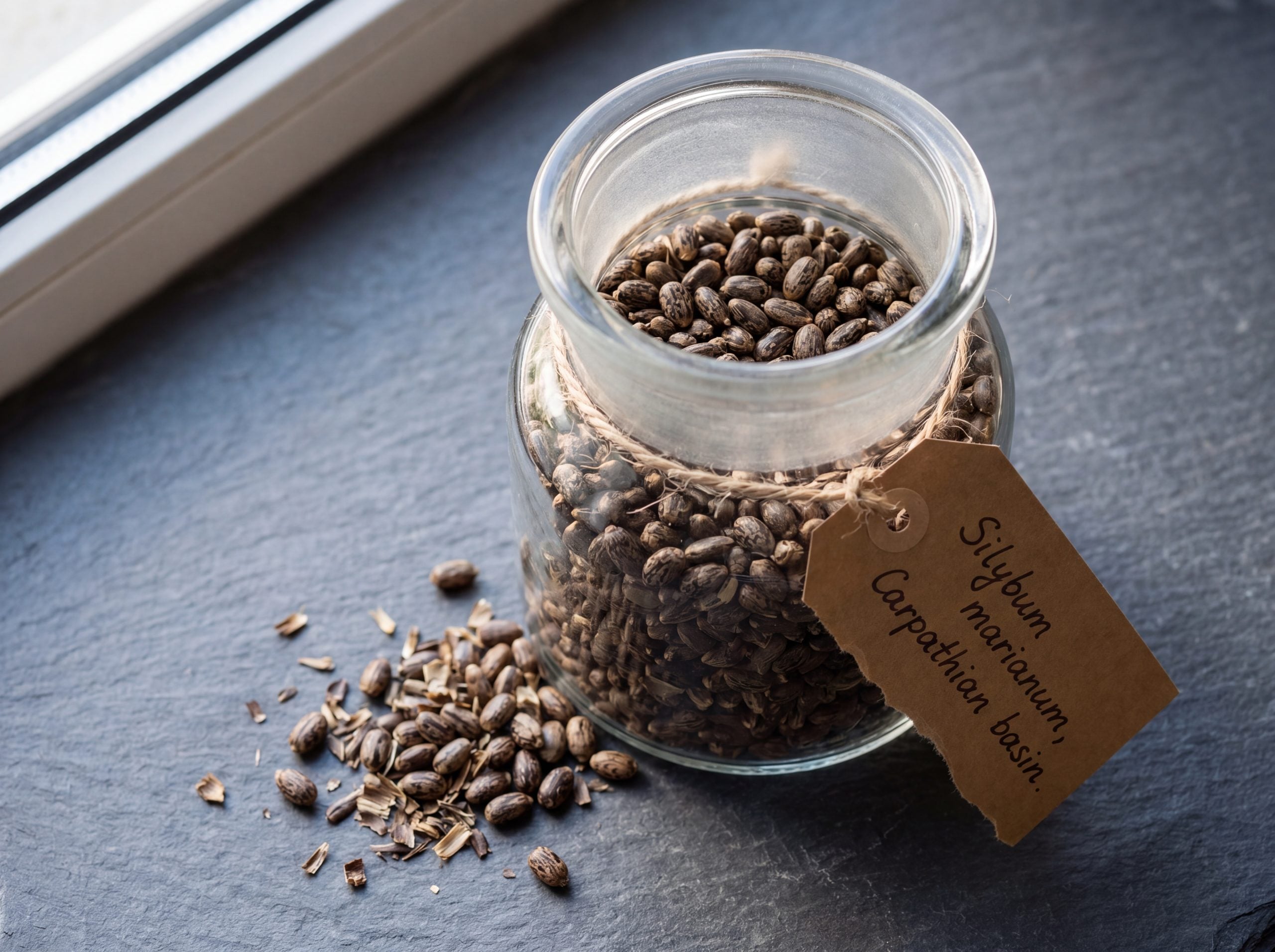
Milk thistle (Silybum marianum), the most-researched liver herb
Milk thistle is the herb most consumers and clinicians associate with liver support, and that association is well-earned. Silybum marianum is a Mediterranean and North African native from the Asteraceae family, traditionally used in European herbalism for at least two thousand years. The seeds contain a complex of flavonolignans called silymarin, with silybin (also spelled silibinin) as the most active component. The European Medicines Agency has issued a formal traditional-use herbal monograph for Silybi mariani fructus (the milk thistle fruit), recognizing its use to support liver function based on more than thirty years of documented traditional use in Europe.
The mechanism of silymarin
Silymarin acts on hepatocytes through several documented mechanisms. It stabilizes the hepatocyte cell membrane against penetration by hepatotoxins, including the amatoxins of Amanita phalloides death cap mushrooms. It scavenges free radicals and reactive oxygen species, reducing lipid peroxidation in liver tissue. It promotes ribosomal protein synthesis in hepatocytes, supporting the regeneration of liver cells after injury. And it modulates several inflammatory pathways, including downregulation of NF-kB. The 2001 Drugs review on silymarin treatment of liver diseases consolidated this mechanistic picture into a clinical context (PMID: 11735632).
The clinical evidence base
A 2020 narrative review in Advances in Therapy summarized the clinical use of silymarin as supportive treatment in liver diseases, including alcoholic liver disease, NAFLD/MASLD, drug-induced liver injury, and chronic hepatitis (PMID: 32065376). A 2024 systematic review and meta-analysis of silymarin in NAFLD/NASH patients found consistent improvements in serum ALT and AST levels across pooled trials (PMID: 38579127). An 8-week randomized controlled trial in bariatric surgery candidates documented improved ultrasound fatty liver grade with milk thistle powder supplementation. The body of evidence is not perfect, with heterogeneity across trial designs and silymarin formulations, but it is substantially stronger than the evidence base for any other herb in the liver support category.
Traditional use across systems
Milk thistle’s traditional use in European herbalism focused on liver, spleen, and gallbladder complaints, with Pliny the Elder describing it in the first century. The plant moved into Ayurvedic and Unani materia medica through later trade routes, and it remains one of the few European herbs with formal pharmacopoeial status in the European Union. The American Botanical Council’s Expanded Commission E monograph documents its clinical applications in detail.
Practical formulation notes
Silymarin content varies dramatically across milk thistle preparations. Whole seed powder typically delivers 1 to 4 percent silymarin by weight. Standardized extracts deliver 70 to 80 percent silymarin. Clinical trial dosing has typically used 140 to 420 milligrams of silymarin per day, divided into two or three doses. Bioavailability is poor without phospholipid complexation or oil-based delivery, which is why some practitioners prefer phytosome formulations or recommend taking milk thistle with a meal containing fat. In our sourcing experience, the greatest variability across milk thistle products on the market is not in the silymarin label claim but in the actual silymarin content tested by independent laboratories.
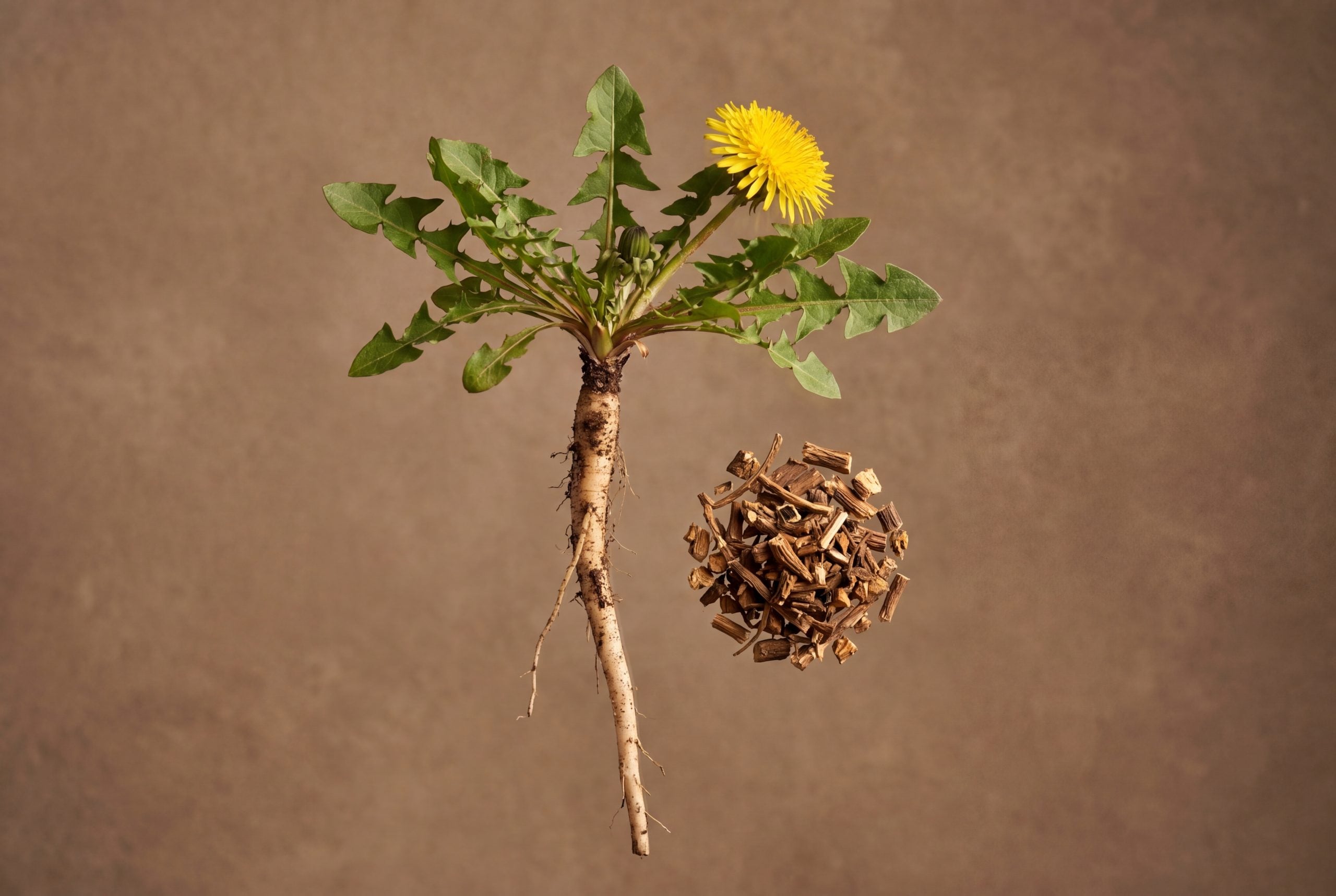
Dandelion root (Taraxacum officinale), bitter herbs for bile flow
Dandelion root has been used as a liver and digestive herb across European, Middle Eastern, and Chinese herbal traditions. Taraxacum officinale belongs to the Asteraceae family, like milk thistle and artichoke, which is no coincidence. Asteraceae roots are unusually rich in bitter sesquiterpene lactones, and bitterness is the sensory signal of the compounds that trigger bile production in the liver and bile expulsion from the gallbladder.
Taraxacin and the bitter principle
The active bitter compound in dandelion root is taraxacin. Taste a small piece of fresh dandelion root and the bitterness is immediate and persistent. That bitterness, sensed in the mouth, triggers a cephalic-phase response that increases bile production in the liver and prepares the digestive tract for fat metabolism. Pharmacologically, dandelion root has been documented as a choleretic and a mild diuretic, supporting both biliary flow and renal clearance of water-soluble waste products.
Where dandelion fits in the herbs for liver support category
Dandelion root does not have the silymarin-grade clinical trial portfolio of milk thistle, but it has a reasonable mechanistic basis and a long traditional record. In our editorial team’s review of European, Ayurvedic, and TCM uses, dandelion root appears most consistently as a supportive bitter for sluggish bile flow and digestive heaviness after fatty meals. The roasted root, prepared as a coffee substitute, was used historically across Europe and remains common in herbal liver-support tea blends. Our companion guide to liver-supporting herbal tea blends covers preparation methods in detail.
Practical preparation
Dandelion root is most commonly prepared as a decoction (simmered in water for 20 to 30 minutes, because roots release their compounds through heat extraction rather than infusion) or as a 1:5 alcohol tincture. Typical traditional dosing has been 2 to 8 grams of dried root per day, or 2 to 5 milliliters of tincture three times daily. The roasted root has been used as a daily beverage in northern European traditions, where bitter foods historically anchored mealtimes.
Turmeric (Curcuma longa) and curcumin for hepatic support
Turmeric is a Zingiberaceae rhizome native to South and Southeast Asia, with documented use in Ayurveda for at least three thousand years. Curcuma longa contains a family of curcuminoid compounds, the most-studied being curcumin (diferuloylmethane). Curcumin’s anti-inflammatory and antioxidant actions have been documented in hundreds of studies, and the herb appears in the herbs for liver support category through several distinct pathways.
Curcumin’s hepatic mechanisms
Curcumin downregulates the NF-kB inflammatory cascade in hepatocytes, reduces lipid peroxidation through direct antioxidant action, and inhibits cyclooxygenase and lipoxygenase enzymes (PMID: 17569213). In MASLD and MASH patients, curcumin supplementation has been shown to improve hepatic steatosis grade in several randomized trials. A 2020 randomized controlled trial in Phytotherapy Research documented improved disease severity markers in liver cirrhosis patients given curcumin (PMID: 32017253).
The bioavailability problem
Curcumin’s clinical effectiveness is limited by poor oral bioavailability. Plain turmeric powder delivers a small fraction of its curcumin to systemic circulation. Several formulation approaches address this. Black pepper (Piper nigrum) supplies piperine, which inhibits curcumin’s hepatic glucuronidation and increases bioavailability significantly. Phospholipid complexation (Meriva, BCM-95) raises absorption further. Oil-based delivery, including the traditional Ayurvedic preparation of turmeric milk with ghee or coconut oil, also improves uptake. In our sourcing experience, single-ingredient turmeric powder taken without fat or piperine delivers far less clinical effect than the same dose in a piperine-enhanced or phospholipid formulation.
Traditional Ayurvedic context
In Ayurveda, turmeric (haridra) is classified as a tridoshic herb, with affinity for the liver, digestive system, and skin. Its hepatic application has been formalized in modern Ayurvedic monographs and remains a foundation herb in formulations addressing hepatic congestion, sluggish digestion, and inflammation. The cross-cultural overlap between Ayurvedic, modern clinical, and Western herbalist use of turmeric is one of the cleanest examples of traditional and biomedical alignment in the herbal world.
Artichoke leaf (Cynara scolymus), a clinically documented choleretic
Artichoke is the third Asteraceae family member in the major herbs for liver support category, alongside milk thistle and dandelion. The edible flower head is what most consumers know, but the medicinal preparations come from the leaf. Cynara scolymus contains cynarine, chlorogenic acid, and a complex of polyphenols and bitter compounds.
Cynarine and bile flow
Artichoke leaf extract has documented choleretic action, increasing bile production in the liver. Several randomized trials have shown improvement in dyspepsia symptoms (postprandial heaviness, nausea, and bloating after fatty meals) with standardized artichoke leaf extract, and these symptoms are commonly downstream of sluggish bile flow. The herb has also shown lipid-lowering effects in some trials, with reductions in total cholesterol and LDL-cholesterol over multi-week courses.
Practical use
Standardized artichoke leaf extracts deliver between 2.5 and 15 percent caffeoylquinic acids (the marker compound class). Typical clinical dosing has been 320 to 640 milligrams of standardized extract one to three times daily, taken before meals. Tinctures are also widely used, particularly in European herbalism, at 2 to 5 milliliters three times daily.
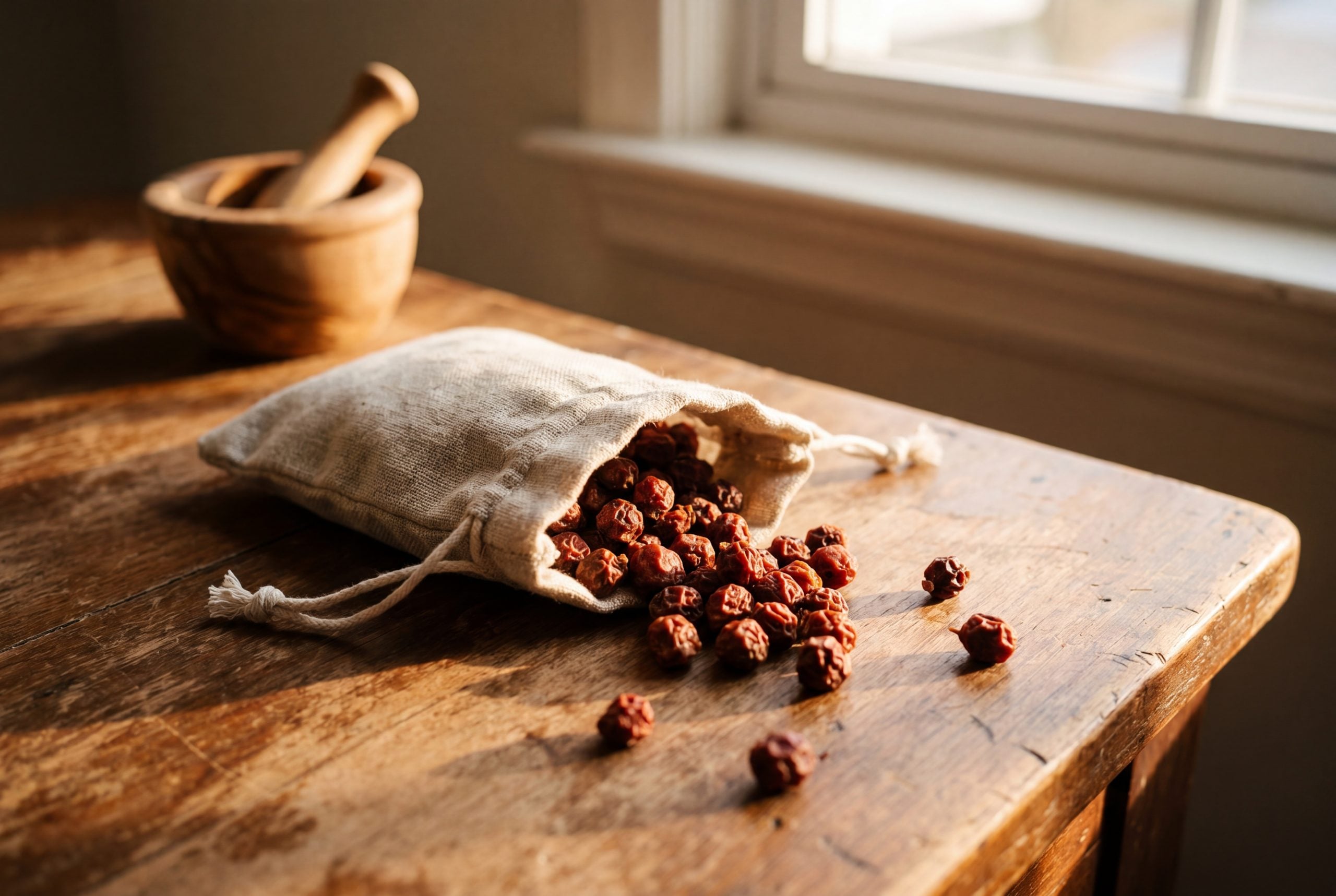
Schisandra berry (Schisandra chinensis), the TCM five-flavor liver herb
Schisandra is a Magnoliaceae vine native to northeastern China, the Russian Far East, and Korea. The dried berries are called wu wei zi in Traditional Chinese Medicine, meaning five-flavor fruit, because they simultaneously express sweet, sour, salty, bitter, and pungent tastes. Schisandra chinensis is one of the more interesting herbs in the herbs for liver support category because it sits at the intersection of TCM hepatic-tonic theory and modern adaptogen pharmacology.
Schizandrin and the lignan family
Schisandra berries contain a family of dibenzocyclooctadiene lignans (schizandrin A, B, and C, plus gomisins and related compounds) that show hepatoprotective action in both animal and human studies. The 2018 Phytotherapy Research review of selected hepatoprotective herbal medicines documented schisandra’s mechanism in detail (PMID: 29047177). The lignans appear to act through phase I cytochrome P450 modulation, antioxidant pathways, and direct support of hepatocyte regeneration after injury.
TCM hepatic context
In TCM theory, schisandra is classified as a herb that astringes essence and quiets the spirit, with affinity for the lung, kidney, and liver meridians. Its modern clinical use in China includes management of chronic hepatitis-related liver enzyme elevations, and it is one of the herbs included in pharmacopoeial-grade formulations for hepatic support across East Asia. Our standalone reference for schisandra preparation methods is available in our schisandra berry profile.
Practical preparation
Schisandra berries are most often prepared as a decoction (the dried berries simmered for 20 to 30 minutes), as an alcohol tincture (the lignans extract well into ethanol), or as a powdered standardized extract. Typical traditional dosing is 1.5 to 6 grams of dried berries per day. The five-flavor profile is intense and not universally pleasant, which is why standardized capsule formats are common for daily use.
Burdock root (Arctium lappa), a gentle hepatic alterative
Burdock is a biennial Asteraceae root used across European, Native American, and East Asian herbal traditions. Arctium lappa is classified in Western herbalism as an alterative, an old category meaning herbs that gradually shift the body’s metabolic and eliminative function over time. The root contains inulin (a prebiotic fiber), arctigenin (a lignan), and a complex of polyphenols.
Where burdock fits
Burdock root has gentler action than the bitter choleretics like dandelion or artichoke, and it does not have the silymarin-grade hepatoprotective evidence base of milk thistle. Its place in the herbs for liver support category is as a long-course supportive herb, often combined with other liver and lymphatic herbs in tonic formulas. The inulin content also supports gut microbiome diversity, and emerging research on the gut-liver axis suggests this may be a relevant secondary mechanism.
Traditional use and preparation
Burdock root has been used historically for skin complaints, sluggish digestion, and chronic inflammatory conditions, all of which traditional herbalists understood as expressions of impaired hepatic function. The root is typically prepared as a decoction (15 to 20 minutes of simmering) at 2 to 6 grams of dried root per day. In Japan, the same root is eaten as gobo, a cultivated culinary vegetable, demonstrating the safety and tolerability profile of long-term dietary use.
Licorice root (Glycyrrhiza glabra) and glycyrrhizin
Licorice root is one of the most-used herbs in both Western and Eastern herbal traditions, with applications spanning respiratory, digestive, endocrine, and hepatic support. Glycyrrhiza glabra contains glycyrrhizin (also called glycyrrhizic acid), a triterpene saponin that is fifty times sweeter than sucrose and has documented anti-inflammatory and antiviral activity.
Glycyrrhizin and the liver
Glycyrrhizin has been investigated as a hepatoprotective compound, particularly in the context of chronic viral hepatitis. In Japan, an intravenous formulation called Stronger Neo-Minophagen C, containing glycyrrhizin, has been used clinically for decades in chronic hepatitis C patients to lower serum ALT and AST levels and reduce the risk of hepatocellular carcinoma progression. Oral licorice formulations have a different bioavailability profile but share the underlying mechanism.
The blood pressure caveat
Glycyrrhizin inhibits the enzyme 11-beta-hydroxysteroid dehydrogenase type 2, which can produce a syndrome of pseudoaldosteronism with sodium retention, potassium loss, and elevated blood pressure. This is real and clinically important. Patients with hypertension, heart disease, kidney disease, or those taking diuretics, corticosteroids, or digoxin should not use unmodified licorice without practitioner supervision. Deglycyrrhizinated licorice (DGL) preparations remove this risk for general use, though they also reduce the systemic anti-inflammatory action that glycyrrhizin provides.
Green tea (Camellia sinensis) and EGCG, where dose matters
Green tea contains a class of polyphenolic catechins, the most-studied being epigallocatechin gallate (EGCG). At dietary intake levels, the catechins in green tea provide antioxidant action across many tissues, including the liver. At supplemental intake levels of concentrated green tea extract, the same compounds become hepatotoxic. This dose-dependent reversal is one of the clearest examples in the herbs for liver support category of why dose, formulation, and duration matter.
Dietary green tea versus extract
Drinking 2 to 4 cups of brewed green tea daily delivers a moderate catechin load with a strong safety record across Asian populations who have consumed green tea daily for centuries. Concentrated green tea extract supplements, particularly fasting-state high-dose preparations marketed for weight loss, have been associated with multiple cases of acute hepatotoxicity. The U.S. Pharmacopeia, the European Food Safety Authority, and the LiverTox database (NCBI Bookshelf NBK548441) have all addressed this.
Practical takeaway
Brewed green tea, taken with food, at 2 to 4 cups per day, is a low-risk component of a liver-supportive routine. Concentrated green tea extract supplements, especially at doses above 800 milligrams of EGCG per day or taken on an empty stomach, are not. We do not stock concentrated green tea extract supplements at our apothecary for this reason.
Ginger (Zingiber officinale) for hepatic and metabolic support
Ginger is most commonly used as a digestive carminative and anti-nausea herb, but it has emerging evidence as a supportive herb for hepatic and metabolic function. A 2016 randomized clinical trial in NAFLD patients documented that ginger supplementation improved liver function markers and inflammation indices over a 12-week course (PMID: 27110262). The active compounds, gingerols and shogaols, have documented anti-inflammatory and antioxidant action.
Practical use
Ginger fits naturally into a liver-supportive routine through both food and herbal preparation. Fresh ginger tea (a 1-inch slice of fresh root in 8 ounces of hot water for 10 minutes), powdered ginger in cooking, and standardized extracts at 1 to 3 grams per day are all documented use forms. Ginger is also one of the cleanest herbs in the category from a sourcing and contamination standpoint, given its global cultivation and short supply chains.
The biochemistry of hepatic detoxification and where supportive herbs intervene
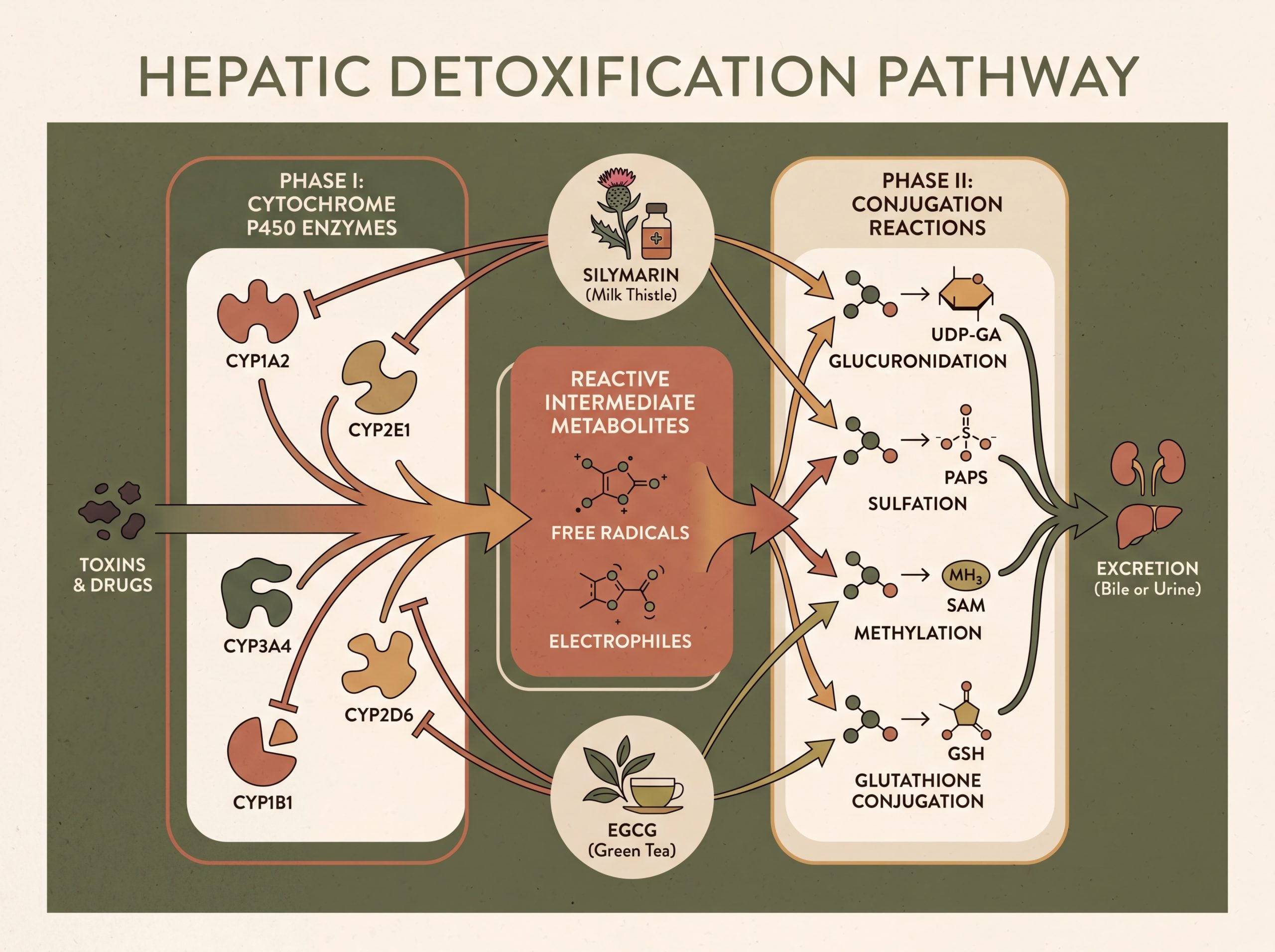
Understanding where herbs for liver support actually act requires understanding what the liver does mechanistically. The liver clears endogenous metabolic waste, environmental toxins, alcohol, prescription medications, and dietary compounds through a two-phase biotransformation system. Phase I involves cytochrome P450 enzymes that oxidize, reduce, or hydrolyze substrates. Phase II involves conjugation reactions, including glucuronidation, sulfation, methylation, acetylation, and glutathione conjugation. The output of phase II is a more water-soluble compound that can be excreted in bile or urine. Trouble at any point in this pipeline produces accumulation of intermediate metabolites that drive oxidative stress and hepatocyte injury.
Where milk thistle silymarin acts in the pipeline
Silymarin operates primarily upstream of the cytochrome P450 system. By stabilizing hepatocyte membranes, it reduces the rate at which toxins penetrate liver cells in the first place. By scavenging reactive oxygen species, it neutralizes the byproducts of phase I oxidation that would otherwise damage cellular lipids and proteins. By promoting protein synthesis, it supports the recovery of hepatocyte function after injury. The clinical net effect, observed across the silymarin literature, is reduced serum ALT and AST in patients with chronic hepatic injury.
Where curcumin and EGCG act
Curcumin and EGCG act primarily through downregulation of inflammatory signaling, especially the NF-kB pathway, and through direct antioxidant action against lipid peroxidation. Their clinical effect is most relevant in conditions where chronic low-grade inflammation drives the progression of hepatic injury, including MASLD and the early stages of metabolic dysfunction-associated steatohepatitis. The bioavailability problem applies to both compounds and is a recurring theme in clinical formulation work.
Where the choleretic bitters act
Artichoke leaf, dandelion root, and burdock root act primarily on the bile excretion side of the detoxification pipeline. Increased bile flow provides a high-volume excretion route for fat-soluble waste products that have completed phase II conjugation. Without adequate bile flow, those waste products accumulate in the hepatobiliary system. The choleretic bitters do not act through dramatic biochemical pathways; they act through a steady mechanical and physiological support of bile production and gallbladder emptying.
Where berberine acts
Berberine is unusual in this group because much of its hepatic effect appears to operate through gut microbiome modulation rather than direct hepatic action. Berberine reaches the liver through the portal circulation in low absolute concentrations, but it dramatically alters bile acid composition and gut bacterial populations, which secondarily improves insulin signaling and reduces hepatic de novo lipogenesis. The 2021 European Journal of Pharmacology review of berberine’s hepatoprotective action lays out this gut-liver axis story in detail (PMID: 33068590).
The gut-liver axis and why it matters for herb selection
Modern hepatology has shifted significantly toward recognizing the gut-liver axis as a primary determinant of hepatic health. The portal vein delivers approximately 75 percent of the liver’s blood supply directly from the intestines, carrying with it bacterial metabolites, lipopolysaccharides, dietary compounds, and absorbed nutrients. Disrupted gut barrier function, dysbiotic microbiome composition, and inflammatory bacterial metabolites all reach the liver first.
Why prebiotic fibers in liver herbs matter
Several herbs in the liver support category supply prebiotic fibers that feed beneficial gut bacteria. Burdock root contains inulin, a fermentable fiber that supports the growth of Bifidobacterium and Lactobacillus species. Dandelion root similarly contains inulin. Chicory root, often used alongside dandelion, is one of the highest natural sources of inulin. The clinical relevance is that improved gut microbiome composition reduces the inflammatory load reaching the liver, supporting hepatic function indirectly through a route that does not depend on direct herbal effect on hepatocytes.
Bile acid recycling and gut bacteria
The liver synthesizes primary bile acids, which are excreted into the small intestine, modified by gut bacteria into secondary bile acids, and largely reabsorbed back to the liver via the enterohepatic circulation. This bile acid recycling pool is sensitive to both diet and microbiome composition. Berberine appears to alter bile acid composition in ways that improve insulin sensitivity and reduce hepatic fat accumulation. The clinical implications remain under active investigation, but the mechanistic story is one reason berberine has attracted such intense MASLD research interest.
How to read a quality milk thistle product label
Because milk thistle is the headline herb in this category and the most-bought, knowing how to read a product label saves money and avoids ineffective products.
Look for standardized silymarin content
A useful product label states the silymarin percentage of the extract, typically 70 to 80 percent for clinical-grade products. Calculate the actual silymarin per dose. A 500 milligram milk thistle capsule containing 80 percent silymarin delivers 400 milligrams of silymarin per dose. Two such capsules per day deliver 800 milligrams, comfortably in the clinical trial range.
Look for the silybin or silibinin specification
Silybin (also spelled silibinin) is the most active single component of the silymarin complex. Premium products specify both silymarin total percentage and silybin percentage of that silymarin. Look for products with at least 30 percent silybin content within the silymarin complex.
Look for HPLC verification
The most reliable products report HPLC-verified silymarin content from independent third-party laboratory analysis. UV-spec assays overstate silymarin content because they pick up other absorbing compounds. HPLC quantifies the actual flavonolignans. Products that publish their HPLC certificates of analysis are showing the kind of supply chain transparency our editorial team prioritizes.
Look for organic and chain-of-custody documentation
Pesticide residue contamination is meaningfully lower in certified-organic milk thistle. Chain-of-custody documentation, from grower to processor to packager, reduces the risk of adulteration with cheaper Asteraceae plant material. Both add cost but reduce the variability that has historically plagued the milk thistle supplement category.
What our editorial team has observed about long-term use
We have reviewed practitioner reports and customer feedback across years of stocking liver-supportive herbs. Several patterns stand out.
Cycling versus continuous use
Practitioners differ on whether milk thistle, dandelion, and the other tonic liver herbs should be cycled (8 to 12 weeks on, 2 to 4 weeks off) or used continuously. The clinical trial literature has used both patterns. The argument for cycling is theoretical, that continuous use of any herb may produce adaptive downregulation. The argument against cycling, particularly for milk thistle in patients with ongoing hepatic injury risk, is that the protection is most needed when exposure is ongoing. Our editorial position is pragmatic; cycling is reasonable for general wellness use, and continuous use is reasonable for documented therapeutic intent under practitioner supervision.
Combining liver herbs with metabolic and lifestyle interventions
The most-improved cases practitioners report combine herbs for liver support with substantive lifestyle change, particularly in MASLD. Reductions in dietary fructose, weight loss of 5 to 10 percent of body weight, regular physical activity, and limiting alcohol all improve hepatic outcomes independently. Adding milk thistle, ginger, or curcumin to those changes produces an additive benefit. Adding the same herbs without the lifestyle changes produces minimal benefit. This pattern matches what the clinical trial literature shows.
The patience requirement
Most patients want fast results. The herbs in this category do not provide fast results in most cases. Subjective improvements in digestion or post-meal heaviness can come within a few weeks. Measurable improvements in serum ALT and AST take 8 to 24 weeks of consistent dosing in clinical trials. Ultrasound-grade improvements in hepatic steatosis take longer still. Setting expectations clearly at the start of an herbal protocol prevents discontinuation before the herbs have had time to act.
Berberine and the modern MASLD evidence base
Berberine is an isoquinoline alkaloid found in Berberis species (barberry, Oregon grape root), Coptis chinensis, and Hydrastis canadensis (goldenseal). Berberine has emerged as one of the most actively researched plant-derived compounds for metabolic and hepatic conditions, with documented effects on insulin resistance, lipid profiles, and inflammation pathways central to MASLD and metabolic dysfunction-associated steatohepatitis.
Berberine mechanisms relevant to liver health
The 2012 Biochemical Pharmacology review of berberine documented mechanisms across glucose metabolism, lipid metabolism, and anti-inflammatory pathways (PMID: 22842630). The 2021 European Journal of Pharmacology review specifically focused on berberine’s hepatoprotective action (PMID: 33068590). A 2019 study in the American Journal of Translational Research investigated berberine’s effect on preventing non-alcoholic steatohepatitis-derived hepatocellular carcinoma in mice through inhibition of inflammation and angiogenesis (PMID: 31217846). The mechanistic story is broad, including AMPK activation, gut microbiome modulation, and reduction of hepatic de novo lipogenesis.
Practical considerations
Berberine has poor oral bioavailability (less than 1 percent), and its primary action may be through gut microbiome modulation as much as systemic absorption. Typical clinical dosing has been 500 milligrams two to three times daily, taken with meals. Berberine inhibits cytochrome P450 enzymes (particularly CYP3A4), creating drug-interaction potential with statins, calcium channel blockers, and many other commonly prescribed medications. Patients on prescription drugs should consult their healthcare provider before starting berberine.
Ayurvedic and TCM perspectives on liver-supportive herbs
The Western herbal canon and the Ayurvedic and TCM herbal canons all treat the liver as a central organ in physical health, but they conceptualize hepatic function differently. In Ayurveda, the liver is associated with pitta dosha and the agni (digestive fire) of fat metabolism. In TCM, the liver governs the smooth flow of qi and blood, with affinity for the eyes, sinews, and emotional regulation. These are not biomedical descriptions, but they have driven the empirical selection of herbs that, in modern testing, often show measurable hepatic activity.
Ayurvedic liver herbs beyond turmeric
Beyond turmeric, the Ayurvedic materia medica includes several herbs studied for hepatic effects. Phyllanthus amarus has been documented for chronic hepatitis B activity in clinical research from India. Picrorhiza kurroa (kutki) appears in classical Ayurvedic liver formulas and shows hepatoprotective action in animal models. Andrographis paniculata (kalmegh) is used as a hepatic and immune-supportive herb. A 2020 review of hepatotoxicity associated with traditional Indian Ayurvedic herbs (PMID: 33033566) provides important balance, documenting that some Ayurvedic herbs and combination formulas have caused hepatic injury, particularly when sourced from contaminated supply chains or used at non-traditional doses.
TCM hepatic formulas
TCM uses combination formulas more than single herbs for hepatic conditions. Bupleurum-based formulas (including Xiao Chai Hu Tang) have a long history for liver-related disorders in classical Chinese medicine. Schisandra appears in many liver-supportive formulas. Salvia miltiorrhiza (danshen) is used for hepatic and cardiovascular conditions. Pharmacopoeial-grade TCM products are widely used in hospital settings in China for chronic hepatitis management, alongside conventional antiviral therapy.
The cross-cultural pattern
The herbs that appear consistently across Western, Ayurvedic, and TCM hepatic materia medica, milk thistle, dandelion, turmeric, schisandra, ginger, licorice, and the choleretic bitters as a class, are also the herbs with the strongest modern pharmacological documentation. Cross-cultural traditional convergence is not proof of efficacy, but it is a useful filter for separating well-validated herbs from speculative ones.
Herbs that damage the liver, the safety side of the herbs for liver support category
Not every herb labeled as a liver herb is safe. Several botanicals have been documented to cause hepatotoxicity, drug-induced liver injury (DILI), and in severe cases, acute liver failure requiring transplantation. We list the most important by name because honesty about herbal hepatotoxicity is part of responsible herbalism.
Kava (Piper methysticum)
Kava is a Pacific Islander ceremonial and anxiolytic herb that has been associated with multiple cases of acute hepatotoxicity. The CDC’s MMWR surveillance report from 2002 documented kava-associated hepatic toxicity across the United States, Germany, and Switzerland, with eleven patients undergoing liver transplantation. The U.S. Food and Drug Administration’s scientific memorandum on kava details the agency’s regulatory position. Several European countries have restricted or banned kava sales as a result. Kava should not be combined with other hepatotoxic substances, including alcohol, and should be avoided by anyone with a history of liver disease.
Comfrey (Symphytum officinale) and pyrrolizidine alkaloids
Comfrey has a long topical use history for wound healing and bone-knitting, but the internal use of comfrey leaf and root has been associated with veno-occlusive disease of the liver, due to pyrrolizidine alkaloids. Pyrrolizidine alkaloids (PAs) are a class of plant compounds with documented hepatotoxicity, found in comfrey, coltsfoot, butterbur (unprocessed), borage, and several other herbs. Most reputable herbal practitioners now restrict comfrey to topical use only.
Germander (Teucrium chamaedrys)
Germander was promoted briefly in Europe as a weight-loss and digestive herb in the late 1980s and was withdrawn after multiple cases of acute hepatitis. It is no longer used in evidence-based herbalism and serves as a cautionary example of the importance of post-market safety surveillance for herbal products.
High-dose green tea extract
As discussed in the green tea section, concentrated green tea extract supplements have been associated with multiple cases of acute hepatotoxicity, particularly at doses above 800 milligrams of EGCG per day taken on an empty stomach. The whole-leaf brewed beverage has not shown this risk profile.
St John’s wort (Hypericum perforatum)
St John’s wort is widely used for mild depression, but a 2009 BMJ Case Reports paper documented severe drug-induced acute hepatitis associated with St John’s wort use during pegylated interferon alpha treatment (PMID: 21686643). The herb’s broader risk profile is its potent induction of CYP3A4 and other hepatic enzymes, which can dramatically alter the metabolism of many prescription medications, including immunosuppressants, oral contraceptives, and antiretrovirals.
Ayurvedic combination formulas with metal contamination
Some Ayurvedic combination formulas, particularly traditional rasa shastra preparations containing intentionally added metals, have caused hepatic injury when sourced from poorly regulated manufacturers. The 2020 review of hepatotoxicity associated with traditional Indian Ayurvedic herbs (PMID: 33033566) documented multiple cases. Single-herb Ayurvedic preparations from reputable suppliers are at much lower risk than complex multi-ingredient formulas with uncertain provenance.
How to use herbs for liver support safely
The practical question, after the mechanism and the evidence, is how a reader actually uses herbs for liver health in daily life. Our editorial team has reviewed the dosing literature and the practitioner traditions across systems, and the practical guidance below summarizes the most defensible approach.
Start with foundations, not herbs
No herb compensates for a routine that continually overloads the liver. Foundation steps include limiting alcohol, hydrating adequately, sleeping seven to nine hours per night, managing body composition and insulin sensitivity, avoiding unnecessary acetaminophen use, and resolving viral hepatitis if present. Herbs add measurable benefit on top of these foundations and substitute poorly when used in their absence.
Choose one to three herbs, not ten
The marketing pull toward complex multi-herb liver-support formulas is strong, but combining many herbs simultaneously increases the risk of drug interactions, makes adverse reactions harder to attribute, and rarely improves on a focused single-herb or two-herb protocol. We recommend starting with one well-chosen herb (most often milk thistle) at a documented therapeutic dose for at least 8 to 12 weeks before judging effect.
Match the herb to the goal
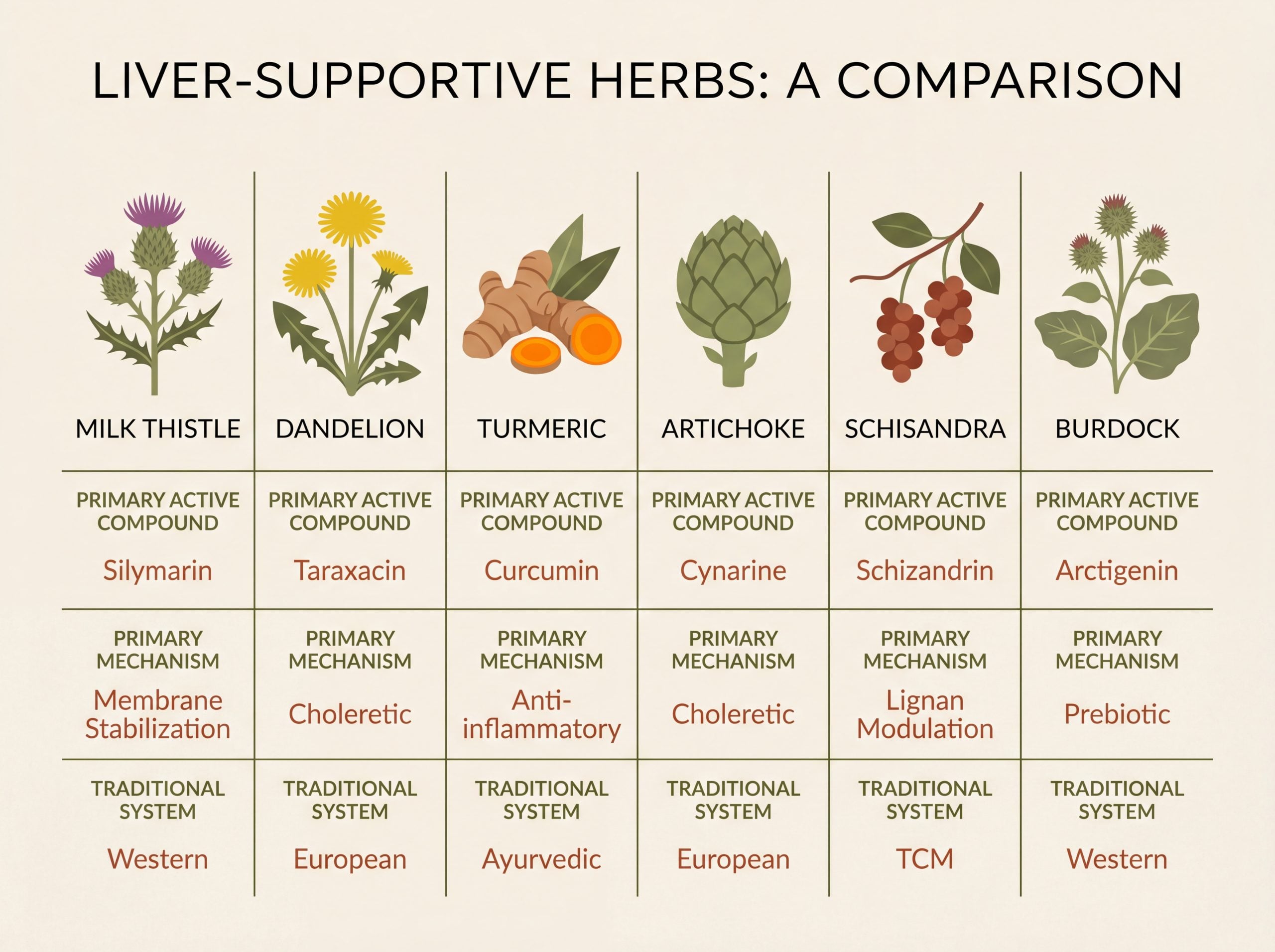
| Goal | Best-aligned herb | Mechanism alignment |
|---|---|---|
| General hepatoprotection | Milk thistle (silymarin) | Hepatocyte membrane stabilization, regeneration support |
| Sluggish bile, fatty meal heaviness | Artichoke leaf, dandelion root | Choleretic and cholagogue action via bitter principles |
| MASLD or fatty liver | Milk thistle, ginger, curcumin (with fat or piperine) | Antioxidant, anti-inflammatory, lipid metabolism support |
| Inflammation downregulation | Turmeric (curcumin), schisandra | NF-kB suppression, COX/LOX inhibition |
| Long-course hepatic and lymphatic tonic | Burdock root | Gentle alterative, prebiotic, gut-liver axis support |
| TCM-aligned hepatic adaptogen | Schisandra berry | Lignan-mediated CYP modulation, antioxidant action |
| Source: synthesized from PMID 29047177, PMID 11735632, PMID 32065376, EMA Silybi mariani fructus monograph, and the American Botanical Council Expanded Commission E monograph. | ||
Dosing examples for the most common herbs
Milk thistle, standardized extract at 70 to 80 percent silymarin, 280 to 420 milligrams of silymarin per day in two to three divided doses. Dandelion root, 2 to 8 grams of dried root per day as a decoction or 2 to 5 milliliters of 1:5 tincture three times daily. Turmeric, 500 to 1,500 milligrams of standardized curcumin per day with piperine or with a fat-containing meal. Artichoke leaf extract, 320 to 640 milligrams, one to three times daily before meals. Schisandra berry, 1.5 to 6 grams of dried berries per day as a decoction, or standardized extract per label. Ginger, 1 to 3 grams of dried root or rhizome per day, fresh or in tea form. Burdock root, 2 to 6 grams of dried root per day as a decoction.
When to consult a clinician before starting
Anyone with a known liver condition (hepatitis, cirrhosis, transplant, or drug-induced liver injury history), anyone taking prescription medications, anyone pregnant or breastfeeding, and anyone with chronic kidney disease or cardiovascular disease should consult their healthcare provider before starting any herb in the herbs for liver support category. Herb-drug interactions are real, particularly with St John’s wort, berberine, licorice (unmodified), and high-dose green tea extract. Cancer patients should specifically discuss herbal use with their oncology team because of interactions with chemotherapy metabolism.
Quality, sourcing, and what we look for in liver-supportive herbs
Quality matters more in the herbs for liver support category than in almost any other herbal category. The reasons are specific. First, adulteration is common; milk thistle products in particular have been documented to vary widely in actual silymarin content versus label claim. Second, contamination with pyrrolizidine alkaloids from look-alike Asteraceae plants in the field can convert a hepatoprotective herb supply into a hepatotoxic one. Third, some Ayurvedic combination products from poorly regulated manufacturers contain undisclosed metals or pharmaceutical adulterants.
What our editorial team looks for
In our sourcing experience, the herbs for the liver support category requires more verification, not less. We prioritize suppliers with formal certificates of analysis (CoA) for each batch, including identity testing, marker compound assay, heavy metals screening, microbial testing, and pesticide residue screening. For milk thistle specifically, we look for confirmed silymarin content at the label claim, tested by HPLC, not estimated from raw weight. For Ayurvedic herbs sourced from India, we prioritize cGMP-certified facilities and avoid traditional rasa shastra combination products. For all liver herbs, we verify the chain-of-custody from grower or wildcrafter to processor to packager.
Terroir and origin
Some liver herbs are strongly terroir-sensitive. Milk thistle grown in the Carpathian Basin of Eastern Europe and in Anatolia (Turkey) has historically delivered the highest silymarin content. Turmeric from the Erode and Salem regions of Tamil Nadu in India has the highest curcuminoid concentration. Schisandra from the Heilongjiang and Jilin provinces of northeastern China sits in the species’ native range. Origin alone does not guarantee quality, but it tilts the odds. The American Botanical Council’s milk thistle Expanded Commission E monograph includes useful sourcing reference details.
A note on liquid versus capsule format
Liquid tinctures preserve the full spectrum of soluble compounds in an herb, including the bitter principles that trigger the cephalic-phase digestive response when tasted. For choleretic herbs like dandelion and artichoke, the tincture form has a real pharmacological advantage because the bitterness contributes to the action. For silymarin-bearing milk thistle, capsule formats often deliver more silymarin per dose because the seeds are oil-rich and concentrated extracts are easier to dose accurately than tinctures. Format choice should match the herb and the goal. Our Milk Thistle Capsules are sourced under the verification standards described above and stocked alongside our broader catalog of liver-supportive single herbs.
Frequently asked questions
What is the best herb for liver support?
Milk thistle (Silybum marianum) is the herb with the strongest clinical evidence base for liver support, including formal recognition by the European Medicines Agency for traditional use in supporting liver function. The active flavonolignan complex, silymarin, has documented hepatoprotective, antioxidant, and anti-inflammatory mechanisms. That said, the best herb depends on the goal. For sluggish bile flow, dandelion root or artichoke leaf may fit better. For inflammation in MASLD, curcumin-enhanced turmeric is well-aligned.
How long does it take for liver herbs to work?
Most clinical trials of milk thistle, turmeric, and ginger in liver-related conditions have run 8 to 24 weeks before measuring outcomes like serum ALT, AST, and ultrasound steatosis grade. Practitioner experience generally aligns with this. Expect at least 8 to 12 weeks of consistent daily use at a documented therapeutic dose before judging whether an herb is helping. Subjective improvements in digestion or post-meal heaviness can come faster, often within a few weeks.
Can I take liver herbs every day?
Most well-tolerated herbs in the liver support category, including milk thistle, dandelion root, artichoke leaf, ginger, and burdock root, can be used daily for extended courses with appropriate dosing. Herbs with stronger pharmacological action, including berberine, licorice (unmodified), and high-dose curcumin, benefit from periodic breaks and clinician oversight. Herbs with documented hepatotoxicity at higher doses, especially concentrated green tea extract, kava, comfrey internally, and germander, should not be used at all in this context.
What herbs damage the liver?
Documented hepatotoxic herbs include kava (Piper methysticum), comfrey (Symphytum officinale, internally), germander (Teucrium chamaedrys), high-dose green tea extract supplements, and several traditional combination formulas with metal or PA contamination. St John’s wort is not directly hepatotoxic in most cases but can interact with prescription medications in ways that cause secondary liver injury. The CDC’s MMWR surveillance report on kava-associated hepatic toxicity, the FDA scientific memorandum on kava, and the NCBI LiverTox database (NBK548441) all document these patterns.
Are milk thistle and berberine safe to take together?
Milk thistle and berberine have not shown direct adverse interactions in clinical use. Both are generally well-tolerated in healthy adults at standard doses. The caveat is that berberine inhibits cytochrome P450 enzymes (particularly CYP3A4), which can affect the metabolism of many prescription medications. Anyone taking prescription drugs should consult their healthcare provider before combining berberine with anything, including milk thistle. Patients with low blood sugar, low blood pressure, or pregnancy should also consult before using berberine.
What foods and drinks harm the liver?
Daily alcohol intake above moderate levels (more than one standard drink per day for women, two for men), high intake of ultra-processed foods rich in fructose and refined oils, excess acetaminophen use (especially combined with alcohol), and chronic positive energy balance leading to obesity and insulin resistance all contribute to hepatic injury and MASLD risk. The American Liver Foundation, the NIH NIDDK liver disease portal, and the Mayo Clinic patient education library all document this in detail. No herb compensates for a continued high-burden dietary pattern.
Why does liver health matter?
The liver performs more than 500 documented metabolic functions, including bile production, glucose regulation, protein synthesis, lipid metabolism, and the two-phase biotransformation of drugs and toxins. Liver disease has become one of the fastest-growing causes of preventable mortality globally over the past two decades, driven primarily by MASLD, alcoholic liver disease, and viral hepatitis. Maintaining liver health through diet, lifestyle, and the sensible use of well-validated supportive herbs is one of the highest-impact health investments most people can make.
Best ayurvedic herbs for fatty liver?
Within Ayurveda, turmeric (haridra), Phyllanthus amarus (bhumi amla), Picrorhiza kurroa (kutki), Andrographis paniculata (kalmegh), and the rasayana herb amla (Phyllanthus emblica) are the most-used single herbs for hepatic and metabolic support relevant to fatty liver. Ayurvedic combination formulas exist, but should be sourced from cGMP-certified manufacturers and should avoid traditional rasa shastra preparations containing undisclosed metals. The 2020 review of Ayurvedic hepatotoxicity (PMID: 33033566) provides an important balance on which formulations carry risk.
Related Reading
Continue exploring this topic with these related articles from our editorial team:
- Milk Thistle for Liver, Read This Before You Take Any
- Herbal Teas for Liver Health, Why Some Detox Teas May Cause Harm
- Milk Thistle for Gallbladder Support and Bile Flow
- Detoxifying Herbs, A Practical Guide