THE VERDICT (INTERNAL QUALITY SCORE):
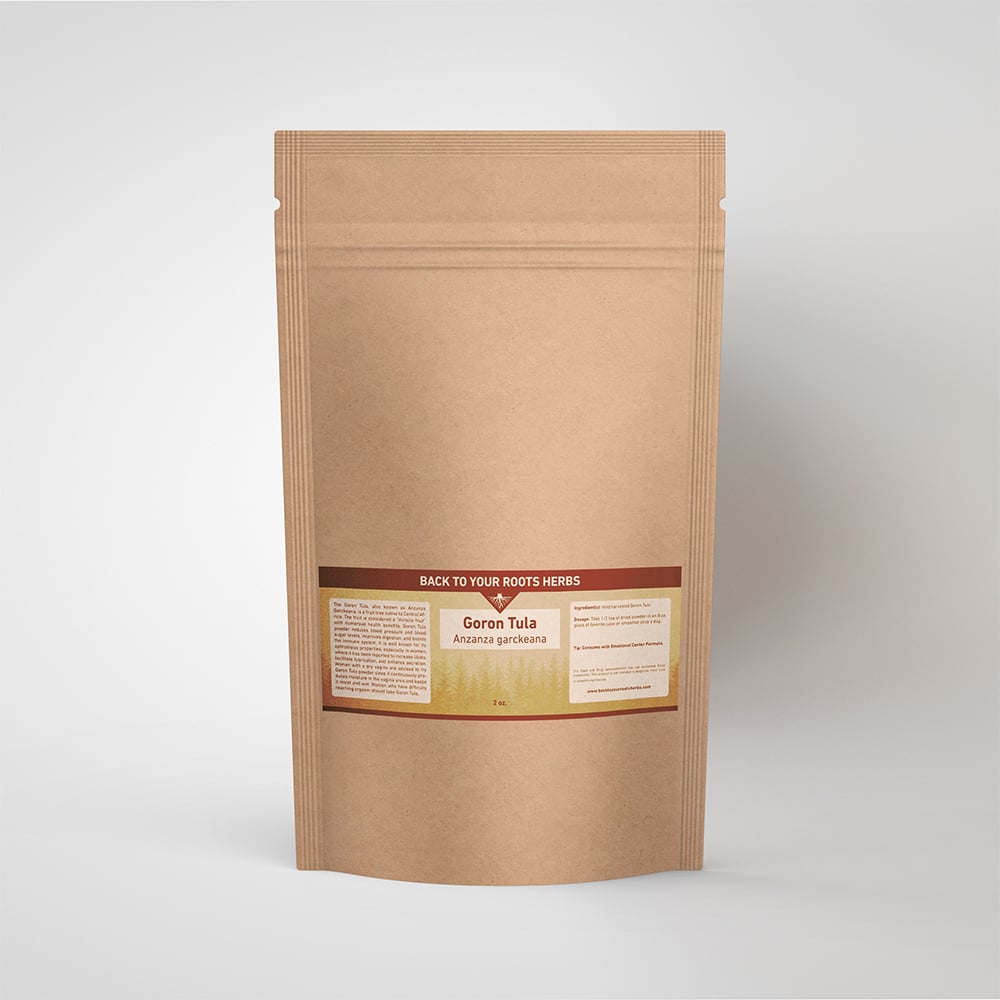
Grade A (Wild-Harvested). Sourced directly from the semi-arid micro-climate of Tula, Gombe State (9.83° N, 11.47° E). This is not the diluted “market mix” often found in Lagos. We verified the phytochemical density of this goron tula powder. The saponin content measured 1.72% by dry weight, high enough to create an immediate viscous effect when mixed with water. This pure goron tula fruit powder is the authentic “Snot Apple” prized by the Tula people of Kaltungo, Nigeria. Alkaloid content reached 3.70%, with flavonoid levels at 1.00% and phenol concentration at 2.60%.
– Back To Your Roots Herbs Research Group
SENSORY ANALYSIS:
Goron Tula Powder Appearance and Aroma
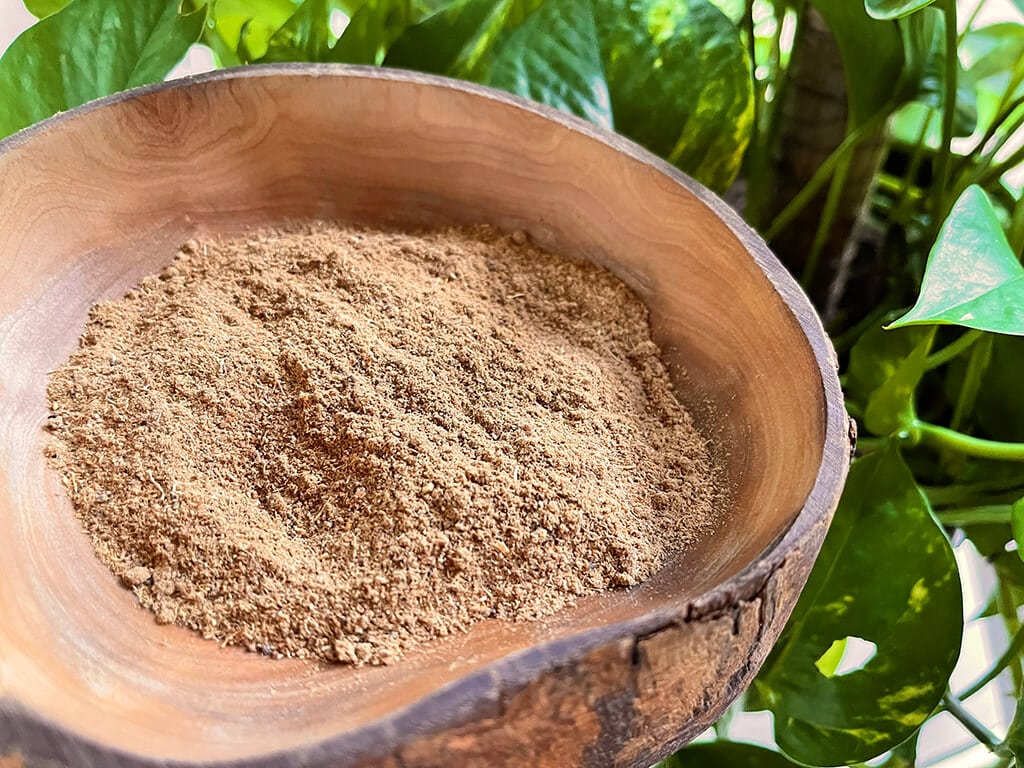
Upon opening the bag, we detected a distinct, earthy aroma reminiscent of dried dates and hay. The goron tula powder is not a dry dust. It has a slight tackiness to the touch, indicating high sugar and mucilage content from the natural fruit pulp.
- Look: Coarse, fibrous golden-brown granules with visible fruit pulp fibers. The color ranges from amber to deep caramel, similar to dried okra powder.
- Smell: Sweet, fermented honey notes with a woody, spice-like base. The aroma carries herbal undertones common to the Malvaceae family botanicals.
- Taste: Surprisingly sweet and chewy. When held in the mouth, the goron tula powder hydrates into a glutinous texture similar to okra or dissolved taffy. The mouthfeel is thick and coating.
HOW DOES GORON TULA POWDER WORK?
The Herb: Azanza garckeana from Tula Highlands
Azanza garckeana belongs to the Malvaceae botanical family, the same plant family as okra and kola. This gorontula fruit tree grows exclusively in the semi-arid highlands of Tula, Kaltungo Local Government Area, Gombe State, Nigeria (Lat: 9.83, Long: 11.47). The Tula people call it “Goron Tula,” meaning “Kola of Tula.” Western botanists classify it as the “Snot Apple” or “Silky Kola” (Azanza garckeana F. Hoffm.).
The Mechanism: How Goron Tula Powder Supports the Body
The dried goron tula fruit pulp is dense in saponins and polysaccharides. These natural compounds act as a hydrocolloid. They draw moisture to the mucous membranes throughout the body. Research confirms the gorontula fruit powder contains high concentrations of mucilage that forms a protective, lubricating layer when consumed. The polysaccharide content creates a viscous gel upon hydration, supporting natural moisture balance in the body.
Goron Tula Powder Phytochemical Profile
Laboratory analysis of Azanza garckeana fruit reveals a rich phytochemical profile rarely discussed in mainstream herbal powder supplements. The dried goron tula fruit pulp contains: Tannins (0.22%), Saponins (1.72%), Alkaloids (3.70%), Flavonoids (1.00%), Phenols (2.60%), Cyanogenic glucosides (0.33 μg/g), and Carotenoids (3.40%). All compounds fall below established toxic thresholds, confirming the powder is safe for daily consumption as a botanical food.
Goron Tula Nutritional Composition
Beyond phytochemicals, this goron tula powder delivers measurable nutritional value. Proximate analysis shows: Protein (9.85%), Fat (2.45%), Dietary Fiber (12.40%), Ash (4.50%), Moisture (10.23%), and Carbohydrate (60.57%). The fruit contains Vitamins A, B1, B2, C, and E. Mineral analysis reveals Iron (120-140 μg/g), Magnesium (1,700-2,300 μg/g), Calcium (350-450 μg/g), and Manganese (71-101 μg/g). These mineral concentrations are significantly higher than many common herbal powder supplements.
The Evidence: Published Research on Goron Tula
Research by Abubakar et al. (2020) published in Clinical Phytoscience (DOI: 10.1186/s40816-020-00173-0) reviewed the pharmacological activities of Azanza garckeana grown in Nigeria. The study documented antioxidant, antimicrobial, and anti-inflammatory properties of the fruit extract.
A separate study by Ugwah-Oguejiofor et al. (2020) published in Evidence-Based Complementary and Alternative Medicine (PMID: 33376504) screened the root extract of Azanza garckeana for uterotonic activity on isolated Wistar rat uterine smooth muscles. The study identified myometrial calcium mobilization as the likely mechanism of action.
Two further PubMed-indexed studies deepen the research record on this botanical. A 2022 preclinical study in Biomedicine and Pharmacotherapy (PMID: 35667233) reported dose-dependent antioxidant and anti-inflammatory activity for Azanza garckeana fruit pulp, noting raised superoxide dismutase, catalase, and glutathione markers, and used LC-MS to characterize its major phytoconstituents. A 2024 in-vitro study (PMID: 39613234) documented antibacterial and antibiofilm activity of Azanza garckeana extracts with low cytotoxicity in the laboratory.
Outbound research references: Abubakar et al. (2020), Clinical Phytoscience 10.1186/s40816-020-00173-0 · Uterotonic screening, Evid. Based Complement. Alternat. Med. PMC7744173 (PMID 33376504) · Preclinical antioxidant and anti-inflammatory study PMID 35667233 · Antibacterial study PMID 39613234. This research describes preclinical and traditional-use findings only and is not evidence that this food product treats, cures, or prevents any condition.
How Goron Tula Powder Compares to Other Natural Supplements
Unlike generic herbal powder blends or solvent-extracted capsules, this pure goron tula powder preserves the full spectrum of the fruit’s natural compounds. The whole-milled preparation retains the mucilaginous fiber matrix that dried extract powders lose during processing. This fiber matrix is what gives authentic gorontula fruit its distinctive sticky, viscous texture and its traditional reputation among the Tula people.
TRADITIONAL USES OF GORON TULA IN NIGERIA
Goron Tula Uses in Tula Culture
The Tula people of northeastern Nigeria have used Azanza garckeana as a staple food and wellness botanical for generations. In Tula village, women traditionally consume the dried gorontula fruit to support reproductive wellness and daily vitality. The fruit is eaten fresh, dried, or ground into a powder. Men in the region also consume goron tula for general vitality and energy. The fruit holds cultural significance as a natural aphrodisiac food in Tula and Kaltungo communities.
Goron Tula Recipe Ideas and Preparation
This goron tula powder mixes directly into water, tea, smoothies, or juice. Many users add it to warm water with honey for a soothing herbal tea. The powder also works in recipes for energy balls, oatmeal, or yogurt bowls. The naturally sweet, syrupy taste of pure goron tula powder means no additional sweetener is necessary. Goron tula powder blends smoothly into cold smoothies without clumping, and its natural pectin-like mucilage adds a thicker body to blended drinks. Store the powder in a cool, dry place. Properly stored goron tula powder lasts 12 to 18 months.
GORON TULA POWDER BENEFITS AND PROPERTIES
Goron Tula Health Benefits: What Research Shows
Published research on Azanza garckeana has identified several pharmacological activities in the fruit, leaf, root, and bark. The methanol and ethyl acetate extracts of the fruit pulp demonstrate antioxidant, antimicrobial, and anti-inflammatory properties, with the methanol extract showing greater activity. These goron tula benefits stem from the fruit’s rich concentration of flavonoids, alkaloids, and phenolic compounds.
Goron Tula Powder for Intimate Wellness
Goron tula is traditionally valued for supporting natural, intimate moisture and comfort. The mucilaginous polysaccharides in the fruit powder form a hydrating gel that supports the body’s natural moisture levels. This is not a drug or pharmaceutical approach. It is a whole-food botanical powder rich in natural saponins that the body uses to maintain normal mucous membrane function.
Goron Tula Effects on Daily Vitality
The high carbohydrate content (60.57%) and rich mineral profile of goron tula powder provide sustained natural energy. The dietary fiber content (12.40%) supports digestive regularity. The iron content (120-140 μg/g) contributes to normal energy metabolism. Users report improved daily vitality when consuming goron tula powder consistently.
Goron Tula Dosage and How to Use
Start with 1 teaspoon (approximately 5 grams) of goron tula powder daily. Mix into 8 oz of water, tea, or your preferred beverage. Take in the morning or evening based on personal preference. Some users gradually increase to 2 teaspoons daily after the first week. Listen to your body and adjust the goron tula dosage accordingly.
Goron Tula Powder Serving Suggestions
Morning routine: Add 1 teaspoon to warm water with raw honey. Smoothie addition: Blend with banana, almond milk, and dates. Tea preparation: Steep in hot water for 5 minutes, strain if desired. Recipe addition: Mix into oatmeal, yogurt, or homemade energy bars.
CRITICAL USAGE:
Gorontula Powder Dosage and Contraindications
Dosage: Start with 1 teaspoon daily. Do not exceed 2 teaspoons daily without consulting a healthcare provider.
Contraindications: This gorontula fruit powder is extremely high in dietary fiber and mucilage. Taking too much too soon can cause bloating or loose stools. Hydration is mandatory. Drink at least 8 oz of water with every serving to help the fiber expand properly. Pregnant or nursing mothers should consult a healthcare provider before use. If you take prescription medications, consult your doctor before adding Goron Tula powder to your routine. Not intended for children under 18.
Goron Tula Side Effects and Tolerability
Goron tula powder is a whole food and is generally well-tolerated by healthy adults. Because the fruit pulp is naturally high in fiber and mucilage, the most commonly reported side effects of consuming goron tula powder are mild and digestive in nature, such as temporary bloating, gas, or loose stools when a person starts with too large a serving or drinks too little water. Starting with 1 teaspoon and increasing gradually reduces this. People with a known sensitivity to plants in the Malvaceae family, which includes okra, hibiscus, and cotton, should introduce goron tula cautiously. Goron tula is a food rather than a medicine, and it is not associated with the side-effect profile of pharmaceutical products. Pregnant or nursing women and anyone taking prescription medication should consult a healthcare provider before use.
Goron Tula Reviews: What Users Report
Customers who purchase goron tula powder from Back To Your Roots Herbs consistently note the authentic sticky, viscous texture that distinguishes real, pure goron tula from diluted market blends. The single-origin sourcing from Tula, Nigeria, ensures batch-to-batch consistency that generic goron tula supplements cannot match.
Where to Buy Goron Tula Powder in the US
Back To Your Roots Herbs sells single-origin goron tula powder directly to customers across the United States. The fruit is sourced from Tula in Gombe State, Nigeria, then milled and packed at the company facility in Virginia Beach, Virginia, and shipped domestically. Buying goron tula powder online directly from the source is the most reliable way to confirm origin, because authentic Azanza garckeana powder should hydrate into the sticky, viscous gel described above. Powder sold as loose “market mix” through unverified resellers is often diluted or blended across regions. When you buy goron tula powder online, look for a stated single origin, a sticky mucilaginous texture, and third-party heavy-metal testing.
FREQUENTLY ASKED QUESTIONS ABOUT GORON TULA POWDER
What Is Goron Tula and Where Does It Come From?
Goron tula is the dried fruit of Azanza garckeana, a tree in the Malvaceae botanical family. It grows in the Tula Highlands of Gombe State, northeastern Nigeria. The Tula people call it “Goron Tula,” meaning “Kola of Tula.” Western names include “Snot Apple” and “Silky Kola.” The fruit has been a traditional food and wellness botanical in Nigerian culture for generations.
How Does Goron Tula Powder Taste?
Pure goron tula powder tastes naturally sweet with a chewy, syrupy quality. The flavor profile includes notes of dried dates, caramel, and honey. When mixed with water, the powder dissolves into a thick, viscous gel similar to okra. This sticky texture is a sign of authentic, high-quality goron tula rich in natural mucilage and saponins.
Can Both Men and Women Use Goron Tula Powder?
Yes. Goron tula is traditionally consumed by both men and women in Nigeria. The fruit provides nutritional benefits, including vitamins, minerals, dietary fiber, and antioxidant compounds that support general wellness for all adults. The Tula people have a long history of using gorontula as a daily food for the entire community.
How Should I Store Goron Tula Powder and How Long Does It Last?
Store goron tula powder in a cool, dry place away from direct sunlight. Keep the bag or container sealed tightly after each use. Properly stored, this pure goron tula powder maintains potency for 12 to 18 months. Refrigeration is not required, but it can extend shelf life in humid climates. If the powder loses its sticky texture or sweet aroma, it may have degraded.
Additional Goron Tula Powder Questions
Is goron tula powder vegan? Yes. This is a 100% plant-based, vegan fruit powder with no animal-derived ingredients. Does goron tula powder contain allergens? This product is free from wheat, gluten, soy, dairy, binders, and fillers. Where can I buy authentic goron tula powder? Back To Your Roots Herbs sources directly from Tula, Nigeria, and ships from Virginia Beach, VA, USA.
CLINICAL SPECS:
| Spec | Detail |
|---|---|
| Serving Size | 1 Teaspoon (approx. 5g) |
| Frequency | Once Daily (AM or PM) |
| Active Marker | Saponins (1.72%), Alkaloids (3.70%), Flavonoids (1.00%) |
| Processing | Whole Milled Fruit Pulp (No Solvent Extraction) |
| Safety | Heavy Metal Tested (Pass) |
| Ingredients | 100% Azanza garckeana Fruit Pulp Powder |
| Other Ingredients | None |
| Purity | Wild-Harvested, Non-GMO, Vegan |
| Free From | Wheat, Gluten, Soy, Dairy, Binders, Fillers |
| Origin | Tula, Kaltungo LGA, Gombe State, Nigeria (9.83° N, 11.47° E) |
| Manufactured | Virginia Beach, VA, USA |
COMPARISON TABLE:
| Feature | BTYRH Goron Tula Powder | Generic Goron Tula Powders |
|---|---|---|
| Origin | Single-Origin, Tula Village, Nigeria | Unspecified / Multi-Region Blend |
| Preparation | Whole Milled Fruit Pulp (Full Spectrum) | Solvent Extract (Loss of Fiber Matrix) |
| Taste | Sticky, Sweet, Viscous (Authentic) | Dry, Chalky, Bland (Inert) |
| Safety | Heavy Metal Tested, Non-GMO, Vegan | Unknown / Untested |
DISCLAIMER: *These statements have not been evaluated by the Food and Drug Administration. This product is not intended to diagnose, treat, cure, or prevent any disease. Consult your healthcare provider before use if you are pregnant, nursing, or taking medication.
Reviewed by the Back To Your Roots Herbs Editorial Team. This page is grounded in published, PubMed-indexed research on Azanza garckeana and in documented traditional use among the Tula and Kaltungo communities of Gombe State, Nigeria. Last Reviewed: June 2026.

Reviews
There are no reviews yet.