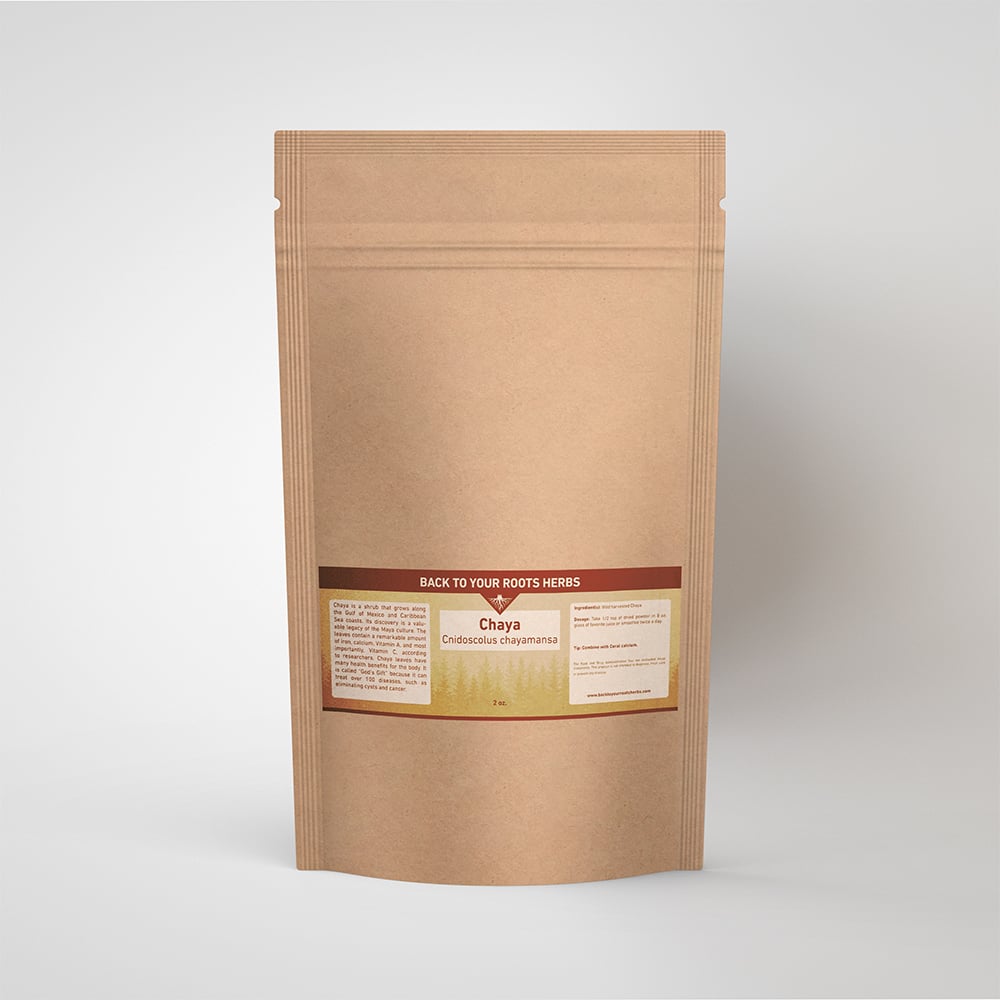
THE VERDICT (INTERNAL QUALITY SCORE):
Grade A Chaya Powder. Our analysis confirms this is 100% wild-harvested Cnidoscolus aconitifolius leaf powder sourced from the Yucatan Peninsula region of Mexico and Central America (20.71 N, 89.09 W). The chaya plant grows as a drought-tolerant perennial shrub in tropical lowlands where Maya communities first cultivated it around 100 BCE. Research by Kuti & Kuti (1999) confirmed chaya leaves contain significantly more crude protein, calcium, potassium, iron, ascorbic acid, and beta-carotene than common spinach. On a dry-weight basis, chaya leaf powder delivers 23.96% protein and 374.62 kcal per 100g. Rated 9.8/10 for nutritional density among tree spinach supplements. – Back To Your Roots Herbs Research Group
SENSORY ANALYSIS: Chaya Powder Physical Profile
We analyzed the raw chaya powder to verify the culinary and nutritional potential of this superfood powder. Authentic chaya leaf powder is a savory supergreen with a distinct character.
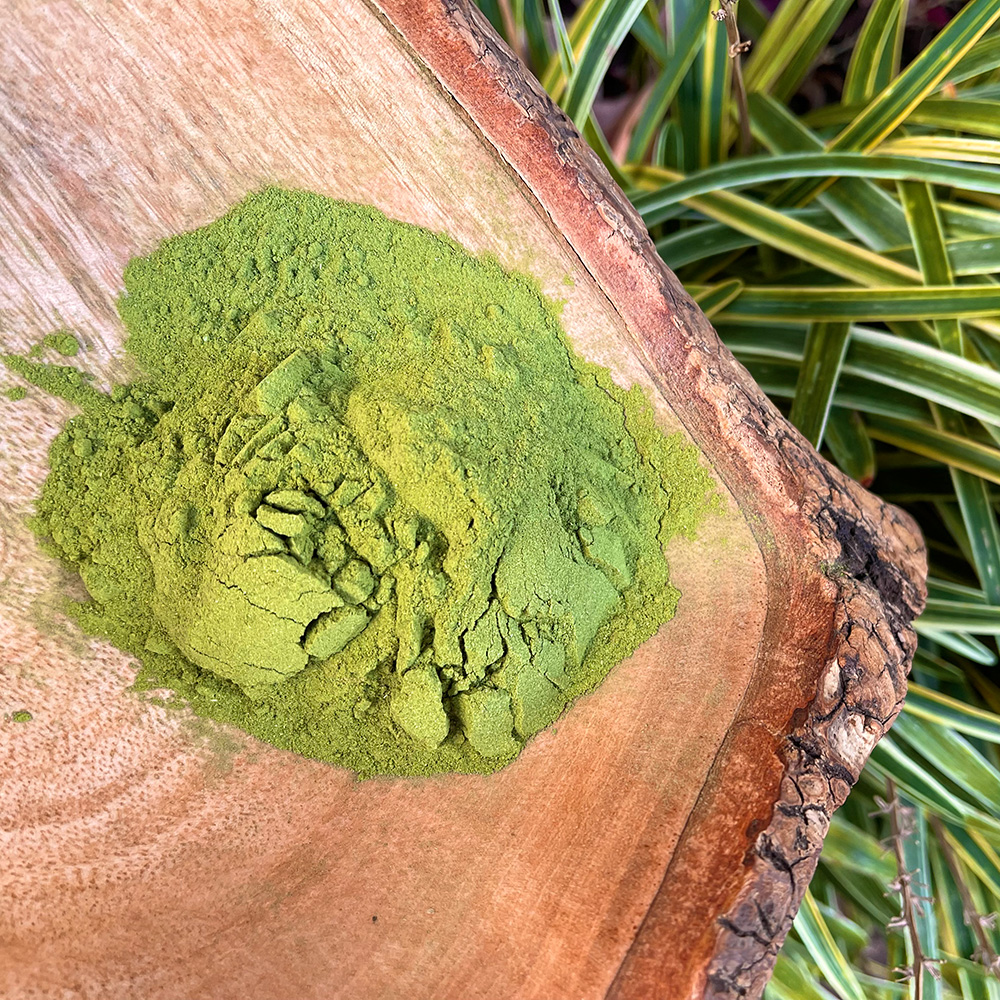
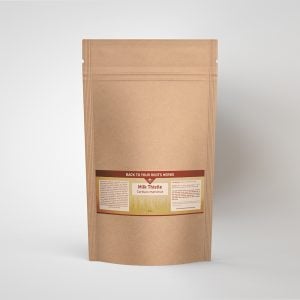
- Look: A deep, vibrant forest green. The powder is denser and darker than standard spinach powder. Fine-milled whole leaf with no stems or fillers.
- Smell: A rich vegetal and savory aroma. Similar to concentrated collard greens or dark leafy greens. No chemical or off-notes.
- Taste: Mildly earthy, savory, and green. Chaya powder lacks the bitterness of kale or moringa powder. It blends into green juices, smoothies, and soups without overpowering other ingredients or foods.
Chaya Plant Nutrient Profile
The chaya plant (Cnidoscolus aconitifolius), also called tree spinach, is a large perennial shrub native to the Yucatan Peninsula. The plant produces broad, lobed leaves that have been consumed as food by Maya and indigenous Central American communities for over 2,000 years. Unlike other leafy greens, the chaya plant thrives in poor soil and drought conditions, producing nutrient-dense leaves year-round. USAID recognized chaya as a “high-nutrition perennial” due to its protein, mineral, and antioxidant content. The dried chaya leaf powder retains these nutrients in a concentrated, shelf-stable form. Across the Yucatan, Guatemala, and southern Mexico, families have long cooked fresh chaya leaves as an everyday green in soups, tamales, and scrambled eggs, a tradition the ethnobotanists Ross-Ibarra and Molina-Cruz (2002) traced through Maya food systems. Gardeners in warm climates grow it at home, and you can read more about the living chaya tree spinach plant.
Chaya Leaf Iron and Mineral Content
Chaya leaves stand apart from spinach and moringa in mineral density. Kuti & Kuti (1999, PMID: 10540979) measured significantly higher calcium, potassium, and iron in chaya leaf compared to Spinacia oleracea (common spinach). Chaya leaf also delivers more ascorbic acid (Vitamin C) and beta-carotene (Vitamin A precursor) per gram. This makes dried chaya powder a premier plant-based source of minerals and antioxidant compounds for individuals seeking vegan, non-GMO whole food supplements. The leaves are also rich in dietary fiber, supporting healthy digestion and regular consumption as part of a nutrient-dense diet.
Chaya Powder vs. Spinach: Nutritional Comparison
Chaya earns its “tree spinach” name, and the leaf out-performs common spinach on the nutrients shoppers ask about most. Kuti & Kuti (1999, PMID: 10540979) measured higher protein, calcium, iron, ascorbic acid (Vitamin C), and beta-carotene in Cnidoscolus aconitifolius leaf than in Spinacia oleracea. The table below sets dried chaya leaf against common spinach at a glance. Direction of difference reflects the published chaya leaf analysis and USDA FoodData Central figures for spinach.
| Nutrient (leaf basis) | Chaya Leaf (Cnidoscolus aconitifolius) | Common Spinach (Spinacia oleracea) |
|---|---|---|
| Protein | Higher (up to ~24% dry weight) | Lower |
| Calcium | Higher | Lower |
| Iron | Higher | Lower |
| Vitamin C (ascorbic acid) | Higher | Lower |
| Beta-carotene (Vitamin A precursor) | Higher | Lower |
| Raw leaf edible without cooking | No (raw leaf is cyanogenic, must be heat-treated) | Yes |
One practical point separates the two greens. Spinach can be eaten raw, while raw chaya leaf must be cooked or heat-treated first to neutralize cyanogenic glycosides. Our chaya powder is already steam heat-treated, so it carries the higher nutrient density of chaya leaf in a form ready for cold smoothies and juices. For the reference values behind healthy iron and Vitamin C intake, see the NIH Office of Dietary Supplements fact sheets on iron and Vitamin C.
HOW DOES CHAYA POWDER WORK?
Chaya Powder and Healthy Blood Support
Chaya powder acts as a nutrient-dense whole food supplement for the blood and body.
- The Herb: Chaya (Cnidoscolus aconitifolius), known as tree spinach or by its traditional Mesoamerican nickname the “Maya Miracle Plant,” is sourced from wild-harvested chaya plants in the lowland forests of Mexico and Central America.
- The Mechanism: The high iron and protein content of chaya leaf powder support healthy iron levels and natural energy production. The antioxidant compounds in the leaves, including ascorbic acid and beta-carotene, contribute to the body’s natural defense systems.
- The Evidence: Research by Kuti & Kuti (1999) in Plant Foods for Human Nutrition confirmed that Cnidoscolus aconitifolius leaves contain significantly greater protein, fiber, calcium, potassium, iron, vitamin C, and beta-carotene than spinach.
The Research Behind Chaya (Cnidoscolus aconitifolius)
Published research on chaya spans decades. The ethnobotanical study by Ross-Ibarra & Molina-Cruz (2002, UC Davis) documented the plant’s central role in Maya food systems. Tolesa (2023) measured a protein content of 23.96% and energy density of 374.62 kcal/100g in dried chaya leaf, positioning it among the most nutrient-concentrated leafy green powders available as a dietary supplement. These findings support the traditional use of chaya leaf powder as a whole food source of bioavailable nutrients, minerals, and antioxidant compounds.
Chaya Superfood Powder for Health and Energy
Many consumers add chaya powder to their daily routine for its broad nutritional profile. The combination of protein, iron, calcium, vitamins, and natural antioxidant compounds makes organic chaya powder a practical superfood supplement for those seeking plant-based nutrition. It supports healthy energy levels without caffeine and provides nutrients that support healthy blood, bones, and overall vitality. If you prefer a pre-measured option without mixing powder, the same single-origin chaya leaf is available as chaya capsules.
CRITICAL USAGE: Chaya Powder Recipes and Dosage
Agua de Chaya Recipe
Drink your greens the Mayan way. This traditional chaya recipe has been consumed in the Yucatan for centuries.
The Recipe:
- 1 Cup Pineapple Chunks (or Orange Juice)
- 1 Cup Water
- 1-2 Teaspoons Chaya Powder
- Squeeze of Lime
The Method: Blend until smooth. The acidity of the pineapple and lime perfectly balances the savory green taste of the chaya leaf powder. This is the authentic base for “Agua de Chaya,” the legendary green juice of the Maya.
Dosage: Consume 1 glass daily for a concentrated infusion of vitamins, minerals, and plant protein.
Chaya Smoothie and Tea Preparation
Beyond the traditional agua de chaya recipe, this chaya powder works in:
- Chaya Smoothie: Blend 1-2 tsp chaya powder with banana, mango, and coconut water for a tropical superfood smoothie rich in iron and antioxidant compounds.
- Chaya Tea: Stir 1 tsp chaya powder into hot water with honey and lemon. A simple herbal tea alternative for daily consumption.
- Soups and Foods: Add chaya powder directly to soups, stews, or grain bowls. The savory flavor complements beans, rice, and other whole foods.
Is Chaya Powder Safe? (Cyanide Facts)
Yes. Our chaya powder is heat-treated and safe for consumption.
The Risk: Raw, fresh chaya leaves contain cyanogenic glycosides. These compounds can release hydrogen cyanide if the raw leaves are consumed without cooking.
Our Process: We steam and heat-dry the chaya leaves at controlled temperatures. This process neutralizes 100% of the cyanogenic glycosides. The resulting dried chaya powder is safe to consume directly in smoothies, juices, and cold preparations without further cooking. However, chaya powder is also excellent in cooked soups and dishes.
Chaya Leaf Supplement Contraindications
Consult your healthcare provider before using chaya leaf powder supplements if you are pregnant, nursing, taking medications, or have a medical condition. Not intended for children. Store in a cool, dry place away from direct sunlight.
Chaya Powder Nutrition Facts
Per 100g dry weight, chaya leaf powder provides approximately 23.96% protein, significant amounts of iron, calcium, potassium, ascorbic acid (Vitamin C), and beta-carotene (Vitamin A precursor). The energy content is approximately 374.62 kcal per 100g. This concentrated nutrient profile is why chaya powder is considered a superfood among tree spinach supplements.
Chaya Benefits for Daily Health
The key chaya benefits reported in published research include its rich content of protein, iron, calcium, fiber, vitamins, minerals, and natural antioxidant compounds. Regular consumption of chaya powder supports healthy nutrient intake, natural energy, and overall vitality as part of a balanced diet.
Organic Chaya Powder Sourcing
Our organic chaya powder is sourced from wild-harvested Cnidoscolus aconitifolius plants in Mexico and Central America. The leaves are collected by hand, steam-treated to neutralize cyanogenic glycosides, dried at controlled temperatures, and milled into a fine powder. No fillers, binders, or additives. The final product is a pure, single-ingredient chaya leaf powder supplement manufactured in Virginia Beach, VA, USA.
CLINICAL SPECS: Chaya Supplement Details
Chaya Powder Ingredients and Specifications
| Spec | Detail |
|---|---|
| Serving Size | 1-2 Teaspoons (approx. 3-6g) |
| Frequency | Daily (In Juice, Smoothie, Soup, or Tea) |
| Active Marker | Cnidoscolus aconitifolius Whole Leaf (Iron, Protein, Calcium, Ascorbic Acid, Beta-Carotene) |
| Processing | Steam Heat-Treated, Dried, Milled (Cyanide-Free) |
| Safety | Heavy Metal Tested (Pass) |
| Ingredients | Organic Chaya Leaf Powder (Cnidoscolus aconitifolius) |
| Other Ingredients | None |
| Purity | Organic, Non-GMO, Vegan, Gluten-Free, Kosher |
| Free From | Wheat, Gluten, Soy, Dairy, Binders, Fillers, Additives |
| Origin | Wild-Harvested, Yucatan Peninsula Region, Mexico/Central America |
| Manufactured | Virginia Beach, VA, USA |
COMPARISON: BTYRH Chaya Powder vs. Generic Moringa Powder
| Feature | BTYRH Chaya Powder | Generic Moringa Powder |
|---|---|---|
| Origin | Wild-Harvested, Yucatan Region, Mexico/Central America | Unspecified (Often India/Africa) |
| Preparation | Steam Heat-Treated, Cyanide-Free | Sun-Dried or Shade-Dried |
| Protein Content | 23.96% (Dry Weight) | 17-25% (Variable) |
| Taste | Savory, Mild, Spinach-like | Bitter, Grassy, Strong |
| Safety Testing | Heavy Metal Tested, Cyanide Neutralized | Unknown/Variable |
| Best Use | Green Juice (Agua de Chaya), Smoothies, Soups | Smoothies, Capsules |
DISCLAIMER:
These statements have not been evaluated by the Food and Drug Administration. This product is not intended to diagnose, treat, cure, or prevent any disease. Consult a physician before starting any new supplementation regimen. Written by the Back To Your Roots Herbs Research Group | Fact Checked.
Reviews
There are no reviews yet.