THE VERDICT
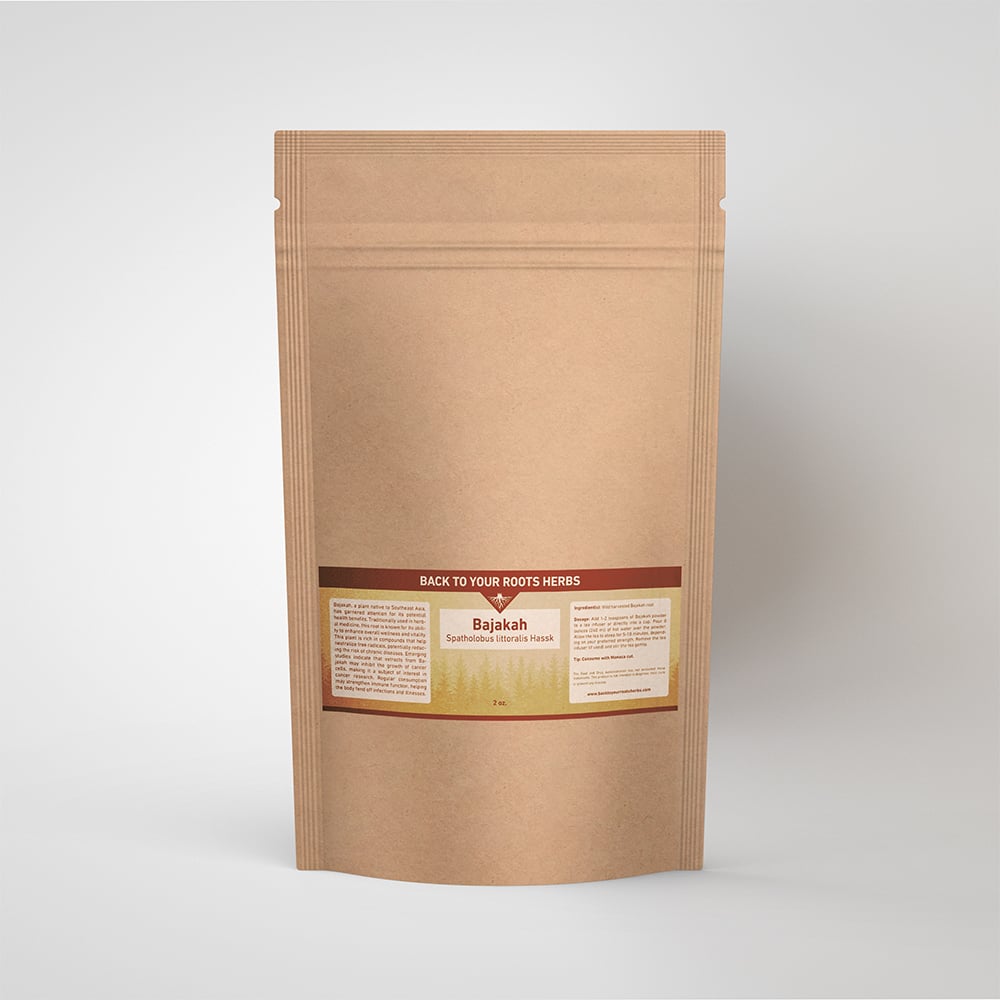
“The ‘Red’ Defender. Our analysis confirms this is authentic Spatholobus littoralis (Bajakah Tampala) root powder from Central Kalimantan. Distinguished by its massive concentration of Phenolic compounds and Flavonoids, this root powder brews into a vibrant red tea known for its ability to scavenge free radicals and support cellular integrity. Rated 9.6/10 for antioxidant density.”– Back To Your Roots Herbs Editorial Team
What Is Bajakah Powder?
Bajakah powder is the ground woody stem and vine of Spatholobus littoralis Hassk., a liana from the rainforests of Central Kalimantan (Borneo), commonly sold as bajakah root powder. The Dayak people brew it into a deep red tea. The powder is rich in phenolics, flavonoids, and tannins, plant compounds studied for their antioxidant activity and their role in supporting cellular health.
SENSORY ANALYSIS: The Physical Profile
We analyzed the raw powder to verify the species.
Authentic Bajakah (Bajakah Tampala) has a unique visual signature.
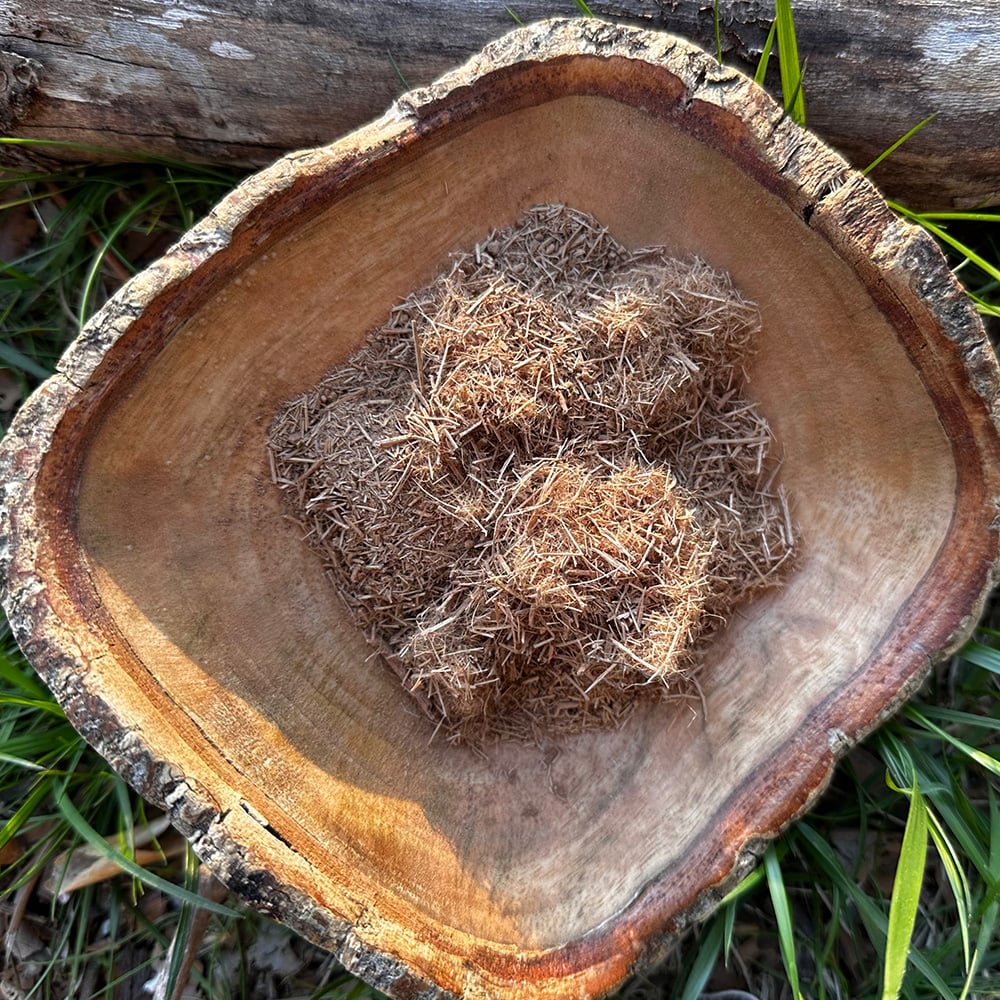
- The Powder: A fibrous, Reddish-Brown wood powder. It looks like ground bark.
- The Brew: When simmered, the water turns a Vibrant Deep Red. This is the primary indicator of authenticity. If your tea stays clear or yellow, it is not the correct Spatholobus species.
- The Taste: Mild, earthy, and slightly bland (like weak black tea) with no bitterness. It is surprisingly easy to drink.
How does Bajakah support Cellular Health?
Research suggests it is a potent Free Radical Scavenger.
- The Herb: Bajakah (Spatholobus littoralis), the woody stem of a Borneo vine.
- The Compounds: High levels of Phenolics, Flavonoids, and Tannins. Laboratory analysis of the stem has also identified the isoflavone daidzein.
- The Mechanism: These compounds donate electrons to unstable molecules (free radicals), neutralizing oxidative stress that can damage DNA and cellular structures.
- The Outcome: Supports the body’s natural antioxidant defenses and cellular repair processes. A peer-reviewed flavonoid review indexed in PubMed Central catalogs the stem’s antioxidant compound profile.
What Does the Research Say About Bajakah’s Antioxidants?
Bajakah is an active focus of Indonesian pharmacognosy research. Scientists measure its antioxidant activity with standard laboratory assays such as DPPH and FRAP.
- Phytochemistry: Analyses confirm the stem contains flavonoids, phenolics, tannins, saponins, and terpenoids, as reported in the Borneo Journal of Pharmacy.
- Antioxidant Capacity: Results vary with the extract and solvent used. Some preparations show strong free-radical scavenging, others more modest values. An in vitro and in silico study indexed in PubMed Central reports antioxidant and anti-inflammatory activity for the plant.
- What This Means: The current evidence centers on antioxidant and structure-function activity measured in the laboratory. It does not establish bajakah as a treatment for any condition.
CRITICAL USAGE: The Decoction Method
You cannot just stir this into water. It is wood.
- The Protocol: Add 1-2 Teaspoons of powder to 2 cups of water.
- The Brew: Boil for 5 minutes, then simmer for 15-20 minutes.
- The Sign: The water must turn RED. The longer you boil, the deeper the red (and the more antioxidants extracted).
- Strain: Pour through a fine mesh strainer or cheesecloth to remove the wood fiber. Drink the liquid.
Are There Any Side Effects of Bajakah Powder?
Bajakah is a traditional tea and is generally well tolerated when brewed as directed. Start with a small serving and see how your body responds.
- Start Low: Begin with 1 teaspoon before moving up to a full serving.
- Strain Well: The tea holds woody fiber. Pour it through fine mesh or cheesecloth and drink only the liquid.
- Tannin Note: Bajakah is rich in tannins, which can cause mild stomach upset for some people on an empty stomach. Taking it with food can help.
- Check First: If you are pregnant or nursing, take prescription medication, or have surgery scheduled, talk with your healthcare provider before adding bajakah or any new herb.
We are an herbal tea supplier, not a medical provider. Bajakah is a wellness beverage and is not a substitute for medical care.
What is the Dayak Tradition?
A legacy of the Borneo Rainforest.
The Dayak people of Kalimantan have used this woody vine for generations as a restorative tonic. It is traditionally consumed to restore strength during illness and to maintain resilience against the harsh tropical environment.
CLINICAL SPECS & DOSAGE
Wild-harvested from Central Kalimantan, Indonesia.
| Specification | Detail |
|---|---|
| Serving Size | 1-2 Teaspoons (approx. 3-6g) |
| Frequency | 1-2 Cups Daily |
| Active Ingredient | Spatholobus littoralis Whole Root |
| Key Compounds | Phenolics, Tannins, Saponins |
| Primary Action | Antioxidant / Cellular Support |
| Tea Color | Red / Mahogany |
| Allergen Status | Hypoallergenic (Woody Vine) |
Sourcing & Availability: Our bajakah is wild-harvested in Central Kalimantan (Borneo), Indonesia, then packed and shipped from our facility in Virginia Beach, Virginia. Orders ship within the United States.
COMPARISON: Bajakah vs. Chaga
The “Tree Tumor” vs. The “Woody Vine”.
| Feature | Bajakah (Borneo) | Chaga (Siberia) |
|---|---|---|
| Primary Goal | Cellular Integrity | Immune Modulation |
| Active Compound | Phenolics / Tannins | Betulinic Acid / Glucans |
| Tea Color | Red | Black / Dark Coffee |
| Flavor | Mild / Bland | Earthy / Vanilla |
| Origin | Tropical Rainforest | Arctic Birch Forest |
DISCLAIMER
Legal Information: These statements have not been evaluated by the Food and Drug Administration. This product is not intended to diagnose, treat, cure, or prevent any disease. Consult your healthcare provider before use.
Reviewed by the Back To Your Roots Herbs Editorial Team | Last Reviewed: June 2026 | Fact-checked.
Reviews
There are no reviews yet.