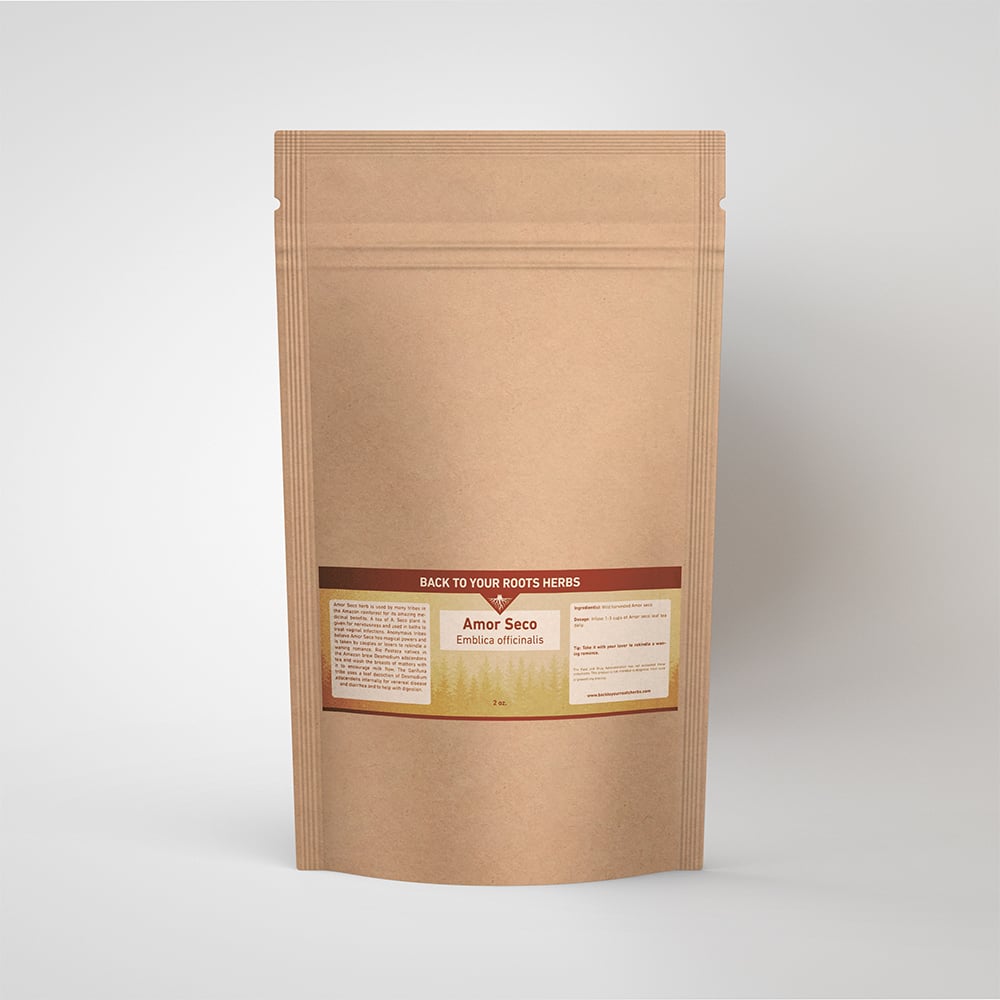
Amor Seco Powder: The Verdict (Internal Quality Score)
Grade A Rainforest Botanical. Wild-harvested Desmodium adscendens from the Peruvian Amazon basin near Iquitos (Lat -3.7437, Long -73.2516). Dense canopy coverage and mineral-rich alluvial soil produce a whole herb powder with elevated soyasaponin and vitexin content. This is not a generic desmodium. The terroir matters.
– Back To Your Roots Herbs Research Group
Sensory Analysis of Amor Seco Powder
First-Hand Assessment of This Herbal Powder
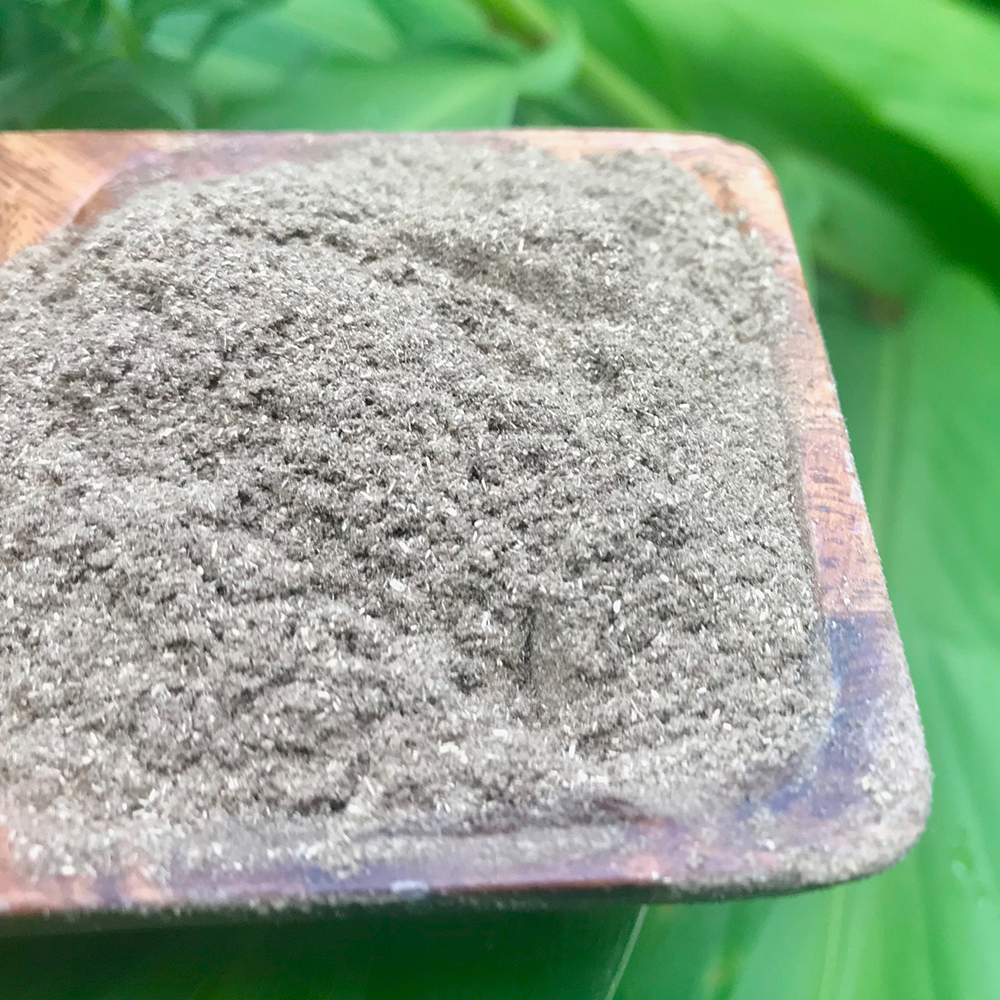
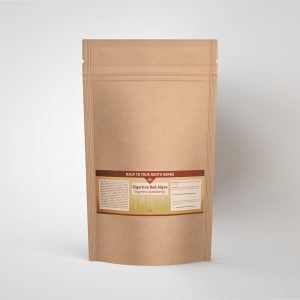
- Look: Fine-milled, olive-green to tan powder with visible leaf fiber. Consistent particle size across the batch.
- Smell: Dry, grassy aroma with a faint sweetness. Comparable to fresh-cut hay with a green herbal undertone.
- Taste: Mild and earthy. Slightly herbaceous with a light bitter finish. Palatable as a simple tea without a sweetener.
Which Plant Is Amor Seco? Desmodium adscendens vs. Look-Alikes
“Amor seco” is a shared common name, not a single species. Several unrelated plants carry it, which is why shoppers often receive something different from what they expected. Our Amor Seco Powder is Desmodium adscendens (family Fabaceae), the rainforest legume Amazonian and Ghanaian herbalists know as Manayupa, Pega Pega, Strong Back, and Tick Clover.
Here is how the common “amor seco” plants differ:
- Desmodium adscendens (what we sell): A Fabaceae legume from the Peruvian Amazon and West Africa. This is the species behind the respiratory and liver research cited on this page. Verified by leaf and stem morphology.
- Desmodium molliculum: A close cousin also sold as “Manayupa,” often harvested in Ecuador. It is a different species with a different compound profile, and it is the plant most frequently mislabeled as adscendens.
- Osmorhiza chilensis: A Patagonian-Andean herb in the carrot family (Apiaceae) that shares the “amor seco” nickname in Argentina and Chile. Botanically unrelated to Desmodium.
- Bidens and other Asteraceae types: Some sellers list “amor seco” from the daisy family. Again, a different plant entirely.
To confirm you have true Desmodium adscendens, check for the Latin binomial on the label, the leaf-and-stem whole-herb form, and a stated origin. Reference botanical records are published by West African Plants and Useful Tropical Plants.
How Does Amor Seco Support Respiratory Health?
The Desmodium Adscendens Mechanism for Airway Comfort
- The Herb: Desmodium adscendens, a rainforest plant native to Peru, Ghana, and tropical Central America. Indigenous healers in the Amazon call this rainforest botanical “Amor Seco” or “Pega Pega.” In Ghana, traditional herbal medicine practitioners have long prepared amor seco tea for people seeking respiratory comfort.
- The Mechanism: In laboratory studies, the soyasaponins in this herb have been observed to activate calcium-dependent potassium channels in respiratory tissue, an action researchers associate with relaxed bronchial smooth muscle and reduced histamine-driven activity. Vitexin, a key flavonoid, has been studied for additional anti-inflammatory activity in lung tissue. This is the mechanism traditionally associated with Amor seco’s reputation for airway comfort.
- The Evidence: Research by Addy and Awumey (1984) found that Desmodium adscendens extracts block anaphylactic contractions in airway smooth muscle. The study (PMID: 6482479) reported dose-dependent inhibition of histamine release and spasmogen activity. Later research (Addy and Burka, 1988, PMID: 3139272) identified three active fractions that each inhibited antigen-induced tracheal contractions. Together, these findings place Desmodium adscendens among the rainforest botanicals studied for antihistamine activity and for moderating the anaphylactic response in airway tissue.
Traditional Uses Across Cultures
In Peru, amor seco powder has long supported respiratory health and muscle comfort. In Belize, where local herbalists call this plant “Strong Back,” the herb is macerated in liquid and consumed for tension in the back, shoulders, and knees. Across West Africa, herbal medicine traditions use desmodium for allergy relief, liver protection, and general detoxification.
Amor Seco Powder for Liver and Detoxification Support
D-pinitol, a low molecular weight compound in this herb, has been studied for hepatoprotective and anti-inflammatory activity. The biological activities of Desmodium adscendens extend beyond respiratory support. Researchers have examined how its triterpenoid saponins and d-pinitol may support the liver’s own antioxidant defenses, including glutathione, the molecule the liver uses to neutralize free radicals (see NIH-indexed phytochemistry research, PMC4566765). In traditional West African and Amazonian practice, desmodium tea is taken to support the body’s natural detoxification pathways and to help maintain healthy liver enzyme balance. This botanical is widely valued where people want gentle, daily liver and detox support.
Critical Usage: Amor Seco Powder Dosage and Safety
Recommended Dosage for Amor Seco Herbal Tea
Steep 1 teaspoon of amor seco powder in 8 oz of hot water for 10-15 minutes. Drink 1-2 cups daily.
Who Should Not Take Amor Seco?
Do not use during pregnancy or lactation. Consult a healthcare practitioner before use if you take prescription medications or have a pre-existing health condition. Discontinue use if adverse reactions occur.
Amor Seco Side Effects and Long-Term Use
Amor seco is generally well-tolerated when used as directed in traditional tea amounts. Most people notice nothing beyond the mild, grassy taste. As with any herb, a small number of people may experience digestive upset or a mild allergic response, so start with a single cup and see how your body responds.
Traditional use of desmodium spans generations of daily tea drinking in Peru, Ghana, and Belize, which points to a long record of everyday tolerability. Formal long-term safety studies in humans are still limited, so a sensible approach is periodic breaks (for example, a few weeks on, then a short pause) rather than continuous high-volume intake. If you are pregnant, nursing, taking prescription medication, or managing a health condition, talk with your healthcare provider before making Amor Seco a daily habit.
Clinical Specs: Amor Seco Powder
| Spec | Detail |
|---|---|
| Serving Size | 1 teaspoon (~2g) |
| Frequency | 1-2 times daily as a herbal tea |
| Active Marker | Soyasaponins, Vitexin, D-pinitol |
| Processing | Whole Herb Powder (No Extract) |
| Safety | Heavy Metal Tested (Pass) |
| Ingredients | Desmodium adscendens (Leaf and Stem) |
| Other Ingredients | None |
| Purity | Organic, Non-GMO, Vegan, Gluten-Free |
| Free From | Wheat, Gluten, Soy, Dairy, Binders, Fillers |
| Origin | Peruvian Amazon Rainforest (Wild-Harvested) |
| Manufactured | Virginia Beach, VA, USA |
Amor Seco Comparison: BTYRH vs Generic Brands
| Feature | BTYRH Amor Seco Powder | Generic Amor Seco Powder |
|---|---|---|
| Origin | Wild-Harvested, Peruvian Amazon (-3.7437, -73.2516) | Unspecified Country |
| Preparation | Whole Herb (Leaf + Stem), Powder, No Extract | Leaf Only or Bulk Extract |
| Species | Verified Desmodium adscendens | Often Desmodium molliculum (mislabeled) |
| Taste | Mild, Earthy, Slightly Herbaceous | Variable / Stale |
| Safety | Heavy Metal Tested, cGMP Manufactured | Unknown / Untested |
DISCLAIMER: These statements have not been evaluated by the Food and Drug Administration. This product is not intended to diagnose, treat, cure, or prevent any disease. Consult a healthcare professional before use.
Reviews
There are no reviews yet.