What is Nopal?
Nopal, scientifically known as Opuntia, is a type of cactus native to Mexico and other arid and semi-arid regions of the Americas. Its pads, called nopales, and its fruits, known as prickly pears, are not only delicious but also rich in essential nutrients. The plant has a long history of use in traditional medicine and cuisine.
Nutritional Profile of Nopal
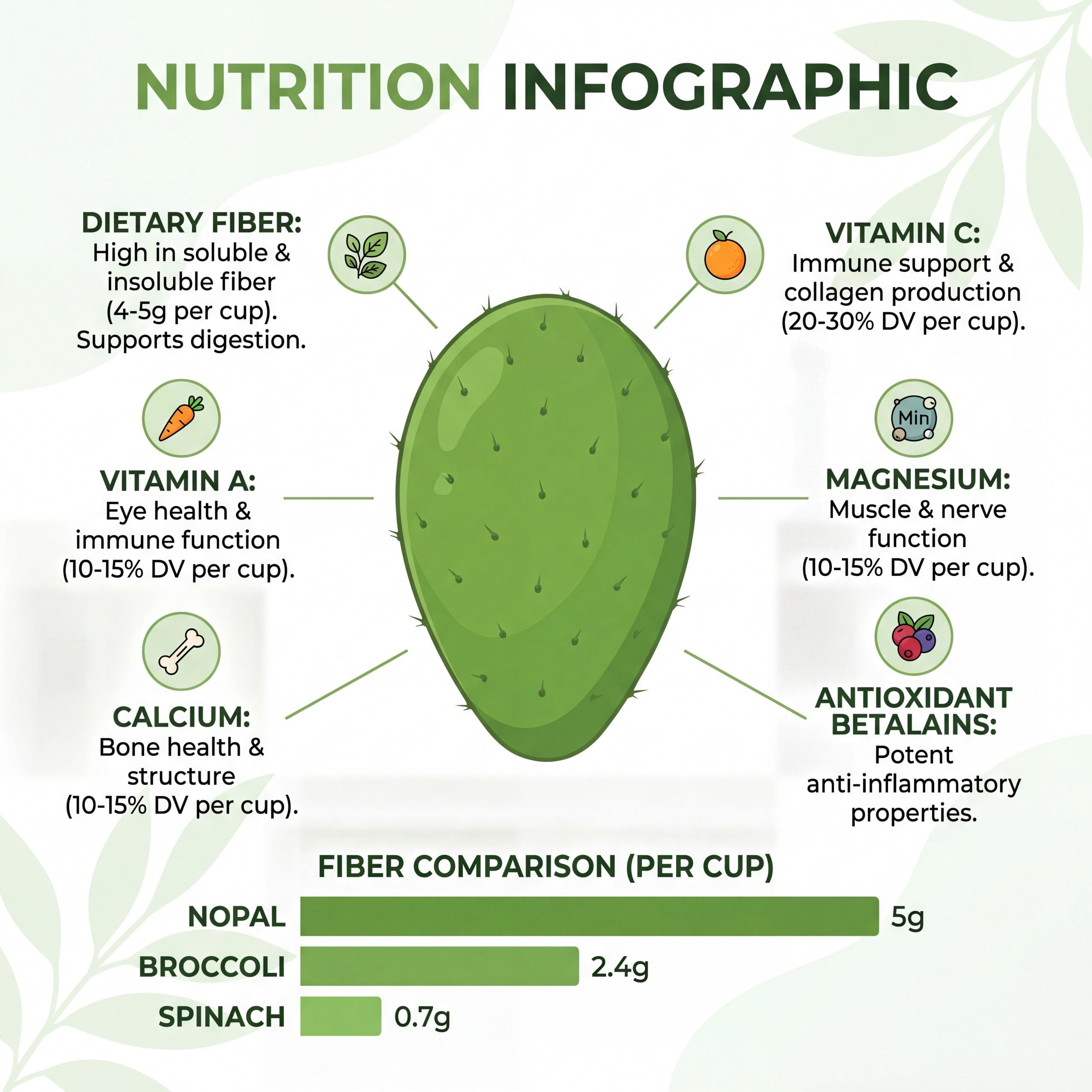
Nopal is low in calories and provides a good source of dietary fiber, vitamins, and minerals. Here’s a breakdown of its nutritional content:
| Nutrient | Amount per 100g |
|---|---|
| Calories | 16 |
| Dietary Fiber | 3.6g |
| Vitamin C | 14mg |
| Calcium | 83mg |
| Magnesium | 18mg |
| Potassium | 220mg |
This nutritional composition contributes to several health benefits, particularly in the context of weight management.
How Nopal Cactus Promotes Weight Loss
Integrating nopal into your meals can yield a variety of health benefits, with a significant impact on weight management. The mechanisms behind ficus-indica and its weight loss properties are multifaceted:
High Fiber Content and Satiety
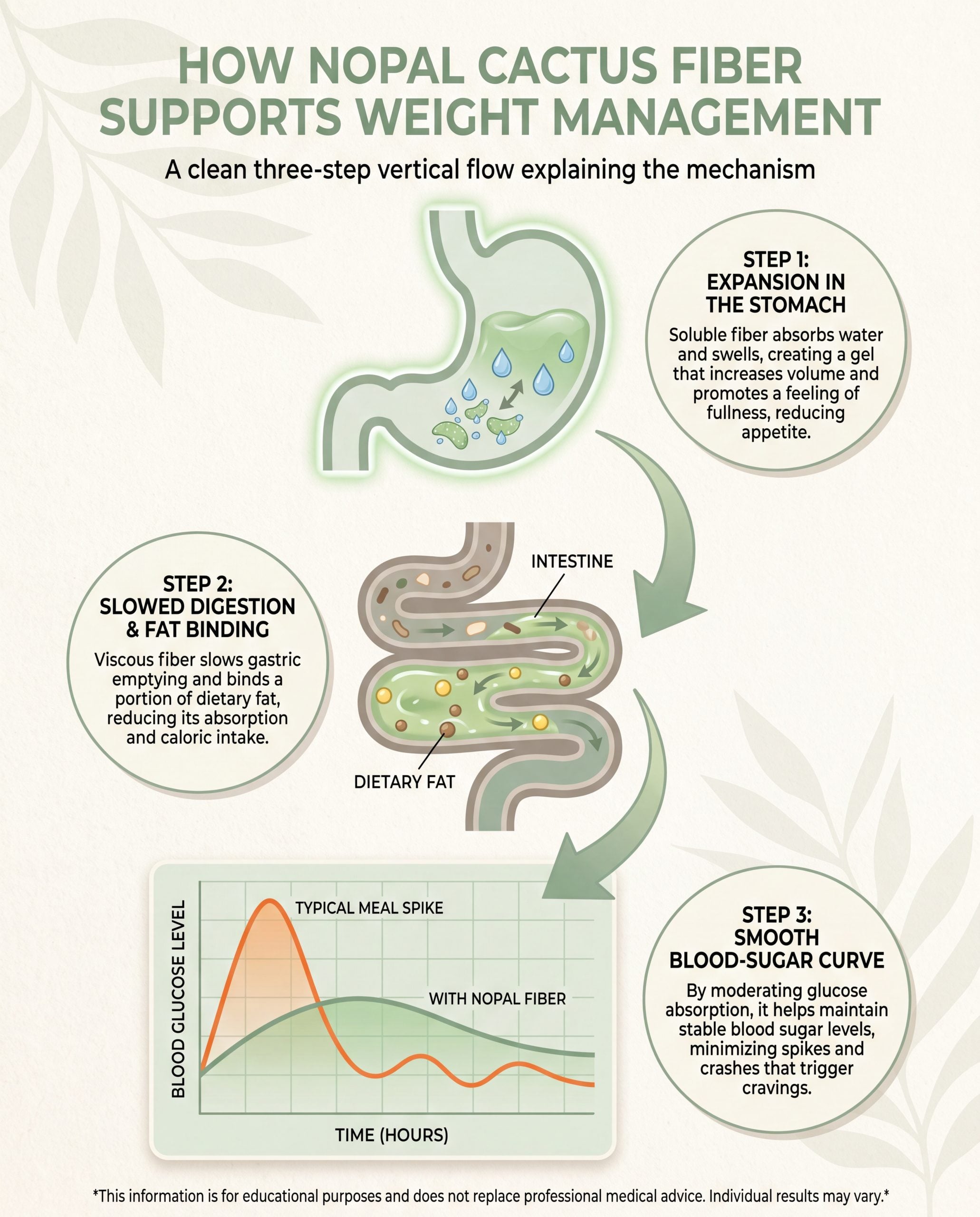
The high dietary fiber content in nopal is crucial for weight loss. Fiber absorbs water and expands in the stomach, promoting a feeling of fullness. This can help control appetite and reduce overall calorie intake.
- Appetite Suppression: The dietary fiber in the nopal slows down digestion, leading to prolonged satiety. This helps reduce the frequency of hunger pangs and may make it easier to avoid overeating. Opuntia’s mucilage and gums further enhance this effect by increasing stomach volume.
- Reduced Calorie Intake: By promoting fullness, nopal naturally helps individuals consume fewer calories.
Fat Binding Properties
Nopal’s fiber doesn’t just promote satiety; it also has fat-binding properties.
- Mechanism: Studies, such as one published in Obesity Research & Clinical Practice, fibers in nopal can bind to dietary fat in the digestive tract. This binding may help limit the absorption of a portion of dietary fat, which is then carried out through normal digestion. The body absorbs fewer calories from the fat consumed.
Blood Sugar Regulation
Nopal has been shown to assist in stabilizing blood sugar levels.
- Mechanism: Opuntia ficus-indica helps regulate blood sugar by slowing down the absorption of carbohydrates. This may help support healthy blood sugar already within the normal range, smoothing the rises and dips that can prompt hunger and extra snacking.
- Insulin Sensitivity: Nopal may improve insulin sensitivity, which is beneficial for individuals with or at risk of type 2 diabetes. Supporting steady blood sugar already in the normal range may help moderate the insulin response that is associated with fat storage. A clinical trial showed that participants who consumed nopal experienced lower postprandial blood glucose levels compared to those who did not.
- Diabetes Management: It is important for individuals taking diabetes medication to work closely with their healthcare provider, as nopal consumption may necessitate an adjustment of medication dosages to prevent hypoglycemia.
Other Health Benefits of Nopal
Beyond weight loss, nopal offers a range of other health benefits:
Rich in Antioxidants
The nopal cactus is loaded with antioxidants, including flavonoids, polyphenols, and betalains. These compounds combat oxidative stress, potentially lowering the risk of chronic diseases. These antioxidants help neutralize free radicals, reducing inflammation and protecting cells from damage.
Digestive Health
The fiber in nopal, besides aiding weight loss, also supports digestive health. It acts as a prebiotic, promoting the growth of beneficial gut bacteria. A healthy gut microbiome is essential for optimal digestion, nutrient absorption, and overall well-being.
Nerve Cell Protection
Nopal cactus offers protection to nerve cells.
- Nerve Cell Support: Antioxidant compounds in nopal have been studied for their role in supporting nerve cell health and protecting cells from oxidative stress.
Scientific Studies and Evidence Supporting Nopal’s Benefits
Research supports many of the traditional uses and purported health benefits of nopal:
- Weight Loss and Fat Reduction: A study published in the Journal of Ethnopharmacology found that nopal supplementation significantly reduced body weight and fat mass in overweight individuals. Another study, featured in Nutrition Journal, observed increased fecal fat excretion in participants consuming nopal fiber.
- Blood Sugar Management: Research has indicated that nopal cactus can improve glycemic control.
- Antioxidant Properties: Studies have highlighted the potent antioxidant activity of nopal, confirming its ability to neutralize free radicals and reduce inflammation.
What the Clinical Studies Actually Show
In our editorial review of the published literature, it helps to separate two different things: research on a standardized Opuntia ficus-indica fiber complex, and research on raw nopal eaten as a food. Most of the positive weight-management data comes from a patented cactus fiber known as Litramine IQP-G-002AS, not from raw cactus pads. In a double-blind, randomized, placebo-controlled trial of 125 overweight and obese adults, 3 grams per day of this fiber complex was associated with greater body-weight reduction than placebo, and laboratory analysis showed it bound a measurable portion of dietary fat (Grube et al., 2013, Obesity, PMID: 23505169). A later review of four controlled studies reached a similar conclusion on its fat-binding action and good tolerability (Chong et al., 2014, Evidence-Based Complementary and Alternative Medicine, PMID: 25254061).
The picture for raw nopal is more measured, and we think that honesty matters. A systematic review and meta-analysis of randomized trials found no statistically significant effect on body weight itself, while reporting small reductions in body-mass index, body-fat percentage, and total cholesterol that the authors called modest (Onakpoya et al., 2015, Nutrition, PMID: 25837206). For broader context on nopal’s fiber, betalains, and antioxidant compounds, see the bioactive-compounds review indexed at PMC6270776 and the integrative-medicine herb database from Memorial Sloan Kettering Cancer Center.
Nopal vs. Other Weight Loss Supplements
Nopal stands out due to its multifaceted benefits. While green tea primarily boosts metabolism and glucomannan aids in appetite suppression, nopal offers a combination of fiber for satiety, blood sugar regulation, fat-binding properties, and antioxidant support, making it a comprehensive option for weight management.
Combining Nopal With Other Weight-Management Supplements
A question we hear often is whether nopal can be taken alongside other popular supplements. Because nopal works largely through soluble and insoluble fiber, it generally pairs well with ingredients that act through different routes, such as green tea extract, which is often used for metabolic support, and glucomannan, another viscous fiber used for appetite support. From our assessment, the main practical caution is timing rather than chemistry. Fiber can slow the absorption of anything taken at the same time, including medications and some nutrients. A simple approach is to separate nopal from prescription medications by two to three hours and to add only one new supplement at a time so you can judge how your body responds.
Stacking several fiber sources at once can also increase the digestive effects described in the side-effects section below, so building up gradually and staying well hydrated is sensible. As with any combination, the safest step is to review your full supplement and medication list with a pharmacist or healthcare provider before you begin, especially if you take blood-sugar or blood-pressure medication.
How to Incorporate Nopal into Your Diet
Adding nopal to your meals is simple and enjoyable. Here are some creative ways to include this nutritious cactus in your diet:
Culinary Uses
- Grilled Nopales: Slice the pads and grill them for a smoky flavor. They can be served as a side dish or added to tacos.
- Nopal Salad: Combine diced nopales with fresh tomatoes, onions, cilantro, and a lime dressing for a refreshing and nutritious salad.
- Juices and Smoothies: Blend prickly pear fruit or nopal pads into smoothies. Choose whole, fresh ingredients over commercially prepared juices, which may have added sugars.
- Huevos con Nopales: A traditional Mexican breakfast dish of eggs scrambled with cooked nopal.
- Tacos de Nopales: Use grilled or sautéed nopal as a filling for tacos.
Taste and Texture
Raw nopal has a slightly tart, citrusy flavor, often compared to green beans. Its texture is crisp and somewhat mucilaginous (slimy). Cooking the nopal softens the texture and reduces the mucilaginous quality. Blanching the pads before cooking can also help minimize the slime.
Recommended Dosage
For weight loss benefits, incorporating about 100-200 grams of nopal pads per day is considered effective. If using supplements, follow the manufacturer’s dosage instructions, typically ranging from 500 mg to 1000 mg per day.
Timing of Consumption
Consuming nopal before meals can enhance feelings of fullness, aiding in appetite control. Including it as part of breakfast can kickstart the metabolism for the day.
Preparation Methods
- Raw Consumption: To safely consume raw nopal, ensure all spines are removed. Rinse the pads thoroughly and consider blanching them to soften the texture and reduce mucilage.
- Cooking Tips: To preserve the nutritional integrity of nopal during cooking, avoid excessive heat or prolonged cooking times. Grilling, steaming, or lightly sautéing are preferable methods.
Potential Drawbacks and Side Effects of Nopal Cactus
While nopal offers many benefits, it’s important to be aware of potential side effects and take precautions:
Digestive Issues
Some individuals may experience digestive discomfort, such as bloating, gas, or mild diarrhea, when consuming nopal, especially in large quantities. Starting with small portions and gradually increasing intake allows the body to adjust.
Allergic Reactions
Although rare, some people may be allergic to nopal or prickly pear. Symptoms can include itching, swelling, or difficulty breathing. If you experience any of these, discontinue use and seek medical attention immediately.
Drug Interactions
Opuntia may interact with certain medications, altering their effectiveness.
- Diabetes Medications: Nopal can enhance the effects of diabetes medications (such as glimepiride, insulin, metformin, glyburide, and chlorpropamide), potentially leading to hypoglycemia (low blood sugar). Close monitoring of blood sugar levels is essential, and medication dosages may need adjustment under medical supervision.
- Blood Thinners: It can enhance the effects of blood thinners, leading to an increased risk of bleeding.
- Blood Pressure Medication: It may also interfere with blood pressure medications, potentially causing hypotension. Individuals on these medications should consult their healthcare provider before adding nopal to their diet.
Who Should Avoid Nopal
- Kidney Disease: Individuals with kidney issues should exercise extreme caution, and possibly avoid nopal. Kidneys that do not function properly may not be able to remove potassium.
- Surgery: Discontinue nopal consumption at least two weeks before any scheduled surgery due to its potential impact on blood sugar control.
- Pregnancy/Breastfeeding: While nopal in food amounts is generally considered safe during pregnancy and breastfeeding, there isn’t enough reliable information about the safety of larger medicinal amounts. Consult with a healthcare professional before using nopal supplements.
- Children: There is a lack of evidence if it is safe for children.
Always consult with a healthcare professional before making significant dietary changes, especially if you have underlying health conditions or are taking medications.
Comparative Nutritional Benefits
Comparing nopal cactus to other common vegetables highlights its nutritional advantages:
| Vegetable | Calories (per 100g) | Fiber (g) | Vitamin C (mg) | Calcium (mg) |
|---|---|---|---|---|
| Nopal Cactus | 16 | 3.6 | 14 | 83 |
| Spinach | 23 | 2.2 | 28 | 99 |
| Broccoli | 34 | 2.6 | 89 | 47 |
| Kale | 35 | 4.1 | 120 | 150 |
| Green Beans | 31 | 3.4 | 12 | 37 |
| Asparagus | 20 | 2.1 | 5.6 | 24 |
- Caloric Content: Nopal cactus has a very low-calorie count, making it an excellent choice for weight management.
- Fiber Content: While kale has slightly more fiber, nopal offers a substantial amount that aids in satiety and digestive health.
- Vitamin C: Nopal provides a moderate amount of vitamin C.
- Calcium: Nopal is a good source of calcium.
Recipes to Incorporate Nopal into Your Diet
These recipes offer tasty and easy methods to include it effectively in your meals:
Grilled Nopal Tacos
Ingredients:
- 2 nopal pads, cleaned and sliced
- 1 tablespoon olive oil
- Salt and pepper to taste
- Corn or flour tortillas
- Fresh salsa and avocado for topping
Instructions:
- Preheat the grill to medium-high heat.
- Brush nopal slices with olive oil and season with salt and pepper.
- Grill for 3-4 minutes on each side until tender.
- Serve in tortillas with salsa and avocado.
Nopal Salad with Citrus Dressing
Ingredients:
- 1 cup diced nopal, cooked or blanched
- 1 cup cherry tomatoes, halved
- 1/2 red onion, diced
- 1/4 cup cilantro, chopped
- Juice of 1 lime
- Salt and pepper to taste
Instructions:
- In a bowl, combine nopal, tomatoes, onion, and cilantro.
- Drizzle with lime juice and season with salt and pepper.
- Toss gently and serve chilled.
Nopal and Fruit Smoothie
Ingredients:
- 1/2 cup cleaned and diced nopal
- 1/2 cup prickly pear fruit (tuna), peeled and diced
- 1/2 cup pineapple chunks
- 1/2 cup spinach
- 1/2 cup water or coconut water
- Optional: 1 tablespoon chia seeds
Instructions:
- Combine all ingredients in a blender.
- Blend until smooth.
- Add more water if needed to reach the desired consistency.
How Long Does It Take to See Results With Nopal?
There is no fixed timeline, and honest expectations matter here. The clearest data point comes from the controlled fiber-complex trials, where measurable changes in body weight were tracked over a twelve-week study window (Grube et al., 2013, Obesity, PMID: 23505169). In everyday use, most people who add nopal to a calorie-aware diet should think in terms of weeks to a few months rather than days. The earliest effect many people notice is greater fullness at meals within the first week or two, because the fiber adds volume and slows digestion.
Several factors shape how quickly you might notice a difference. These include the form you use, whether fresh pads, powder, or a standardized fiber supplement, along with the daily amount, your overall diet, and your activity level. From our editorial perspective, nopal is best viewed as one supporting tool within a sustainable routine rather than a quick fix. If you have seen no change after roughly eight to twelve weeks of consistent use alongside sensible eating, it is worth reassessing your overall plan with a healthcare provider.
How soon might I notice a difference? Many people report increased fullness within one to two weeks, while changes the scale reflects typically take longer and depend heavily on diet and activity.
Conclusion
The nopal cactus is a versatile and nutrient-dense food that can enhance your diet while providing numerous health benefits. Its high fiber content, fat-binding properties, and ability to regulate blood sugar make it a valuable addition to a weight-loss plan. It is also rich in antioxidants and has antiviral and nerve cell-protecting properties. However, it’s important to be mindful of potential side effects and interactions, especially if you have pre-existing health conditions or take medications. Always consult with a healthcare professional before adding Opuntia to your diet, particularly in supplemental form. By incorporating Opuntia ficus-indica wisely and responsibly, you can harness its potential to support your weight management goals and overall health.
Frequently Asked Questions About Nopal and Weight Management
How does nopal cactus support weight management?
Nopal is rich in soluble and insoluble fiber, which adds bulk in the stomach, slows digestion, and supports a feeling of fullness that can make portion control easier. Its fiber may also help limit the absorption of a portion of dietary fat and support healthy blood sugar already within the normal range.
Are there side effects of using nopal for weight management?
Nopal is generally well tolerated as a food. The most common effects are mild and digestive, such as bloating, gas, or looser stools, especially when fiber intake increases quickly. People with cactus allergies and those taking blood-sugar medication should be cautious and speak with a healthcare provider first.
Can nopal be combined with other weight-loss supplements?
It usually can, because nopal acts mainly through fiber. The practical caution is timing, since fiber can slow the absorption of medications and other supplements taken at the same time. Separating nopal from medications by two to three hours and adding one new product at a time is a sensible approach.
What is the recommended amount of nopal for weight management?
Common use is roughly 100 to 200 grams of fresh nopal pads per day. For supplements, labels typically suggest 500 mg to 1000 mg per day. Start low, increase gradually, and follow the product label or your provider’s guidance.
How long does it take to see results with nopal?
Many people notice greater fullness within one to two weeks. Changes the scale reflects usually take several weeks to a few months and depend on overall diet and activity. Controlled trials of a standardized cactus fiber tracked body-weight changes over a twelve-week window.