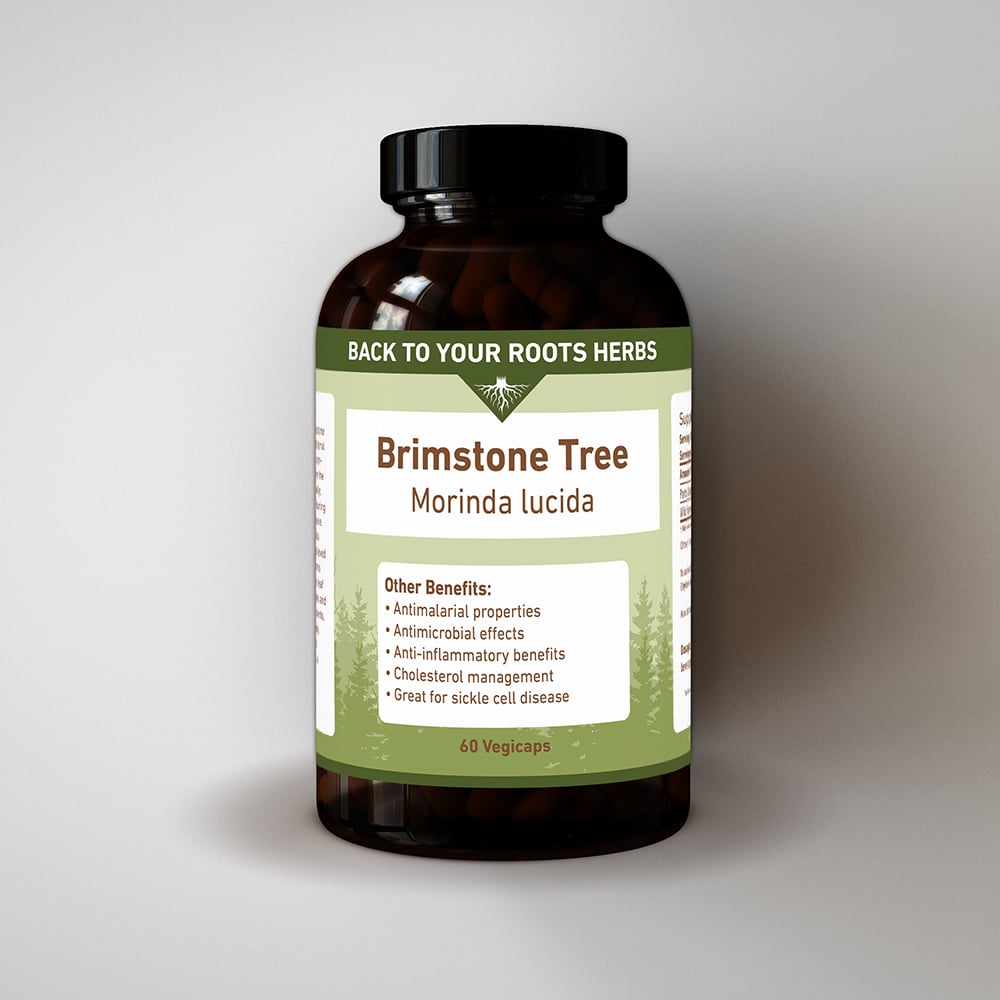

Originating from the verdant landscapes of Africa, Morinda lucida, also known as the Brimstone Tree or Oruwo, has been a cornerstone of traditional wellness practices for generations. This plant contains a rich array of natural compounds that are the subject of ongoing scientific interest. The historical application of this botanical is now available in the simple form of encapsulated leaf extract, making its properties more accessible for modern use. The focus of many studies on Morinda lucida health applications is its impressive phytochemical profile.
Support for Bodily Defenses
Traditionally, the Oruwo leaf was prepared to help the body during times of fever and other challenges to the immune system. The plant’s natural composition includes alkaloids and saponins, compounds that are believed to support the body’s innate defense mechanisms and maintain a state of balance.
Antioxidant Properties
Morinda lucida leaf contains a significant concentration of flavonoids and phenols. These compounds function as antioxidants, which help to neutralize free radicals in the body. The activity of these antioxidants contributes to protecting cells from oxidative stress, which is a factor in overall long-term health.
Assistance with Metabolic Balance
One of the well-documented traditional uses of Brimstone Tree is for the support of metabolic health. Specifically, it has been used to help maintain blood sugar levels already within a normal range. This function is often attributed to the plant’s complex interaction with various metabolic pathways.
Promotion of Digestive Comfort
The plant has also been traditionally turned to for soothing the digestive system. Extracts from the leaf were used to address stomach aches and dysentery, pointing toward properties that help maintain a calm and functioning digestive tract.
Traditional West African Heritage and Phytochemistry
Morinda lucida Benth. belongs to the Rubiaceae family, the same botanical family as coffee. In the Yoruba tradition of southwestern Nigeria, it carries the name Oruwo, and across West Africa, the bitter leaf and bark were traditionally prepared by herbalists during times of fever. The plant’s bitterness traces to its anthraquinone content, a group of compounds that, alongside iridoids and flavonoids, keeps Morinda lucida a frequent subject of modern laboratory research.
A 2021 review in the Journal of Ethnopharmacology by Adewole and colleagues cataloged the plant’s ethnomedicine, phytochemistry, and pharmacology, documenting more than a dozen anthraquinones isolated from the wood and bark (PMID 33753141). This body of work reflects scientific interest in the plant and is not a claim of medical benefit.
Morinda lucida vs. Morinda citrifolia (Noni)
Shoppers and search engines often confuse two members of the Morinda genus. Morinda lucida is the Brimstone Tree of West Africa, traditionally used as a leaf, bark, and root botanical. Morinda citrifolia is Noni, a Southeast Asian and Polynesian plant valued for its fruit. The two share a genus and the Rubiaceae family, yet they are different species from different regions, prepared from different plant parts. This product is Morinda lucida, the African Brimstone Tree.
| Feature | Morinda lucida (this product) | Morinda citrifolia (Noni) |
|---|---|---|
| Common Name | Brimstone Tree, Oruwo | Noni, Indian Mulberry |
| Native Region | West and Central Africa | Southeast Asia, Polynesia |
| Part Traditionally Used | Leaf, bark, root | Fruit |
| Botanical Family | Rubiaceae | Rubiaceae |
Areas of Ongoing Scientific Interest
Soothing and Comfort
Beyond its traditional role with the digestive system, the leaf has historically been turned to for general comfort. The flavonoids and iridoids in Morinda lucida are studied in the laboratory for how the plant interacts with the body’s normal inflammatory response. Researchers have examined an ethanolic leaf extract at the cellular level for these properties (PMC8116761).
Antimicrobial and Antifungal Research
Laboratory work has examined how extracts of the leaf, bark, and root behave against various microbes and fungi. A 2025 study in Scientific Reports looked specifically at root extracts and their antifungal behavior in the lab. This work sits at the research stage and is not a claim of medical benefit.
Metabolic Balance Research
The traditional use of Brimstone Tree for blood sugar already within a normal range has drawn formal study. A 2019 paper examined how an aqueous leaf extract relates to pancreatic beta-cell function in an animal model, adding scientific context to the plant’s long history in this area.
Purity and Quality in Every Capsule
Back To Your Roots Herbs provides a product that honors the plant’s traditional origins while adhering to modern standards of quality and purity. We ensure that every step, from sourcing to bottling, is handled with care.
| Quality Standard | Specification |
|---|---|
| Source Material | 100% Pure Morinda Lucida Leaf Extract |
| Capsule Type | Vegicaps (All-Natural Vegetable Cellulose) |
| Free From | Animal By-products, Starch, Wheat, and Dairy |
| Purity | No Preservatives, Ethylene Oxide, or Sulfites |
| Manufacturing | Produced in a GMP-Certified Facility |
| Verification | Third-Party Lab Tested for Purity and Potency |
Product Details and Suggested Use
For optimal results, it is important to follow the suggested use guidelines. Consistency is key when incorporating a new herbal supplement into your wellness routine.
| Attribute | Detail |
|---|---|
| Common Names | Brimstone Tree, Oruwo |
| Origin | Africa |
| Part Used | Leaf |
| Product Form | 500mg Capsules |
How to Use
Take one (1) to two (2) capsules daily with a meal, or as directed by your healthcare professional. Do not exceed the recommended dosage. These Morinda lucida capsules are designed for easy integration into your daily health regimen.
Frequently Asked Questions about Oruwo
What are the active compounds in Morinda lucida?
The primary active compounds found in the leaf extract are alkaloids, flavonoids, tannins, anthraquinones, and saponins. This combination of phytochemicals is responsible for its range of biological activities.
Are there any side effects to consider?
When taken at the recommended dosage, Morinda lucida is generally well-tolerated. However, as with any supplement, it is best to consult with a healthcare provider before beginning use, especially if you are pregnant, nursing, have a pre-existing medical condition, or are taking other medications.
What is the difference between the leaf, bark, and root?
While various parts of the plant are used in traditional medicine, the leaves are most commonly selected for extracts and capsules. The reason is their rich and accessible concentration of beneficial phytochemicals, which can be processed while ensuring the sustainability of the plant.
Is Morinda lucida the same as Noni?
No. Morinda lucida is the African Brimstone Tree (Oruwo), traditionally prepared from the leaf, bark, and root. Noni is Morinda citrifolia, a separate Polynesian species valued for its fruit. Both belong to the Rubiaceae family, but this product is the African Morinda lucida.
Is Morinda lucida safe to take during pregnancy?
Traditional practice and the research literature both advise caution. The leaf and stem bark have been studied for effects on uterine muscle and fertility, and high doses have been examined in animal models for effects on liver enzymes. For this reason, those who are pregnant or nursing should avoid use, and anyone taking medication should speak with a healthcare provider first.
Legal Information: The Food and Drug Administration has not evaluated these statements. This product is not intended to diagnose, treat, cure, or prevent any disease.
Reviews
There are no reviews yet.