The Verdict (Internal Quality Score)
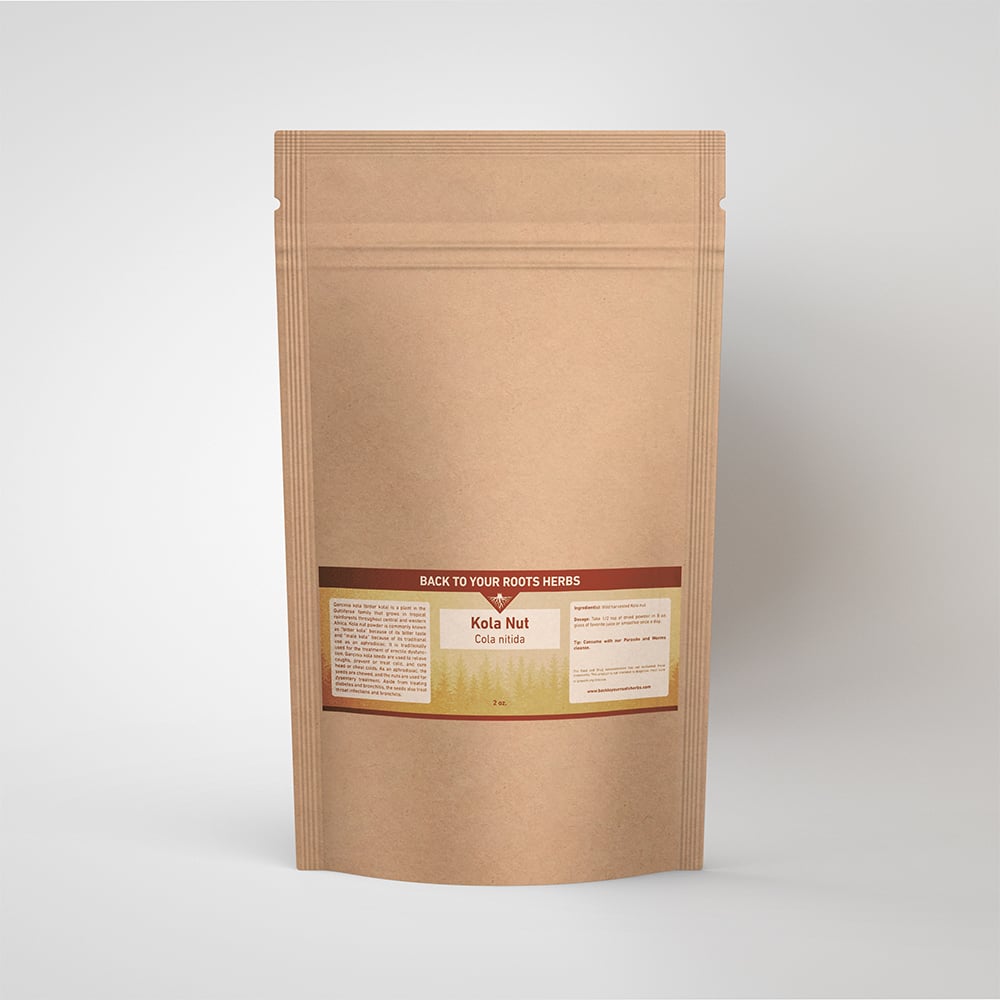
Grade A kola nut powder. Potency Score: Excellent. Sourced from the Ondo State kola belt of southwestern Nigeria, the ancestral home of Cola acuminata, this kola nut powder preserves the full caffeine and theobromine profile of the whole seed. No solvent extract, no isolates, no fillers. West African origin confirmed, heavy metal tested, stone-ground to a fine powder within 90 days of harvest.
– Back To Your Roots Herbs Research Group
Sensory Analysis of Our Kola Nut Powder
We cup every lot of kola nut powder before release. Here is the first-hand sensory report from our Virginia Beach lab.
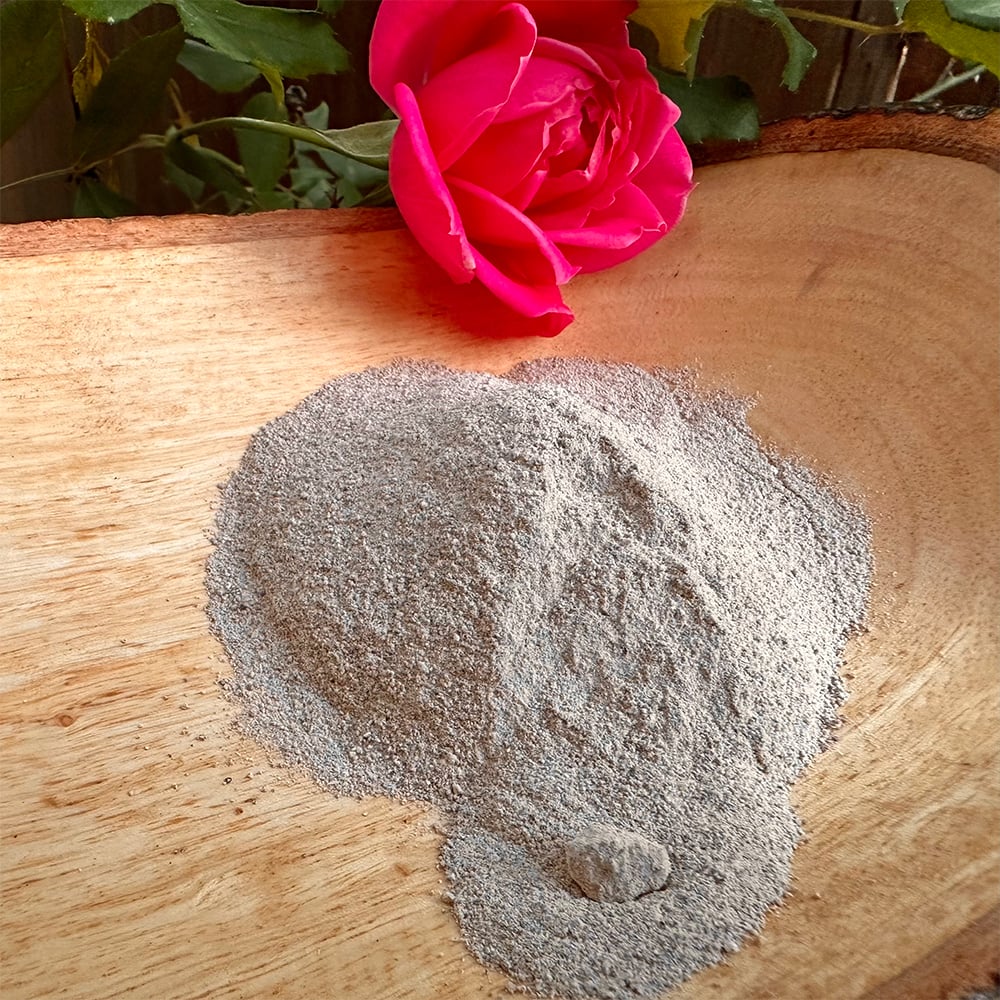
Look
Warm reddish-brown with visible cotyledon flecks. Fine, uniform grind. No clumping, no grit, no oil film.
Smell
Earthy and slightly roasted, with a faint cocoa-adjacent sweetness from the theobromine. A secondary note of fresh green bark sits behind the primary aroma.
Taste
Bitter and astringent on first contact. The bitterness softens into a dry, tea-like finish. West Africans who chew the fresh nut describe water tasting sweet immediately afterward, a sensory signature of raw kola nut and one of the oldest questions in kola nut folklore.
How Does Kola Nut Powder Work?
Kola nut powder is the ground seed of the Cola acuminata tree, an evergreen of the Malvaceae family native to the tropical rainforests of West Africa. The kola nut is a caffeine-containing seed harvested from trees primarily of the species Cola acuminata and Cola nitida. Our kola powder is whole-seed, not extract.
The Herb
Cola acuminata is sourced from Ondo State, Nigeria, the region historically regarded as the center of origin for the species. Nigeria produces roughly 55% of the world’s kola nut supply. Our kola nuts are harvested at full maturity, shade-dried, stone-milled, and packaged into 2-oz resealable pouches in Virginia Beach, VA.
The Mechanism
Kola nut powder works primarily through two naturally occurring methylxanthines: caffeine and theobromine. Caffeine is the principal alkaloid and is present at higher concentrations than in coffee beans by dry weight. Theobromine, the same compound found in cacao, acts as a milder, longer-lasting companion stimulant. Together, these xanthines support alert wakefulness and sustained mental clarity, which is why West African cultures have used kola nut as a hospitality offering and ceremonial herb for centuries.
The Evidence
A peer-reviewed safety assessment by Burdock et al. (2009), published in Food and Chemical Toxicology, concluded that kola nut extract is Generally Recognized As Safe (GRAS) for use as a food ingredient at customary consumption levels, with caffeine identified as the principal pharmacologically active constituent. PMID: 19394393.
Entity Context: Related West African Botanicals
Kola nut is often discussed alongside other West African plants. Garcinia kola (bitter kola) is a separate species in a different genus, not interchangeable with kola nut. Cola nitida is the sister species most commonly exported for commercial cola flavor. Centella asiatica is occasionally paired with kola nut in traditional herbal formulas for combined focus support. Our product is pure Cola acuminata kola nut powder, no blends.
Traditional Uses of Kola Nut Powder
Kola Nut Tea
The most common use. One rounded half-teaspoon of kola nut powder steeped 6 to 8 minutes in 8 oz of near-boiling water produces a dark, bitter, tea-like infusion. Strain through a fine mesh. Honey or cardamom mellows the astringency.
French Press Method
For a richer kola nut drink, use one teaspoon of kola powder per 8 oz of hot water in a French press. Steep 7 minutes, press, pour. The French press retains more of the fine particulate and delivers a fuller mouthfeel than a strained tea.
Tincture & Capsule Prep
Kola nut powder is commonly encapsulated in size 00 vegetable capsules at 500 mg per capsule. For a traditional kola nut tincture, combine 1 part powder with 5 parts 80-proof vodka or glycerin, macerate for 4 weeks, and strain. These preparations are for informational purposes only and are not a product we currently sell.
Culinary and Cultural Uses
Kola nut is the ceremonial herb of West African hospitality, shared among guests in Igbo, Yoruba, and Hausa traditions. In modern kitchens, a pinch of kola nut powder adds depth to dark chocolate desserts, West African coffee blends, and traditional palm wine recipes.
Critical Usage, Dosage & Contraindications
Kola nut powder contains caffeine. Use responsibly.
Serving Size
1/4 to 1/2 teaspoon of kola nut powder, 1 to 2 times per day, not within 6 hours of bedtime.
Who Should Not Use Kola Nut Powder
Do not use if pregnant or nursing. Do not use if you are sensitive to caffeine, have a cardiovascular condition, uncontrolled high blood pressure, an anxiety disorder, or a history of kidney stones. Do not combine with prescription stimulants, MAO inhibitors, or other high-caffeine products. Not for children. Consult a qualified healthcare provider before using kola nut powder or any herbal supplement, especially if you take prescription medication.
Storage
Keep kola nut powder sealed, cool, dry, and out of direct sunlight. Use within 12 months of opening for peak potency.
Clinical Specs
| Spec | Detail |
|---|---|
| Serving Size | 1/4 to 1/2 teaspoon (approximately 500 mg to 1 g) |
| Frequency | 1 to 2 times daily, not within 6 hours of bedtime |
| Active Marker | Naturally occurring caffeine and theobromine (whole-seed profile) |
| Processing | Shade-dried whole seed, stone-milled to a fine powder, no solvent extraction |
| Safety | Heavy Metal Tested (Pass) |
| Ingredients | 100% Cola acuminata (kola nut) seed powder |
| Other Ingredients | None (capsule version uses vegetable cellulose) |
| Purity | Organically grown, Non-GMO, Vegan |
| Free From | Wheat, Gluten, Soy, Dairy, Binders, Fillers |
| Origin | Ondo State, Nigeria (Idanre kola belt, specified terroir) |
| Manufactured | Virginia Beach, VA, USA |
Comparison Table: Our Kola Nut Powder vs Generic Kola Powder
| Feature | BTYRH Kola Nut Powder | Generic Kola Nut Extract Powder |
|---|---|---|
| Origin | Ondo State, Nigeria (single-origin) | Unspecified blend |
| Preparation | Whole-seed stone-milled kola powder, no extract | Solvent-extracted kola nut extract standardized to caffeine |
| Taste | Earthy, bitter-astringent, tea-like finish | Flat, bitter, lacks the cocoa note of whole kola |
| Safety | Heavy Metal Tested, Ondo State traceability | Unknown testing, unknown origin |
Frequently Asked Questions About Kola Nut Powder
What is kola nut powder?
Kola nut powder is the finely ground seed of the Cola acuminata tree, a caffeine-containing evergreen native to West Africa. The whole-seed powder preserves the natural caffeine, theobromine, and tannin profile of the kola nut without solvent extraction.
How do I brew kola nut powder?
Steep 1/2 teaspoon of kola nut powder in 8 oz of near-boiling water for 6 to 8 minutes, then strain. For a fuller kola nut drink, use a French press. Sweeten with honey or add cardamom to soften the natural bitterness.
What does kola nut do to the body?
Kola nut contains naturally occurring caffeine and theobromine, the two primary stimulants that contribute to the traditional energizing reputation of kola nut powder in West African culture. Individual sensitivity varies.
Why does water taste sweet after taking kola nut?
The tannins and astringent compounds in kola nut temporarily suppress bitter and sour taste receptors. When you sip water afterward, the contrast makes the water read as sweeter than usual. This sensory phenomenon is one of the oldest kola nut folk observations.
What is the difference between Cola acuminata and Cola nitida?
Both are true kola nuts in the genus Cola. Cola acuminata typically has a smaller nut with three or more cotyledons, a slightly more bitter profile, and a deeper ceremonial role in Igbo and Yoruba traditions. Cola nitida has a larger nut, two cotyledons, and is the species historically exported for commercial cola flavoring.
What Is Kola Nut Powder Used For?
Most people meet kola nut through the soft-drink story, yet the whole seed carries a wider traditional record across West Africa. These are traditional and research-supported structure and function roles, not disease treatments.
- Natural energy and alertness: Kola nut powder is traditionally used to support alert wakefulness. The lift comes from its naturally occurring caffeine and theobromine, the two methylxanthines that also shape its flavor.
- Steadier mental focus: Theobromine works more slowly and lasts longer than caffeine on its own, which is why chewers describe a smoother rise than coffee. Whole-seed powder keeps both compounds together in their natural ratio.
- Antioxidant compounds: Beyond the stimulants, kola nut is rich in catechin, epicatechin, and procyanidins. A polyphenol analysis of Cola acuminata and Cola nitida measured this catechin and procyanidin content and reported measurable antioxidant capacity (Atawodi et al., 2007, PMID 17979235).
- Traditional hospitality and ceremony: The nut is shared among guests in Igbo, Yoruba, and Hausa custom, a social role that predates any commercial use.
Because the caffeine in kola nuts can change how the body handles some medications, talk with your healthcare provider before regular use if you take prescription drugs. A pharmacokinetic study of Cola nitida in an animal model reported altered handling of a common medication (PMC6945619).
Can You Make Homemade Cola From Kola Nut Powder?
Yes. Kola nut is the original namesake flavor of cola, and the whole-seed powder lets you build a homemade cola syrup from scratch. The method is simple kitchen work, not chemistry.
Kola Nut Cola Syrup
- Combine: 2 cups water, 1 cup cane sugar, 2 tablespoons kola nut powder, the zest of 1 orange, 1 lemon, and 1 lime, 1 cinnamon stick, half a teaspoon of grated nutmeg, and 1 teaspoon of vanilla.
- Simmer: Bring to a low simmer for 20 minutes. Keep it gentle so the citrus oils stay bright.
- Steep and strain: Pull it off the heat, rest 15 minutes, then strain through a fine mesh or a coffee filter to catch the fine particulate.
- Mix: Pour 1 part syrup to 4 parts chilled carbonated water over ice. Adjust to taste.
Caffeine note: Kola nut powder contains naturally occurring caffeine, so any homemade cola made with it is caffeinated. Match the amount of powder to your own tolerance, skip it within 6 hours of bedtime, and keep it away from children.
Other Ways To Cook With Kola Nut Powder
The same bitter, cocoa-adjacent depth works in the kitchen beyond soda. A small pinch deepens dark chocolate desserts and brownies. A quarter teaspoon rounds out a West African coffee or spice blend. It also seasons a dry rub for grilled meat, where its tannins read as a roasted, savory bitterness.
Bitter Kola vs Kola Nut: What Is the Difference?
This is the question shoppers ask most, and the two are not the same plant. True kola nut is the seed of Cola acuminata or Cola nitida in the genus Cola. Bitter kola is Garcinia kola, a different genus in a different family. They share a market table but behave differently.
| Feature | True Kola Nut (Cola acuminata) | Bitter Kola (Garcinia kola) |
|---|---|---|
| Genus and family | Cola, Malvaceae | Garcinia, Clusiaceae |
| Primary compounds | Caffeine, theobromine, catechins | Kolaviron biflavonoids, low caffeine |
| Taste | Bitter then tea-like, cocoa-adjacent | Sharply bitter with a resinous finish |
| Traditional role | Energy, hospitality, ceremony | Chewed alone as a bitter tonic |
Our product is true kola nut, 100% Cola acuminata seed powder. It is not bitter kola and not a Garcinia kola product.
Reviewed by the Back To Your Roots Herbs Editorial Team. Last reviewed: June 2026.
DISCLAIMER:
These statements have not been evaluated by the Food and Drug Administration. This product is not intended to diagnose, treat, cure, or prevent any disease. Kola nut powder contains caffeine. Consult a qualified healthcare professional before use, especially if you are pregnant, nursing, taking medication, or have a medical condition.
Reviews
There are no reviews yet.