Key Takeaways
- Goron Tula, also written as Gorontula, is the fruit of Azanza garckeana, a Malvaceae tree from northern Nigeria known regionally as snot apple, African chewing gum, and Tula fruit.
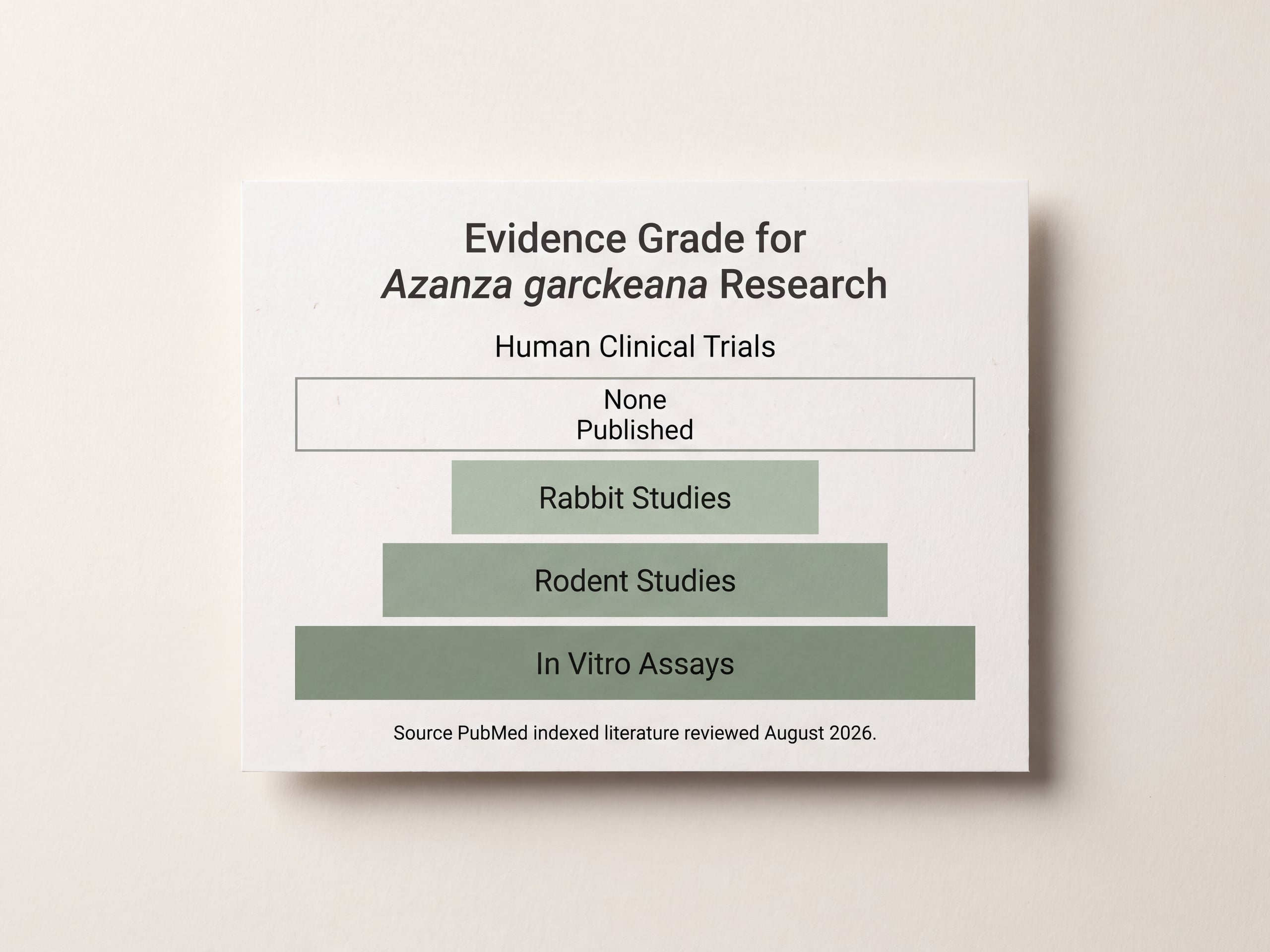
- Every published study on this fruit to date is laboratory, rodent, rabbit, or guinea pig work. No human clinical trial has tested Gorontula for male sexual function.
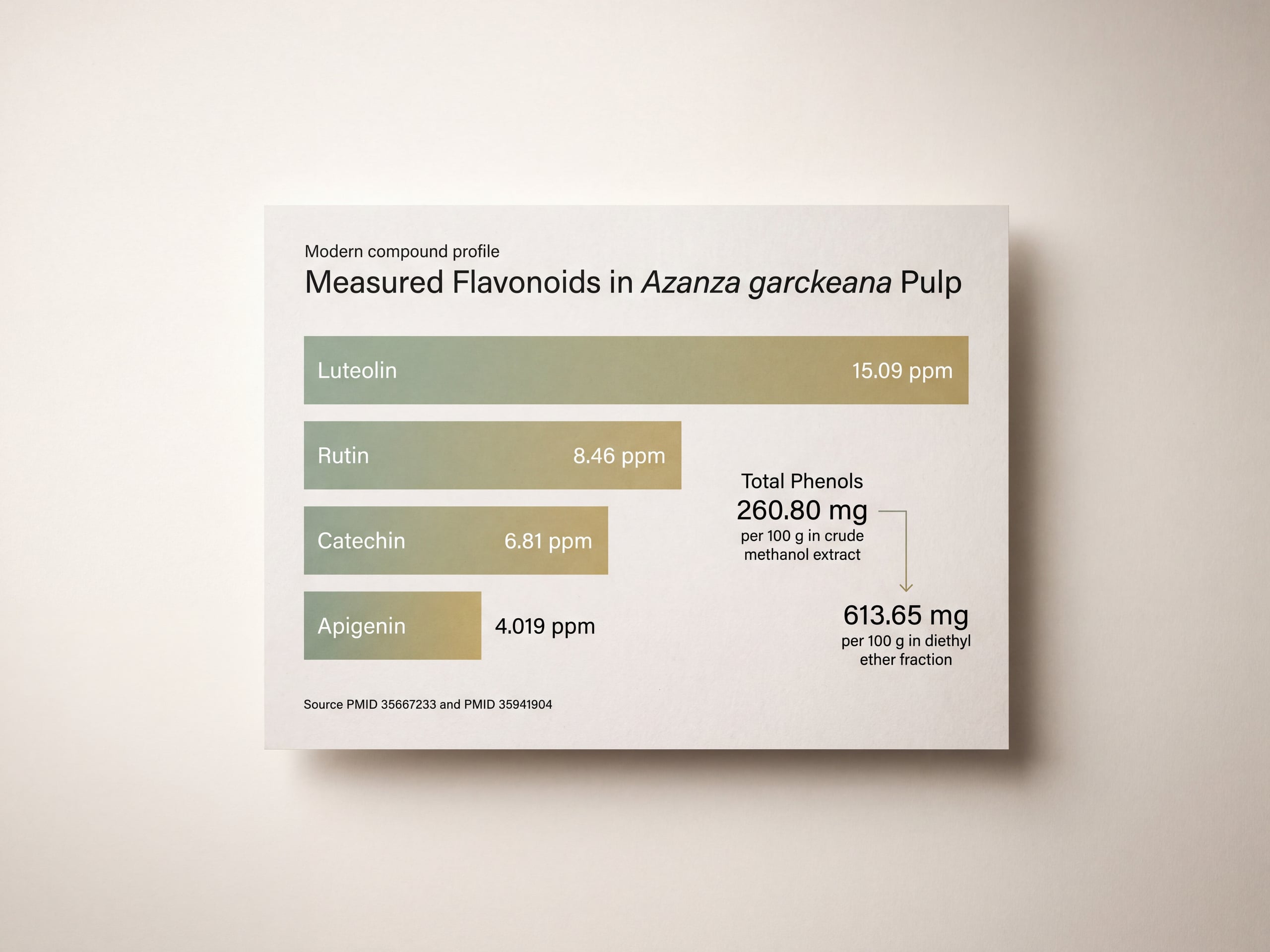
- Measured phytochemistry gives the pulp 260.80 mg of total phenols per 100 g in crude methanol extract, rising to 613.65 mg per 100 g once fractionated, with luteolin the most abundant single compound at 15.09 ppm.
- In rabbit bucks dosed at 500 mg per kg daily for 12 weeks, researchers recorded changes in spermiogram values, serum testosterone, FSH, LH, and sperm DNA fragmentation index.
- The best-evidenced activity for Azanza garckeana is metabolic and antioxidant rather than sexual, which is close to the opposite of how the fruit is marketed.
- Root extract acts on isolated uterine muscle and is traditionally used in Zambia to accelerate labour, which makes pregnancy a firm contraindication.
Goron Tula has become one of the more talked-about West African botanicals in the English-speaking supplement market, and almost none of that conversation is anchored to a source you could check. Our editorial team went looking for the primary literature on this fruit and found something we did not expect. The research exists. It is indexed. It is simply not the research anyone is citing.
This guide covers what Azanza garckeana is, what has actually been measured in it, what the animal studies found and did not find, how the fruit is traditionally prepared, and where the safety boundaries sit. We have kept the evidence grade attached to every claim, because on this particular topic the gap between what is marketed and what is documented is unusually wide.
What Is Gorontula, and What Is Azanza garckeana?
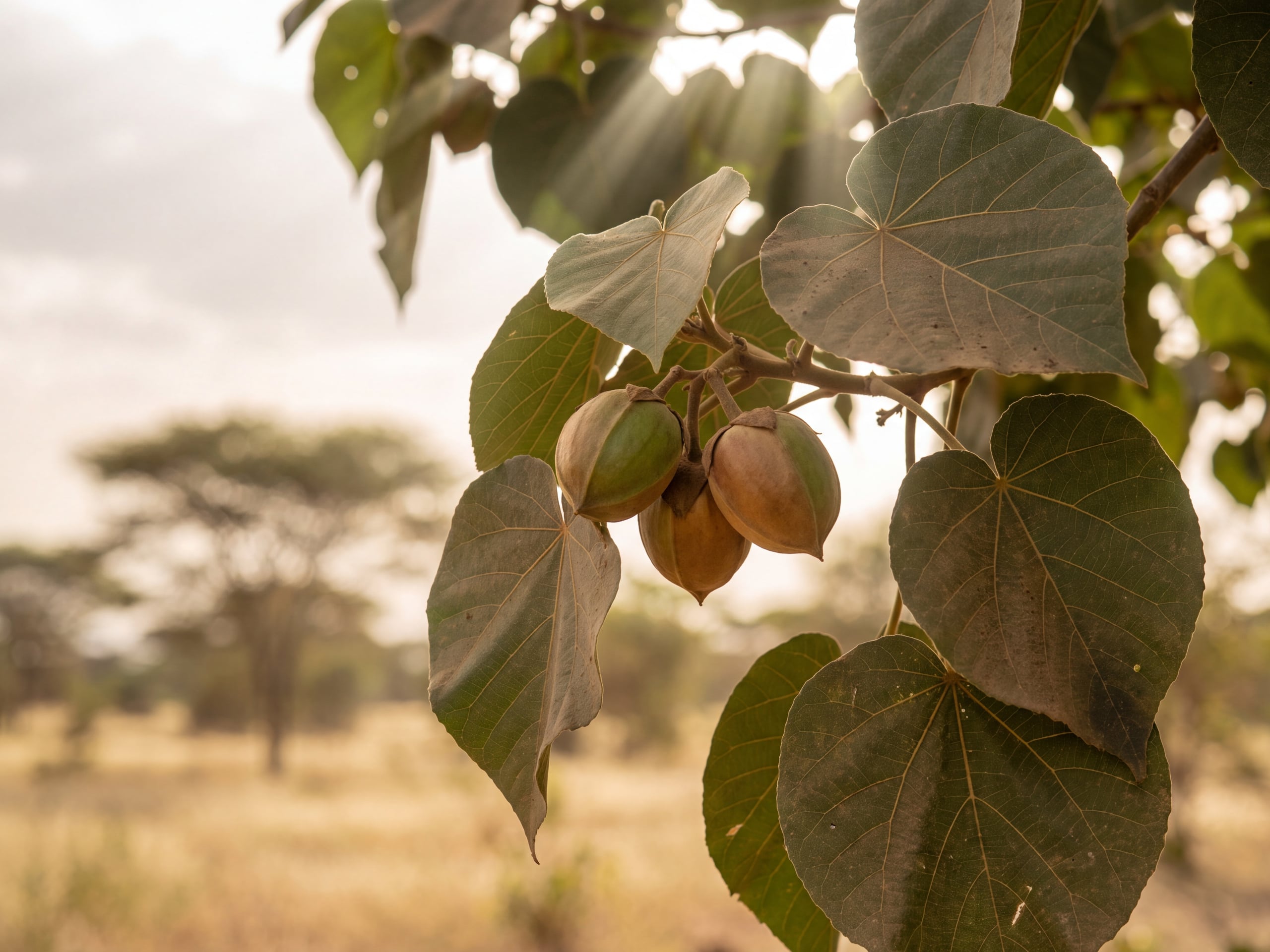
Gorontula is the fruit of Azanza garckeana, a small tree in the Malvaceae family, the same botanical family as hibiscus, okra, and cotton. The name Goron Tula is Hausa in origin and refers to the town of Tula in Gombe State, northern Nigeria, where the fruit has been harvested and traded for generations.
The same fruit travels under several names, and this matters more than it might seem. Search data shows people looking for it as Gorontula, Goron Tula, snot apple, African chewing gum, silky kola, and Tula fruit. Botanists and researchers use Azanza garckeana almost exclusively. Anyone comparing sources across those names is often reading about the same plant without realising it.
The edible portion is the pulp inside a woody capsule. It is sticky, mildly sweet, and slow to break down, which is where the African chewing gum name comes from. In our sourcing experience, the texture is the single most reliable field indicator of a genuine sample. Properly dried Gorontula pulp stays tacky and pliable rather than snapping brittle.
What Is the Actual Evidence Behind Goron Tula and Men’s Health?
The published evidence on Azanza garckeana is entirely preclinical. Every study identified in the indexed literature to date is an in vitro assay or an animal model using rabbits, rats, or guinea pigs. As of this review, no human clinical trial has tested Goron Tula for libido, erectile function, testosterone, or male fertility. The most substantive men’s-health finding available is Itodo et al. (2022), Theriogenology, PMID: 36099805, conducted in rabbit bucks.
We are stating that plainly and early because it is the single most useful thing a reader can know about this fruit, and it is missing from nearly every page discussing it. Preclinical evidence is not worthless. It is how nearly every well-understood botanical began. But it does not carry the same weight as a randomised human trial, and treating it as if it does is how supplement marketing gets ahead of supplement science.
What the Rabbit and Rodent Studies Actually Measured
The Theriogenology work is worth describing in detail, because it is more rigorous than its absence from the popular conversation would suggest. Twenty-eight rabbit bucks weighing 1.20 to 2.00 kg were divided into four groups of seven. One group received distilled water. One received Bisphenol A, an industrial compound with documented reproductive toxicity, for five consecutive days each week across twelve weeks. One received Azanza garckeana at 500 mg per kg daily for twelve weeks. The fourth received Bisphenol A for six weeks followed by Azanza garckeana for six weeks.
Mean testicular weight in the Bisphenol A group fell to 4.4 grams against 8.0 in controls, 8.7 in the Azanza garckeana group, and 7.1 in the group that received the fruit extract after the toxin. The researchers also recorded significant differences in reaction time, spermiogram values, serum testosterone, follicle-stimulating hormone, luteinising hormone, and sperm DNA fragmentation index between the exposed and treated groups. Their conclusion was measured. Azanza garckeana may possess properties that offset Bisphenol A damage in this model.
Read that carefully, because the framing matters. This was a protection study against a specific chemical insult in rabbits, not a performance study in healthy men. A supporting rabbit study on spermatozoa production under heat stress conditions appears in the wider literature and points in a similar direction, though it sits outside the PubMed index.
What Has Not Been Studied in Humans
No human data exists on any of the following, and any page that implies otherwise is ahead of the record. There are no human trials on Gorontula and erectile function. None on libido or sexual desire. None on serum testosterone in men. None on sperm count, motility, or morphology in men. There is no established human dose, no established onset window, and no long-term human safety data at concentrated extract levels.
A 2026 narrative review published on ScienceDirect examines the arginine and flavonoid content of Goron-Tula in the context of erectile dysfunction management. That review is a hypothesis paper rather than a clinical result, and at the time of writing it is not PubMed-indexed. We mention it because it is the source several AI search tools now lean on, and readers deserve to know what tier of evidence they are being handed.
What Nutrients and Compounds Does Gorontula Contain?
Azanza garckeana pulp carries a measurable polyphenol load, and the figures depend heavily on how the material is extracted. Crude methanol extract of the pulp registers total phenols at 260.80 plus or minus 2.23 mg per 100 g and total flavonoids at 10.28 plus or minus 1.29 mg per 100 g, per Lawal et al. (2022), Biomedicine and Pharmacotherapy, PMID: 35667233. A 2026 corrigendum to that paper is published at PMID: 42002420, and we cite both together as a matter of practice.
Fractionate the same material, and the numbers move sharply. The diethyl ether fraction reaches 613.65 plus or minus 2.38 mg per 100 g total phenol and 152.83 plus or minus 1.56 mg per 100 g total flavonoid, per Alozieuwa et al. (2022), Oxidative Medicine and Cellular Longevity, PMID: 35941904. That roughly two-and-a-half-fold difference is the most practically useful fact in the phytochemistry, and we have not seen it stated anywhere else. Whole dried fruit and a concentrated extract are not interchangeable, and dosing one as though it were the other is how people get into trouble.
High-performance liquid chromatography on that fraction identified individual compounds at the following concentrations.
| Compound | Concentration | Compound class |
|---|---|---|
| Luteolin | 15.09 ppm | Flavone |
| Rutin | 8.46 ppm | Flavonol glycoside |
| Catechin | 6.81 ppm | Flavan-3-ol |
| Apigenin | 4.019 ppm | Flavone |
| Myricetin | Detected, not quantified | Flavonol |
| Source: Alozieuwa et al. (2022), Oxidative Medicine and Cellular Longevity, PMID: 35941904 | ||
Alongside the polyphenols, the fruit supplies carbohydrate as its dominant macronutrient with smaller amounts of protein and fat, dietary fibre and mucilage, vitamin C, vitamin A precursors including beta-carotene, and minerals reported across nutritional analyses as including zinc, iron, magnesium, calcium, and potassium. Saponins, phenols, and carotenoids appear consistently in phytochemical screens of the pulp. Gas chromatography mass spectrometry on leaf and bark material identified beta-carotene, hexadecanoic acid methyl ester, and 2,4-di-tert-butylphenol, per Dakwa et al. (2024), Microbial Pathogenesis, PMID: 39613234.
Antioxidant assay values give the clearest sense of potency. The crude methanol pulp extract returned half-maximal inhibitory concentrations of 141.30 micrograms per mL against DPPH, 155.07 against FRAP, 184.96 against lipid peroxidation, and 162.56 against ABTS. The fractionated material returned 30.91, 16.81, 41.29, and 42.39, respectively. Lower values indicate greater activity.
What Are Gorontula Benefits Specifically for Male Fertility?
In the one substantial animal study available, rabbit bucks given Azanza garckeana at 500 mg per kg daily for twelve weeks showed measurable differences in spermiogram values, serum testosterone, follicle-stimulating hormone, luteinising hormone, and sperm DNA fragmentation index compared with animals exposed to a reproductive toxin without it (Itodo et al. 2022, Theriogenology, PMID: 36099805). Traditionally, communities across northern Nigeria have used the fruit to support male reproductive health, and that traditional use long predates the laboratory work.
The proposed explanation runs through oxidative stress. Sperm cells are unusually vulnerable to free radical damage because their membranes are rich in polyunsaturated fatty acids and they carry very little cytoplasmic antioxidant defence of their own. A dietary source of flavonoids and phenols, the reasoning goes, adds circulating antioxidant capacity that reduces that damage. The measured polyphenol content of Azanza garckeana makes it a plausible candidate for that role.
Plausible is the correct word. The mechanism is coherent, the animal data is consistent with it, and the human confirmation does not exist. We would rather say that than pretend otherwise.
Arginine, Flavonoids, and Blood Flow: The Proposed Mechanism
Traditional accounts associate Goron Tula with circulation and stamina, and the modern hypothesis for how that might work involves nitric oxide. Arginine is the amino acid substrate that the enzyme nitric oxide synthase converts into nitric oxide, a signalling molecule that relaxes the smooth muscle lining blood vessels. Relaxed vessel walls widen, and wider vessels carry more blood. Flavonoids appear to support the same pathway from a different angle by protecting nitric oxide from oxidative breakdown once it has been produced, which extends how long it stays active.
Goron Tula supplies both arginine and a documented flavonoid load, which is why the 2026 ScienceDirect review proposes it as a dietary candidate worth investigating for circulatory support. That is the whole of the argument, and it is a reasonable one to investigate. It is not a demonstrated effect in people. No trial has measured blood flow, vascular response, or nitric oxide status in humans consuming this fruit.
Herbs traditionally used to support healthy circulation are a long and well-populated category, and readers comparing options will find far better-studied entries in it. We have written separately about aphrodisiac herbs ranked by the strength of their human clinical evidence, and Goron Tula would not currently place near the top of that list.
Does Gorontula Support Digestion?
The fruit’s dietary fibre and mucilage content give it a straightforward mechanical role in digestive comfort. Mucilage is a soluble polysaccharide that absorbs water and forms a gel, which adds bulk and softens stool transit. This is the least glamorous property of Goron Tula and probably the one a consumer is most likely to actually notice.
The tradeoff cuts both ways. The same fibre load that eases transit at moderate intake can produce bloating, gas, or loose stools at higher intake, particularly for anyone not accustomed to a high-fibre diet. Work up gradually rather than starting at volume. Related research on aqueous fruit extract and diarrhoea activity exists in the university repository literature, though it has not reached PubMed indexing.
Gorontula, Blood Sugar, and Blood Pressure
Here is the finding that ought to reframe how this fruit is discussed. The strongest and most replicated evidence for Azanza garckeana is metabolic, not sexual.
Lawal et al. (2022), Biomedicine and Pharmacotherapy, PMID: 35667233, reported dose-dependent hypoglycemic activity in streptozotocin-induced diabetic rats alongside alpha-amylase inhibition at a half-maximal concentration of 277.85 micrograms per mL. Yusuf et al. (2023), American Journal of Translational Research, PMC10641334, found that crude methanolic extract produced hypoglycemic effects of 61.32, 76.05, and 78.59 percent at 100, 200, and 400 mg per kg body weight in alloxan-induced diabetic rats, and improved cholesterol, triglyceride, and lipoprotein values against untreated controls. Amuri et al. (2017), Phytotherapy Research, PMID: 28425214, included Azanza garckeana among nine plants used in traditional practice around Lubumbashi in the Democratic Republic of Congo and found it active under oral glucose tolerance test conditions in guinea pigs. Alozieuwa et al. (2022), PMID: 35941904, added molecular docking work suggesting luteolin, the fruit’s most abundant flavonoid, interacts with glucose-metabolising enzymes.
Four independent research groups, three animal models, consistent direction. That is a stronger evidence signal than anything in the sexual-health literature for this plant, and it is almost entirely absent from how the fruit is sold. All of it remains animal work. None of it establishes a human effect, and anyone managing blood glucose or blood pressure with medication should treat that overlap as an interaction question for their clinician rather than an opportunity.
What Is Goron Tula Seed Used For?
The seed is a distinct plant part with its own small literature, and it is frequently confused with the pulp in consumer discussion. Research examining Azanza garckeana seed has focused primarily on properties relating to female comfort rather than men’s health, which is a meaningful distinction when someone buys a whole fruit expecting the effects described for a pulp preparation.
Most traditional preparation uses the pulp. The seed is commonly discarded during chewing along with the fibrous material. If a supplier does not specify which part of the fruit a product contains, that ambiguity is itself a sourcing signal worth weighing.
How Do You Take Goron Tula for Men, and How Much?
There is no established human dose for Goron Tula. No clinical trial has set one, no monograph body has published one, and the vendor recommendations circulating online vary widely enough that they cannot all be right. The traditional pattern is a small quantity of fruit consumed regularly rather than a large quantity taken occasionally, and starting at the low end while watching how you respond is the sensible default.
- Daily quantity. Traditional use centres on one to three fruits, or a comparable small measure of dried pulp. Begin below that and increase gradually.
- Timing. No research supports any particular time of day. Taking it with food reduces the likelihood of digestive complaints given the fibre content.
- Onset. No human onset window has been established. The animal protocols that produced measurable change ran six to twelve weeks of daily dosing, which is a useful reference point for expectations even though it does not transfer directly to people.
- Concentrated extracts. Treat these as a separate category entirely. The fractionation data shows polyphenol content can more than double, and traditional intake patterns are not a guide to concentrate dosing.
- Verification. Confirm which part of the fruit a product contains and whether it has been tested for contaminants.
- Medication. Discuss use with your healthcare provider if you take any prescription medication, particularly for blood glucose or blood pressure.
How Long Does Gorontula Take to Work?
Nobody knows, and any specific figure you encounter is not sourced from research. The honest answer is that the question has never been studied in humans. The only timeframes in the literature belong to animal dosing protocols, which ran six weeks in the shorter arm and twelve weeks in the longer arm of the rabbit study. Digestive effects from the fibre content, by contrast, are typically noticeable within days because they are mechanical rather than physiological.
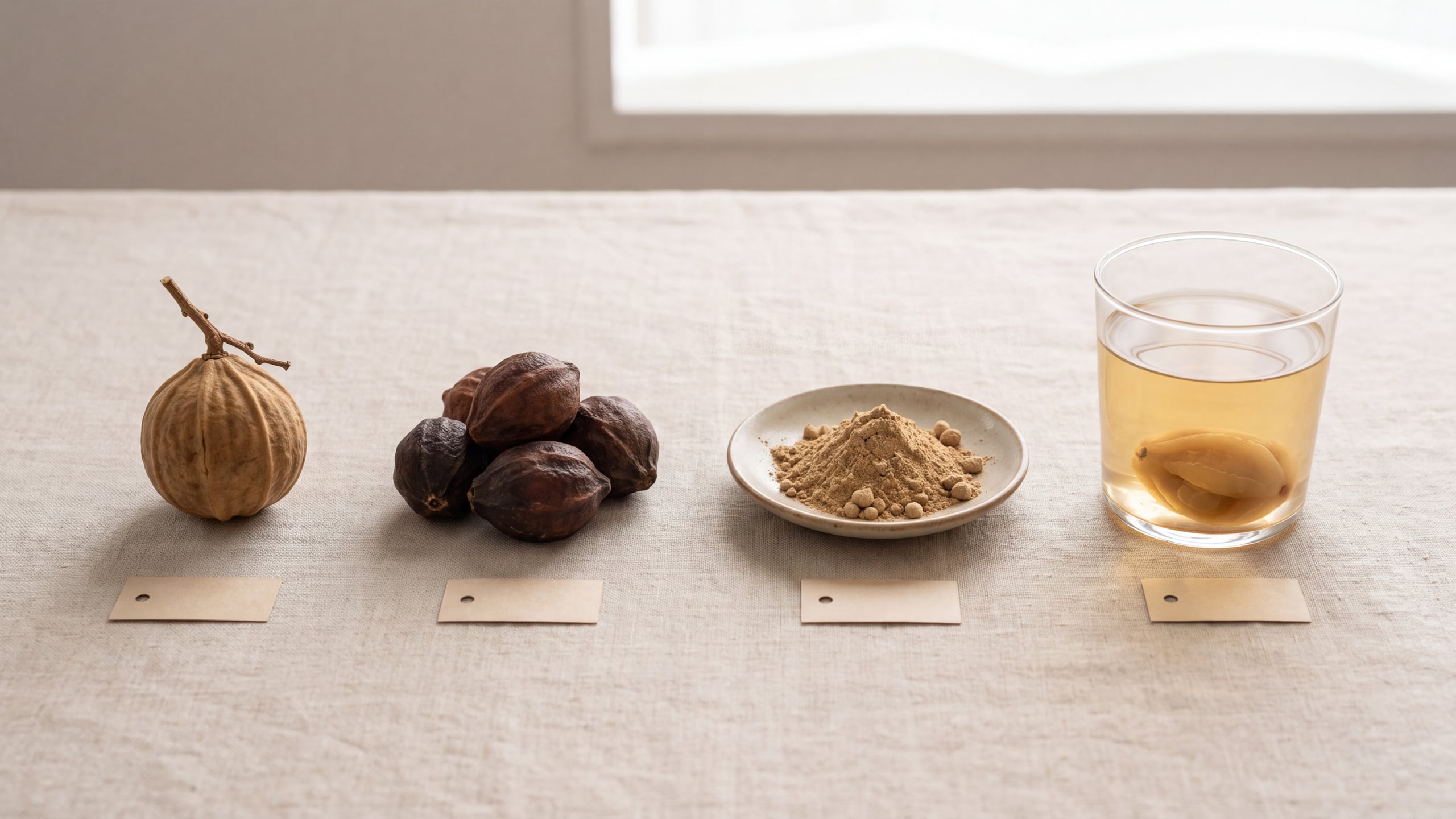
The preparation formats differ mainly in convenience and shelf stability rather than in any documented difference in effect.
| Format | Traditional use | Shelf life | What to verify |
|---|---|---|---|
| Fresh fruit | Pulp chewed directly, fibre swallowed or discarded | Days | Origin and harvest handling |
| Dried whole fruit | Chewed, or soaked to soften | Months | Pliable texture, no brittleness or mould |
| Milled powder | Stirred into food or beverages | Months to a year | Which plant part was milled, contaminant testing |
| Infusion | Fruit soaked in water, liquid consumed | Prepare fresh | Water quality, soaking time |
| Syrup | Fruit reduced by boiling | Weeks refrigerated | Added sugar content, undeclared ingredients |
Is Gorontula Safe? Side Effects, Concentrated Extracts, and Adulteration
Whole Goron Tula fruit eaten in the quantities people traditionally eat it is generally well tolerated. The meaningful risks sit at the edges of that statement rather than at its centre, and they are worth naming individually.
Digestive complaints. Bloating, gas, and loose stools at higher intake, driven by the fibre and mucilage load. Reduce quantity and the effect resolves.
Allergic response. Uncommon but possible, ranging from skin irritation to more serious reactions. Anyone with known sensitivity to fruits or to Malvaceae family plants should be cautious.
Pregnancy. This is the firmest contraindication, and it now has evidence behind it. Chanda et al. (2020), Evidence-Based Complementary and Alternative Medicine, PMID: 33376504, screened root extract on isolated uterine smooth muscle from Wistar rats and documented activity that salbutamol and nifedipine blocked, with calcium mobilisation in the myometrium as the proposed mechanism. The root is traditionally used in Chongwe, Zambia, to induce or accelerate labour. Avoid during pregnancy and while nursing, where safety data do not exist.
Menstrual timing. Reports of earlier onset of menstruation are consistent with the uterotonic finding above and are now traceable to a source rather than resting on anecdote.
Concentrated preparations. Wild fruits in this family can carry trace cyanogenic glycosides. Amounts consistent with normal dietary intake are not the concern. Concentrated extracts of unverified provenance are a different proposition, and organ-level effects at high dose have been raised in the animal literature as a reason for caution.
Adulteration. This is the risk we would flag hardest and the one almost nobody discusses. Goron Tula’s reputation has made it a marketing ingredient, and products sold under its name in unregulated channels have included blended herbal mixtures whose full contents are not declared. In our sourcing experience, the honest sign of a serious supplier is specificity. A named harvest region, a stated plant part, a declared single ingredient, and contaminant testing on request. Vagueness on any of those four is the signal.
Goron Tula for Women: A Brief Note
This guide addresses men’s use, but Gorontula’s traditional reputation in West Africa is at least as strong among women, primarily in connection with comfort and lubrication. The academic literature reflects that emphasis, with the seed-focused research noted earlier. Readers looking for that side of the picture will find it covered in more depth in our guide to aphrodisiacs for women.

How Do You Source Authentic Goron Tula?
Outside West Africa, Goron Tula reaches consumers almost entirely through specialist importers, and quality varies more than it does for commodity botanicals with established supply chains. Four things separate a supplier worth using from one worth avoiding.
Named origin comes first. Tula, in Gombe State, is the reference terroir, and a supplier who cannot say where their material came from is a supplier who does not know. Second, the declared plant part. Pulp, seed, whole fruit, leaf, and bark are chemically distinct, and the research findings do not transfer between them. Third, single-ingredient declaration, which is the direct defence against the adulteration risk described above. Fourth, willingness to provide contaminant testing documentation on request.
From our hands-on assessment, correctly processed dried pulp has a specific character. It stays tacky rather than turning brittle, carries a mild fruit sweetness with no fermented edge, and mills into a powder that clumps slightly from residual mucilage rather than flowing like a dry starch. Our own Goron Tula Powder is single-origin whole-milled pulp from Tula, Nigeria, and the milling behaviour is exactly how we check each lot.
Frequently Asked Questions About Gorontula
What are Gorontula benefits specifically for male fertility?
In rabbit bucks, Azanza garckeana at 500 mg per kg daily for twelve weeks was associated with differences in spermiogram values, testosterone, FSH, LH, and sperm DNA fragmentation index against toxin-exposed controls (PMID: 36099805). Traditionally, the fruit has been used to support male reproductive health in northern Nigeria. No human fertility trial has been conducted.
Does Gorontula help with erectile dysfunction?
There is no clinical evidence that it does. No human trial has tested Goron Tula for erectile function, and it should not be considered a treatment for any medical condition. A 2026 narrative review proposes that its arginine and flavonoid content merits investigation for circulatory support, but a hypothesis is not a result. Persistent difficulty warrants medical evaluation, because it is frequently an early marker of cardiovascular or hormonal issues that deserve proper assessment.
How do you take Goron Tula for men safely?
Start below the traditional intake of one to three fruits daily and increase gradually while monitoring your response. Take it with food to limit digestive complaints. Treat concentrated extracts as a separate category rather than a convenient equivalent, verify which plant part a product contains, and speak with your healthcare provider first if you take prescription medication.
Are there any side effects of Gorontula for men?
The most common are digestive, including bloating, gas, and loose stools at higher intake, driven by the fibre and mucilage content. Allergic reactions are uncommon but possible. Effects on organ function at high extract doses have been raised in animal research as a reason to avoid concentrated preparations of unverified origin.
What nutrients in Gorontula support men’s health?
The pulp supplies polyphenols measured at 260.80 mg per 100 g in crude methanol extract, with luteolin the most abundant individual flavonoid at 15.09 ppm, followed by rutin at 8.46 ppm and catechin at 6.81 ppm. It also provides carbohydrate, dietary fibre and mucilage, vitamin C, beta-carotene, and minerals reported to include zinc, iron, magnesium, calcium, and potassium.
How long does it take for Goron Tula to start working?
No human onset window has been established, and any specific timeframe quoted elsewhere is not drawn from research. Animal protocols that produced measurable change ran six to twelve weeks of daily dosing. Digestive effects from the fibre content tend to be noticeable within days because they are mechanical.
What is the best time to take Goron Tula?
No research supports any particular time of day. Taking it with a meal is the practical choice, since food moderates the digestive impact of the fibre and mucilage. Consistency across weeks matters more than timing within a day, given that the animal work used sustained daily dosing.
How many Goron Tula can I eat in a day?
Traditional intake centres on roughly one to three fruits daily, though no clinical study has established a safe or effective quantity for people. Higher amounts mainly increase the likelihood of digestive complaints. Anyone who is pregnant or nursing should avoid it entirely.
Is Gorontula only beneficial for men?
No. Traditional use among women in West Africa is at least as established as use among men, primarily in connection with comfort and lubrication, and the seed-focused academic research has concentrated on that application. The pregnancy contraindication applies with particular force given the documented uterotonic activity of root extract.
Related Reading
Continue with our evidence-ranked guide to aphrodisiac herbs, our guide to herbs to increase fertility, our ranking of the best herbs for male stamina, and our practical guide to male libido.
These statements have not been evaluated by the Food and Drug Administration. This product is not intended to diagnose, treat, cure, or prevent any disease. Consult your healthcare provider before use, especially if you are pregnant, nursing, taking medication, or have a medical condition.