The Verdict (Internal Quality Score)
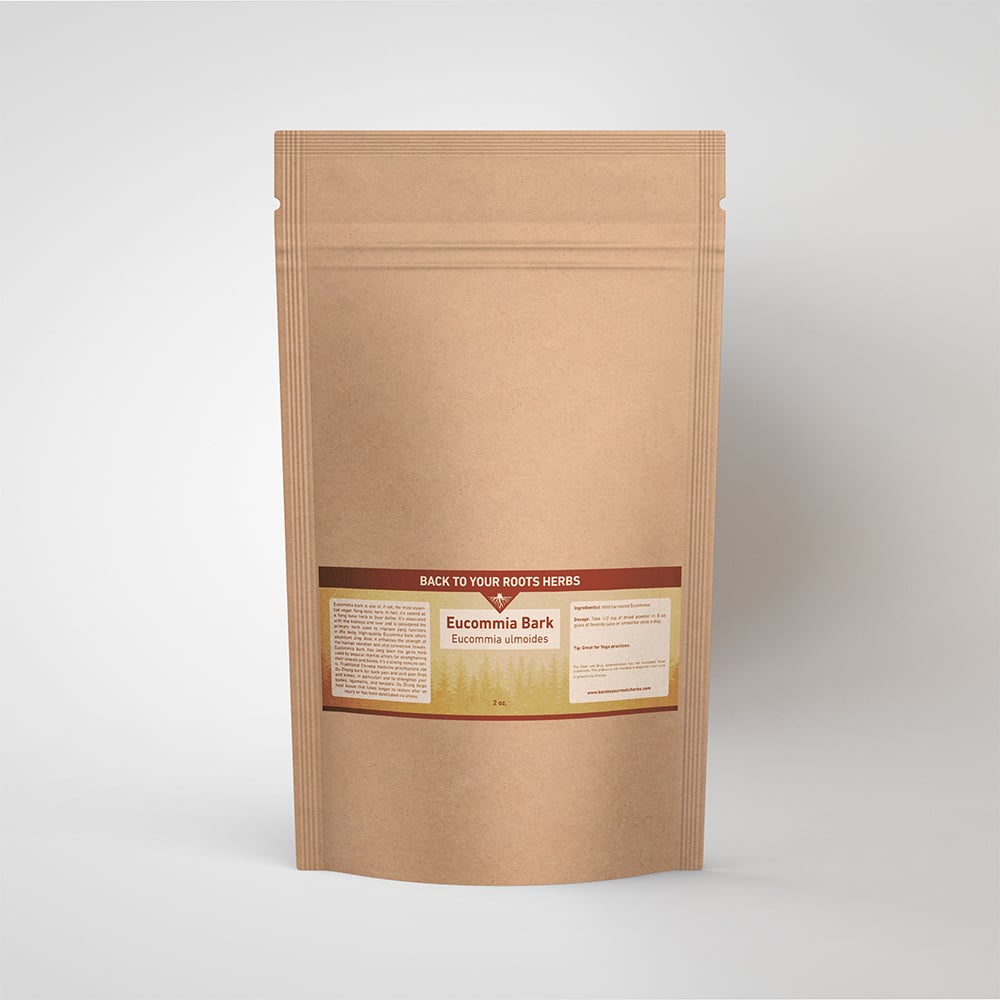
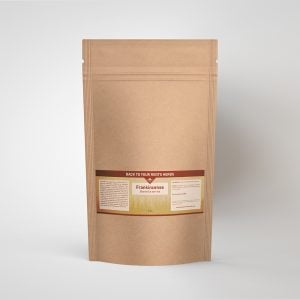
Grade A+ Eucommia Bark Powder. Sourced from old-growth Eucommia ulmoides trees in the Dabie Mountain range of Hubei Province, China (30.78°N, 115.38°E). This specific terroir at 800-1,200m elevation produces bark with measurably higher lignan concentrations than lowland-harvested material. Cold-processed. No sulfur. No irradiation. Heavy metal tested and passed. This is the bark that traditional Chinese medicine practitioners spent 2,000 years documenting. We just ground it into powder.
– Back To Your Roots Herbs Research Group
Sensory Analysis: What You Will Notice
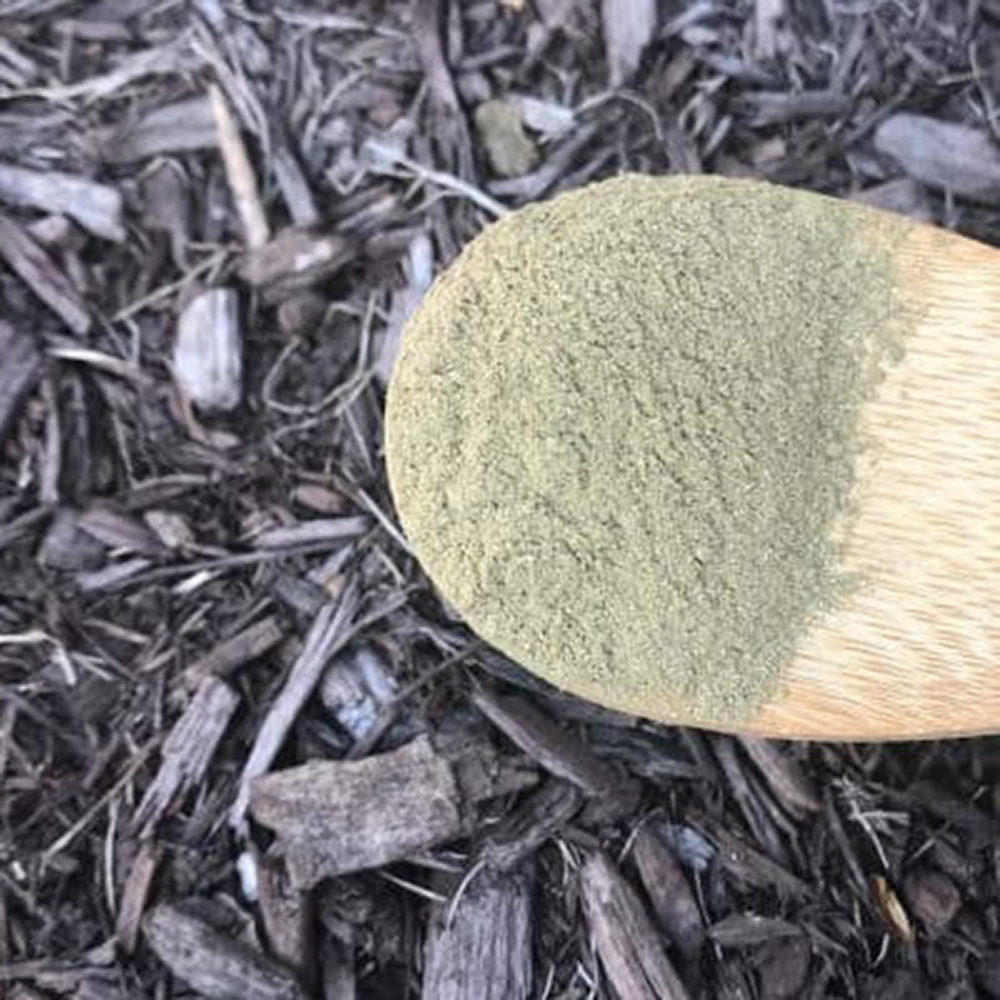
- Look: Fine, tan-brown powder with visible fiber striations. When you add water, thin latex-like threads appear. Those threads are gutta-percha, a natural rubber compound unique to Eucommia ulmoides. No other temperate hardwood produces it.
- Smell: Faint, woody aroma with a mild burnt-caramel undertone. Not sweet. Earthy and dry.
- Taste: Mildly bitter with a slight astringent finish. Dissolves incompletely in water due to the natural bark fiber content. Best mixed into warm water, coffee, smoothies, or taken in capsules.
How Does Eucommia Bark Powder Work?
The Herb: Eucommia Ulmoides Oliver
Eucommia ulmoides is the sole surviving species of the family Eucommiaceae. It is the only temperate tree on Earth that produces rubber (trans-1,4-polyisoprene), visible as silver-white threads when you snap the dried bark. Native to the mountain forests of central China, this deciduous tree has been used in traditional Chinese medicine for over 2,000 years. The Shen Nong Ben Cao Jing, the oldest known herbal text, lists eucommia bark (Du Zhong) as a superior-class tonic herb. That classification was reserved for herbs considered safe for long-term daily use.
The Mechanism: Lignans and Iridoids
The bark of eucommia contains over 100 identified compounds. The primary bioactive groups include lignans (pinoresinol diglucoside, or PDG), iridoids (aucubin, geniposide), phenylpropanoids (chlorogenic acid), flavonoids, and polysaccharides. PDG is the most studied lignan in eucommia bark. It supports connective tissue integrity by influencing collagen cross-linking pathways. Chlorogenic acid provides antioxidant activity. Aucubin supports normal inflammatory response in joint and bone tissue.
Eucommia Bark and Bone Health
In traditional Chinese medicine, eucommia bark is classified as a yang jing tonic that “strengthens bones and sinews.” Modern research has examined this claim. In vitro and animal studies show that eucommia bark extract supports osteoblast (bone-building cell) activity while reducing osteoclast (bone-resorbing cell) markers. This dual action supports healthy bone metabolism. Eucommia bark is also a traditional tonic for maintaining strong knees, lower back, and connective tissue throughout the aging process.
Joint Support and Flexibility
Eucommia bark powder provides nutritional support for joint flexibility. The combination of PDG and aucubin supports normal cartilage maintenance and connective tissue repair. Athletes and physically active adults have traditionally used eucommia bark to support recovery from daily wear on joints, tendons, and ligaments. Unlike glucosamine or chondroitin supplements that target a single pathway, whole eucommia bark powder delivers the full range of the plant’s naturally occurring compounds.
The Evidence: Published Research
A randomized, double-blind, placebo-controlled clinical trial by Greenway et al. (2011) examined a standardized Eucommia ulmoides bark extract (60% PDG) in human subjects. The trial, published in a peer-reviewed journal (PMID: 22214253), found that the eucommia bark extract group showed a mean reduction of 7.5/3.9 mmHg in systolic/diastolic blood pressure measurements compared to placebo. While this study used a concentrated extract (not whole bark powder), it demonstrates active compound bioavailability from the bark of eucommia. A comprehensive review by He et al. (2014) documented the broad pharmacological profile of Eucommia ulmoides, including its antioxidant, anti-inflammatory, and bone-protective properties.
Why Whole Bark Powder vs. Extract?
Extracts concentrate specific compounds. Whole bark powder retains the full spectrum of eucommia’s natural chemistry, including fiber, gutta-percha, trace minerals, and secondary metabolites that extraction processes remove. Traditional Chinese medicine herbalists have always preferred the whole bark form (Du Zhong) for daily tonic use. Our eucommia bark powder preserves this tradition.
Eucommia Bark in Traditional Chinese Medicine
The TCM Classification
In traditional Chinese medicine, eucommia bark (Du Zhong) belongs to the category of herbs that tonify the yang. It enters the Liver and Kidney meridians. TCM practitioners use it to support kidney essence (jing), strengthen bones, and promote healthy lower back and knee function. It is also traditionally used during pregnancy to support the body’s natural stability. Eucommia bark is one of the few tonic herbs considered safe and beneficial for both men and women across all age groups.
How to Use Eucommia Bark Powder
Preparation Methods
Eucommia bark powder is versatile. Mix 1-2 teaspoons into warm water or hot water for a simple eucommia tea. Add it to coffee, smoothies, bone broth, or juice. The powder does not dissolve completely due to natural bark fiber. This is normal. You can also pack eucommia bark powder into empty capsules for convenience. Eucommia powder blends well with other tonic herbs like ashwagandha, reishi mushroom, or he shou wu.
Suggested Serving Schedule
Take 1 teaspoon (approximately 3g) once or twice daily. Morning and evening work well. Consistent daily use for 4-8 weeks allows the tonic compounds to build in the body. Eucommia bark has been used long-term in traditional Chinese medicine without reported issues at standard serving sizes.
Critical Usage: Dosage and Contraindications
Standard Serving: 3-6 grams daily (1-2 teaspoons), taken with water or food.
Who Should Avoid: Individuals taking blood pressure medication should consult their physician before using eucommia bark powder, as it may support cardiovascular function. Those with known allergies to latex should be aware that eucommia bark contains natural gutta-percha (a plant rubber). Pregnant or nursing women should consult a healthcare provider before use. Do not exceed the recommended serving size.
Drug Interactions: Eucommia bark may interact with antihypertensive medication, anticoagulant drugs, or immunosuppressant therapy. Consult your healthcare provider if you take prescription medication.
Clinical Specs
| Spec | Detail |
|---|---|
| Serving Size | 1 teaspoon (~3g) |
| Frequency | 1-2x daily with water or food |
| Active Marker | Pinoresinol Diglucoside (PDG), Chlorogenic Acid, Aucubin |
| Processing | Cold-Processed, Ground Whole Bark (No Extraction) |
| Safety | Heavy Metal Tested (Pass) |
| Ingredients | 100% Eucommia ulmoides Bark Powder |
| Other Ingredients | None |
| Purity | Non-GMO, Vegan, Sulfur-Free |
| Free From | Wheat, Gluten, Soy, Dairy, Binders, Fillers, Artificial Colors |
| Origin | Dabie Mountains, Hubei Province, China (Luotian County Terroir) |
| Manufactured | Virginia Beach, VA, USA |
Eucommia Bark Powder: BTYRH vs. Generic Brands
| Feature | BTYRH Eucommia Bark Powder | Generic Eucommia Powder |
|---|---|---|
| Origin | Luotian County, Hubei (30.78°N, 115.38°E) | Unspecified Region, China |
| Preparation | Cold-Processed Whole Bark, Sulfur-Free | Heat-Dried or Sulfur-Fumigated |
| Form | Full Spectrum Whole Bark (Gutta-Percha Intact) | Unknown Processing / May Be Extract Residue |
| Taste | Mildly Bitter, Woody, Caramel Undertone | Flat, Bland, or Chemically Treated Taste |
| Safety Testing | Heavy Metal Tested, Non-GMO, No Irradiation | Unknown / Untested |
| Terroir Verified | Yes (GPS Coordinates Provided) | No |
Frequently Asked Questions About Eucommia Bark Powder
Is Eucommia Bark Safe?
Eucommia bark has been used in traditional Chinese medicine for over 2,000 years. The Shen Nong Ben Cao Jing classified it as a “superior” herb, meaning it was considered safe for long-term use. At standard servings of 3-6 grams daily, eucommia bark powder is well-tolerated by most adults. If you take prescription medication, consult your healthcare provider first.
What Does Eucommia Bark Powder Do?
Eucommia bark powder provides nutritional support for joint flexibility, bone strength, and connective tissue integrity. It contains lignans (PDG), iridoids (aucubin), and chlorogenic acid. In traditional Chinese medicine, it is used to tonify kidney yang and support the lower back and knees.
How Does Eucommia Powder Work?
The bioactive compounds in eucommia bark, particularly PDG and aucubin, support normal collagen synthesis and connective tissue maintenance. Chlorogenic acid provides antioxidant support. These compounds work together across multiple pathways rather than targeting a single mechanism, which is why traditional herbalists value the whole bark form.
What Are the Benefits of Eucommia Bark?
The primary traditional uses of eucommia bark include supporting joint health, maintaining bone density, promoting connective tissue repair, and supporting healthy cardiovascular function. It is also traditionally valued as a yang tonic for energy and physical stamina. Athletes and active adults use it to support recovery.
How Do You Make Eucommia Bark Tea?
Add 1-2 teaspoons of eucommia bark powder to 8 oz of hot water. Stir well. The powder will not dissolve completely because of the natural bark fiber and gutta-percha content. Let it steep for 3-5 minutes, stir again, and drink. You can add honey or lemon to taste. Some people prefer to simmer the powder in water for 10-15 minutes for a stronger preparation.
Can Eucommia Ulmoides Be Taken Long-Term?
Yes. Eucommia bark is classified as a superior-class tonic herb in traditional Chinese medicine, a category specifically reserved for herbs considered safe for sustained daily use. Many TCM practitioners recommend taking eucommia bark consistently for 8-12 weeks to allow the tonic properties to build. As with any herbal supplement, periodic breaks (1 week off after 8-12 weeks of use) are a reasonable approach.
DISCLAIMER: These statements have not been evaluated by the Food and Drug Administration. This product is not intended to diagnose, treat, cure, or prevent any disease. Consult your healthcare provider before use if you are pregnant, nursing, taking medication, or have a medical condition.
Reviews
There are no reviews yet.