THE VERDICT (INTERNAL QUALITY SCORE)
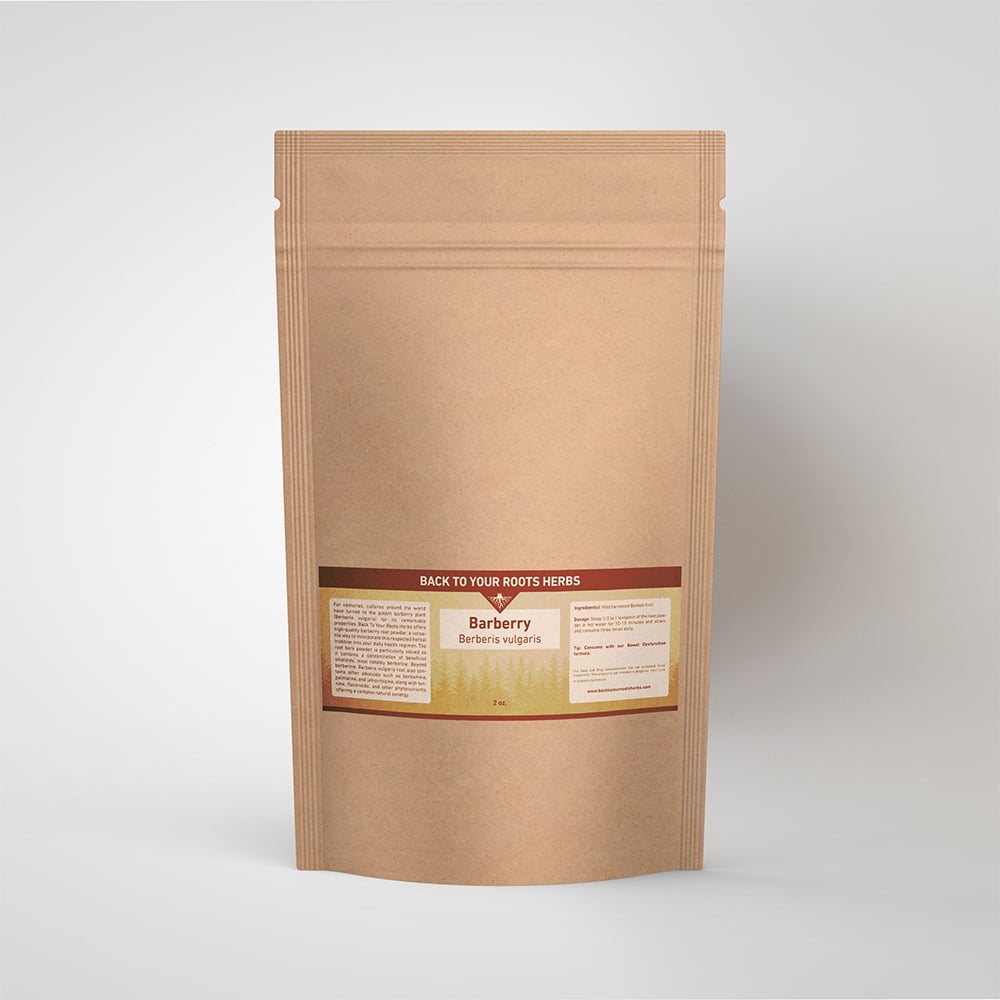
Grade A. This is 100% Wildcrafted Berberis vulgaris root bark powder, the “Bitter Tonic.” Distinct from encapsulated forms, the raw powder engages the “Cephalic Phase” of digestion. Tasting the bitterness on the tongue is traditionally used to stimulate bile flow and support the body’s own elimination pathways.
– Back To Your Roots Herbs Research Group
SENSORY ANALYSIS: The Physical Profile
We analyzed the raw powder to verify its alkaloid density. Authentic Barberry Root is chemically distinct because of its pigment.
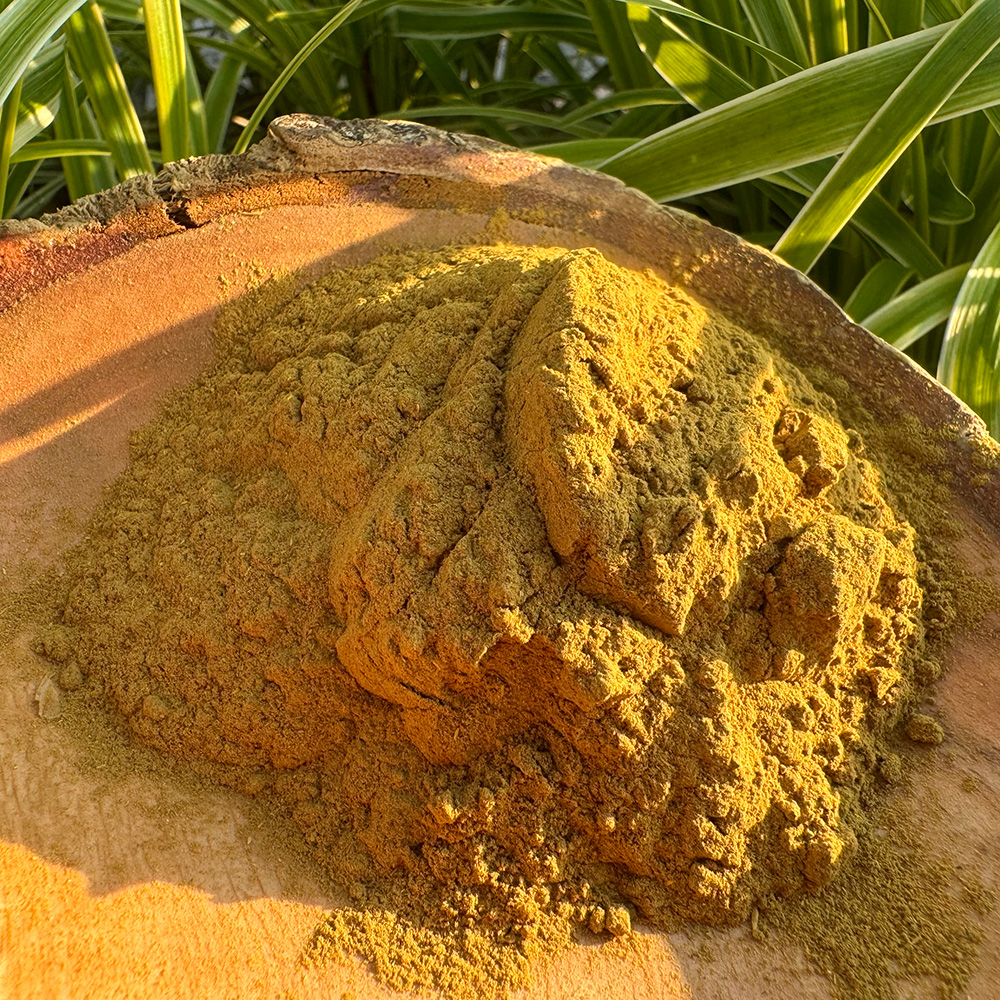
- The Look: A vivid, neon-yellow powder. This color is the physical signature of Berberine. It is so pigmented that it can stain countertops and clothing, and it was traditionally used as a yellow dye.
- The Taste: Intensely bitter. In herbalism, this bitterness is the “medicine.” It activates the taste buds and is traditionally associated with stimulating the body’s own bile flow.
- The Aroma: Earthy, woody, and slightly sour.
How Does Barberry Powder Support Digestion?
Research suggests barberry acts as a choleretic, a bile stimulator.
- The Herb: Barberry (Berberis vulgaris), the European Barberry.
- The Mechanism: The bitter isoquinoline alkaloids (Berberine and Berbamine) engage the vagus nerve when tasted. This is traditionally associated with prompting the gallbladder to release bile, which the body uses to break down dietary fats and support healthy fat digestion.
- The Evidence: A pharmacological review of Berberis vulgaris and berberine catalogs its traditional digestive and metabolic uses (Imenshahidi & Hosseinzadeh, Phytotherapy Research, 2016. PMID 27528198).
CRITICAL USAGE: The “Liver Tea” Decoction
To extract the alkaloids, heat is required.
- The Protocol: Add 1/2 to 1 teaspoon (approx. 1.5g to 3g) to 2 cups of water.
- The Brew: Simmer gently for 10 to 15 minutes (a decoction). Strain off the woody fiber.
- The Taste Hack: It is very bitter. Most users add lemon and honey, or blend it into a strong green smoothie to soften the flavor.
- Frequency: 1 cup daily, ideally 20 minutes before a heavy meal.
Does It Support Healthy Metabolism?
Yes, by way of the AMPK pathway. Berberine is the compound driving the modern interest in barberry for metabolic support.
- The Action: Even as a tea, berberine activates AMPK (AMP-activated protein kinase), an enzyme the body uses to turn glucose into energy. This supports healthy blood sugar levels already within the normal range (Lee et al., Diabetes, 2006. PMID 16873688).
- The Metabolic Interest: Berberine is traditionally associated with healthy metabolism support, which is why it is studied alongside diet for weight management already within a normal range (Yin et al., Metabolism, 2008. PMID 18442638).
CLINICAL SPECS & DOSAGE
| Spec | Detail |
|---|---|
| Serving Size | 1/2 to 1 Teaspoon (1.5g – 3g) |
| Frequency | 1-2 Times Daily (Before Meals) |
| Active Marker | Berberine, Berbamine, Oxyacanthine |
| Active Ingredient | Berberis vulgaris Root Bark |
| Primary Action | Bile Stimulation & Digestive Support |
| Processing | Wildcrafted, Milled Whole Root Bark (No Extract) |
| Color | Neon Yellow (Stains surfaces) |
| Allergen Status | Hypoallergenic (No corn, soy, wheat, dairy) |
| Origin | Wildcrafted from Natural Habitats |
| Manufactured | Virginia Beach, VA, USA |
COMPARISON: Powder vs. Capsules
Why choose the bitter powder?
| Feature | Barberry Powder | Barberry Capsules |
|---|---|---|
| Primary Mechanism | Cephalic (Taste) Stimulation | Systemic Absorption |
| Digestive Effect | High (Stimulates Bile via taste) | Medium (Metabolic focus) |
| Taste | Intensely Bitter | Neutral (Encapsulated) |
| Flexibility | High (Tea / Poultice / Dye) | Low (Fixed dose) |
| Absorption | Fast (Liquid Decoction) | Slower (Digestion) |
Want the deeper science on the isolated compound, including how it stacks up against common medications? Read our full guide to berberine benefits and side effects.
Barberry Root Powder Safety: Side Effects & Interactions
What Are the Side Effects of Barberry Root Powder?
Barberry root is generally well-tolerated by healthy adults in tea-sized amounts. Because it is a strong bitter, most reports involve the digestive tract.
- Taste and stomach: The intense bitterness can cause nausea or stomach upset in sensitive people, especially on an empty stomach.
- Higher amounts: Large decoction doses may bring on cramping or loose stools. Start with 1/2 teaspoon and adjust to tolerance.
- Staining: The neon-yellow berberine pigment can temporarily tint the mouth, hands, or surfaces. It is harmless and washes off.
Barberry, Berberine & Drug Interactions to Know
Barberry’s berberine content is the reason it can interact with prescription medication. In a human study, repeated berberine intake lowered the activity of the liver enzymes CYP3A4, CYP2D6, and CYP2C9 that the body uses to clear many drugs (Guo et al., 2012; PMID 21870106). Talk to your pharmacist or healthcare provider before pairing barberry with:
- Blood-sugar medication such as metformin or insulin. Berberine may add to their glucose-lowering effect.
- Blood-pressure medication. Berberine may add to their effect.
- Blood thinners such as warfarin and cyclosporine. Berberine can change how the body clears them.
- Any drug labeled “do not take with grapefruit.” These often run through the same CYP3A4 pathway berberine affects.
Who Should Not Use Barberry Root? (Pregnancy, Nursing, Infants & Pets)
- Pregnancy: Do not use. Barberry carries a traditional reputation as a uterine stimulant, and berberine can cross the placenta.
- Nursing: Avoid. Berberine can pass into breast milk.
- Infants and newborns: Do not give barberry or berberine to infants. Berberine can interfere with the way a newborn’s body handles bilirubin.
- Pets: Talk to your veterinarian before giving barberry to dogs, cats, or other animals. Safe amounts differ greatly by species and body weight.
Barberry Root Powder: Common Questions
Root Powder vs. Root Bark: What Is the Difference?
They are the same plant material, simply at different stages. Our powder is wildcrafted Berberis vulgaris root bark milled into a fine powder. The bark layer of the root is where the yellow isoquinoline alkaloids concentrate, so “root powder” here means milled root bark, not a weaker or different grade.
Can You Cook or Bake With Barberry Root Powder?
No. The root is an intensely bitter medicinal bitter, not a kitchen spice. The edible, culinary part of this plant is the dried red berry, known in Persian cooking as zereshk and used in rice dishes. Keep the root powder for teas and decoctions, not for baking.
Barberry vs. Other Berberine Sources (Goldenseal, Oregon Grape, Berberine HCl)
Berberine appears in several plants. Goldenseal (Hydrastis canadensis) and Oregon grape (Mahonia aquifolium) both carry it. Most capsules on the shelf use isolated berberine HCl, a single concentrated compound. Whole barberry root bark powder works differently. It delivers berberine alongside the plant’s natural berbamine and oxyacanthine, plus the bitter taste that drives the cephalic, bile-stimulating response a capsule bypasses.
DISCLAIMER
These statements have not been evaluated by the Food and Drug Administration. This product is not intended to diagnose, treat, cure, or prevent any disease. Consult your healthcare provider before use, especially if you are pregnant, nursing, taking medication, or have a medical condition.
Written by the Back To Your Roots Herbs Research Group. Fact-checked against primary literature (PMID 27528198, 16873688, 18442638, 21870106). Last Reviewed: June 2026.
Reviews
There are no reviews yet.