Clitoria ternatea, commonly known as the butterfly pea flower, has been used for centuries in traditional medicine and culinary applications. This vibrant blue blossom is not only visually stunning but also packed with nutrients and health benefits. In this article, we’ll look at the nutritional value, potential health benefits, and ways to incorporate Clitoria flower tea into your daily routine.
The Rich History of Clitoria ternatea
Clitoria ternatea also referred to as butterfly pea, Asian pigeonwings, and blue pea, has a long history of use in traditional medicine systems, particularly in Ayurveda. Native to tropical Asia, this plant has been valued for its vibrant blue flowers and its purported medicinal properties.
Ayurvedic Uses
In Ayurvedic medicine, Clitoria ternatea is known as a “Medhya Rasayana,” a group of herbs believed to promote cognitive function, memory, and intellect. It has traditionally been used to address a variety of health concerns, including:
- Memory enhancement
- Stress and anxiety reduction
- Mood elevation
- Treatment of neurological disorders (though more research is needed)
Beyond its cognitive applications, Ayurvedic practitioners have also used butterfly pea for its potential diuretic, anti-inflammatory, and analgesic (pain-relieving) properties.
Traditional Southeast Asian Uses
In Southeast Asia, particularly in Thailand, Malaysia, and Indonesia, the flowers have been used for centuries as a natural food coloring, especially in rice dishes and desserts. The striking blue hue, which can change to purple or pink with the addition of acidic ingredients like lemon juice, makes it a visually appealing addition to various culinary creations.
Beyond its culinary uses, the leaves, flowers, and roots of Clitoria ternatea have been employed in traditional remedies for:
- Eye ailments (e.g., conjunctivitis)
- Skin conditions
- Hair loss
- Fever reduction
- Snake and insect bites (as a poultice)
Nutritional Powerhouse: What Makes Butterfly Pea Flower Tea Beneficial?
The vibrant blue color of butterfly pea flower tea isn’t just for show; it signifies the presence of potent compounds that contribute to its wholesome profile.
Antioxidant Abundance
The flower is a rich source of various nutrients, including:
Clitoria ternatea is particularly rich in antioxidants, including:
- Anthocyanins: These are the primary pigments responsible for the blue color. Anthocyanins are known for their ability to neutralize harmful free radicals, protecting cells from oxidative damage.
- Flavonoids: This diverse group of plant compounds offers a wide range of health benefits, including anti-inflammatory and potentially anti-cancer properties.
- Proanthocyanidins: These compounds are particularly beneficial for eye health, improving blood circulation to the capillaries of the eyes.
Vitamins and Minerals
Butterfly pea flowers also contain essential vitamins and minerals, including:
- Vitamin A: Important for vision, immune function, and skin health.
- Vitamin C: A powerful antioxidant that supports collagen production and immune function.
- Minerals: Contains minerals like potassium.
Protein Content
Surprisingly, butterfly pea flowers contain a small amount of protein, making them a unique addition to a plant-based diet.
Consuming Clitoria flower allows you to reap the nutritional advantages of this herbal infusion, supporting overall health and wellness.
The Science-Backed Advantages of Butterfly Pea Flower Tea
While traditional uses provide valuable insights, modern scientific research is beginning to uncover the mechanisms behind Clitoria ternatea’s potential health benefits.
Brain Health and Cognitive Function
One of the most promising areas of research is the flower’s potential to support brain health and cognitive function.
- Acetylcholine Enhancement: Studies suggest that Clitoria ternatea may increase levels of acetylcholine in the brain. Acetylcholine is a neurotransmitter crucial for memory, learning, and attention.
- Memory Improvement: Animal studies have shown that extracts of butterfly pea flower can improve memory and cognitive performance. While human studies are still limited, the initial findings are encouraging. A 2021 study found that butterfly pea may increase skin hydration.
- Neuroprotective Effects: The antioxidants in butterfly pea flower may help protect brain cells from damage caused by oxidative stress and inflammation, potentially reducing the risk of neurodegenerative diseases.
Eye Health: Beyond the Blue
The vibrant blue hue of butterfly pea flower tea hints at its benefits for vision.
- Proanthocyanidin Power: The proanthocyanidins in Clitoria ternatea are particularly beneficial for eye health. They help increase blood flow to the capillaries of the eyes, which can be helpful for conditions like:
- Retinal damage
- Glaucoma
- Blurred vision
- Eye fatigue
- Antioxidant Protection: The antioxidants in the flower help protect the eyes from damage caused by free radicals, which can contribute to age-related macular degeneration and cataracts.
Blood Sugar Management
Emerging research suggests that butterfly pea flower tea may help regulate blood sugar levels.
- Improved Insulin Sensitivity: Some studies indicate that Clitoria ternatea may improve insulin sensitivity, allowing the body to use glucose more effectively.
- Reduced Glucose Absorption: The tea may also help reduce the absorption of glucose from food, contributing to more stable blood sugar levels.
- Important Note: Individuals with diabetes or those taking blood sugar medications should always consult their healthcare provider before using butterfly pea flower tea, as it could interact with their medication.
Anti-inflammatory Effects
Clitoria ternatea possesses anti-inflammatory properties that may contribute to overall wellness.
- Reduced Swelling: The antioxidants and other compounds in the flower may help reduce inflammation throughout the body.
- Potential Pain Relief: By reducing inflammation, butterfly pea flower tea may also help alleviate pain associated with inflammatory conditions.
Stress and Anxiety Reduction
Butterfly pea flower tea is often touted for its calming effects.
- Adaptogenic Properties: Some believe that Clitoria ternatea has adaptogenic properties, meaning it may help the body adapt to stress.
- L-Theanine Content: While more research is needed, some sources suggest that butterfly pea flower may contain L-theanine, an amino acid known for its relaxing and anxiety-reducing effects.
- Calming Ritual: The simple act of brewing and sipping a warm cup of herbal tea can be a soothing ritual that promotes relaxation.
Immune System Support
The antioxidants and other nutrients in butterfly pea flower tea may contribute to a healthy immune system.
- Antioxidant Defense: Antioxidants help protect immune cells from damage caused by free radicals, allowing them to function optimally.
- Vitamin C Boost: The vitamin C content of the flower further supports immune function.
Skin and Hair Benefits
Drinking Butterfly pea flower tea may offer several benefits for your skin and hair. The antioxidants present in the tea help combat free radicals, which can cause premature aging and damage to skin cells. Regular consumption of this herbal infusion may lead to:
- Improved skin elasticity and firmness
- Reduced appearance of fine lines and wrinkles
- Enhanced skin hydration and radiance
The vitamin C content contributes to collagen production, a crucial component for maintaining healthy, youthful-looking skin. Additionally, the tea’s anti-inflammatory properties may help soothe skin irritations and reduce redness.
When it comes to hair health, the nutrients can promote stronger, shinier, and more lustrous locks. The iron in butterfly pea flower is traditionally associated with supporting the normal oxygen supply that hair follicles rely on for healthy-looking growth, while its antioxidants help protect follicles from damage caused by everyday environmental stressors.
Reproductive & Hormonal Wellness (Traditional Use)
In Ayurvedic practice, Clitoria ternatea carries the Sanskrit name Aparajita and has a long traditional association with women’s wellness, where the flower has been used in preparations intended to support hormonal balance and menstrual comfort. We include this as cultural and historical context rather than a medical claim. Modern pharmacology has not established that the tea improves fertility, and the plant’s documented bioactive profile, including its rare cyclotides, is still being characterized in the research literature (Oguis et al., 2019, Frontiers in Plant Science, PMID: 31191573). A 2025 review of the plant’s food applications likewise frames these uses as traditional and calls for more human research (PMID: 41225871). If you are trying to conceive or managing a hormonal condition, treat butterfly pea tea as a pleasant caffeine-free ritual and talk with your healthcare provider about anything you take regularly.
Potential Detox and Diuretic Properties
Butterfly pea flower tea is sometimes used for its potential detoxifying and diuretic effects.
- Increased Urination: The tea may act as a mild diuretic, promoting increased urination. This can help the body eliminate excess water and waste products.
- Liver Support: Some traditional uses suggest that Clitoria ternatea may support liver health, but more research is needed to confirm this.
Potential Weight Loss Effects
While more research is needed to confirm the direct link to weight loss, some studies suggest that this herbal beverage may support weight management efforts. The tea contains compounds that may help:
- Boost metabolism: The antioxidants may slightly increase metabolic rate, aiding in calorie burning.
- Reduce appetite: Some individuals report feeling fuller after drinking Butterfly flower tea, which could lead to reduced calorie intake throughout the day.
- Support digestive comfort: As a warm, caffeine-free infusion, the tea is traditionally enjoyed to support digestive comfort and may help ease occasional bloating and water retention.
It’s important to note that drinking tea alone is not a magic solution for weight loss. Incorporating this beverage into a balanced diet and regular exercise routine is the most effective approach to achieving and maintaining a healthy weight.
On the digestion side, the appeal is partly mechanical and partly compositional. A warm cup adds to daily fluid intake, and the flower is naturally caffeine-free, so it avoids the stimulant effect that can unsettle a sensitive stomach. The metabolic interest traces back to the flower’s ternatins, a group of anthocyanins studied in a high-fat, high-fructose animal model where a blue-petal extract was observed to blunt fat accumulation and inflammatory markers (Wang et al., 2022, Food Research International, PMID: 36461234). In people, a randomized crossover trial found that a Clitoria ternatea beverage taken with sugar moderated the post-meal blood sugar and insulin rise compared with sugar alone (Chusak et al., 2018, BMC Complementary and Alternative Medicine, PMID: 29310631). These are early findings rather than proof of a weight-loss effect, and the tea works best as one small part of a balanced routine.
Brewing the Perfect Cup: How to Prepare Butterfly Pea Flower Tea
Enjoying the benefits of butterfly pea flower tea is easy. Here’s how to brew a perfect cup:
Hot Tea
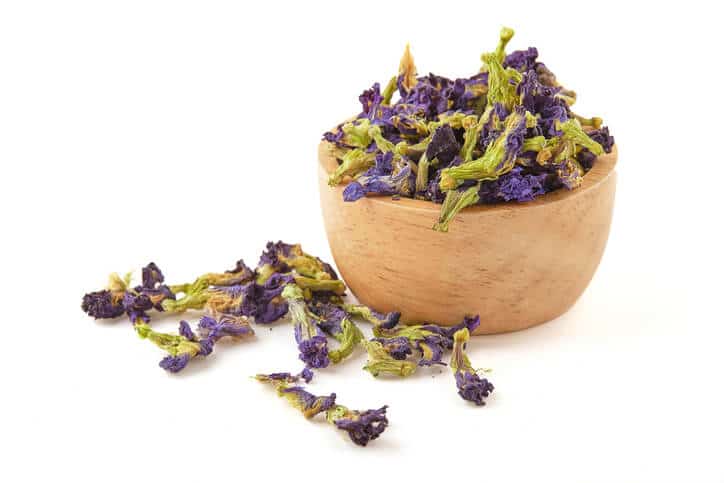
- Gather Your Ingredients: You’ll need dried butterfly pea flowers (whole or tea bags) and hot water.
- Heat Water: Heat water to around 200-212°F (93-100°C). Avoid boiling water, as it can make the tea bitter.
- Steep the Flowers: Place 5-7 dried flowers (or one tea bag) in a cup or teapot.
- Pour and Steep: Pour the hot water over the flowers. Let steep for 5-10 minutes, or until the water turns a deep blue color.
- Enjoy: Remove the flowers or tea bag and enjoy! You can add honey, lemon, or other flavorings to taste.
Iced Tea
- Brew Double Strength: Follow the steps for hot tea, but use double the amount of flowers (10-14 flowers or two tea bags) to create a stronger brew.
- Cool Slightly: Allow the tea to cool slightly.
- Pour Over Ice: Fill a glass with ice and pour the warm tea over it.
- Enjoy: Add lemon, mint, or other desired additions.
The Color-Changing Magic
One of the most fascinating aspects of butterfly pea flower tea is its ability to change color.
- Blue to Purple/Pink: Adding an acidic ingredient, like lemon or lime juice, will change the tea’s color from blue to purple or pink. This is due to the pH sensitivity of the anthocyanins.
- Experiment: Have fun experimenting with different additions to create a variety of colors and flavors.
How to Incorporate Clitoria Flower into Your Daily Routine
Incorporating Clitoria flowers into your daily routine is easy and enjoyable. Here are a few ways to make the most of this delightful herbal infusion:
- Morning pick-me-up: Start your day with a refreshing cup of hot or iced butterfly pea tea. The natural energy boost from the antioxidants can help you feel more alert and focused.
- Mid-day relaxation: Take a break from your busy schedule and enjoy a soothing cup of tea. The act of brewing and sipping the tea can be a calming ritual that promotes mental well-being.
- Cocktail ingredient: Use the vibrant blue color of butterfly pea flowers to create visually stunning and healthy cocktails.
- Cooking and baking: Experiment with using the flower as a natural food coloring in various recipes, such as rice dishes, baked goods, and desserts. The tea’s subtle floral flavor can add a unique twist to your culinary creations.
“I love how versatile the blue flower is. I can enjoy it hot or cold, on its own, or mixed with other ingredients. It’s a great way to add a touch of beauty and nutrition to my daily routine.” – Sarah, a butterfly pea tea enthusiast
How Butterfly Pea Tea Compares to Other Herbal Teas
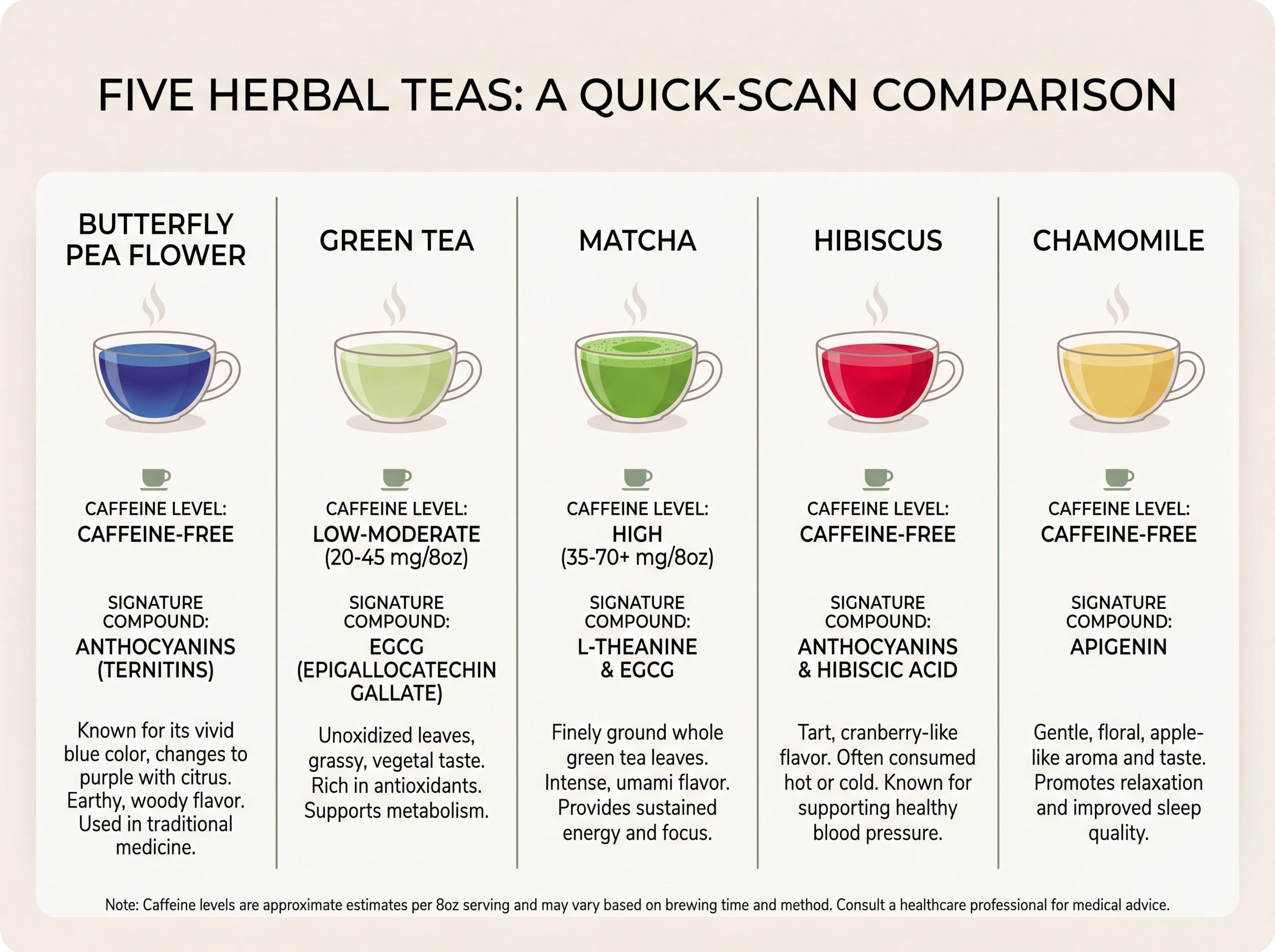
People often reach for butterfly pea tea as an alternative to a more familiar cup, so it helps to see where it sits among other popular brews. Its defining trait is that it is caffeine-free yet still antioxidant-rich, drawing its color and its ternatin anthocyanins from the petals of Clitoria ternatea rather than from the leaves of the tea plant (Clitoria ternatea review, 2025, PMID: 41225871). The table below lines it up against four common choices.| Tea | Caffeine | Key compound | Traditionally enjoyed for | Color in the cup |
|---|---|---|---|---|
| Butterfly pea (Clitoria ternatea) | None | Ternatins (anthocyanins) | Calm, antioxidant support, color-change ritual | Deep blue, turns violet with citrus |
| Green tea | Moderate | EGCG (catechins) | Gentle energy, metabolic support | Pale green to gold |
| Matcha | High | EGCG plus L-theanine | Sustained focus | Vivid green |
| Hibiscus | None | Anthocyanins, organic acids | Tart refreshment, circulatory support | Ruby red |
| Chamomile | None | Apigenin (flavonoid) | Evening wind-down | Pale gold |
| Traditional-use descriptions are cultural context, not medical claims. | ||||
Potential Side Effects and Precautions
While butterfly pea flower tea is generally considered safe for most people, there are a few potential side effects and precautions to be aware of: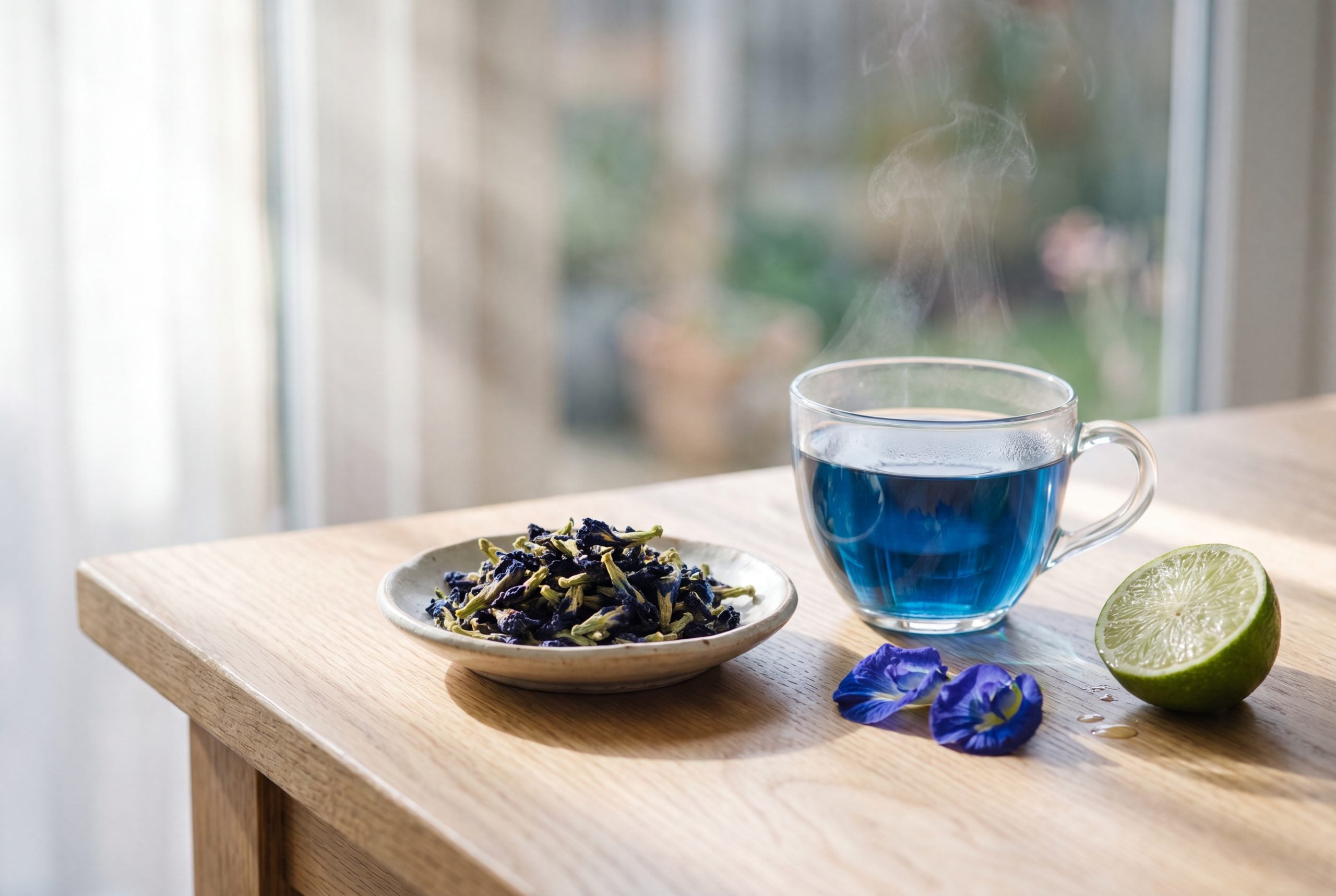
Is Butterfly Pea Flower Poisonous? Safety at a Glance
This is one of the most common questions, and the short answer is reassuring. The flowers of Clitoria ternatea are widely eaten as food and brewed as tea across Southeast Asia, and the plant is recognized as a culinary botanical rather than a toxic one (Butterfly pea flower tea, Wikipedia). In our sourcing experience, the petals are the part used for tea, and a standard cup made from a few dried flowers is generally well tolerated. The usual caution applies to the seeds and seed pods, which can act as a strong laxative if eaten in quantity and are not part of a normal tea preparation. As with any botanical, stay with the flowers, brew at sensible strength, and stop use if you notice an unusual reaction.
Mild Side Effects
Some individuals have reported mild side effects, such as:
- Nausea
- Stomach pain
- Diarrhea
These side effects are typically mild and temporary. However, many of the reports are not supported by research.
Allergic Reactions
Although rare, some individuals may be allergic to butterfly pea flowers. If you experience any symptoms of an allergic reaction, such as:
- Itching
- Swelling
- Hives
- Difficulty breathing
Discontinue use immediately and seek medical attention.
Drug Interactions
Clitoria ternatea may interact with certain medications, particularly:
- Blood Sugar Medications: Because butterfly pea flower tea may lower blood sugar levels, it could potentially interact with diabetes medications, leading to hypoglycemia (low blood sugar).
- Anticoagulants (Blood Thinners): There is some concern that butterfly pea flower may have mild antiplatelet effects, potentially increasing the risk of bleeding when taken with blood thinners.
Crucial Note: If you are taking any medications, it is essential to consult your healthcare provider before consuming butterfly pea flower tea.
Pregnancy and Breastfeeding
There is limited research on the safety of consuming butterfly pea flower tea during pregnancy and breastfeeding. As a precaution, it’s generally recommended to:
- Avoid Consumption: Unless specifically advised by your healthcare provider.
- Consult Your Doctor: If you are pregnant or breastfeeding and considering using butterfly pea flower tea, discuss it with your doctor first.
Children: Butterfly pea flower is used as a food coloring and culinary infusion in parts of Southeast Asia, and a weak, well-diluted cup is generally considered a gentle, caffeine-free option. Because research specific to children is limited, it is best to offer only small, diluted amounts and to consult your pediatric healthcare provider before making it a regular part of a child’s routine, especially for young children or any child taking medication.
Dosage
While there’s no established standard dosage, most recommendations suggest consuming 1-2 cups of butterfly pea flower tea per day. Start with a small amount and gradually increase as tolerated.
Frequently Asked Questions
Can I drink butterfly pea flower tea every day?
For most healthy adults, a daily cup or two is generally considered fine. It is caffeine-free, so it does not carry the daily-limit concerns that come with coffee or strong tea, and the traditional serving is one to two cups per day. The best time to drink it is flexible. Many people enjoy it in the late afternoon or evening precisely because there is no caffeine to disturb sleep, while a morning cup pairs well with citrus for the color-change effect. Start with one cup, see how you feel, and adjust from there.
Who should not drink butterfly pea flower tea?
A few groups should be cautious. People who are pregnant or breastfeeding are usually advised to avoid it unless their provider approves, since safety data in those situations is limited. If you take medication for diabetes or blood pressure, or a blood thinner, check with your doctor first because the flower has been studied for effects on blood sugar and circulation (Chusak et al., 2018, BMC Complementary and Alternative Medicine, PMID: 29310631). Anyone with a known legume allergy should introduce it carefully, and it is best to pause before any scheduled surgery. For a consistent daily option, some people prefer measured butterfly pea capsules so the amount is the same each time.
How does butterfly pea flower tea make you feel?
Because it is caffeine-free, butterfly pea tea will not leave you jittery or wired. Most people describe a calm, settled feeling rather than a stimulant lift, which is why it is often part of a relaxation or evening ritual. The flower has a long traditional reputation as a calming, mood-supportive brew, and its rich antioxidant content is the part best supported by current research (Healthline). The earthy, mildly sweet flavor and the striking color are a big part of why the experience feels soothing.
These statements have not been evaluated by the Food and Drug Administration. This product is not intended to diagnose, treat, cure, or prevent any disease. Consult your healthcare provider before use.