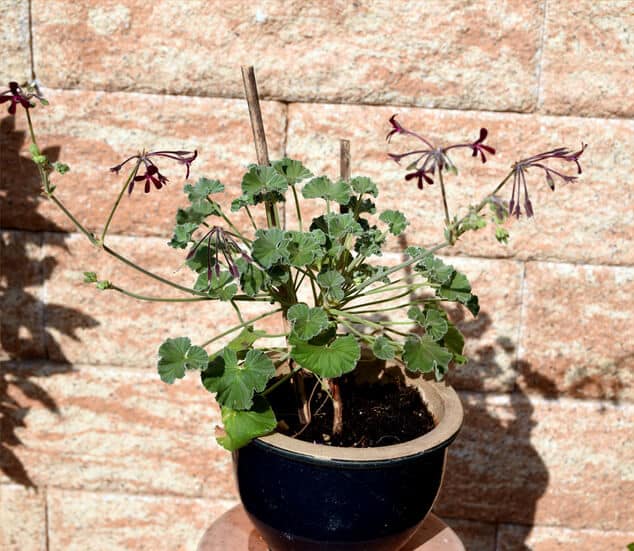
Pelargonium sidoides, commonly known as African geranium or South African Geranium, is a medicinal plant with a rich history in traditional Zulu, Basuto, Xhosa, and Mfengi medicine. Native to South Africa, this herb has been used for centuries to treat a variety of ailments, particularly respiratory and gastrointestinal complaints. Today, P. sidoides is gaining recognition worldwide for its potential health benefits, backed by growing scientific research.
What is Pelargonium sidoides?
Pelargonium sidoides is a member of the geranium family, but it’s distinct from the common ornamental geraniums. The medicinal properties are primarily concentrated in the plant’s roots, which contain a complex mixture of bioactive compounds. These compounds work synergistically to provide therapeutic effects. This plant, also referred to as Umckaloabo is different from other species in the Pelargonium genus.
Traditional Uses and Historical Context
In its native South Africa, P. sidoides has a long history of use for a variety of conditions. Traditional healers have employed it to address:
- Coughs and respiratory tract irritations
- Gastrointestinal issues, including diarrhea and dysentery
- Wound healing
- Liver complaints
- Infections
This traditional knowledge has provided a foundation for modern scientific investigation into the plant’s properties.
The Science Behind Pelargonium sidoides: Active Compounds
The therapeutic effects of P. sidoides are attributed to its diverse range of bioactive constituents. These include:
- Coumarins: This group includes 7-hydroxycoumarins like umckalin, which exhibit antimicrobial and immunomodulatory effects.
- 7-hydroxycoumarins (Umckalin): Antimicrobial and immunomodulatory.
- Scopoletin: Found active against Mycobacterium smegmatis.
- Gallic Acid and Derivatives: These compounds possess potent antioxidant properties, protecting cells from damage caused by free radicals.
- Flavonoids: Contribute to the plant’s antioxidant and anti-inflammatory effects.
- Polyphenols (Catechin and Gallocatechin): Contribute to the plant’s antimicrobial properties.
- Proanthocyanidins: These are particularly important for the plant’s anti-adhesive properties, preventing pathogens from attaching to cells.
- Phenols: contribute to its antimicrobial properties.
These compounds work in concert to produce the observed health benefits.
Proven Health Benefits of Pelargonium sidoides
Respiratory Health Support
One of the most well-established benefits of P. sidoides is its ability to support respiratory health. Numerous clinical studies have focused on its effectiveness in treating acute upper respiratory tract infections (URTIs), including:
- Acute Bronchitis: P. sidoides extracts have been shown to significantly reduce the severity and duration of acute bronchitis symptoms, such as cough, sputum production, chest pain, and difficulty breathing. It helps by reducing inflammation in the airways and promoting the clearance of mucus.
- Common Cold: P. sidoides can shorten the duration and reduce the severity of common cold symptoms.
- Sinusitis: Clinical evidence suggests that P. sidoides can alleviate symptoms of acute sinusitis.
- Tonsillopharyngitis: P. sidoides extracts have shown efficacy in treating tonsillopharyngitis (inflammation of the tonsils and pharynx) in both adults and children.
- Rhinopharyngitis: P. sidoides can also be used to support the treatment for patients.
Mechanism of Action: How Pelargonium sidoides Works
The effectiveness of P. sidoides in treating respiratory infections is attributed to multiple mechanisms:
- Anti-Adhesive Properties: Proanthocyanidins and other compounds in P. sidoides prevent bacteria and viruses from adhering to the cells lining the respiratory tract. This prevents the pathogens from colonizing and causing infection.
- Mucolytic Action: P. sidoides helps to thin and loosen mucus, making it easier to expel from the airways. This reduces congestion and supports clearing the infection.
- Immunomodulatory Effects: P. sidoides modulates the immune system, rather than simply “boosting” it. It stimulates the production of cytokines, such as interferon-gamma, IL-1, IL-2, and TNF-alpha, which play critical roles in fighting infection. It also enhances the activity of natural killer (NK) cells, a type of white blood cell that destroys virus-infected cells. P. sidoides modulates the production of secretory immunoglobulin A (sIgA).
- Interferon Stimulation: P. sidoides promotes the body’s production of interferon, a crucial part of the antiviral response.
- Ciliary Beat Frequency: The plant increases the frequency with which cilia (tiny hair-like structures in the airways) beat, improving mucus clearance.
- Antibacterial Activity: While often associated with antiviral effects, P. sidoides also exhibits antibacterial activity against certain strains of bacteria, including some multi-resistant strains. This is particularly relevant for secondary bacterial infections that can follow viral URTIs.
Immune System Modulation
Beyond its effects on specific respiratory infections, Pelargonium sidoides has broader immunomodulatory properties. Research indicates it may help to:
- Increase the production of white blood cells.
- Enhance the activity of immune cells.
- Regulate the inflammatory response.
Potential Gastrointestinal Benefits
Although less extensively researched than its respiratory benefits, P. sidoides has traditional use in treating gastrointestinal complaints like diarrhea and dysentery. Some in vitro studies support this traditional use, showing antibacterial activity against certain pathogens that cause gastrointestinal infections. More research is needed to fully understand the plant’s efficacy in this area.
Research and Clinical Evidence
Numerous articles have documented the studies surrounding the use of P. sidoides. Much of the clinical research on P. sidoides has focused on a specific, standardized extract known as EPs 7630. This extract is produced using a particular extraction method that ensures a consistent concentration of active compounds. When reviewing research, it’s important to note whether EPs 7630 was used, as results may not be generalizable to other P. sidoides preparations.
- Clinical Trials: Multiple randomized, double-blind, placebo-controlled clinical trials have demonstrated the efficacy and safety of EPs 7630 in treating URTIs in both adults and children. These trials have shown significant reductions in symptom severity, duration of illness, and, in some cases, a reduced need for antibiotics.
- Meta-Analyses: Meta-analyses, which combine data from multiple clinical trials, provide further support for the effectiveness of P. sidoides in treating URTIs. A Cochrane review and other meta-analyses have concluded that P. sidoides (specifically EPs 7630) is likely effective in reducing the severity and duration of URTI symptoms.
- Children’s Studies: Several clinical trials have specifically focused on the use of EPs 7630 in children with URTIs. These studies have generally shown good efficacy and safety, with dosage adjustments based on age and weight.
- COPD Patients: A significant portion of patients with COPD also experienced positive outcomes.
How to Use Pelargonium sidoides
P. sidoides is available in various forms, including:
- Liquid Extracts: Often considered the most effective form, particularly for respiratory infections.
- Tablets and Capsules: Convenient for daily use.
- Powder: Can be mixed with other liquids.
Dosage: Dosage recommendations vary depending on the form, the specific condition being treated, and the age of the individual. For EPs 7630, typical adult dosages for acute URTIs range from 30-60 drops (approximately 1.5 – 3 ml) of the liquid extract three times daily. For children, dosage should be adjusted based on age and weight, following the manufacturer’s instructions or a healthcare professional’s guidance.
Duration of Use: P. sidoides is generally recommended for short-term use (7-10 days) for acute conditions. It is not typically used for long-term prevention without medical supervision.
Safety, Side Effects, and Precautions
Pelargonium sidoides is generally considered safe when used as directed. However, certain precautions should be taken:
- Side Effects: The most common side effects are mild and temporary, including:
- Gastrointestinal upset (nausea, diarrhea, stomach pain)
- Skin rash (rare)
- Liver Concerns: There have been rare reports of liver problems associated with P. sidoides use. Discontinue use and consult a doctor immediately if you experience any signs of liver issues, such as yellowing of the skin or eyes (jaundice), dark urine, or abdominal pain.
- Bleeding Disorders: Individuals with bleeding disorders or taking anticoagulant medications (blood thinners like warfarin) should avoid P. sidoides due to its coumarin content. Although some research suggests the specific coumarins in P. sidoides may not have the same anticoagulant effect as warfarin, caution is still essential.
- Autoimmune Disorders: Individuals with autoimmune disorders (e.g., lupus, rheumatoid arthritis, multiple sclerosis) should consult a healthcare professional before using P. sidoides, as it can modulate the immune system.
- Pregnancy and Breastfeeding: P. sidoides should be avoided during pregnancy and breastfeeding due to a lack of safety data.
- Children: P. sidoides is generally not recommended for children under 6 years of age without medical advice.
- Surgery: Discontinue use at least two weeks before any scheduled surgery.
- Drug Interactions: P. sidoides may interact with immunosuppressant medications. Consult your doctor if you are taking any prescription medications.
Choosing a Quality Pelargonium sidoides Product
When selecting a P. sidoides product, look for:
- Standardized Extracts: Opt for products that contain a standardized extract, particularly EPs 7630, to ensure consistent potency and quality.
- Reputable Brands: Choose products from reputable manufacturers that follow good manufacturing practices (GMP).
- Third-Party Testing: Some manufacturers have their products tested by independent laboratories to verify purity and potency.
Health Benefits of Umckaloabo
Pelargonium sidoides, a plant native to South Africa, has been utilized in traditional medicine for centuries. This medicinal herb contains a variety of beneficial compounds that contribute to its health-promoting properties.
One of the most notable advantages is its ability to support respiratory health. The extract of this plant has been shown to help alleviate symptoms associated with acute bronchitis, such as cough, chest pain, and difficulty breathing. Reducing inflammation in the airways and promoting the clearance of mucus may provide relief for those suffering from common respiratory issues.
Other potential health benefits include:
Antiviral properties Antibacterial effects Anti-inflammatory action Antioxidant activity
While more research is needed to fully understand the health benefits, the available evidence suggests that this medicinal herb may be a valuable addition to one’s natural healthcare routine.
Research Studies
Several scientific studies have investigated the efficacy and safety of Umckaloabo for various health conditions. These research findings provide valuable insights into the potential benefits of this medicinal herb.
One notable study, published in the journal “Phytomedicine,” evaluated the effectiveness of Pelargonium sidoides extract in the treatment of acute bronchitis. The randomized, double-blind, placebo-controlled trial involved 124 adult participants with acute bronchitis symptoms. The results showed that those who received the treatment experienced a significant reduction in bronchitis symptom scores compared to the placebo group, demonstrating the herb’s potential to alleviate respiratory issues.
Another study, conducted by researchers at the University of Freiburg in Germany, investigated the immunomodulatory effects. The in vitro study found that the extract stimulated the production of cytokines and chemokines, which play a crucial role in the body’s immune response. These findings suggest that it may help support the immune system and enhance its ability to combat infections.
A systematic review and meta-analysis published in the “Cochrane Database of Systematic Reviews,” assessed the effectiveness and safety of the treatment of acute respiratory tract infections (ARTIs). The analysis included 10 randomized controlled trials with a total of 1,961 participants. The authors concluded that Pelargonium sidoides might be effective in reducing the severity and duration of ARTIs, although they noted that further high-quality research is needed to confirm these findings.
While these studies provide promising evidence, it’s important to acknowledge that more research is needed to fully understand its mechanisms of action and long-term safety profile.
Potential Side Effects and Risks
While it is generally well-tolerated, it’s essential to be aware of the potential side effects and risks associated with its use. As with any medicinal herb or supplement, some individuals may experience adverse reactions.
The most common side effects reported include mild digestive discomfort, nausea, diarrhea, and skin rash (rare).
In most cases, these side effects are temporary and resolve on their own without the need for medical intervention. However, if you experience severe or persistent symptoms, discontinue use and consult your healthcare provider.
It’s important to note that Pelargonium sidoides may not be suitable for everyone. Individuals with certain health conditions, such as autoimmune disorders or bleeding disorders, should exercise caution when using this herb. Additionally, pregnant and breastfeeding women should avoid using due to the lack of safety data in these populations.
Although rare, allergic reactions have been reported. Symptoms of an allergic reaction may include itching, hives, swelling of the face, tongue, or throat, and difficulty breathing.
If you experience any signs of an allergic reaction, seek medical attention immediately.
To minimize the risk of adverse effects, always follow the recommended dosage and duration of use. Do not exceed the suggested dose or use the herb for longer than recommended without consulting a healthcare professional.
Final Thoughts
Pelargonium sidoides, with its centuries-old tradition and modern scientific backing, offer a promising natural option for those seeking to support their respiratory health and overall well-being. As research continues to uncover the full extent of its medicinal properties, this African herb may play an increasingly important role in the world of natural health care. By incorporating Pelargonium sidoides mindfully and under the guidance of a qualified healthcare provider, you may be able to harness the potential benefits of this powerful medicinal herb. As with any natural remedy, it’s essential to approach its use with caution, listen to your body’s response, and select a high-quality, standardized extract from a reputable source to ensure potency and purity.