Traditional Thai medicine has long valued a unique rhizome known as Kra Chai Dom, or Black Ginger. Scientifically termed Kaempferia parviflora, this plant, a member of the ginger family (Zingiberaceae), is gaining increasing attention for its diverse potential health benefits. This article provides a comprehensive overview of Kaempferia parviflora, drawing upon both traditional knowledge and contemporary scientific research.
What is Kra Chai Dom?
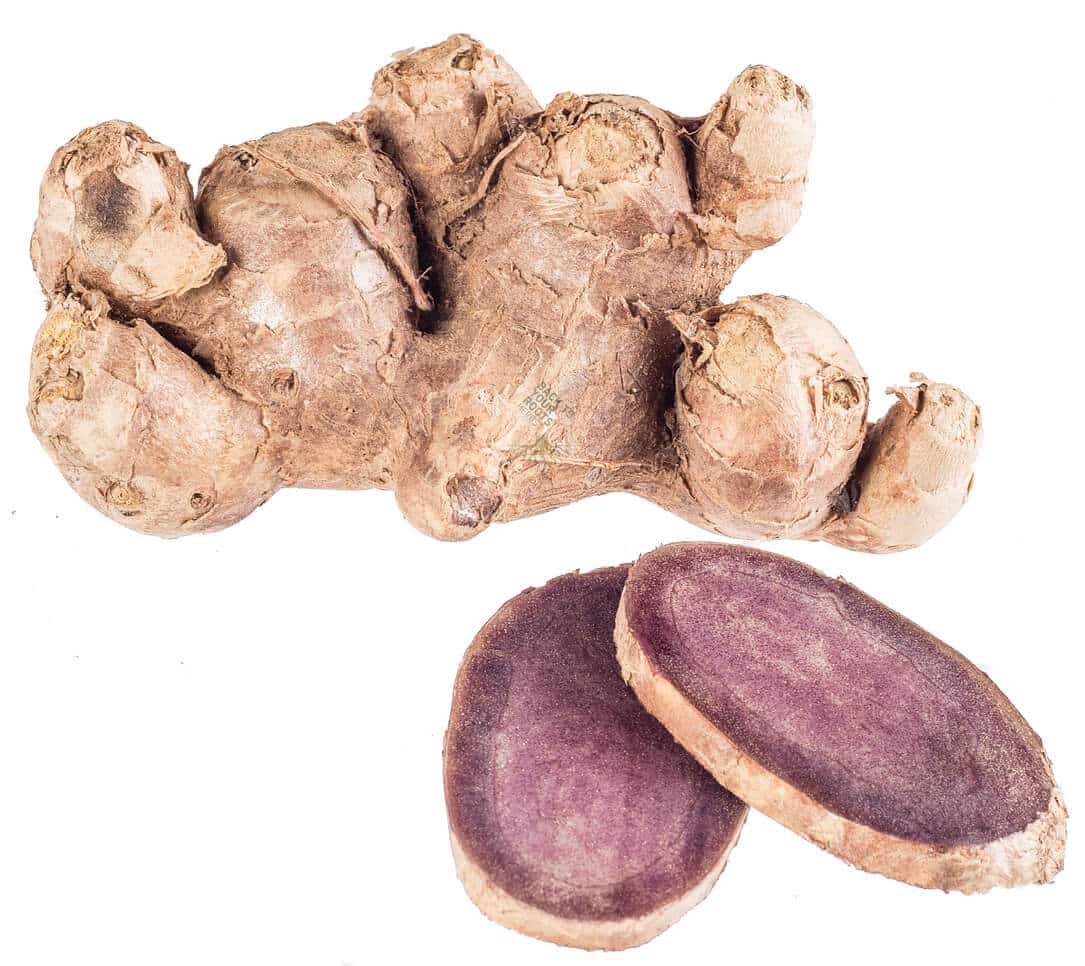
Kra Chai Dom, commonly called Black Ginger or Thai Ginseng, is a plant native to Thailand. It’s characterized by its dark purple, almost black, rhizome (the underground stem). This distinctive color arises from high concentrations of polymethoxyflavones (PMFs), bioactive compounds believed to be responsible for many of the plant’s purported health effects. Unlike common ginger, Kaempferia parviflora has a milder, earthier flavor.
Traditional Uses of Black Ginger in Thai Medicine
For over a thousand years, Kaempferia parviflora has been a cornerstone of traditional Thai medicine. It has been used to address a wide array of health concerns, including:
- Enhancing vitality and combating fatigue.
- Improving sexual performance and libido.
- Alleviating digestive discomfort.
- Promoting overall health and well-being.
- Treating a variety of ailments, from allergies to metabolic disorders (though these uses require further scientific validation).
The Science Behind Kaempferia parviflora: Key Mechanisms of Action
Modern research is beginning to unravel the mechanisms underlying the traditional uses of Black Ginger. Several key pathways have been identified:
PDE5 Inhibition and Sexual Function
One of the most studied aspects of Kaempferia parviflora is its ability to inhibit phosphodiesterase type 5 (PDE5). PDE5 is an enzyme that breaks down cyclic guanosine monophosphate (cGMP), a molecule crucial for relaxing the smooth muscles in blood vessels. By inhibiting PDE5, Kaempferia parviflora helps maintain higher cGMP levels, leading to improved blood flow. This is particularly relevant to the corpus cavernosum of the penis, supporting erectile function. This mechanism is similar to that of drugs like Viagra.
Nitric oxide (NO) plays a vital role in this. NO is a vasodilator—it relaxes blood vessels. cGMP acts as a “second messenger,” carrying out NO’s signal. By preventing cGMP breakdown, Kaempferia parviflora prolongs NO’s effects, promoting vasodilation and enhanced blood flow. Some research also suggests a potential influence on dopamine levels, a neurotransmitter linked to pleasure and sexual desire, further contributing to its libido-enhancing effects.
AMPK Activation and Metabolic Effects
Kaempferia parviflora has been shown to activate AMP-activated protein kinase (AMPK), a critical regulator of cellular energy. AMPK is often called a “metabolic master switch.” When activated, it stimulates glucose uptake in muscles, increases fatty acid oxidation (fat burning), and improves insulin sensitivity. These effects contribute to improved energy levels, enhanced physical performance, and potential benefits for metabolic health, including weight management.
Antioxidant Properties and Cellular Protection
Black Ginger is rich in polymethoxyflavones (PMFs), particularly 5,7-dimethoxyflavone, which exhibit potent antioxidant activity. These antioxidants neutralize harmful free radicals, protecting cells from oxidative stress and damage. Oxidative stress is implicated in the development of many chronic diseases, so these properties may contribute to Kaempferia parviflora’s overall health-promoting effects.
Anti-inflammatory Effects
Kaempferia parviflora possesses anti-inflammatory properties, although the precise mechanisms are still being investigated. It’s believed that certain PMFs may inhibit inflammatory pathways and reduce the production of pro-inflammatory mediators like cytokines. This contributes to the plant’s potential for alleviating muscle soreness, reducing inflammation-related discomfort, and supporting overall well-being.
Brown Adipose Tissue (BAT) Upregulation
Research indicates that Kaempferia parviflora may increase the expression of brown adipose tissue (BAT) markers. BAT is a type of fat tissue that burns calories to generate heat (thermogenesis). By boosting BAT activity, Kaempferia parviflora may contribute to increased energy expenditure and potential benefits for weight management.
Research-Backed Benefits of Kaempferia parviflora
Numerous studies have investigated the potential health benefits of Black Ginger. Here’s a summary of key findings:
Enhanced Physical Performance and Endurance
A 2018 randomized, double-blind, placebo-controlled trial in the Journal of the International Society of Sports Nutrition examined K. parviflora extract (KPE) effects on physical performance in elderly subjects. Sixty participants received either 100 mg of KPE daily or a placebo for 8 weeks. The KPE group showed significant improvements in hand grip strength, the 30-second chair stand test (lower body strength), and the 6-minute walk distance (endurance) compared to the placebo group. A study published in Evidence-Based Complementary and Alternative Medicine provides a systematic review of the effects of KPE on physical fitness concerning sprint and endurance performance.
Improved Sexual Function
A 2013 study in Phytomedicine examined the in vitro effects of a K. parviflora extract and its isolated methoxyflavones on PDE5 activity. The researchers found that the extract significantly inhibited PDE5, identifying specific methoxyflavones responsible. This provides a mechanistic explanation for the traditional use of the herb to improve erectile function. Another clinical trial involving 45 participants found indications of improved erectile function in the KPE group compared to placebo.
Increased Energy Expenditure and Metabolic Effects
A 2019 study in Frontiers in Pharmacology investigated the effects of a K. parviflora extract on energy expenditure and brown adipose tissue (BAT) in mice. Mice on a high-fat diet received either 100 mg/kg of KPE daily or a control substance for 8 weeks. KPE significantly increased BAT activity and energy expenditure, suggesting its potential for managing obesity and metabolic disorders.
Effects on Testosterone
Studies on K. parviflora’s effect on serum testosterone levels show mixed results. A 2006 study indicated that KPE significantly increased serum testosterone, while a 2008 study on male rats did not show a testosterone-like effect. The 2006 study, with 120 healthy male subjects receiving KPE, showed significantly elevated testosterone levels compared to the control group, along with increased sexual activity. The 2008 study, administering KP extract to male rats with induced diabetes for 60 days, found decreased testosterone in the diabetic control group but a significant increase in the KP-treated diabetic group, suggesting KP enhanced testosterone in rats with impaired gonadal function.
Other Potential Benefits
Beyond the areas above, preliminary studies and traditional uses suggest other potential benefits:
- Antimicrobial Effects: Some studies suggest antimicrobial properties, potentially inhibiting certain bacteria and fungi.
- Anticancer Effects: Preliminary in vitro and animal studies have indicated potential anticancer effects. However, human research is needed.
- Neuroprotective Effects: Some research suggests neuroprotective properties, potentially supporting cognitive function and memory.
- Cardiovascular Health: Beyond blood flow effects, Kaempferia parviflora may offer other cardiovascular benefits, such as supporting healthy blood pressure and cholesterol.
- Anti-allergic Effects: Some evidence suggests anti-allergic properties.
- Antidepressive effects: Preliminary studies have shown potential.
- Skin Health: Some traditional uses suggest benefits for skin health.
- Anti-diabetic Effects: May show a positive effect on improving insulin sensitivity and other diabetic markers.
Further research is needed to confirm these potential benefits.
Research Summary Table
| Study | Year | Dosage | Duration | Results |
|---|---|---|---|---|
| J Int Soc Sports Nutr | 2018 | 100 mg KPE daily | 8 weeks | Improved physical performance in elderly subjects |
| Phytomedicine | 2013 | Isolated methoxyflavones | In vitro | Inhibition of PDE5 enzyme |
| Front Pharmacol | 2019 | 100 mg/kg KPE daily | 8 weeks | Increased BAT activity and energy expenditure |
| J Reprod Dev | 2006 | KP Extract | 8 Weeks | Increased serum testosterone levels compared to the control group and increased sexual activity |
| Andrologia | 2008 | 20, 40, and 80 mg/kg KP daily | 60 days | Increased serum testosterone levels in diabetic rats, but no testosterone-like effect in normal rats. |

How to Use Kra Chai Dom: Forms and Dosage
Kaempferia parviflora is available in several forms:
- Raw or Dried Rhizome: Can be sliced or grated and added to dishes.
- Powder: Can be mixed into smoothies, juices, or sprinkled on food.
- Capsules: A convenient option for standardized dosing.
- Tea: Can be prepared by steeping the dried rhizome or tea bags.
Dosage Recommendations:
Dosage varies depending on the form and intended use. General guidelines, based on research and traditional practice, include:
- Dried Powder/Rhizome: 90mg – 1.35g daily. The Thai Traditional Medicine Institute suggests 1.2g per day.
- Standardized Extracts: Many studies use extracts with a specific percentage of methoxyflavones (e.g., 2.5% – 10%). Dosage may range from 90mg to 150mg daily but follow manufacturer instructions.
It’s recommended to start with lower doses to assess tolerance.
Potential Side Effects and Precautions
Kaempferia parviflora is generally considered safe at recommended doses. However, potential side effects and precautions include:
- Gastrointestinal Issues: Some individuals may experience mild discomfort, such as bloating or diarrhea, especially with high doses.
- Interactions with Medications: Kaempferia parviflora may interact with medications, particularly those metabolized by the cytochrome P450 (CYP) enzyme system. It may also have mild blood-thinning effects. Consult your healthcare provider before use if you are taking any prescription medications, especially blood thinners.
- Pregnancy and Breastfeeding: Due to limited safety data, avoid use during pregnancy and breastfeeding unless under the guidance of a healthcare professional.
- Allergic Reactions: In rare cases, allergic reactions are possible. Discontinue use and seek medical attention if you experience any signs of an allergic reaction.
Conclusion: Integrating Traditional Wisdom and Modern Science
Kaempferia parviflora, or Kra Chai Dom, presents a compelling example of a traditional remedy with emerging scientific support. While research continues to solidify its benefits and mechanisms of action, its long history of use in Thai medicine, combined with promising research findings, suggests its potential as a natural approach to supporting various aspects of health and well-being. Always consult with a healthcare professional before using any new herbal supplement, particularly if you have underlying health conditions or are taking medications.