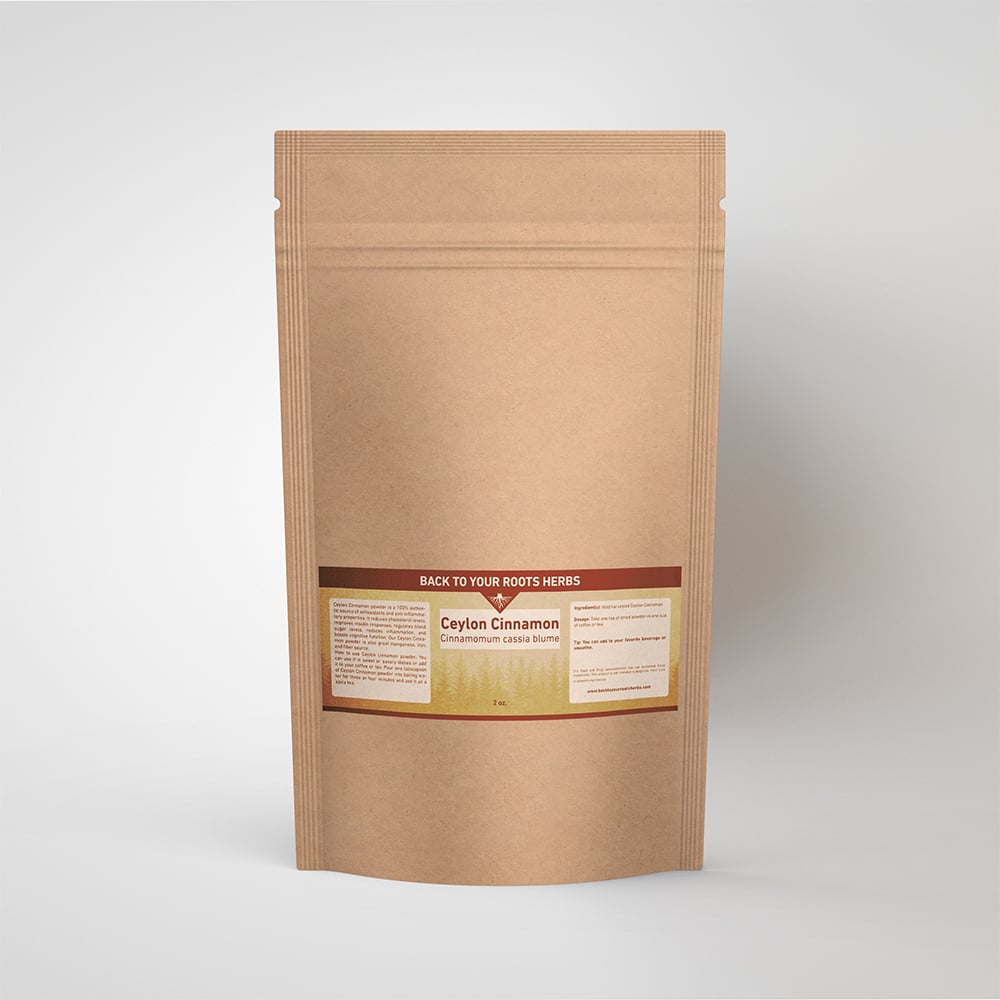
Ceylon Cinnamon Powder: The True Cinnamon from Sri Lanka
Grade A – Single-Origin Verified. This ceylon cinnamon powder comes from certified organic farms in the Galle District of southern Sri Lanka (6.0535 N, 80.2210 E). The inner bark of Cinnamomum verum trees grows in tropical monsoon soil at 300m elevation, producing cinnamon with naturally low coumarin and high cinnamaldehyde content. Each batch passes heavy metal testing before it reaches your pantry. – Back To Your Roots Herbs Research Group
Sensory Profile of This Ground Cinnamon
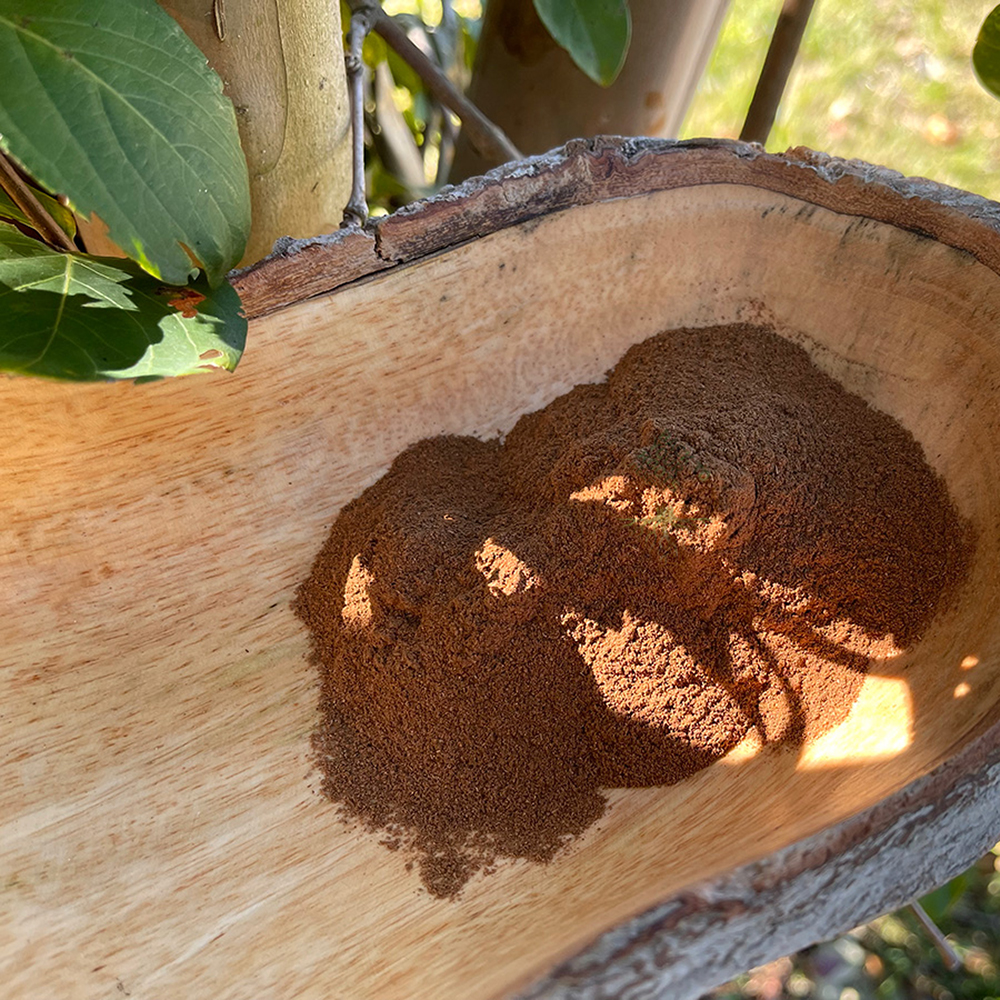
- Look: Fine tan-gold powder with a silky, uniform texture. No clumps. No fillers.
- Smell: Warm and delicate. Soft citrus top notes give way to a honey-sweet base. Nothing sharp or acrid like cassia cinnamon.
- Taste: Mild and naturally sweet with a light floral finish. This Ceylon cinnamon spice dissolves cleanly on the tongue without the burning bite common in ground cinnamon from Cinnamomum cassia.
How Does Ceylon Cinnamon Powder Work?
The Herb and Its Origin
Cinnamomum verum (syn. Cinnamomum zeylanicum) is sourced from the Galle District, Sri Lanka. Unlike cassia cinnamon sold in most grocery stores, true Ceylon cinnamon contains trace amounts of coumarin. Cassia varieties contain 1,200 mg/kg of coumarin on average. Ceylon cinnamon powder from Sri Lanka contains roughly 0.004 mg/kg. That difference matters for daily use.
The Active Mechanism
Cinnamaldehyde in this cinnamon powder acts as a polyphenol-rich antioxidant studied for its role in supporting healthy blood sugar levels already within the normal range. In research settings, cinnamon compounds have been associated with improved insulin sensitivity. The bark also supplies proanthocyanidins, compounds studied for their role in reducing oxidative stress and supporting cardiovascular function.
What the Research Shows
A phase I clinical trial by Ranasinghe et al. (2017) at the University of Colombo confirmed that Cinnamomum zeylanicum extract demonstrated anti-microbial, anti-parasitic, and antioxidant properties in healthy adults with no significant adverse effects at doses up to 500 mg daily (PMID: 29282046).
Beyond that single trial, pooled analyses point the same way. A systematic review and meta-analysis of cinnamon in type 2 diabetes reported measurable reductions in fasting blood glucose (PubMed), and a 2023 umbrella review of randomized trials found the same direction of effect (Diabetology and Metabolic Syndrome). For a plain-language overview, see the NIH NCCIH cinnamon page.
What Separates Cassia from Ceylon Cinnamon?
Cassia cinnamon dominates the global spice market because it costs less to produce. But Ceylon cinnamon holds clear advantages. It contains virtually no coumarin (a compound linked to liver stress in high doses). It delivers a more complex flavor profile. And it is traditionally associated with supporting healthy blood sugar levels already within the normal range, with a daily-use safety margin that cassia does not match.
How to Identify True, High-Quality Ceylon Cinnamon
Real Ceylon cinnamon is easy to spot once you know the markers. The quill is soft and brittle. It rolls into many thin, papery layers like a cigar. Cassia is hard and hollow, with one thick curl. Color tells you more. True Ceylon runs pale tan. Cassia is reddish-brown. On a label, look for the Latin name Cinnamomum verum, not the word “cinnamon” on its own. Ask for single-origin lot traceability and third-party testing for heavy metals and coumarin. This powder is milled from whole inner bark, traced to the Galle District, and heavy-metal tested every batch. For a botanical reference, see the Memorial Sloan Kettering cinnamon monograph.
Ways to Use This Ceylon Cinnamon Powder
In the Kitchen
Add this ground ceylon cinnamon to oatmeal, smoothies, lattes, and teas for a warm, sweet flavor without bitterness. This cinnamon powder works well in baking. Use it in desserts, breads, and spiced recipes. Mix it into yogurt or sprinkle it over fresh fruit. It pairs well with turmeric, ginger root, and other herbs and spices in warming food preparations.
As a Daily Supplement
Many customers use this pure Ceylon cinnamon powder daily in beverages or capsules for blood sugar support and antioxidant benefits. The mild Ceylon flavor makes it easy to add to any drink or food without overpowering other ingredients.
Ceylon Cinnamon, Metabolism, and Healthy Weight Context
Cinnamon is not a weight-loss product. Skip any source that says otherwise. What the research actually studies is blood sugar. Ceylon cinnamon is associated with supporting healthy blood sugar levels already within the normal range, which is the part of metabolic wellness most people ask about. Steady blood sugar can mean fewer sharp cravings between meals. There is a practical angle too. A quarter teaspoon of this powder adds real sweetness with no sugar and almost no calories. Swap it for a spoon of sugar in coffee, oatmeal, or yogurt and you cut added sugar without losing flavor. Pair daily cinnamon with whole foods and regular movement for the best metabolic results.
Critical Usage and Storage
Recommended Dosage
Start with 1/4 teaspoon (approximately 500 mg) daily. Common usage ranges from 1/4 to 1 teaspoon per day mixed into food or beverages. Consult your healthcare provider before use if you take blood sugar medications, blood thinners, or are pregnant or nursing.
Is Ceylon Cinnamon Safe for Daily, Long-Term Use?
This is where Ceylon earns its place in a daily routine. Coumarin is the deciding factor. European food-safety regulators set a tolerable daily intake for coumarin at 0.1 mg per kilogram of body weight (EFSA). For a 70 kg adult, that is about 7 mg a day. A single heaped teaspoon of cassia cinnamon can reach that ceiling on its own. This Ceylon powder carries roughly 0.004 mg/kg coumarin, hundreds of times less, so daily culinary use stays well under the limit. That margin is the reason Ceylon, not cassia, is the cinnamon to reach for every morning. Long-term use still has sensible limits. Keep total intake modest and talk with your healthcare provider first if you take blood sugar medication or blood thinners, or if you are pregnant or nursing.
Contraindications
Do not exceed 6 grams daily. Discontinue use if you experience allergic reactions. This Ceylon cinnamon powder is a food-grade spice, not a drug. It does not replace medical treatment for diabetes or any other condition.
How to Store Cinnamon Powder
Keep in an airtight container away from heat, light, and moisture. Stored properly, this cinnamon ceylon powder retains its flavor and potency for up to 12 months. Refrigeration is not required but extends shelf life in humid climates.
Is Ceylon Cinnamon Powder Safe for Children?
Parents ask about this often. Here is a straight answer. Cinnamon as a kitchen spice, sprinkled on oatmeal or toast, is a normal part of many family meals. Concentrated daily supplement use is a different question, and children are not small adults. Ceylon’s very low coumarin is the reason it is the better household choice over cassia when cinnamon shows up often in a child’s food. Even so, this powder is a food-grade spice, not a children’s supplement. Do not give it to a child as a daily supplement without first talking to your pediatric healthcare provider. Keep culinary amounts small and occasional.
Clinical Specs
| Spec | Detail |
|---|---|
| Serving Size | 1/4 Teaspoon (approx. 500 mg) |
| Frequency | 1-2 Times Daily |
| Active Marker | Cinnamaldehyde (Low Coumarin) |
| Processing | Raw Ground Inner Bark, Non-Irradiated |
| Safety | Heavy Metal Tested (Pass) |
| Ingredients | Organic Ceylon Cinnamon Bark Powder (Cinnamomum verum) |
| Other Ingredients | None |
| Purity | Organic, Non-GMO, Vegan |
| Free From | Wheat, Gluten, Soy, Dairy, Binders, Fillers |
| Origin | Galle District, Southern Province, Sri Lanka |
| Manufactured | Virginia Beach, VA, USA |
Ceylon Cinnamon vs. Generic Cinnamon: Comparison
| Feature | BTYRH Ceylon Cinnamon Powder | Generic Cassia Cinnamon |
|---|---|---|
| Origin | Galle District, Sri Lanka (Single-Origin) | Unspecified (China, Indonesia, Vietnam) |
| Species | Cinnamomum verum (True Cinnamon) | Cinnamomum cassia |
| Coumarin Level | Trace (0.004 mg/kg) | High (1,200+ mg/kg) |
| Taste | Mild, Sweet, Floral | Sharp, Spicy, Burning |
| Safety | Heavy Metal Tested, Organic, Non-GMO | Unknown/Untested |
DISCLAIMER:
*These statements have not been evaluated by the Food and Drug Administration (FDA). This product is not intended to diagnose, treat, cure, or prevent any disease. Consult your healthcare provider before starting any new supplement regimen.
Last Reviewed: June 2026 by the Back To Your Roots Herbs Research Group.
Reviews
There are no reviews yet.