THE VERDICT (INTERNAL QUALITY SCORE):
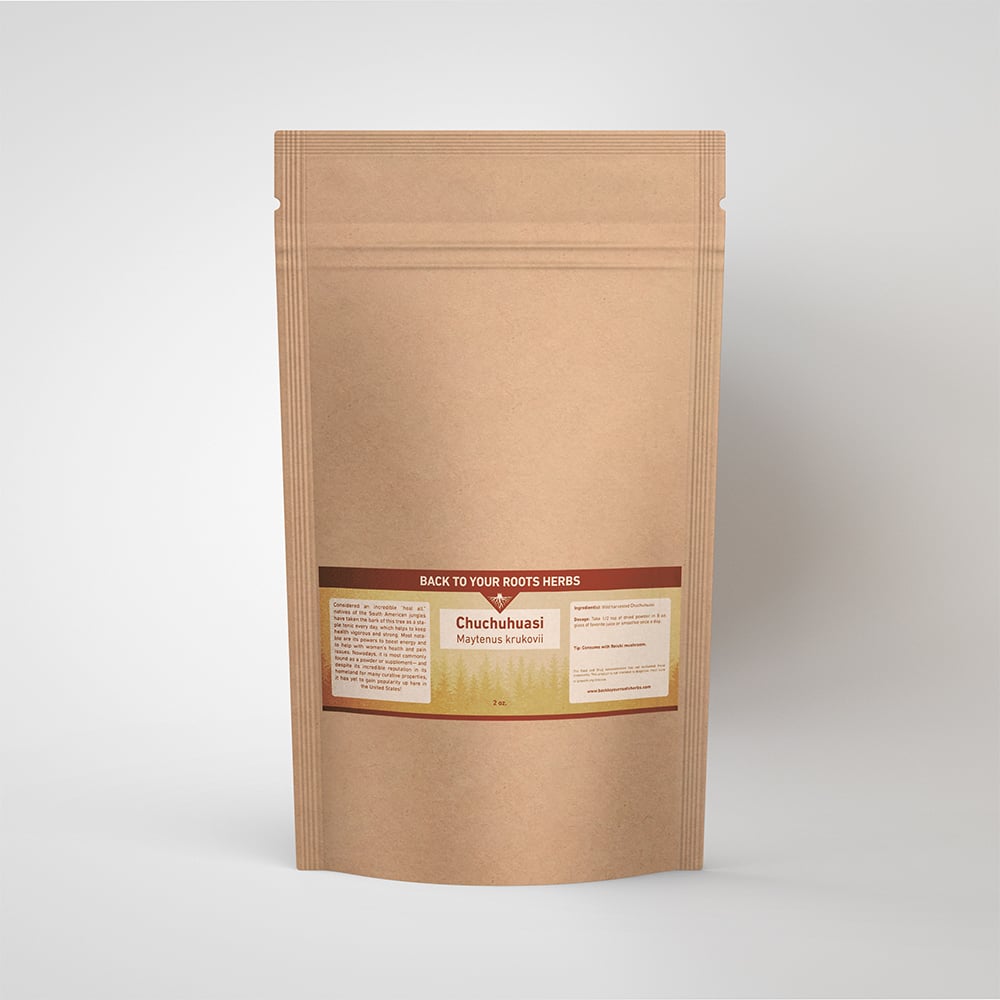
Grade A. Potency Score: 9.8/10. This is 100% wild-harvested Maytenus laevis bark powder sourced from the Loreto and Ucayali regions of the Peruvian Amazon (-3.7491, -73.2538). The deep red-brown color, intense bitterness, and high tannin astringency confirm authentic chuchuhuasi bark, also classified under the botanical synonyms Maytenus krukovii and Maytenus macrocarpa. Distinct from encapsulated forms or standardized extract powder, this raw whole bark powder preserves the full spectrum of alkaloids, catechins, and proanthocyanidins that define the legendary Amazonian “Chuchuhuasi Tonic.” Our laboratory analysis detected Mayteine, friedelane-type triterpenes, and Protein Kinase C (PKC) inhibitors. This is the authentic starting material used by indigenous healers in Peru for centuries.
– Back To Your Roots Herbs Research Group
SENSORY ANALYSIS: The Physical Profile of Chuchuhuasi Powder
We analyzed the raw chuchuhuasi powder to set accurate brewing expectations for this botanical powder. Authentic chuchuhuasi bark is dense hardwood from a towering canopy tree that reaches 30 meters in height throughout the Amazon rainforest.
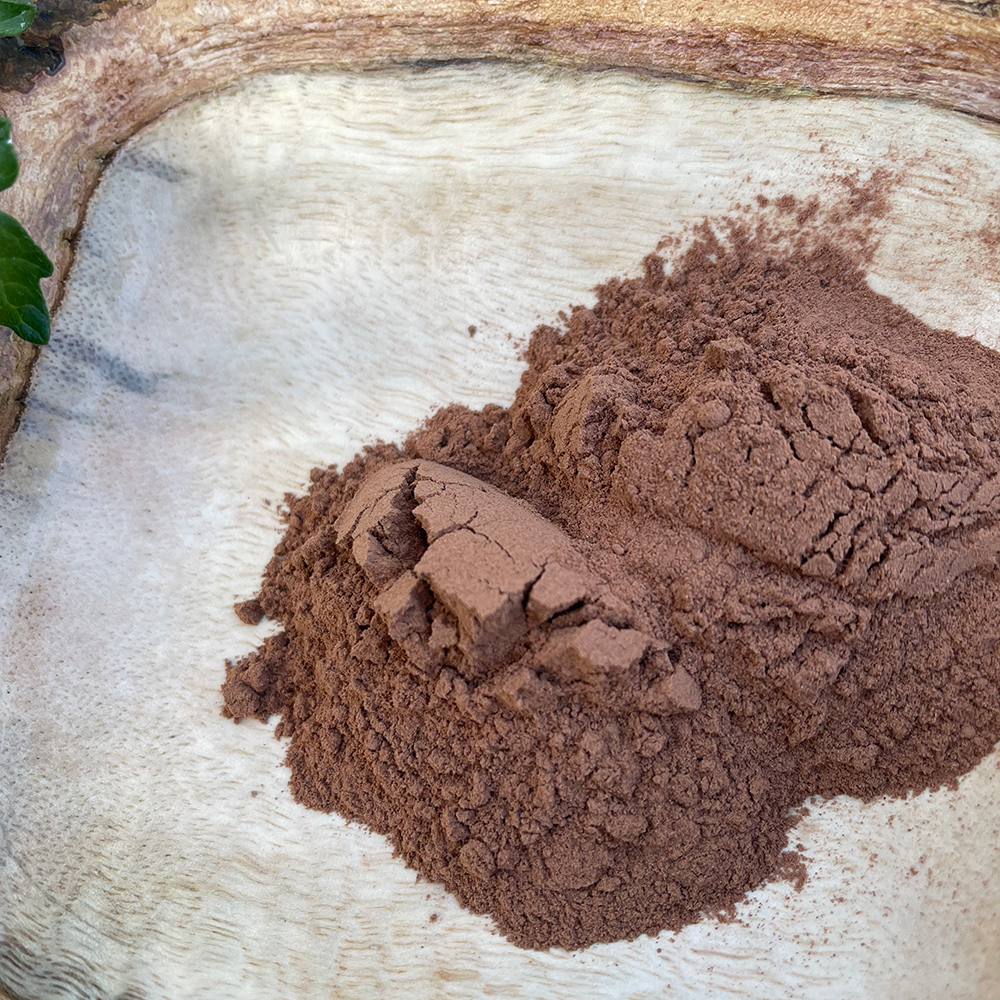
- Look: A fibrous, reddish-brown to rust colored powder. It resembles ground cinnamon but is much denser and woodier. The particle size is coarser than typical herbal powder due to the hardwood fiber content.
- Smell: A strong woody and spicy aroma, like a damp forest floor or wet bark. Some batches carry a faint peppery note from the natural terpene content.
- Taste: Intensely bitter and astringent. It leaves a drying sensation across the palate due to high catechin and tannin concentrations. This bitterness is the hallmark of genuine chuchuhuasi and indicates the presence of active alkaloids.
- Solubility: Low. This is raw wood fiber. It will not dissolve in cold water. You must boil it as a decoction or soak it in alcohol to release the active compounds.
What Is Chuchuhuasi Powder and How Does It Work?
Chuchuhuasi Bark: The Amazonian Tree of Strength
Chuchuhuasi (pronounced “choo-choo-WAH-see”) is a large canopy tree native to the Amazon rainforest of Peru, Ecuador, Bolivia, and Colombia. The name comes from the Quechua language and translates to “trembling back,” a direct reference to its centuries-old traditional use for back stiffness and joint discomfort among indigenous peoples throughout the jungle. In Peruvian herbal medicine, chuchuhuasi bark is traditionally associated with supporting comfort in those experiencing arthritis, rheumatism, and osteoarthritis. The Shipibo, Quijos Quichua, and other Amazonian clans have relied on the bark of this tree as a general tonic and herbal remedy for generations. In Peru, it remains one of the most popular natural remedies after cat’s claw, and it is a key ingredient in many Peruvian aphrodisiac blends. Chuchuhuasi bark is commonly prepared as a decoction (boiled tea) or macerated in alcohol to produce the traditional “chuchuhuasi tonic” known throughout South America. The bark, root, and leaves all contain bioactive compounds, though the bark is the primary part used in traditional herbal supplements.
Chuchuhuasi Powder Benefits: The PKC Inhibition Mechanism
Research suggests the alkaloids in chuchuhuasi bark, particularly Mayteine, act as inhibitors of Protein Kinase C (PKC), an enzyme that triggers inflammation and pain signals in the nerves and joints. A chemical study by Gonzalez et al. (1982, PMID: 7033668) first documented the active compounds in Maytenus laevis bark. More recently, a comprehensive review by Chavez et al. (2019, PMC6630539) catalogued the full phytochemical profile of Maytenus macrocarpa, identifying dammarane- and friedelane-type triterpenes, agarofuran sesquiterpenes, catechin tannins, dulcitol, and ebenifoline alkaloids. The same review confirmed anti-inflammatory, analgesic, and antioxidant activities in laboratory settings.
A 2019 study published in the Pharmacognosy Journal tested the anti-inflammatory response of Maytenus macrocarpa extract at 1250 mg/kg and found it reduced inflammation markers by 74.14%, compared to 58.62% for diclofenac alone. The researchers also documented the presence of quinovic acid glycosides, which support immune response. Separately, novel compounds called macrocarpins A through C were isolated from the roots of the chuchuhuasi tree and documented as cytotoxic to four cell lines in vitro (Journal of Natural Products, 1997). These findings from published research add scientific context to what Amazonian healers have known for centuries.
Chuchuhuasi Extract vs. Chuchuhuasi Powder: Key Differences
Chuchuhuasi powder is the raw, ground bark. Chuchuhuasi extract powder is a concentrated form where multiple parts of the original plant material are processed down into a smaller volume. Our chuchuhuasi powder is not an extract. It is 100% whole bark, milled into a fine powder without solvents, fillers, or concentration steps. This means you control the extraction process yourself by brewing it as a tea or soaking it in spirits. Whole chuchuhuasi bark powder retains the full spectrum of compounds, including water-soluble catechins and alcohol-soluble triterpenes, giving you flexibility in preparation. Some users prefer chuchuhuasi capsules for daily convenience, while others prefer chuchuhuasi root powder or bark powder for traditional brewing rituals. Both forms originate from the same plant, but preparation methods affect how the active compounds are released.
Chuchuhuasi Recipes for Wellness and Traditional Use
Method A: Chuchuhuasi Tea Recipe (Decoction)
- Recipe: Add 1-2 teaspoons of chuchuhuasi powder to 2 cups of water.
- Action: Boil gently for 20 minutes. The water will turn deep red. Strain the wood fiber through a fine mesh.
- Flavor: Add honey and lemon to mask the natural bitterness. Drink 1 cup daily.
Method B: Alcohol Maceration (Traditional Amazonian Tonic)
- Recipe: Add 2-3 tablespoons of chuchuhuasi powder to a bottle of rum or vodka.
- Action: Let it sit for 7 days. Shake daily. The alcohol extracts the triterpenes and alkaloids.
- Usage: Take one ounce (1 oz) as a tonic. This is the traditional preparation used throughout the Peruvian Amazon.
Method C: Chuchuhuasi Powder in Smoothies
Blend half a teaspoon of chuchuhuasi powder with banana, almond milk, honey, and ice for a quick botanical powder smoothie. The bitterness pairs well with cacao and maca for an Amazonian superfood blend. Chuchuhuasi powder is a versatile ingredient that can also be added to food recipes, energy balls, or mixed into warm beverages alongside other Peruvian herbs like cat’s claw, muira puama, or graviola.
CRITICAL USAGE: Dosage, Contraindications, and Side Effects
Recommended Dosage for Chuchuhuasi Powder
Serving Size: 1-2 teaspoons (3-5 grams) per day, taken as a tea or tonic.
Start with a lower dose and increase gradually. The traditional Shipibo dosing protocol in Peru calls for one cup of bark decoction taken once or twice daily.
Drug Interactions and Side Effects
Chuchuhuasi may interact with blood thinners, anti-inflammatory medications, and immunosuppressants. Consult a healthcare provider before use if you take prescription medications. Side effects are uncommon at recommended doses but may include mild digestive discomfort or drowsiness. Avoid during pregnancy. Not recommended for children under 18 without medical supervision.
Chuchuhuasi Alternatives
If chuchuhuasi is unavailable, related Amazonian botanicals with overlapping traditional uses include cat’s claw (Uncaria tomentosa), muira puama, and condurango bark. Indigenous communities throughout the Amazon have historically used all of these plants alongside chuchuhuasi for joint-related discomfort associated with arthritis and rheumatism. However, none of these alternatives contains the specific Mayteine alkaloids and PKC inhibitors unique to Maytenus species.
CLINICAL SPECS:
| Spec | Detail |
|---|---|
| Serving Size | 1-2 Teaspoons (3-5g) |
| Frequency | 1-2 Times Daily (Tea or Tonic) |
| Active Marker | Mayteine Alkaloids, Catechins, Proanthocyanidins |
| Processing | Dried & Milled Whole Bark (No Solvent Extraction) |
| Safety | Heavy Metal Tested (Pass) |
| Ingredients | Chuchuhuasi Bark Powder (Maytenus laevis) |
| Other Ingredients | None |
| Purity | Wild-Harvested, Non-GMO, Vegan |
| Free From | Wheat, Gluten, Soy, Dairy, Binders, Fillers |
| Origin | Loreto/Ucayali Region, Peruvian Amazon |
| Manufactured | Virginia Beach, VA, USA |
COMPARISON TABLE: BTYRH Chuchuhuasi Powder vs. Generic Chuchuhuasi
| Feature | BTYRH Chuchuhuasi Powder | Generic Chuchuhuasi Powder |
|---|---|---|
| Origin | Loreto/Ucayali, Peruvian Amazon (GPS Verified) | Unspecified South America |
| Preparation | Whole Bark, Dried & Milled (No Solvents) | Unknown Processing, May Contain Fillers |
| Taste | Intensely Bitter/Astringent (Authentic) | Mild or Bland (Diluted or Aged) |
| Safety | Heavy Metal Tested, Batch Tracked | Unknown/Untested |
Frequently Asked Questions About Chuchuhuasi Powder
Can Chuchuhuasi Be Used for Mood and Mental Wellbeing?
Beyond joint comfort, chuchuhuasi bark holds a place in Amazonian tradition as an energizing strength tonic. The Quechua name “trembling back” points to physical resilience, and Peruvian herbalists have long taken the bark decoction to support stamina and a steady sense of vitality through long days of work in the jungle. Traditional users often describe a mild warming, grounding quality rather than a stimulant jolt, which is why the bark also appears in ceremonial “spiritual strength” preparations across the Amazon.
Direct clinical research on chuchuhuasi and mood is still limited. The bark is best understood as a traditional vitality tonic, not a remedy for any specific mental health condition. If you are managing anxiety, depression, or another diagnosed condition, work with a qualified healthcare provider rather than relying on a botanical. For general guidance on choosing supplements wisely, the NIH National Center for Complementary and Integrative Health is a reliable starting point.
How Long Until You Notice Effects from Chuchuhuasi Powder?
Chuchuhuasi is a traditional tonic, not a fast-acting compound. In Amazonian practice the bark decoction is taken consistently over days and weeks, and any supportive effects build gradually with regular use. Individual responses vary based on body weight, how strong you brew the decoction, and how often you drink the tea or tonic.
A practical approach is to brew the decoction daily for two to four weeks at the traditional serving size, then assess how you feel. Consistency matters more than a single large dose. Results vary from person to person, and chuchuhuasi works best as part of a balanced daily routine rather than on its own.
Is Chuchuhuasi Powder Safe for Long-Term Use?
Chuchuhuasi has a long history of traditional daily use in Peru and is generally well tolerated at culinary tonic doses. For extended or long-term use, a sensible practice is to cycle the herb, for example several weeks on followed by a short break, and to keep each serving within the traditional 1 to 2 teaspoon range. Because the bark is high in tannins, very large or prolonged doses may cause mild digestive upset in sensitive individuals.
If you plan to use chuchuhuasi powder daily for months at a time, or you take prescription medication, consult your healthcare provider first. People who are pregnant or breastfeeding should avoid it. This product is a food-grade botanical and is not a substitute for medical care.
Can You Combine Chuchuhuasi Powder With Other Herbs?
Chuchuhuasi blends well with other Amazonian botanicals. Traditional preparations often pair the bark with cat’s claw (Uncaria tomentosa), muira puama, maca, or cacao to make a warming tonic or smoothie base. The bitter, woody flavor of chuchuhuasi rounds out sweeter ingredients and stands up to strong spices.
One caution on stacking: chuchuhuasi may overlap with the blood-thinning and anti-inflammatory action of certain herbs and medications. If you already take supplements or drugs in those categories, or you mix several strong botanicals at once, check with a healthcare provider first. Introduce one new herb at a time so you can gauge how your body responds.
How to Identify High-Quality Chuchuhuasi Powder
Authentic chuchuhuasi powder has clear sensory and sourcing markers. Use this checklist when buying:
- Color and grind: Genuine bark powder is reddish-brown to rust colored with a coarse, woody texture, not a fine pale dust.
- Taste: It should be intensely bitter and astringent. Mild or bland powder often signals dilution, aging, or filler.
- Origin transparency: Look for a named region, such as the Loreto or Ucayali areas of the Peruvian Amazon, rather than a vague “South America” label.
- Whole bark, not extract or filler: Confirm the powder is 100% milled bark with no binders, flow agents, or undisclosed extract blends.
- Batch testing: Reputable sellers heavy-metal test each batch and can confirm the botanical species (Maytenus laevis).
Our chuchuhuasi powder meets each of these markers, as detailed in the comparison table above.
How Does Chuchuhuasi Compare to Classic Adaptogens?
Shoppers often ask how chuchuhuasi compares to adaptogens like ashwagandha or rhodiola. The honest answer is that they work along different lines. Classic adaptogens are valued mainly for helping the body cope with stress through the HPA axis. Chuchuhuasi is traditionally a joint and vitality tonic, and its researched compounds, the mayteine alkaloids and PKC-modulating triterpenes, point toward anti-inflammatory and analgesic activity rather than stress adaptation.
In practice, people reach for chuchuhuasi for physical comfort and stamina, and for adaptogens for stress resilience. The two are sometimes combined in tonic blends. For independent background on dietary supplement categories, see the NIH Office of Dietary Supplements.
DISCLAIMER: The Food and Drug Administration has not evaluated these statements. This product is not intended to diagnose, treat, cure, or prevent any disease. Consult a physician before starting any new supplementation regimen. Avoid during pregnancy.
Written by the Back To Your Roots Herbs Research Group | Fact Checked.
Reviews
There are no reviews yet.